Overview
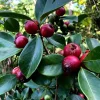
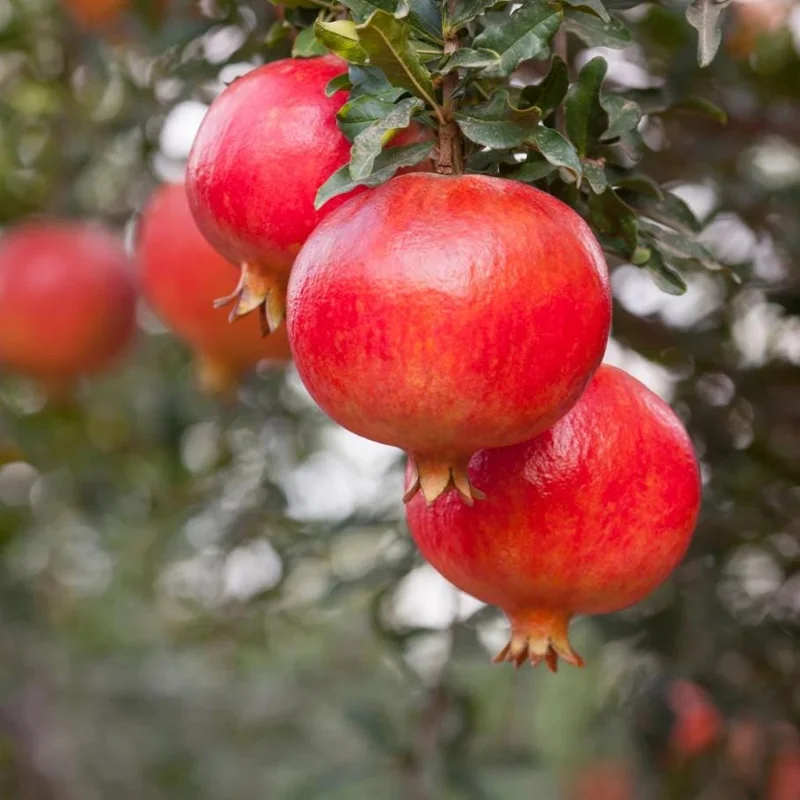
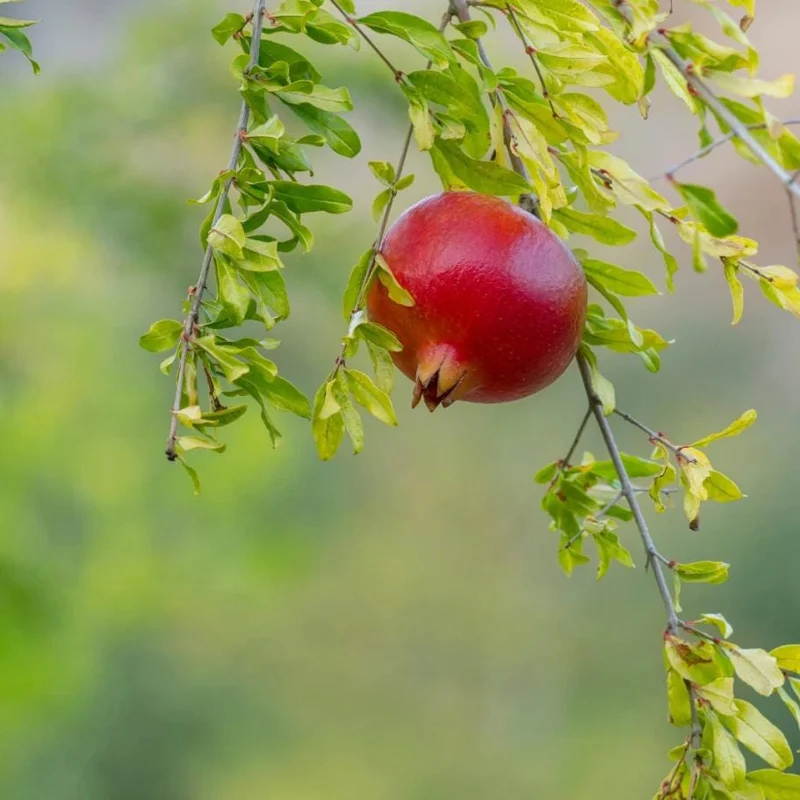
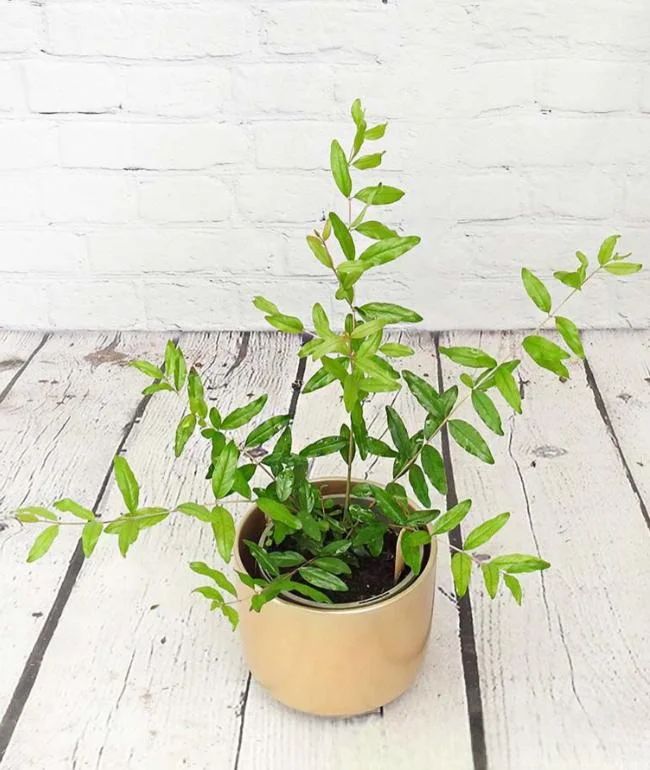
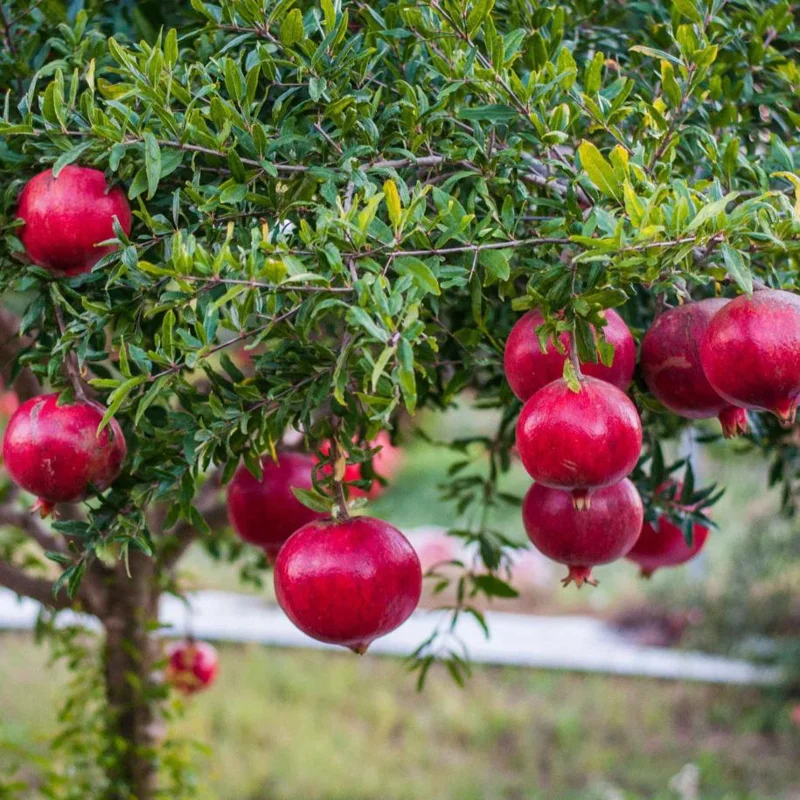
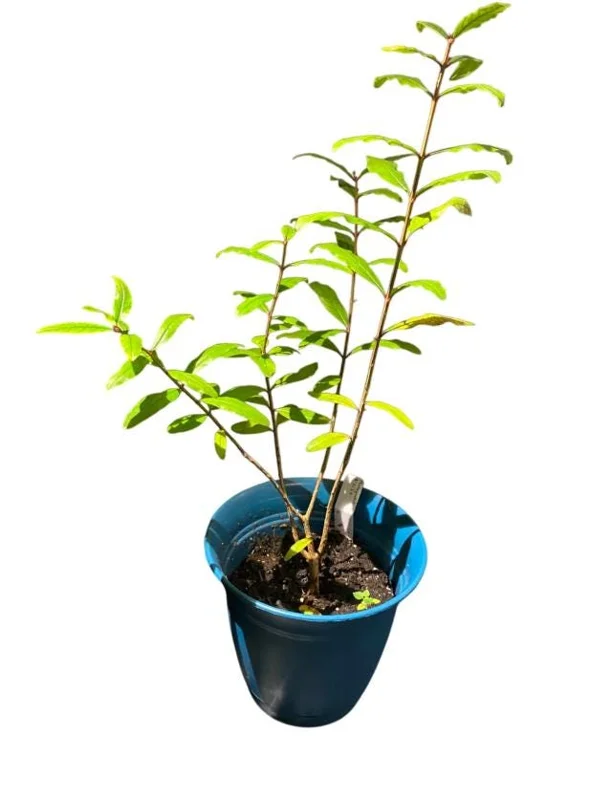
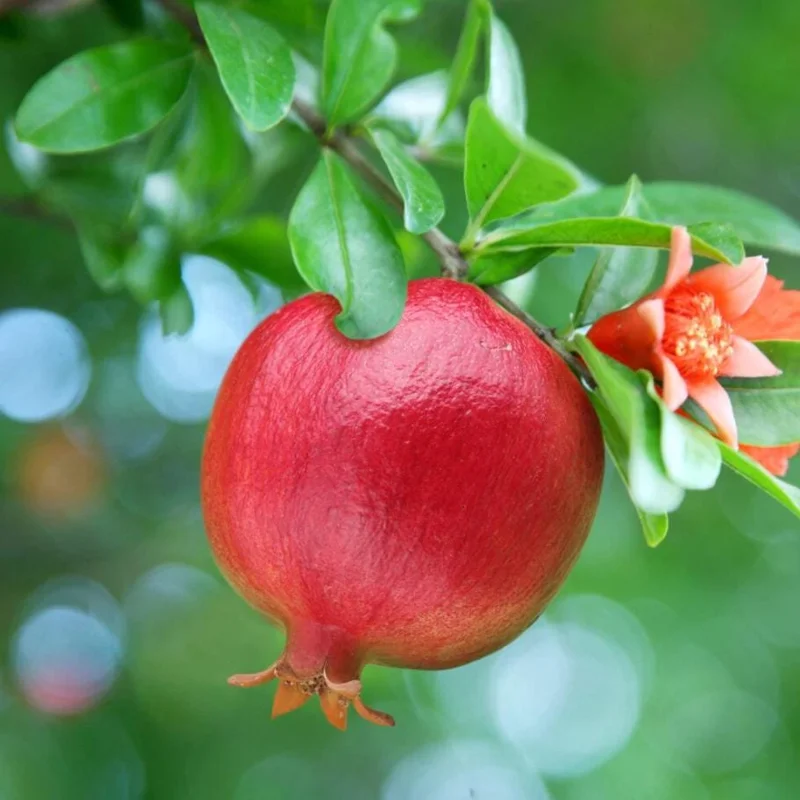
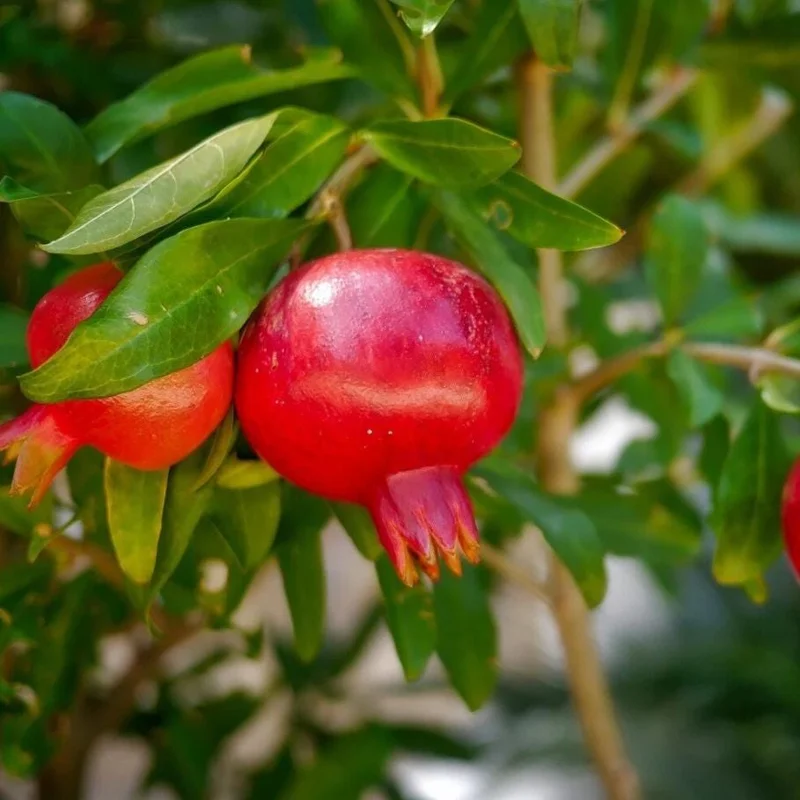
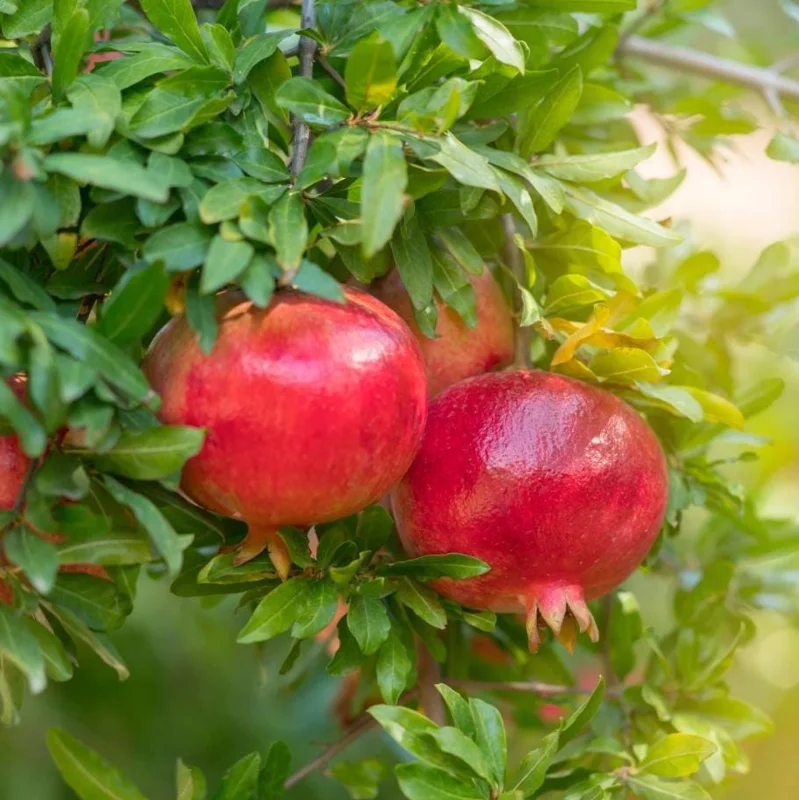
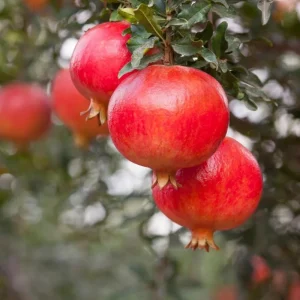
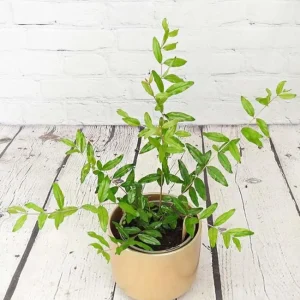
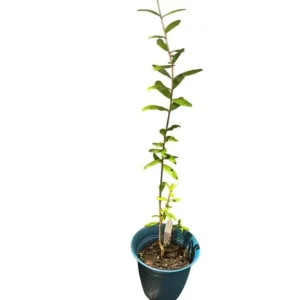
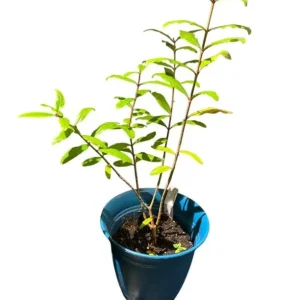
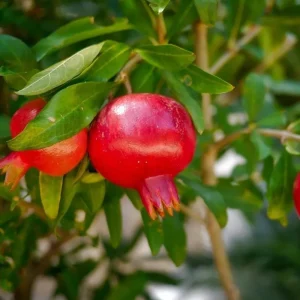
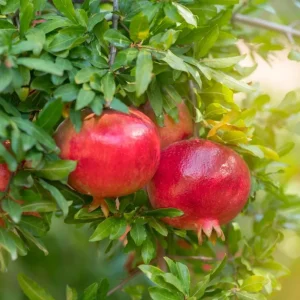
Bring the exotic beauty and delicious fruit of the tropics to your home with this red pomegranate tree live plant. This particular variety, known scientifically as Granatum Punicum plant, is a woody, deciduous, perennial shrub or small tree celebrated for its vibrant red fruits and ornamental appeal. Pomegranates are not only stunning additions to any landscape but also offer a bounty of healthful, edible fruit. This starter plant, measuring 9-12 inches tall, provides an excellent foundation for growing your very own fruit-bearing tree, whether you’re an experienced gardener or just beginning your journey to grow pomegranate tree at home.
The red pomegranate tree live plant is a versatile and resilient specimen, known for its drought tolerance once established. Originating from regions with hot, dry summers, it adapts well to a variety of climates, making it a popular choice for many American gardens. Its striking flowers precede the development of the iconic ruby-red fruits, which are packed with antioxidants and flavor. Creating an optimal environment for your Granatum Punicum plant will ensure years of enjoyment and a plentiful harvest.
Key Benefits
Investing in a red pomegranate tree live plant offers numerous rewards beyond just its aesthetic appeal. This remarkable plant provides a blend of beauty, utility, and health benefits that make it a standout choice for any garden or patio. Here are some of the key advantages of cultivating your own tropical pomegranate tree:
- Delicious Edible Fruit: Enjoy fresh, juicy pomegranates directly from your garden. These fruits are not only tasty but also rich in antioxidants, vitamins, and minerals, making them a healthy addition to your diet.
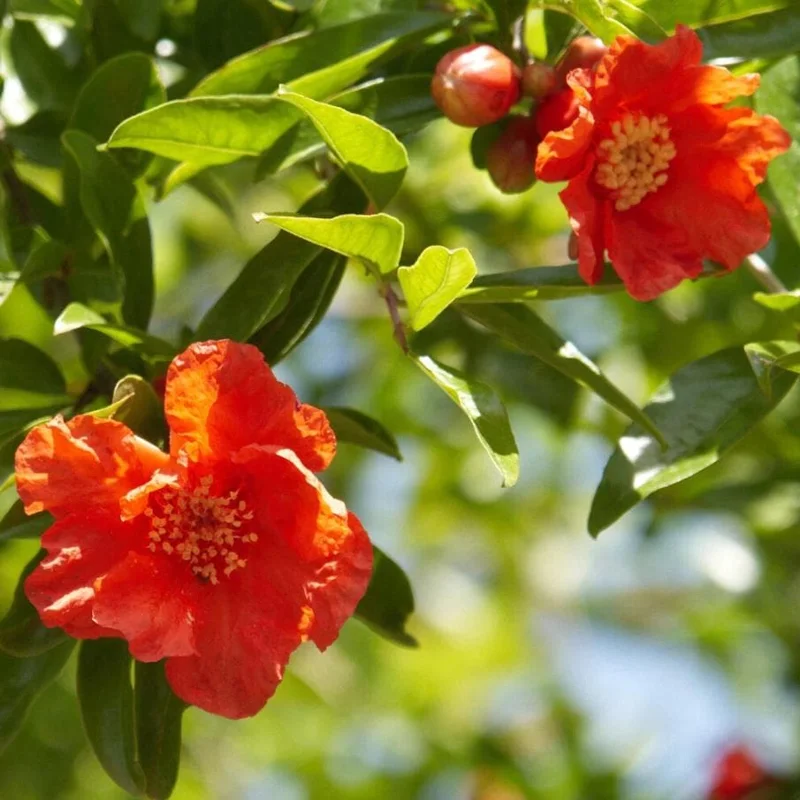
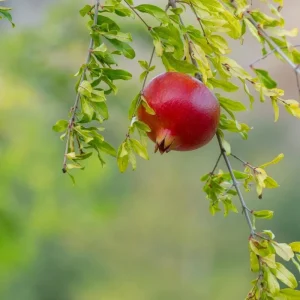
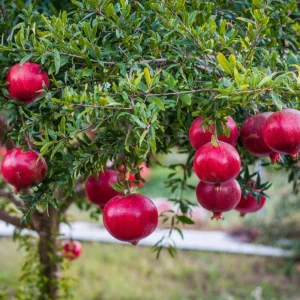
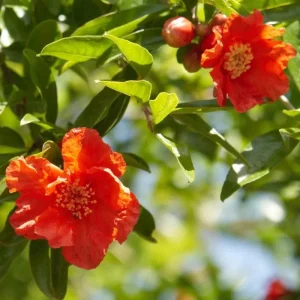
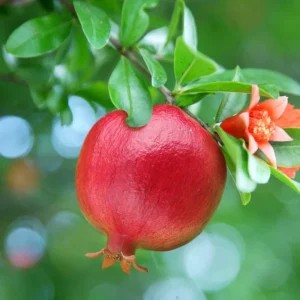
- Ornamental Value: The Granatum Punicum plant features attractive glossy leaves, vibrant red-orange flowers, and unique, spherical fruits, adding year-round visual interest to your landscape.
- Drought Tolerance: Once established, the red pomegranate tree live plant is highly drought-tolerant, requiring less water than many other fruit-bearing plants, which is beneficial in water-conscious regions.
- Adaptable Growth: This plant can be grown as a shrub or trained into a small tree, offering flexibility in how it’s integrated into your garden design. It can also thrive in large containers on patios.
- Low Maintenance: Generally, pomegranates are relatively easy to care for, making them suitable for gardeners of all experience levels who want to grow pomegranate tree.
- Long Lifespan: With proper care, a tropical pomegranate tree can live for many decades, providing a continuous supply of fruit and beauty.
- Pollinator Attraction: The bright flowers attract beneficial pollinators like bees, contributing to the overall health and biodiversity of your garden ecosystem.
Plant Care & Growing Tips
Successful pomegranate plant care involves understanding its basic needs for sunlight, water, and soil. The red pomegranate tree live plant thrives in a location that receives ample sunlight. It prefers full sun, meaning at least 6-8 hours of direct sunlight per day, to produce the best fruit yields. While it can tolerate partial shade, fruit production may be reduced. Ensure your planting site or container allows for this essential sunlight exposure. In very hot climates, some afternoon shade can be beneficial to prevent scorching.
When it comes to watering, the Granatum Punicum plant is quite adaptable. It tolerates all types of soil as long as there is good drainage and consistent moisture, especially during its establishment phase and fruit development. Water regularly, about 1-2 times per week, allowing the top few inches of soil to dry out between waterings. Once established, it becomes drought-tolerant, but consistent moisture will lead to larger, juicier fruits. Overwatering should be avoided as it can lead to root rot. For soil, a well-draining loam is ideal, but pomegranates are not overly particular. They can grow in sandy or clay soils, provided drainage is adequate.
Temperature and hardiness are important aspects of pomegranate plant care. The plant usually survives winter in USDA Zones 7-11. However, it will be killed to the ground at temperatures below 10° F, though it often regrows from the roots in spring. For colder zones, growing the tropical pomegranate tree in a large pot that can be moved indoors during winter is an excellent option. Fertilize your red pomegranate tree live plant in early spring with a balanced slow-release fertilizer or an organic compost to encourage vigorous growth and fruit production. Pruning should be done in late winter or early spring to remove dead or crossing branches, shape the plant, and encourage new growth. Watch out for common pests like aphids or scale, which can typically be managed with organic insecticidal soaps.
Size & Details
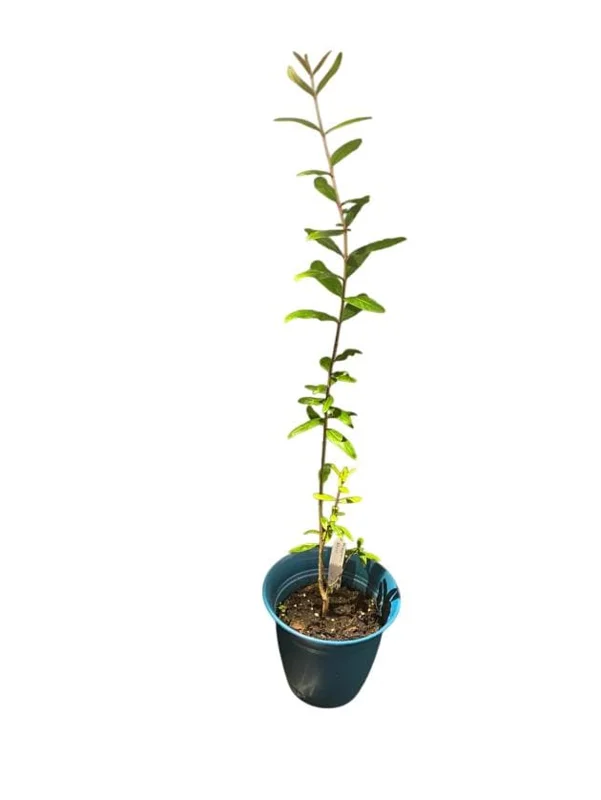
This offering is for a red pomegranate tree live plant, delivered as a healthy starter plant measuring approximately 9-12 inches tall. This size is ideal for transplanting into your garden or a larger container, allowing you to easily manage its initial growth and establishment. The plant is shipped without a pot to reduce shipping stress and encourage robust root development upon arrival. With proper care, this Granatum Punicum plant will mature into a shrub that can reach an impressive height of 10 to 12 feet tall and spread 8 to 10 feet wide, developing into a full and productive tropical pomegranate tree. Its growth rate is moderate, and you can expect to see fruit production typically within 2-3 years after planting, with increasing yields as the plant matures. The mature shrub’s size makes it suitable for use as a specimen plant, in edible landscapes, or as a natural hedge.
Frequently Asked Questions
- Q: How big does this plant get? A: This red pomegranate tree live plant typically grows into a shrub that can reach 10 to 12 feet tall and 8 to 10 feet wide. Its mature size makes it a striking addition to any garden.
- Q: What condition will it arrive in? A: You will receive a healthy starter plant, approximately 9-12 inches tall. It is shipped without a pot to ensure the best possible condition for transplanting.
- Q: Is this an indoor or outdoor plant? A: While it thrives outdoors in USDA Zones 7-11, the Granatum Punicum plant can also be grown in large containers and brought indoors during winter in colder climates, making it versatile for both settings.
- Q: How much sunlight does it need? A: To ensure optimal fruit production and growth, your tropical pomegranate tree requires at least 6-8 hours of direct sunlight daily.
- Q: Is this plant easy to care for? A: Yes, pomegranate plant care is generally considered easy. Once established, pomegranates are quite drought-tolerant and adaptable to various soil conditions, making them a good choice for beginners.
- Q: When is the best time to plant? A: The best time to plant your red pomegranate tree live plant is in spring after the last frost, or in early fall in warmer climates, allowing it to establish before extreme temperatures.
- Q: Will it survive winter in my zone? A: This plant is cold-hardy down to about 10° F and thrives in USDA Zones 7-11. In colder zones, it may die back to the ground but often regrows from the roots in spring if protected.
- Q: How long until it produces fruit? A: You can typically expect your tropical pomegranate tree to start producing fruit within 2-3 years after planting, with yields increasing as the plant matures.
- Q: What kind of soil does it prefer? A: The Granatum Punicum plant tolerates various soil types but prefers well-draining soil with consistent moisture. Good drainage is crucial to prevent root issues.
- Q: Can I grow pomegranate tree in a pot? A: Absolutely! The red pomegranate tree live plant is well-suited for container growing, especially in zones where winter protection is needed. Just ensure the pot is large enough to accommodate its growth.


Reviews
There are no reviews yet.