Overview
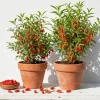
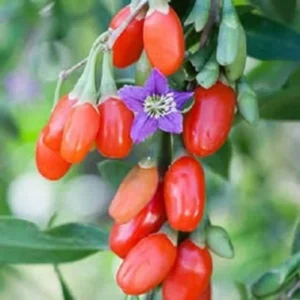
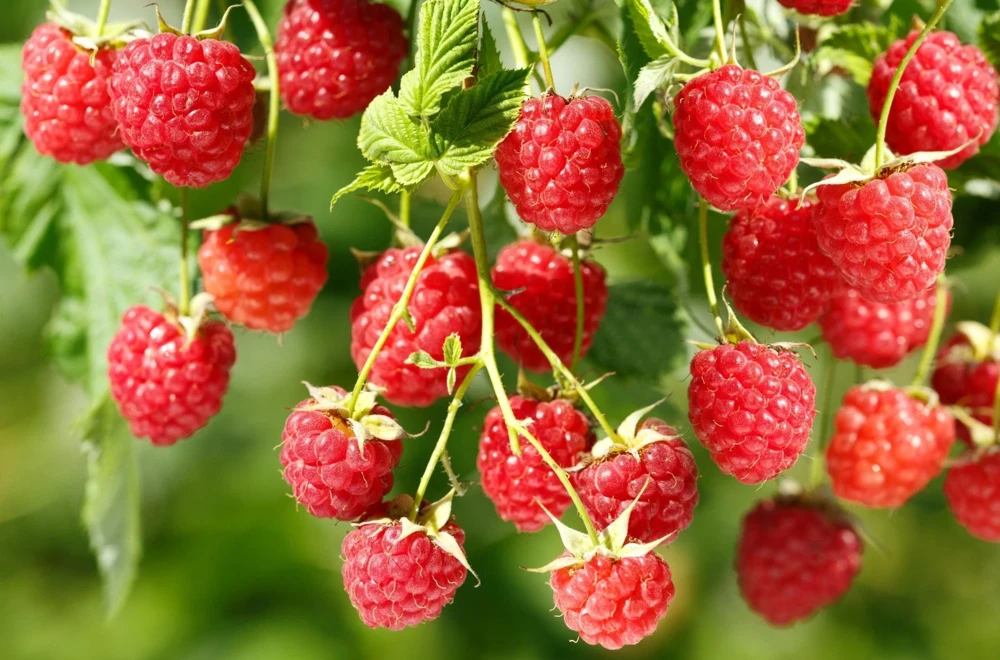
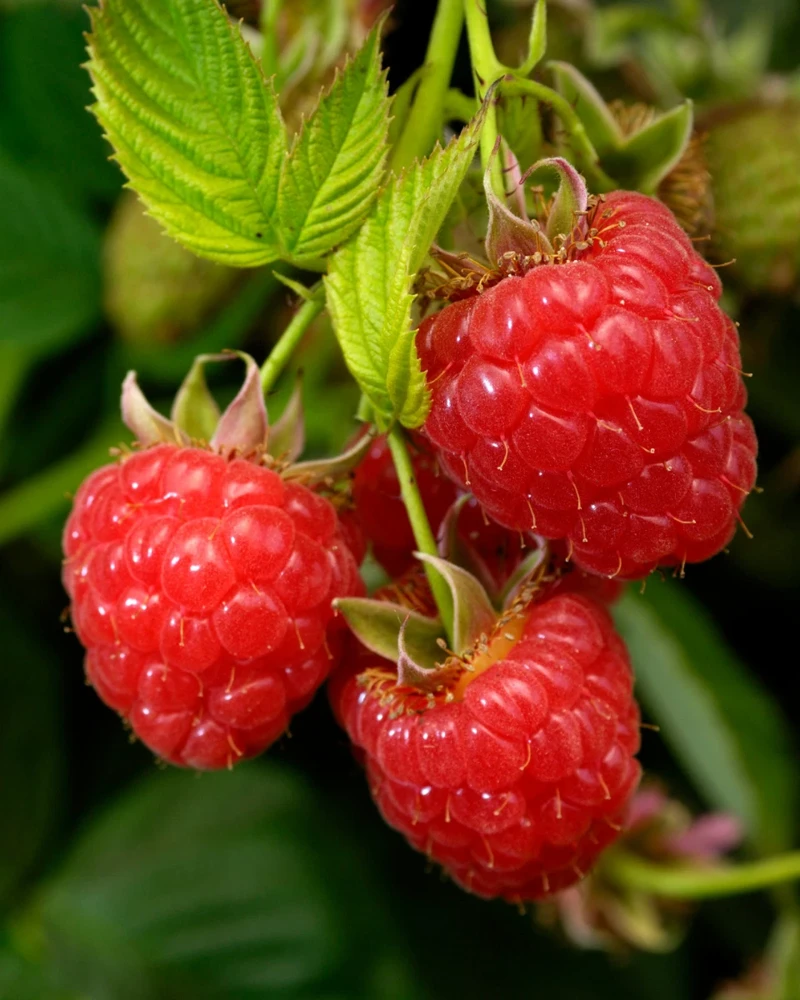
Bring the joy of homegrown fruit to your garden with this vibrant red raspberry live plant. Known for their sweet, juicy, and versatile berries, red raspberries (Rubus idaeus) are a favorite among gardeners and culinary enthusiasts alike. This healthy plant, delivered in a 4-inch pot, is an excellent choice for anyone looking to establish a productive berry patch. Red raspberries are relatively easy to grow and can provide a bountiful harvest of delicious fruit, perfect for fresh snacking, baking, making jams, or freezing for later use. Their vigorous growth and attractive foliage also add an appealing element to any landscape.
Our red raspberry live plant is carefully nurtured to ensure it arrives ready to thrive in your garden. Whether you’re an experienced gardener or just starting out, growing red raspberries can be a highly rewarding experience. These plants typically produce fruit on canes that grew the previous year (floricanes) or, in the case of everbearing varieties, on current-year canes (primocanes) as well. This allows for a prolonged harvest season, giving you fresh berries over a longer period. Enjoy the satisfaction of picking your own organic, sun-ripened raspberries straight from your backyard.
Key Benefits
Adding a red raspberry live plant to your garden offers numerous advantages, from fresh, delicious fruit to enhancing your outdoor space. These robust plants are not only productive but also contribute to a healthier lifestyle with their nutrient-rich berries. Here are some of the key benefits you can expect:
- Abundant Harvest: Enjoy a prolific yield of sweet and tart red raspberries, perfect for eating fresh, baking, or preserving. A well-maintained red raspberry live plant can provide berries for many weeks, sometimes even twice a year.
- Nutrient-Rich Fruit: Red raspberries are packed with vitamins, antioxidants, and fiber, contributing to a healthy diet. Growing your own ensures you have access to fresh, chemical-free produce.
- Easy to Grow: These plants are relatively low-maintenance once established, making them suitable for gardeners of all experience levels. With proper care, they will reward you with delicious fruit year after year.
- Versatile Culinary Use: The berries can be used in a myriad of ways – from desserts and smoothies to jams and sauces. The possibilities are endless when you’re growing red raspberries in your own backyard.
- Garden Appeal: Beyond their fruit, raspberry bushes add an attractive, natural element to your garden or edible landscape, providing lush green foliage and delicate flowers before fruiting.
- Long-Term Production: Raspberry plants are perennials, meaning they will come back year after year, offering a sustainable source of fresh fruit for many seasons.
- Supports Local Ecosystem: The flowers can attract pollinators like bees, contributing to the health of your local environment and increasing the yield of other plants in your garden.
Plant Care & Growing Tips
To ensure your red raspberry live plant thrives and produces a bountiful harvest, proper care is essential. Raspberries generally prefer a sunny location with well-draining soil. They are relatively hardy but will benefit from consistent attention to watering, pruning, and fertilization. When selecting a site, choose an area that receives at least 6-8 hours of direct sunlight per day. Good air circulation is also important to prevent fungal diseases. Prepare the soil by incorporating plenty of organic matter, such as compost, to improve drainage and fertility. The ideal soil pH for raspberries is between 6.0 and 6.5.
Watering is crucial, especially during dry spells and when the fruit is developing. Aim for about 1 inch of water per week, either from rainfall or irrigation. Avoid overhead watering if possible, as this can encourage diseases; drip irrigation or soaker hoses are ideal. Fertilize your red raspberry live plant in early spring with a balanced granular fertilizer or compost. Pruning is key for raspberry production. For everbearing varieties, you can choose to prune all canes to the ground in late winter for one large fall crop, or prune only the spent floricanes (which produced fruit last summer) for two crops – one in summer and one in fall. For summer-bearing varieties, prune out only the floricanes after they’ve fruited. Support systems like trellises can help manage cane growth and make harvesting easier. Watch out for common pests like aphids and Japanese beetles, and diseases such as powdery mildew, addressing them promptly with organic or chemical controls as needed. Understanding how to grow raspberries effectively ensures a delicious and continuous supply of fruit.
Winter protection might be necessary in colder climates (below USDA Zone 4). You can bend canes to the ground and cover them with straw or burlap to protect them from harsh freezes. In spring, remove the covering and allow the canes to stand upright again. Regular weeding around the base of the plant will reduce competition for nutrients and water. Mulching with wood chips or straw can help suppress weeds, retain soil moisture, and regulate soil temperature. By following these care tips, your primocane raspberry plant will flourish and provide you with fresh, delicious berries for years to come.
Size & Details
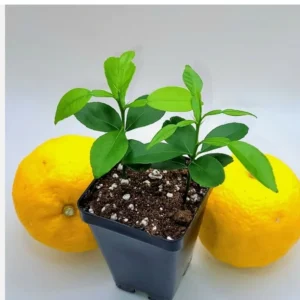
This offering includes one healthy red raspberry live plant, meticulously grown and shipped in a 4-inch nursery pot. The plant will arrive with established roots, ready for immediate transplanting into your garden or a larger container. At the time of shipment, the plant’s height will vary depending on its growth stage and the time of year, but it will be robust and well-rooted. Once established in your garden, red raspberry plants are vigorous growers, with canes typically reaching heights of 3 to 6 feet, depending on the variety and growing conditions. They have a moderate to fast growth rate, and you can often expect fruit production within the first year for primocane-fruiting varieties, or the second year for floricane-fruiting types.
The 4-inch pot size provides a good foundation for root development, allowing the plant to acclimate quickly to its new environment. These plants are perennial, meaning they will return year after year, expanding their patch through underground runners. Expect your raspberry patch to begin producing fruit from early summer through fall, depending on the variety and your local climate. This makes raspberry bush for sale an excellent long-term investment for any home gardener looking for a consistent supply of fresh berries.
Frequently Asked Questions
- Q: How big does this red raspberry live plant get? A: Once established, red raspberry canes typically grow to a height of 3 to 6 feet, forming a bush-like structure. The spread of the patch can be managed through regular pruning and removal of suckers.
- Q: What size pot does it come in? A: This red raspberry live plant is shipped in a 4-inch nursery pot with an established root system, ready for transplanting.
- Q: Is this an indoor or outdoor plant? A: Red raspberries are primarily outdoor plants, requiring full sun and space to grow. They are not suitable for long-term indoor cultivation.
- Q: How much sunlight does it need? A: For optimal fruit production, your raspberry bush for sale needs at least 6-8 hours of direct sunlight per day. More sun generally leads to more berries.
- Q: Is this plant easy to care for? A: Yes, red raspberries are considered relatively easy to care for, especially once established. They require regular watering, annual pruning, and occasional fertilization.
- Q: What condition will it arrive in? A: Your red raspberry live plant will arrive healthy, well-rooted, and carefully packaged to ensure its safe journey. Some leaves may be stressed from transit, but it should recover quickly after planting and watering.
- Q: When is the best time to plant this raspberry plant? A: The best time for planting is typically in early spring after the last frost, or in late fall before the ground freezes. This allows the roots to establish before extreme weather.
- Q: Will it survive winter in my zone? A: Red raspberries are generally hardy in USDA Zones 4-8. In colder zones, some winter protection like mulching or covering canes may be necessary. For specific advice on how to grow raspberries in your area, consult local extension services.
- Q: Can I use the berries from this plant for making jam? A: Absolutely! The sweet and slightly tart flavor of homegrown red raspberries makes them perfect for jams, jellies, pies, and other delicious preserves.
- Q: How long until it produces fruit? A: If it’s a primocane-fruiting (everbearing) variety, you might get a light crop in the first fall after spring planting. Floricane-fruiting (summer-bearing) varieties will typically produce fruit in their second year.


Reviews
There are no reviews yet.