Overview
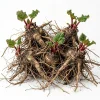
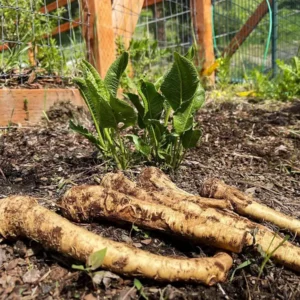
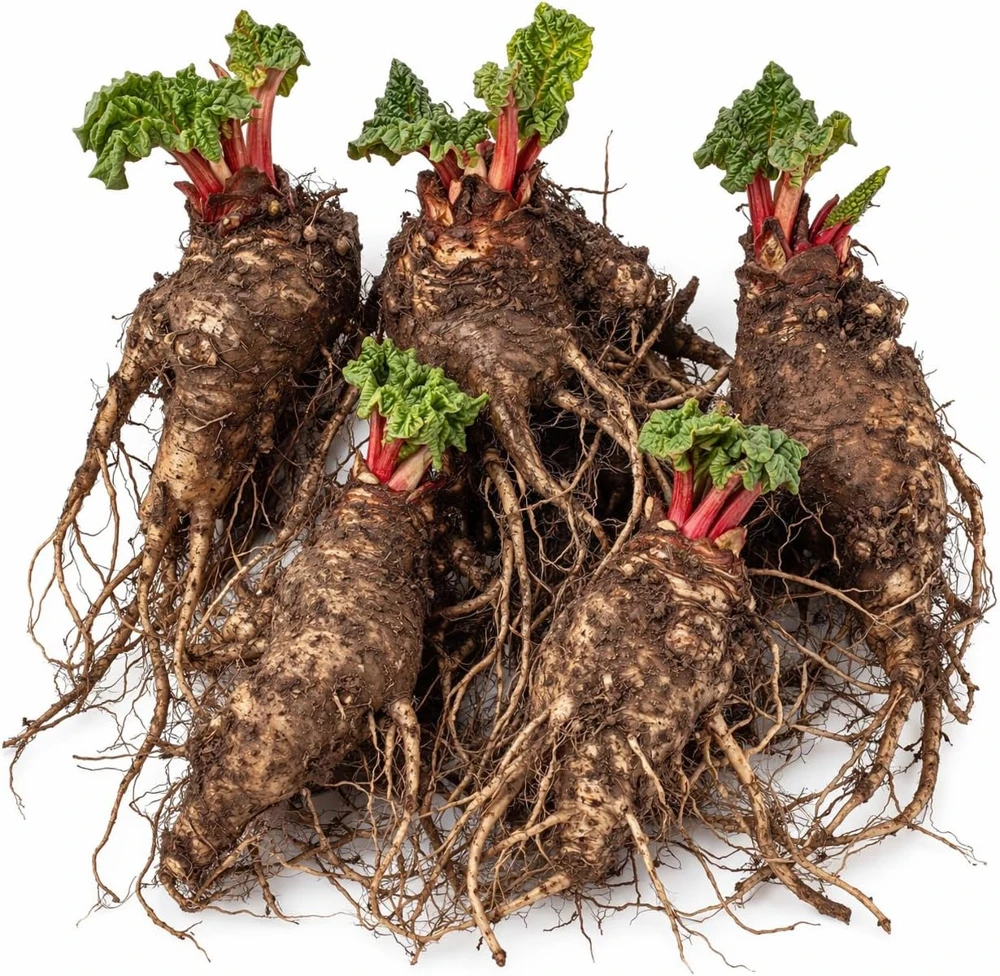
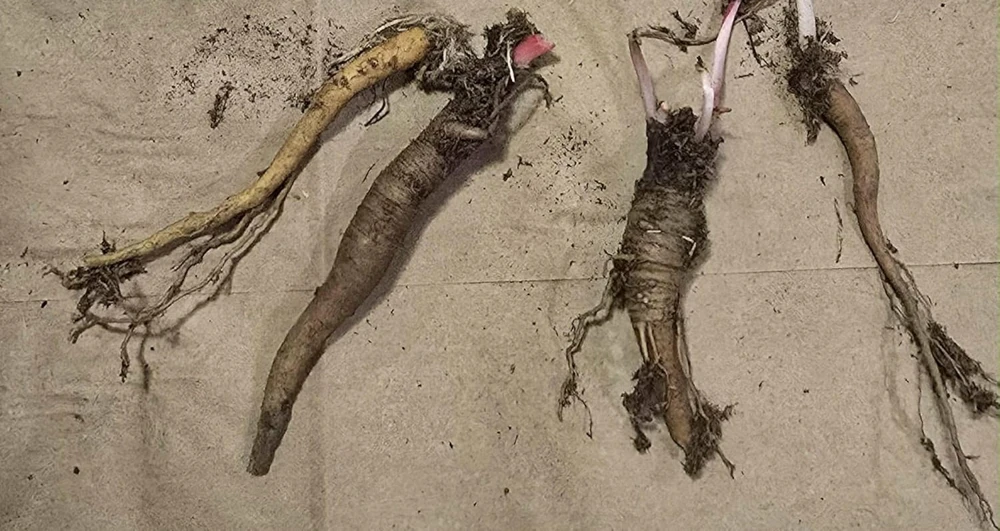
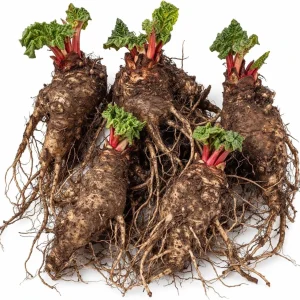
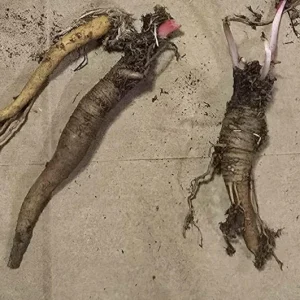
Embark on a rewarding gardening journey with our premium selection of red rhubarb crowns. This offering includes five healthy, viable root divisions, often referred to as tubers, each measuring approximately 5–7 inches long. Rhubarb is a beloved perennial vegetable, cherished for its distinctive sweet-tart stalks that are perfect for pies, crumbles, jams, and more. Unlike many garden plants that require annual replanting, these hardy rhubarb plants establish themselves and return year after year, growing more robust and productive with each passing season. They are an excellent choice for both novice and experienced gardeners seeking a low-maintenance, high-yield addition to their edible landscape. These crowns are carefully selected to ensure strong growth and bountiful harvests, providing you with fresh, homegrown sweet-tart rhubarb for years to come. The beauty of growing your own rhubarb extends beyond its culinary uses, also adding visual interest to garden beds.
Key Benefits
Integrating red rhubarb crowns into your garden offers a multitude of advantages, from culinary delights to aesthetic appeal and ease of cultivation. These benefits make them a highly desirable choice for any home gardener, ensuring you enjoy fresh, homegrown produce and the satisfaction of growing perennial rhubarb.
- Long-Lived Perennial: Rhubarb is a truly hardy and enduring plant. Once established, it will return year after year, becoming increasingly productive and robust. This means less work for you and more delicious harvests over time, making it an excellent investment for your garden and a sustainable source of sweet-tart rhubarb.
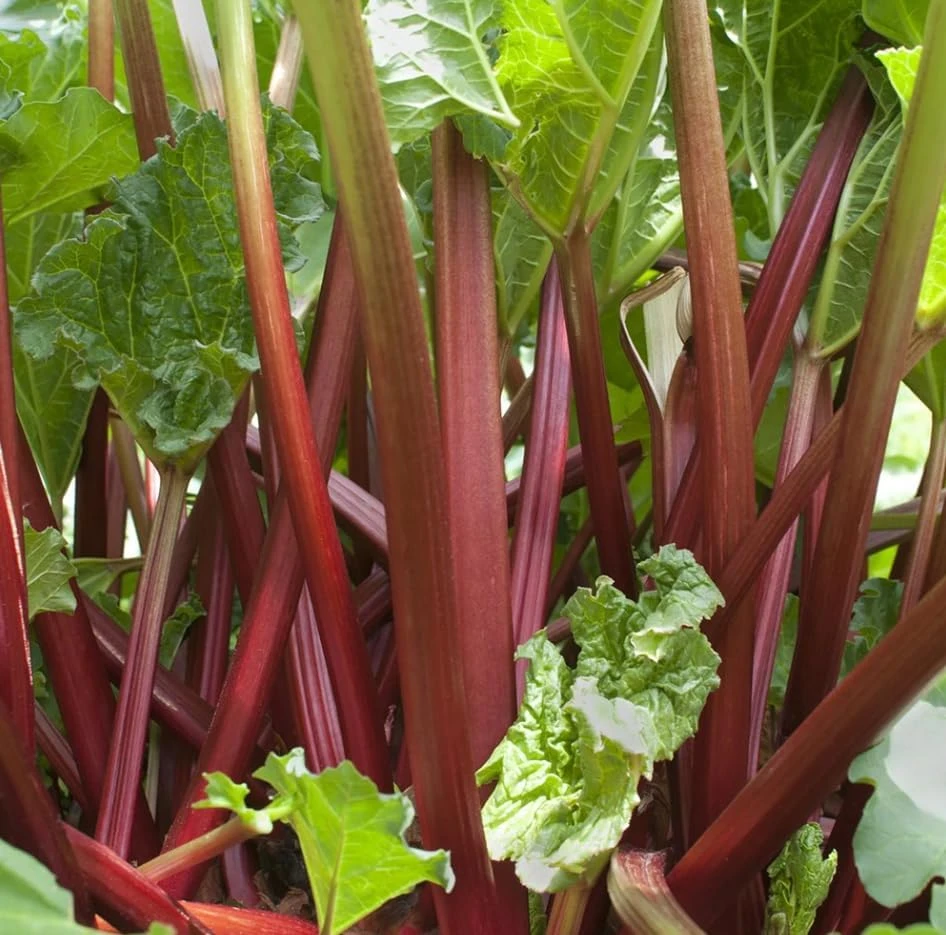
- Sweet-Tart Stalks for Culinary Use: The primary appeal of rhubarb lies in its versatile stalks. Known for their unique sweet-tart flavor, they are perfect for a wide array of culinary creations, including pies, tarts, sauces, jams, and even savory dishes. Enjoy fresh, homegrown rhubarb right from your garden.
- Easy to Grow for All Skill Levels: These planting rhubarb tubers are remarkably easy to cultivate, making them an ideal choice for beginner gardeners. They require minimal fuss once established, thriving with basic care and providing a rewarding yield with little effort, making the process of growing perennial rhubarb enjoyable.
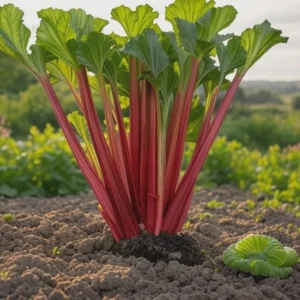
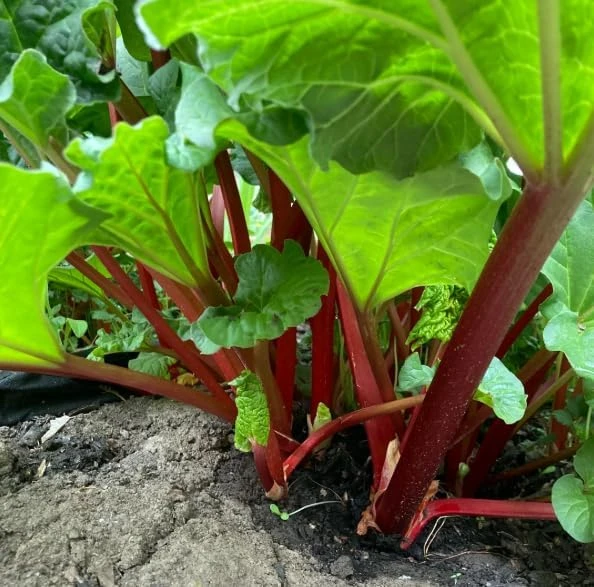
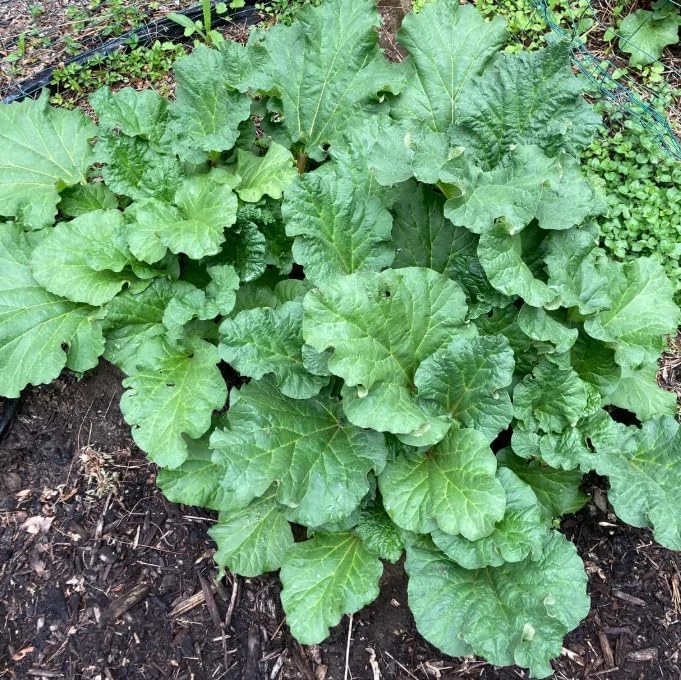
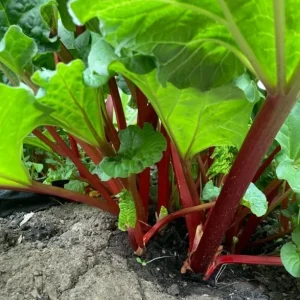
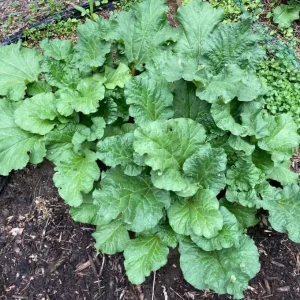
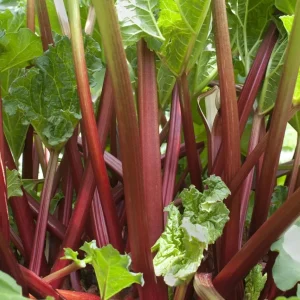
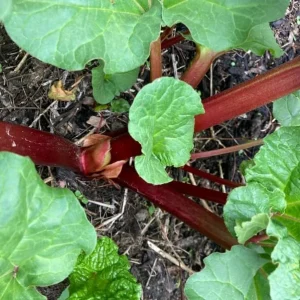
- Ornamental Garden Addition: Beyond its edible value, rhubarb boasts significant ornamental qualities. Its large, lush green leaves and striking red stalks create an eye-catching display, adding texture and vibrant color to garden beds, borders, or even large containers. These hardy rhubarb plants enhance the beauty of any landscape.
- Cold Hardy & Resilient: Rhubarb is renowned for its cold hardiness, thriving in a wide range of USDA zones (3-9). This resilience ensures that your hardy rhubarb plants can withstand harsh winter conditions and bounce back vigorously each spring, providing consistent harvests.
- Healthy, Viable Planting Stock: Each purchase includes five healthy root divisions, ready to plant and grow. These tubers are carefully inspected to ensure they are robust and primed for successful establishment in your garden, giving you the best start possible for your red rhubarb crowns.
- Versatile Harvests: From classic rhubarb pies to modern cocktails, the uses for your homegrown sweet-tart rhubarb are endless. Harvesting the stalks encourages more growth, ensuring a continuous supply throughout the season.
Plant Care & Growing Tips
Successfully growing perennial rhubarb is straightforward, especially when you understand its basic needs. Rhubarb thrives in full sun to partial shade, meaning it prefers at least 6-8 hours of direct sunlight per day. While it can tolerate some afternoon shade, particularly in hotter climates, ample sunlight is crucial for developing strong, flavorful stalks. When selecting a planting site, ensure it’s well-drained and has good air circulation to prevent fungal issues. Rhubarb is a heavy feeder, so preparing the soil is key.
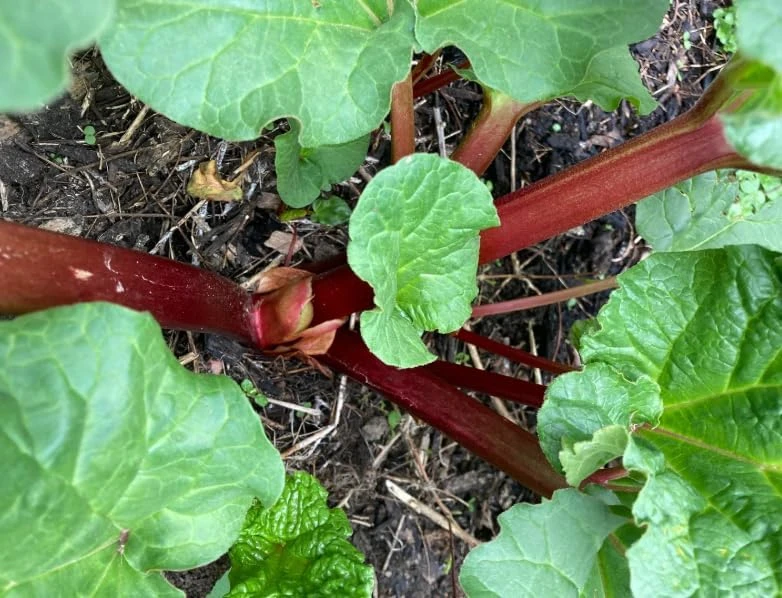
Rhubarb prefers well-drained, fertile soil rich in organic matter. Before planting your red rhubarb crowns, amend the soil with compost or well-rotted manure to provide essential nutrients. Plant the tubers with the crown buds facing upwards, about 1-2 inches below the soil surface. Space plants 3-4 feet apart to allow for mature growth. Water thoroughly after planting and keep the soil consistently moist, especially during dry spells. Avoid harvesting stalks in the first year to allow the plant to establish a strong root system. In subsequent years, harvest stalks when they are 10-15 inches long by pulling them from the base rather than cutting. Fertilize annually in early spring with a balanced fertilizer or more compost. These hardy rhubarb plants are generally pest-resistant, but keep an eye out for slugs or crown rot in overly wet conditions.
Size & Details
This offering includes five robust planting rhubarb tubers, each a healthy root division measuring approximately 5–7 inches long. These bare-root crowns are carefully selected for optimal health and vigor, ensuring a strong start in your garden. Once established, these perennial plants can grow quite large, reaching up to 2-3 feet tall and wide, providing a substantial harvest of sweet-tart rhubarb stalks each season. Rhubarb has a moderate growth rate, establishing itself well in the first year and becoming highly productive from the second year onwards. They are shipped ready for immediate planting in your garden bed or large container.
Frequently Asked Questions
- Q: How big do these red rhubarb crowns get? A: Each root division is 5-7 inches long. Once planted and established, the mature hardy rhubarb plants can grow to be about 2-3 feet tall and wide, producing numerous large stalks.
- Q: Is this an indoor or outdoor plant? A: Rhubarb is primarily an outdoor perennial plant, thriving in garden beds. It requires a cold dormancy period to produce well, making it unsuitable for continuous indoor growth.
- Q: How much sunlight do these planting rhubarb tubers need? A: For best results and bountiful harvests, rhubarb prefers full sun, meaning at least 6-8 hours of direct sunlight per day. It can tolerate partial shade, especially in hotter climates.
- Q: Are these red rhubarb crowns easy to care for? A: Yes, growing perennial rhubarb is considered relatively easy. Once established, these hardy rhubarb plants are low-maintenance, requiring consistent watering and annual fertilization.
- Q: What condition will the rhubarb arrive in? A: Your red rhubarb crowns will arrive as healthy, viable bare-root tubers, carefully packaged and ready for immediate planting in your garden.
- Q: When is the best time to plant rhubarb? A: The ideal time for planting rhubarb tubers is in early spring as soon as the soil can be worked, or in the fall in milder climates.
- Q: Will these hardy rhubarb plants survive winter in my zone? A: Rhubarb is extremely cold hardy and thrives in USDA Zones 3-9. It requires a period of cold dormancy to produce well, making it very resilient to winter conditions in these zones.
- Q: Can I harvest the sweet-tart rhubarb in the first year? A: It’s best to avoid harvesting stalks in the first year to allow the plant to establish a strong root system. You can begin harvesting lightly in the second year and more extensively from the third year onwards.
- Q: What kind of soil is best for growing perennial rhubarb? A: Rhubarb prefers rich, well-draining soil with plenty of organic matter. A slightly acidic to neutral pH (6.0-6.8) is ideal for optimal growth.
- Q: Do I need to fertilize my red rhubarb crowns? A: Yes, rhubarb is a heavy feeder. Fertilize annually in early spring with a balanced fertilizer or a good layer of compost to support vigorous growth and abundant harvests of sweet-tart rhubarb.


Reviews
There are no reviews yet.