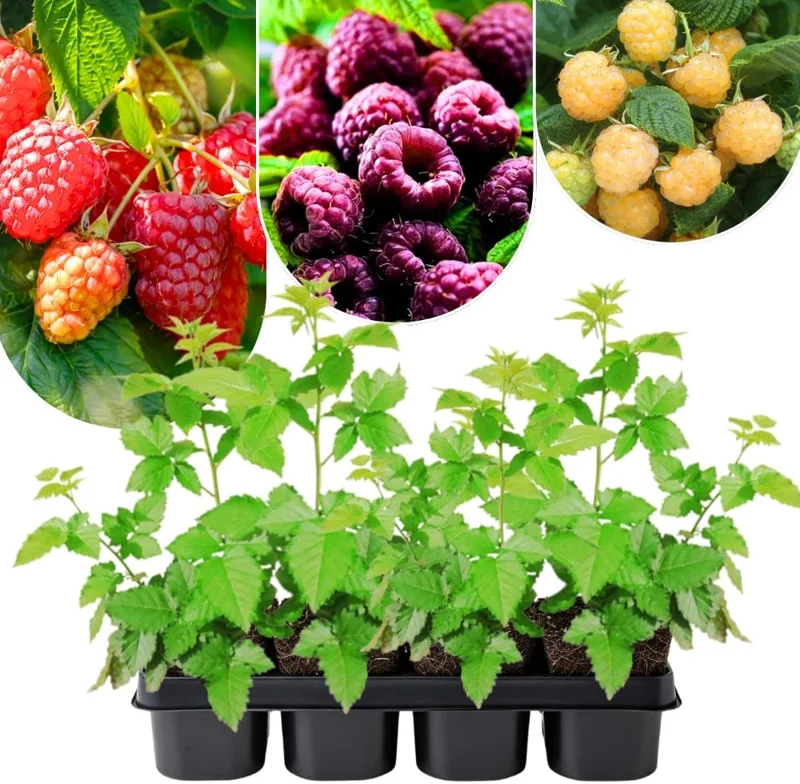
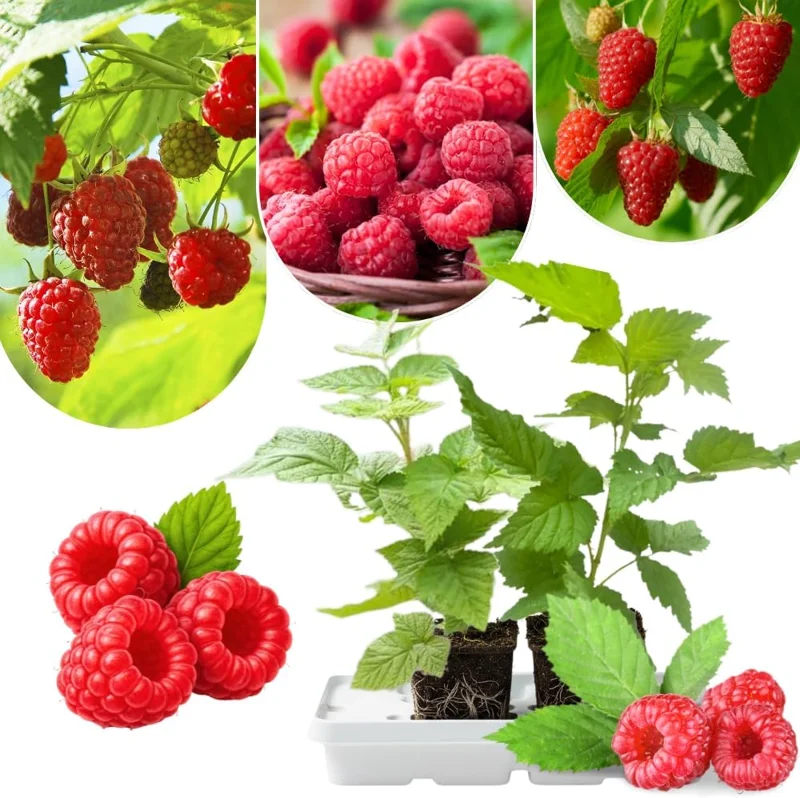
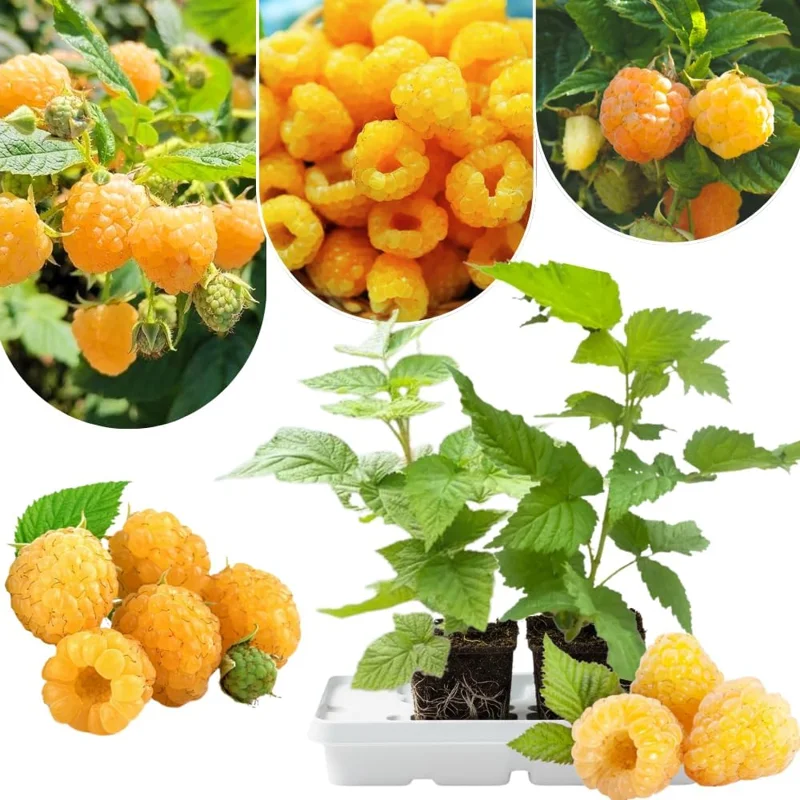
Overview
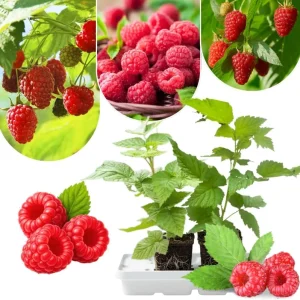
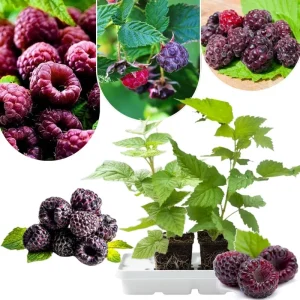
Embark on a delightful gardening journey with these premium red thornless raspberry plants. Each order includes two well-rooted, live raspberry bushes, typically measuring 4-8 inches tall, ready to thrive in your garden. These robust plants are celebrated for their ability to produce an abundance of sweet, flavorful red raspberries without the hassle of thorns, making harvesting a joy for gardeners of all ages. Perfect for home gardeners seeking a rewarding and delicious yield, these raspberry bushes are known for their vigor and consistent production. Growing your own raspberries ensures fresh, organic fruit right from your backyard, offering a taste experience far superior to store-bought varieties. These plants are a fantastic addition to any edible landscape, providing both beauty and bounty.
The ease of growing and the generous harvests make these red thornless raspberry plants a popular choice for both novice and experienced gardeners. Their upright growth habit and cold-hardy nature ensure they can withstand various climates, bringing the joy of fresh fruit to many regions. Imagine stepping into your garden and picking plump, juicy raspberries to enjoy fresh, in desserts, or preserved for later. These live plants are meticulously prepared for shipping, ensuring they arrive healthy and ready to be planted, setting you up for a successful and fruitful season.
Key Benefits
These red thornless raspberry plants offer a multitude of benefits for the discerning gardener, combining ease of care with abundant yields. Here are some of the standout advantages:
- Delicious & Sweet Fruit: Enjoy an abundance of large, juicy red raspberries with an incredibly sweet and rich flavor, perfect for eating fresh, baking, or making jams. These berries are a true culinary delight, elevating any dish or snack.
- Thornless Canes: The absence of thorns makes harvesting a pleasure, eliminating scratches and allowing for easier access to the fruit. This feature is especially beneficial for families with children and makes maintenance simpler.
- Cold Hardy & Resilient: These plants are well-suited for cooler climates, thriving in USDA Hardiness Zones 4-8. Their robust nature ensures consistent yields even after harsh winters, providing a reliable source of fruit.
- Hardy Perennial: As a perennial, these raspberry bushes will return year after year, offering a long-term investment in your edible garden. Once established, they require minimal effort to continue producing.
- Productive Bush: Designed for upright shrub growth, these bushes are highly productive, making them ideal for home gardens, small fruit plantings, and even container gardening where space is limited.
- Easy to Grow: With their well-rooted structure, these live plants are simple to establish and maintain, making them an excellent choice for gardeners looking to grow thornless raspberries without extensive experience.
- Versatile Culinary Use: The fresh, sweet berries can be used in a myriad of ways, from breakfast cereals and smoothies to pies, tarts, and homemade preserves, adding a healthy and delicious element to your diet.
Plant Care & Growing Tips
To ensure your red thornless raspberry plants flourish and provide bountiful harvests, understanding their core care requirements is essential. These plants thrive in full sun, meaning they need at least 6-8 hours of direct sunlight per day. Choose a location in your garden that receives ample sun exposure throughout the growing season. Well-draining soil is crucial for raspberries; they do not tolerate soggy roots. Amend heavy clay soils with organic matter like compost to improve drainage and fertility. A slightly acidic to neutral pH (6.0-6.8) is ideal for optimal growth and fruit production. When you grow thornless raspberries, proper soil preparation sets the stage for success.
Watering is another key aspect of care. While the plants prefer moderate watering, especially during dry spells and fruit development, ensure the soil dries out slightly between waterings to prevent root rot. Deep watering that reaches the root zone is more beneficial than frequent shallow watering. Fertilize in early spring with a balanced slow-release fertilizer or compost to support vigorous growth and fruit set. Pruning is vital for raspberry plants; for floricanes (fruit on second-year canes), prune out old, fruited canes after harvest. For primocanes (fruit on first-year canes), cut back dead or weak growth in late winter. These cold hardy raspberry bush varieties are suitable for USDA zones 4-8, meaning they can withstand winter temperatures in these regions. Protecting canes in extremely cold areas with mulch or burlap can further enhance their winter survival. Regular monitoring for pests and diseases, and addressing them promptly, will also contribute to healthy, productive plants. Following these guidelines will help ensure your sweet raspberry plants yield delicious fruit season after season.
Size & Details
Each order includes two live red thornless raspberry plants, delivered as well-rooted specimens. These plants typically measure between 4 to 8 inches in height upon arrival, providing a strong foundation for rapid growth once planted. They are shipped ready for immediate planting in your garden or preferred containers. With proper care, these raspberry bushes will quickly establish themselves and begin to develop into productive plants. Raspberry plants generally grow into upright shrubs, reaching mature heights of 3-5 feet with a similar spread, depending on pruning and growing conditions. Expect your plants to begin producing fruit within one to two years after planting, with yields increasing as the plant matures. The fruit usually ripens in mid to late summer, offering a delightful harvest period. These plants are grown for their delicious fruit and robust growth habit, making them a valuable addition to any home orchard or garden bed.
Frequently Asked Questions
- Q: How big do these red thornless raspberry plants get? A: These red thornless raspberry plants typically grow to an upright shrub size of 3-5 feet tall and wide at maturity, depending on growing conditions and pruning. They are productive and maintain a manageable size for home gardens.
- Q: Is this an indoor or outdoor plant? A: These are outdoor plants, best suited for planting directly in the ground in a garden or in large outdoor containers. They require full sun exposure to thrive and produce fruit.
- Q: How much sunlight does it need? A: These raspberry bushes require at least 6-8 hours of direct sunlight per day to ensure optimal growth and fruit production. Choose a sunny location in your garden.
- Q: Is this plant easy to care for? Is it good for beginners? A: Yes, these sweet raspberry plants are considered relatively easy to care for, making them suitable for beginners. They are cold-hardy and thornless, simplifying both cultivation and harvesting.
- Q: What condition will it arrive in? Is it shipped in soil? A: Your red thornless raspberry plants will arrive as well-rooted, live plants, typically 4-8 inches tall. They are carefully packaged to ensure they reach you healthy and ready for planting. They usually come with some soil around their roots to keep them moist during transit.
- Q: How long until it blooms and produces fruit? A: Raspberry plants generally begin to produce fruit within one to two years after planting. Yields will increase as the plant matures, with fruit typically ripening in mid to late summer.
- Q: Will it survive winter in my zone? What’s the minimum temperature? A: These are cold hardy raspberry bush varieties, suitable for USDA Hardiness Zones 4-8. They are designed to withstand winter temperatures in these regions, though extra protection may be beneficial in the coldest parts of zone 4.
- Q: How often should I water my raspberry plants? A: Water your raspberry plants moderately, especially during dry periods and while the fruit is developing. Ensure the soil is well-draining and allow the top layer to dry out slightly between waterings to prevent waterlogging.
- Q: Do I need more than one plant to get fruit? A: While raspberry plants are generally self-pollinating, planting more than one can often lead to increased yields. This order provides two plants, giving you a great start for a productive patch.
- Q: What kind of soil is best for these raspberry plants? A: These plants prefer well-draining soil that is rich in organic matter. A slightly acidic to neutral pH (6.0-6.8) is ideal for healthy growth and abundant fruit.


Reviews
There are no reviews yet.