Overview
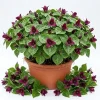
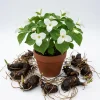
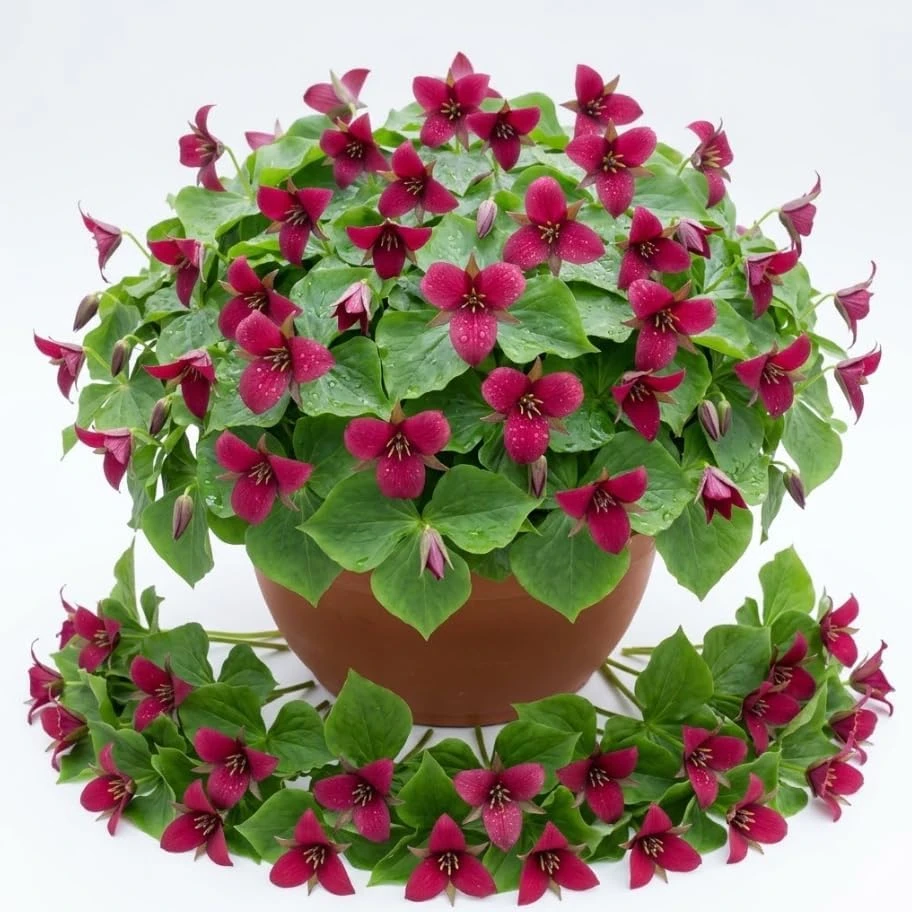
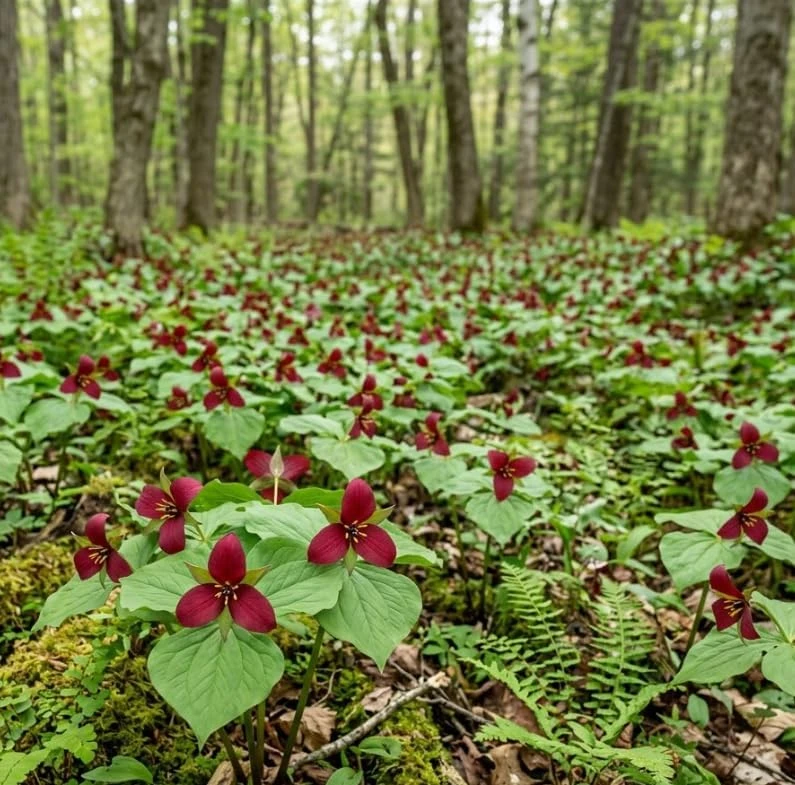
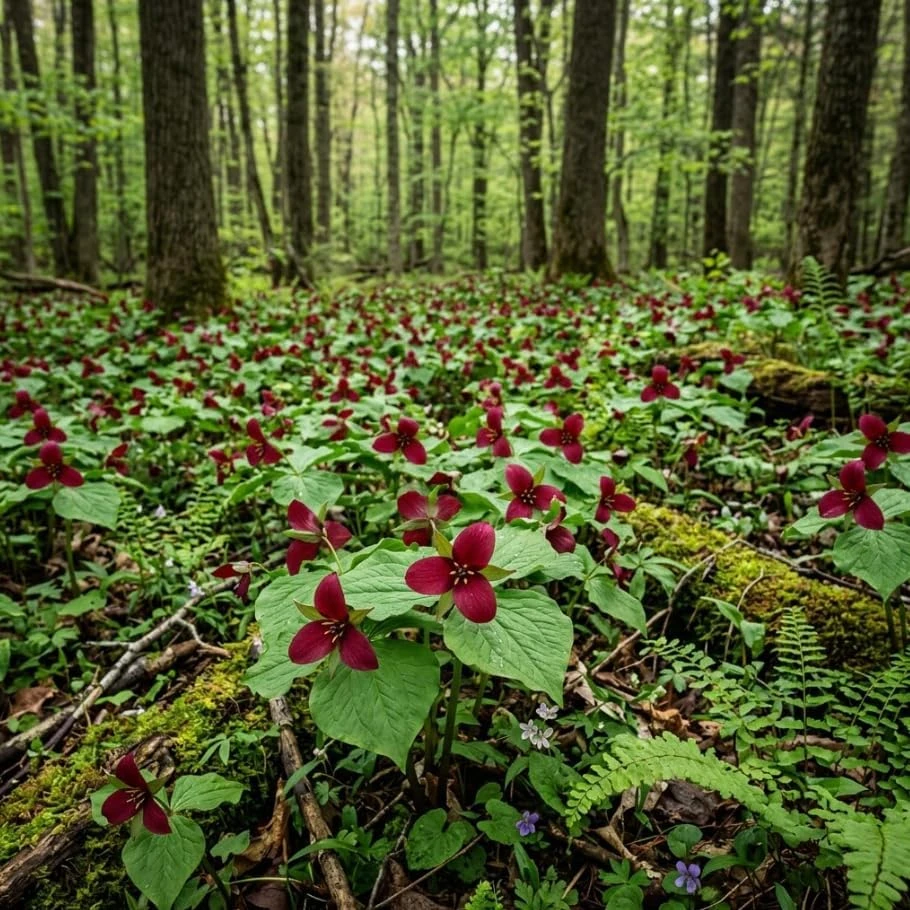
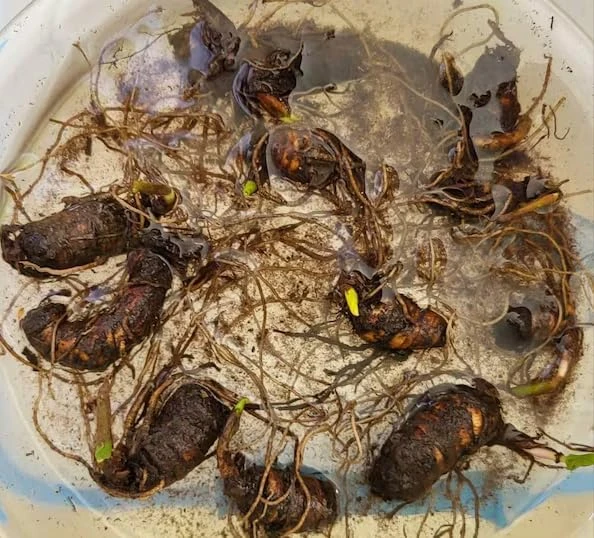
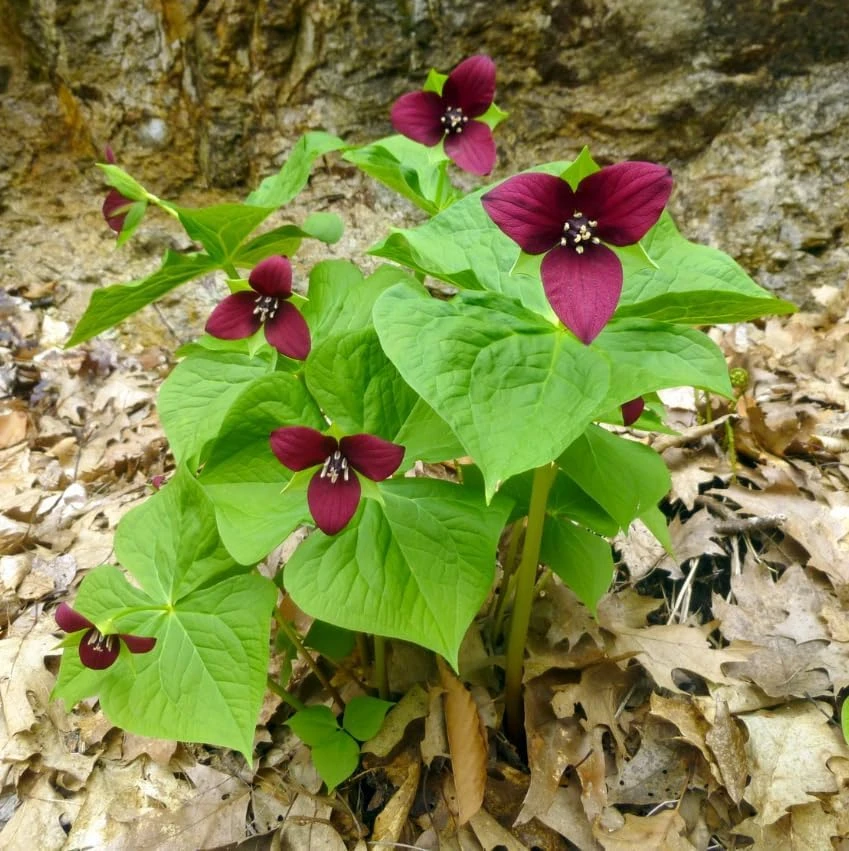
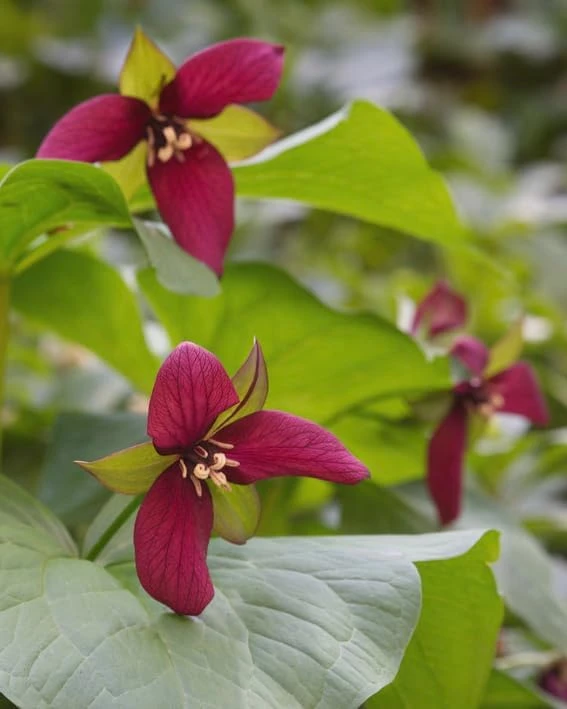
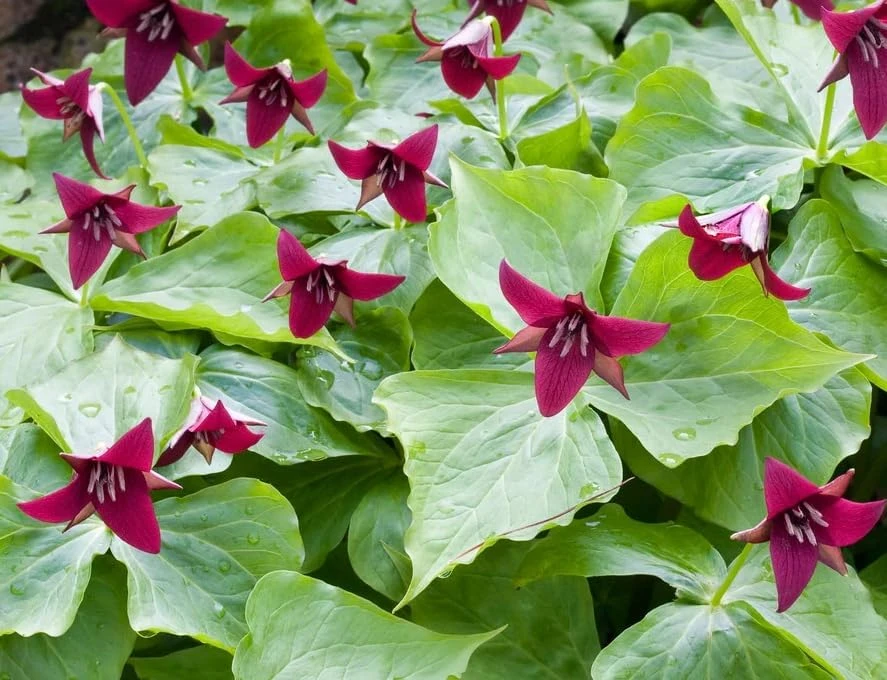
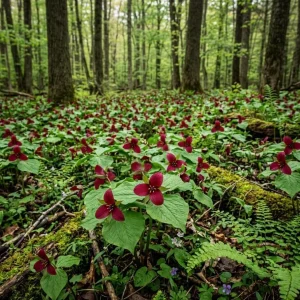
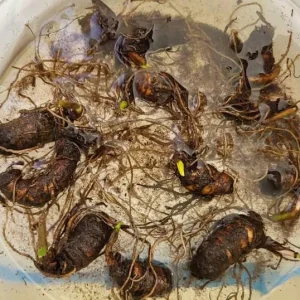
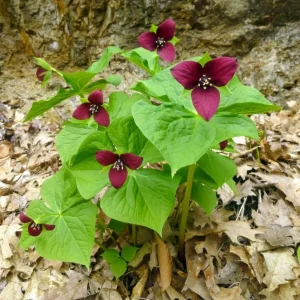
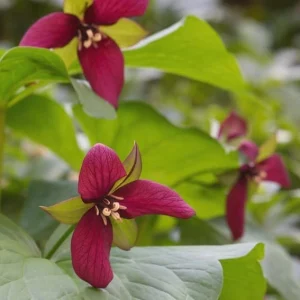
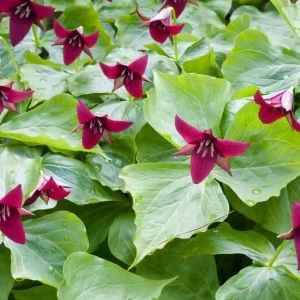
Transform your shaded garden areas into a vibrant sanctuary with these exquisite red trillium bulbs. Each pack contains 10 premium tubers, ready to sprout into magnificent woodland treasures. Commonly known as wood lily tubers, these captivating plants are celebrated for their distinctive three-petaled flowers and elegant foliage. Ideal for creating a naturalistic feel, Trillium species are a favorite among gardeners looking to enhance their partial shade landscapes. These large, healthy bulbs promise a stunning display of deep red blooms, making them a focal point in any shaded border, woodland garden, or beneath the dappled light of mature trees. Embrace the beauty of native wildflowers by introducing these resilient and enchanting Trillium to your outdoor space, ensuring a captivating show year after year.
The Trillium genus, encompassing various species, is renowned for its unique botanical structure and striking visual appeal. Our red trillium bulbs are specifically selected for their robust growth and ability to thrive in conditions often challenging for other flowering plants. They are a fantastic choice for gardeners seeking to add a touch of natural elegance and vibrant color to their shadier spots. With minimal effort, these bulbs will establish themselves, rewarding you with their spectacular blooms and lush green leaves. Whether you’re a seasoned gardener or just starting, planting red trillium bulbs is a rewarding experience that brings lasting beauty to your landscape.
Key Benefits
Discover the numerous advantages of incorporating these beautiful red trillium bulbs into your garden design. Beyond their undeniable aesthetic appeal, these plants offer several practical benefits that make them an excellent choice for any gardener seeking to enhance their outdoor environment.
- Stunning Visual Appeal: These bulbs produce large, showy red flowers that create a bold and dramatic statement. The vibrant color stands out beautifully against green foliage, making them perfect for adding visual interest to shaded areas where other flowers might struggle.
- Ideal for Partial Shade: Trillium thrives in partial shade conditions, making them a perfect solution for woodland gardens, shaded borders, or beneath tree canopies. They are a reliable choice for areas that receive dappled sunlight rather than full sun exposure.
- Low Maintenance Perennials: Once established, these wood lily tubers require minimal care, returning year after year with increasing vigor. They are a fantastic long-term investment for your garden, providing consistent beauty without constant attention.
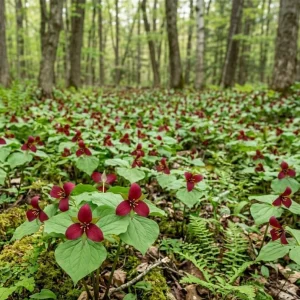
- Naturalizes Easily: Over time, Trillium plants will naturalize and spread gently, creating a lush carpet of blooms and foliage. This makes them excellent for groundcover in woodland settings and for filling in empty spaces in your garden.
- Attracts Pollinators: While subtle, the flowers can attract certain native pollinators, contributing to the biodiversity of your garden ecosystem. They are a natural addition that supports local wildlife.
- Unique Woodland Charm: These plants embody the quintessential charm of a woodland garden, bringing a touch of untamed beauty and elegance to your landscape. They create an authentic, serene atmosphere reminiscent of a natural forest floor.
- Hardy and Resilient: Trillium bulbs are known for their hardiness, capable of withstanding various conditions once established. Their resilience ensures a consistent and beautiful display across many growing seasons.
Plant Care & Growing Tips
Proper care is essential to ensure your red trillium bulbs flourish and provide years of beautiful blooms. Trillium species are relatively easy to grow, especially when their specific environmental preferences are met. Understanding these needs will help you cultivate a thriving display of these captivating woodland flowers. For successful planting trillium, preparation is key.
Sunlight Requirements: Trillium thrives in partial shade to full shade. They prefer the dappled sunlight found beneath deciduous trees, along woodland edges, or in garden beds that receive morning sun and afternoon shade. Avoid planting them in areas with intense, direct afternoon sun, as this can scorch their leaves and stress the plant. Aim for at least 3-4 hours of indirect or filtered sunlight per day.
Watering Schedule and Soil Moisture: These plants prefer consistently moist but not waterlogged soil. During dry spells, especially in their first year, ensure they receive adequate water. Once established, Trillium can tolerate short periods of dryness but will perform best with regular moisture. Good drainage is crucial to prevent bulb rot. Water deeply when the top inch of soil feels dry to the touch, typically once or twice a week depending on weather conditions.
Soil Type and Drainage:Red trillium bulbs flourish in rich, well-drained soil that is high in organic matter. A slightly acidic to neutral pH (6.0-7.0) is ideal. Amend heavy clay soils with compost, leaf mold, or other organic materials to improve drainage and aeration. For sandy soils, adding organic matter will help retain moisture and nutrients. Ensure the planting site allows excess water to drain away freely.
Temperature Range and USDA Hardiness Zone: Most Trillium species are hardy perennials, typically thriving in USDA Hardiness Zones 4-9. They require a cold dormancy period to bloom effectively. Protect young plants from late spring frosts. In warmer zones, ensure they are planted in the shadiest, coolest parts of the garden. The ideal temperature range during the growing season is between 50-75°F (10-24°C).
Fertilization Schedule and Type: Trillium generally does not require heavy fertilization. A light application of a balanced, slow-release organic fertilizer in early spring, or a top dressing of compost or leaf mold, is usually sufficient. Avoid high-nitrogen fertilizers, which can promote leafy growth at the expense of flowers. Over-fertilization can harm the delicate root system of these wood lily tubers.
Common Problems and Solutions: Trillium is relatively pest and disease resistant. Slugs and snails can sometimes be an issue; use organic slug bait or hand-pick them. Fungal diseases are rare but can occur in overly wet conditions; ensure good air circulation and proper drainage. Deer and rabbits may browse on foliage, so consider protective measures if these are prevalent in your area. If your trillium flowers fail to bloom, ensure they are receiving adequate moisture, proper shade, and have had a sufficient dormancy period.
Size & Details
This offering includes a pack of 10 premium red trillium bulbs, ready for planting to establish a beautiful display in your garden. Each bulb is carefully selected for its health and vigor, ensuring a strong start. Once established, these plants typically grow to a height of 12 to 18 inches (30-45 cm) with a similar spread, forming elegant clumps of foliage and vibrant flowers. The large bulbs contribute to the robust growth and impressive size of the resulting trillium flowers.
These wood lily tubers are shipped as dormant bulbs, which is the ideal state for planting to allow them to acclimate to their new environment and establish a strong root system before their spring emergence. Expect to see foliage emerge in early spring, followed by their characteristic three-petaled red blooms in mid to late spring, depending on your local climate and planting time. They are slow to establish but long-lived, offering a timeless addition to your garden for many years.
Frequently Asked Questions
- Q: How big do these red trillium bulbs get? A: Once mature, these Trillium plants typically reach a height of 12 to 18 inches (30-45 cm) with a similar spread. They form elegant clumps that expand gradually over time, adding significant presence to your shaded garden areas.
- Q: Is this an indoor or outdoor plant? A: These red trillium bulbs are specifically for outdoor planting. They thrive in woodland gardens, shaded borders, and beneath trees, requiring a cold dormancy period to flourish and produce their beautiful trillium flowers.
- Q: How much sunlight do these wood lily tubers need? A: Trillium prefers partial to full shade. They do best with dappled sunlight, such as that found under deciduous trees, or in spots that receive morning sun and afternoon shade. Avoid intense, direct afternoon sun.
- Q: Is this plant easy to care for? Is it good for beginners? A: Yes, once established, Trillium is relatively low-maintenance. While initial planting requires attention to soil and light conditions, they are quite hardy and return year after year, making them suitable for both experienced and beginner gardeners.
- Q: What condition will the bulbs arrive in? A: Your red trillium bulbs will arrive as dormant tubers, which is the optimal state for planting. They are carefully packaged to ensure they reach you in excellent condition, ready for immediate planting.
- Q: How long until these trillium flowers bloom? A: After planting, you can expect foliage to emerge in early spring, with the vibrant red flowers appearing in mid to late spring. The exact timing can vary slightly depending on your climate and specific planting conditions.
- Q: When is the best time for planting trillium? A: The best time to plant red trillium bulbs is in late summer or early autumn. This allows the bulbs to establish their root systems before the ground freezes, preparing them for spring growth and bloom.
- Q: Will these wood lily tubers survive winter in my zone? A: Yes, Trillium species are hardy perennials and typically thrive in USDA Hardiness Zones 4-9. They require a period of cold dormancy to perform well and will reliably return each spring.
- Q: What type of soil do red trillium bulbs prefer? A: They prefer rich, well-drained soil that is high in organic matter. A slightly acidic to neutral pH is ideal. Amend heavy soils with compost to improve drainage and aeration.
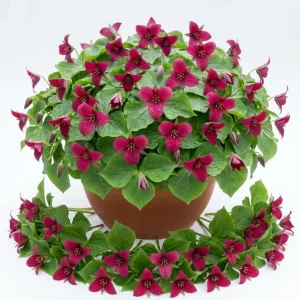
- Q: Can I grow Trillium in a container? A: While primarily suited for garden beds, Trillium can be grown in large containers provided they have excellent drainage, rich soil, and are placed in a shaded location. Ensure the container is large enough to accommodate growth and protect it during winter.


Reviews
There are no reviews yet.