Overview
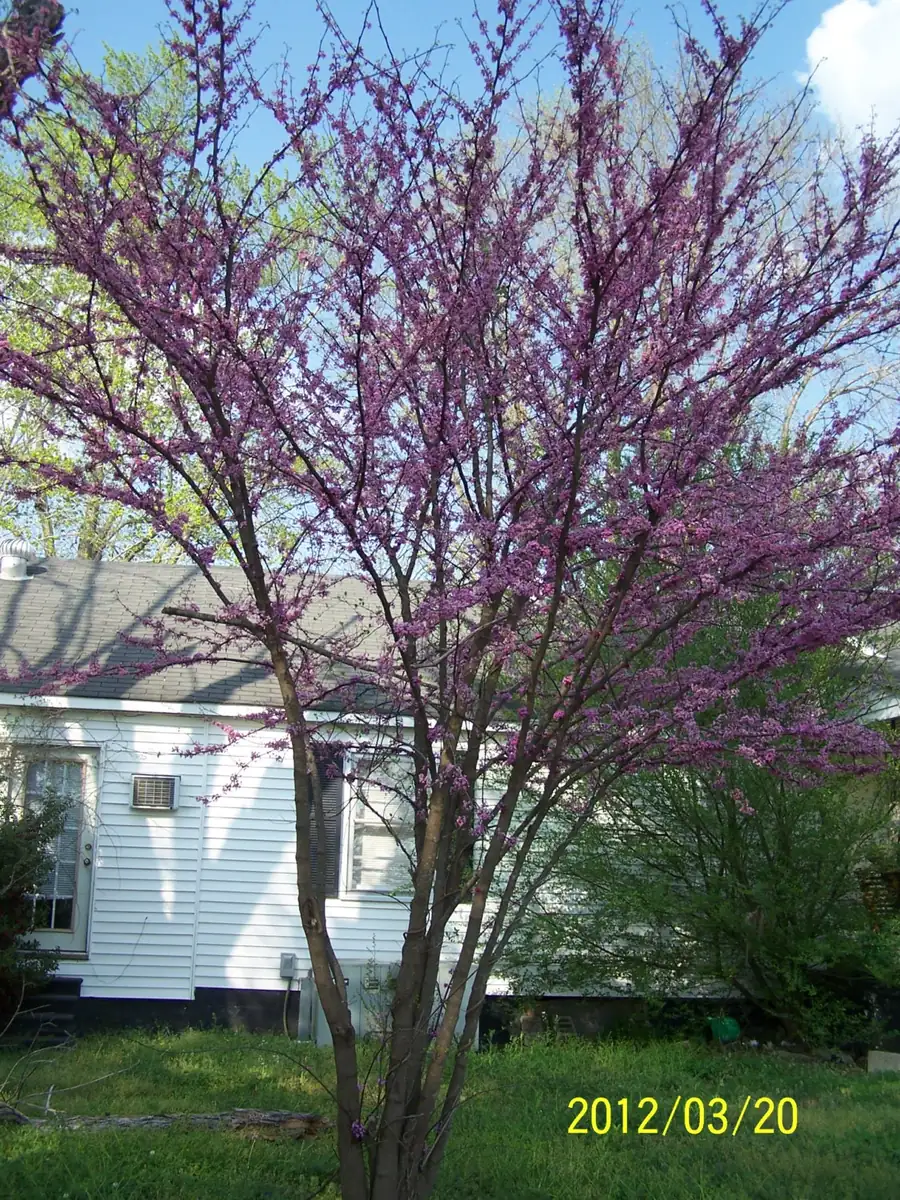
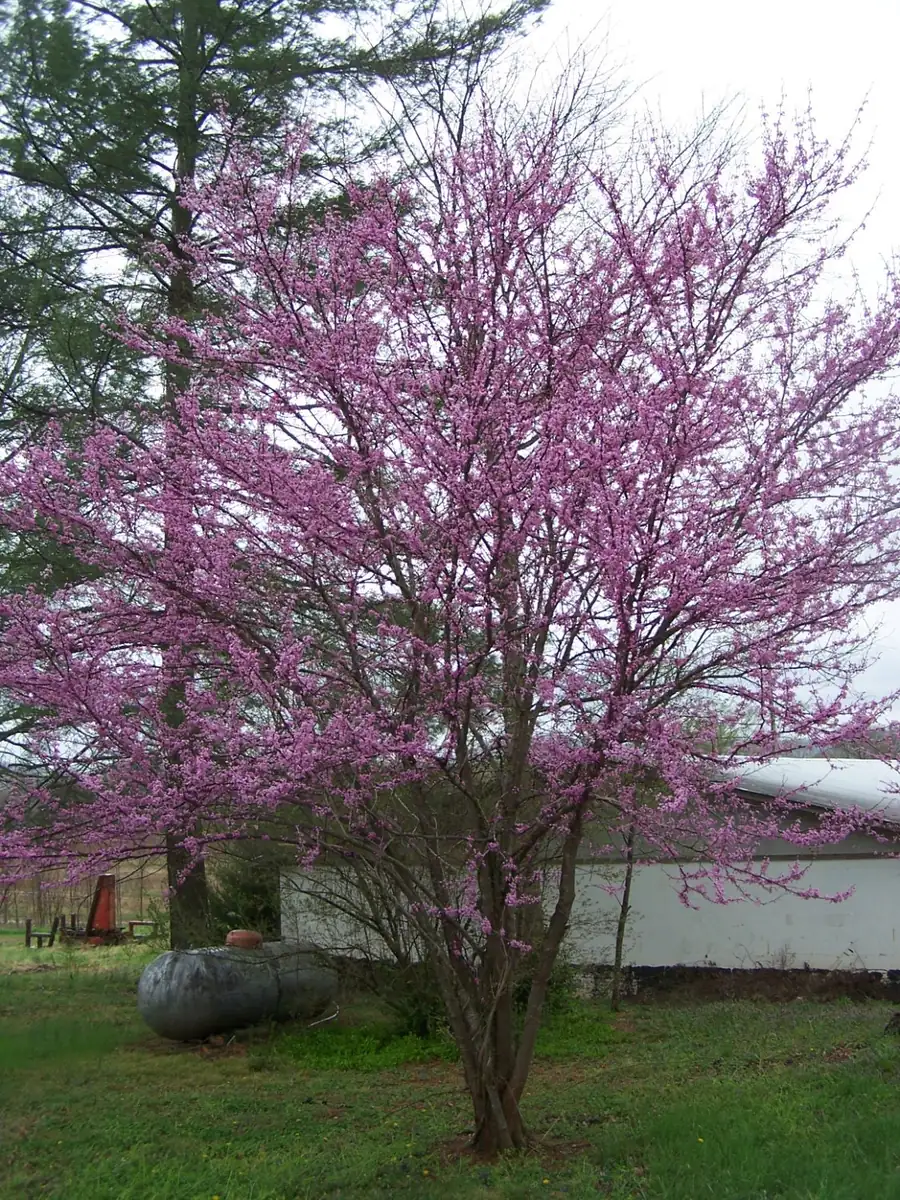
Introduce the captivating beauty of the redbud tree live plant to your outdoor space. This offering includes two Eastern Redbud (Cercis canadensis) trees, renowned for their stunning display of rosy-pink flowers that emerge in early spring, often before the leaves appear. The Eastern Redbud is a beloved native North American species, celebrated for its unique branching structure and heart-shaped foliage that provides interest throughout the growing season. As a small ornamental tree, it’s perfect for adding a touch of elegance to various garden settings, from a prominent specimen in a lawn to an understory tree in a woodland environment. These young trees, rooted in 4-inch containers, are ready to establish themselves in your landscape and begin their journey to maturity, transforming your garden with their charm and allure.
The cercis canadensis tree is a deciduous tree that typically grows to a height of 20-30 feet with a spread of 25-35 feet at maturity. Its distinctive multi-trunked form and gracefully ascending branches create a beautiful, spreading to rounded crown that is visually appealing even when not in bloom. This hardy species is well-suited for a wide range of climates, thriving in USDA zones 4-9, making it a versatile choice for many gardeners looking for a reliable and attractive tree. The vibrant flowers not only add visual appeal but also attract early pollinators, contributing to the biodiversity of your garden.
Key Benefits
Choosing a redbud tree live plant for your garden brings a multitude of advantages, enhancing both the aesthetic and ecological value of your landscape. Their early spring blooms are a welcome sight after winter, providing a burst of color when other plants are still dormant.
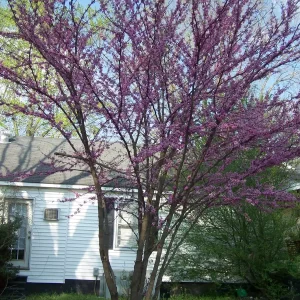
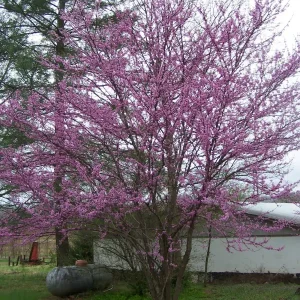
- Spectacular Spring Blooms: The most striking feature of the Eastern Redbud is its profusion of pea-like, rosy-pink flowers that cover the branches in early spring, creating a breathtaking display. These perfect purple buds open to a vibrant pink with a purple tinge, making the redbud tree for sale an immediate focal point.
- Graceful Form and Foliage: Beyond its flowers, the Eastern Redbud offers an attractive, often multi-stemmed structure with a spreading, flat-topped to rounded crown. The heart-shaped leaves emerge after the flowers, providing lush green foliage throughout the summer and turning yellow in the fall.
- Adaptable and Hardy: This cercis canadensis tree is remarkably adaptable to various soil types and conditions, tolerating both full sun and partial shade. It is cold-hardy, thriving across USDA zones 4-9, ensuring its success in a wide range of climates.
- Wildlife Attractor: The early spring flowers are an important nectar source for bees and other pollinators, supporting local wildlife. The seeds provide food for birds and small mammals later in the season.
- Versatile Landscape Use: As a small ornamental tree, the Redbud is perfect for use as a specimen tree in small yards, in groupings in a shrub border, or integrated into woodland and naturalized garden settings. Its manageable size makes it suitable for many landscape designs.
- Low Maintenance: Once established, the Eastern Redbud is relatively low-maintenance, requiring minimal care beyond occasional pruning to maintain its shape and health. This makes the redbud tree live plant an excellent choice for busy gardeners.
- Native Species: Being a native tree, it is well-adapted to local ecosystems, requiring less intervention and supporting native flora and fauna more effectively than non-native alternatives.
Plant Care & Growing Tips
Caring for your redbud tree live plant involves understanding its basic needs to ensure healthy growth and abundant blooms. These trees prefer well-drained soil and can tolerate a range of soil types, including clay, loam, and sand. However, they thrive best in moist, fertile soil. When planting your eastern redbud care should begin with choosing an appropriate site. While they can tolerate full sun, they often perform best in partial shade, especially in hotter climates, which can help prevent leaf scorch. Aim for at least 4-6 hours of direct sunlight daily for optimal flowering.
Watering is crucial, especially during the first few years after planting. Keep the soil consistently moist but not waterlogged. Deep watering once or twice a week during dry periods is more beneficial than frequent shallow watering. Once established, the cercis canadensis tree is moderately drought-tolerant. Fertilization is typically not necessary if planted in fertile soil, but if your soil is poor, a balanced, slow-release fertilizer applied in early spring can be beneficial. Avoid over-fertilizing young trees. Pruning should be done in late winter or early spring while the tree is dormant, focusing on removing dead, damaged, or crossing branches to maintain a strong structure and open canopy. This will also help highlight the beautiful form of your redbud tree for sale.
The Eastern Redbud is generally hardy in USDA zones 4-9. In colder zones, ensure adequate winter protection for young trees, such as mulching around the base. Common problems can include canker disease, which can be managed by ensuring good air circulation and avoiding injury to the bark. Pests are usually not a major issue, but monitoring for leafhoppers or borers is always a good practice. Proper site selection and consistent initial care are key to establishing a robust and long-lived redbud tree live plant that will grace your garden for many years.
Size & Details
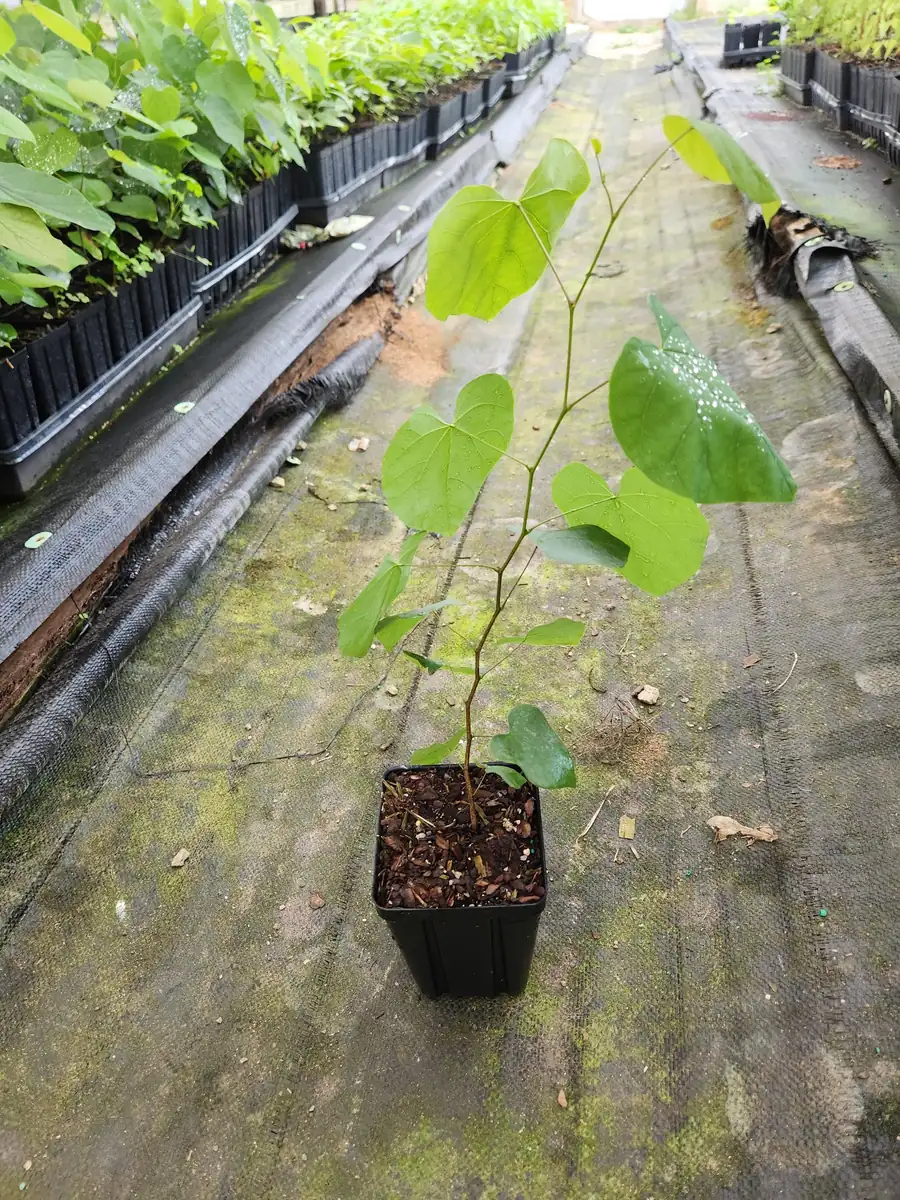
This offering includes two redbud tree live plant specimens, each carefully rooted in a 4-inch container, providing a solid foundation for transplanting and growth. At the time of shipment, these young trees typically stand between 6-12 inches in height, making them easy to handle and establish in your garden. The Eastern Redbud (Cercis canadensis) is known for its moderate growth rate, eventually reaching a mature height of 20-30 feet with a broad spread of 25-35 feet. This makes it an ideal small ornamental tree for various landscape applications, where a medium-sized tree is desired. The trees are shipped as healthy, actively growing plants, ready to be integrated into your outdoor space.
The mature size and spreading nature of the cercis canadensis tree contribute to its effectiveness as a single specimen or when planted in groupings. Its graceful branching habit develops over time, creating a beautiful silhouette. Expect these trees to begin producing their iconic rosy-pink flowers within a few years of planting, with the most abundant blooms appearing as they reach greater maturity. The plants are carefully packaged to ensure they arrive in excellent condition, complete with planting instructions to guide you through the successful establishment of your new redbud tree live plant.
Frequently Asked Questions
- Q: How big does this plant get? A: This redbud tree live plant typically grows to a mature height of 20-30 feet with a spread of 25-35 feet, forming a lovely rounded to spreading crown. The young trees you receive will be 6-12 inches tall.
- Q: Is this an indoor or outdoor plant? A: The Eastern Redbud is an outdoor deciduous tree, ideally suited for landscapes and gardens. It is not intended for indoor cultivation.
- Q: How much sunlight does it need? A: This eastern redbud care includes providing full sun to partial shade. For best flowering, aim for at least 4-6 hours of direct sunlight per day, with some afternoon shade beneficial in hotter climates.
- Q: Is this plant easy to care for? A: Once established, the redbud tree live plant is considered relatively low-maintenance. It requires consistent watering during establishment and occasional pruning.
- Q: What condition will it arrive in? A: Your redbud tree for sale will arrive as two healthy, live plants, rooted in 4-inch containers, and carefully packaged to ensure their safe journey. Planting instructions will be included.
- Q: How long until it blooms? A: Young Redbud trees typically begin to flower within 3-5 years of planting, with more prolific blooms appearing as the tree matures.
- Q: Will it survive winter in my zone? A: The cercis canadensis tree is hardy in USDA zones 4-9. If you are within these zones, it should successfully survive winter with proper care.
- Q: What type of soil does the Redbud prefer? A: Redbuds prefer well-drained soil, including loam, sand, or clay. They thrive in moist, fertile conditions but avoid consistently waterlogged soil.
- Q: Can I plant these as a hedge? A: While they can be planted in groupings, their mature size and spreading habit make them more suitable as specimen trees or as part of a mixed border rather than a formal hedge.
- Q: What makes the Eastern Redbud a good choice for my garden? A: The Eastern Redbud is an excellent choice for its stunning early spring flowers, attractive form, adaptability, and status as a native species that supports local wildlife, making it a wonderful small ornamental tree.


Reviews
There are no reviews yet.