Overview
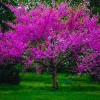
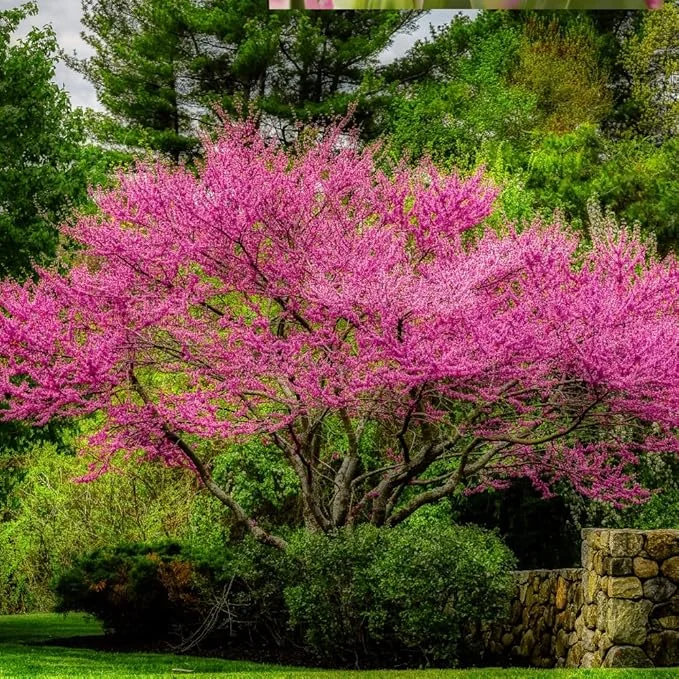
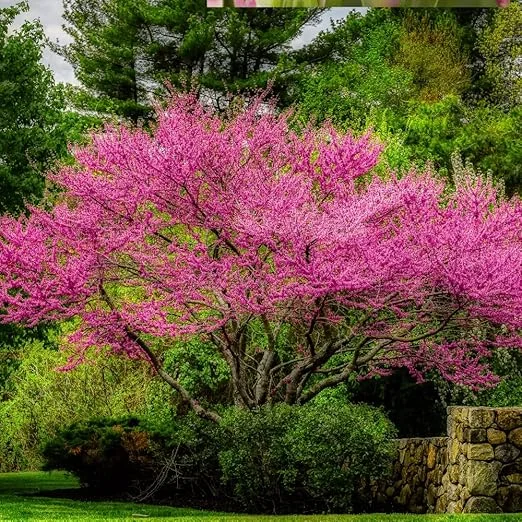
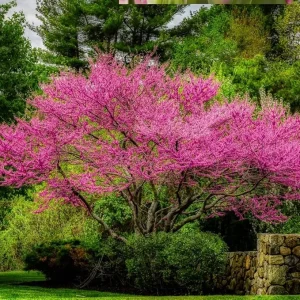
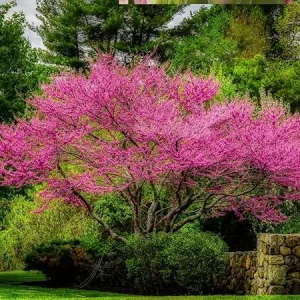
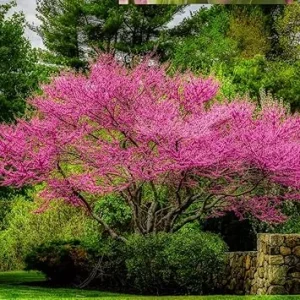
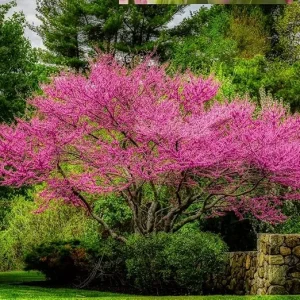
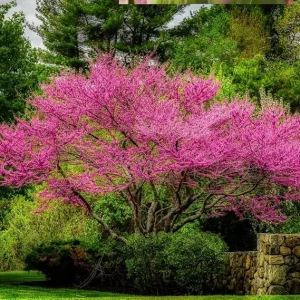
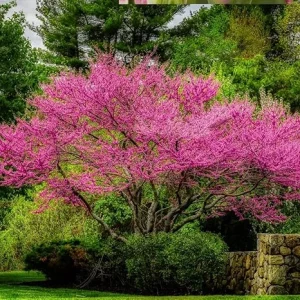
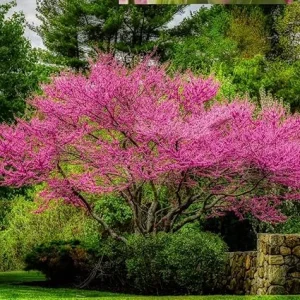
Introduce breathtaking early spring color to your garden with these beautiful Redbud tree seedlings. This offering includes five healthy, young trees, each standing 1-2 feet tall, perfect for establishing a stunning landscape feature. The Redbud, scientifically known as Cercis canadensis, is a cherished native North American tree renowned for its spectacular display of purplish-pink flowers that emerge directly on its branches before the leaves unfurl. These live Redbud trees are an excellent choice for adding ornamental value, attracting pollinators, and providing dappled shade as they mature. They are hardy, adaptable, and a fantastic investment for any homeowner looking to enhance their outdoor environment with a touch of natural elegance.
Our Redbud tree seedlings are carefully nurtured to ensure vigor and health upon arrival. Perfect for creating a small grove, lining a driveway, or as specimen trees, these young plants promise years of beauty. The delicate, heart-shaped leaves follow the brilliant floral show, providing attractive foliage throughout the growing season. Cultivating an ornamental Redbud tree is a rewarding experience, bringing vibrant life and structure to your garden design.
Key Benefits
Adding these Redbud tree seedlings to your landscape offers a multitude of benefits, both aesthetic and ecological. Their unique characteristics make them a standout choice for various garden styles and needs.
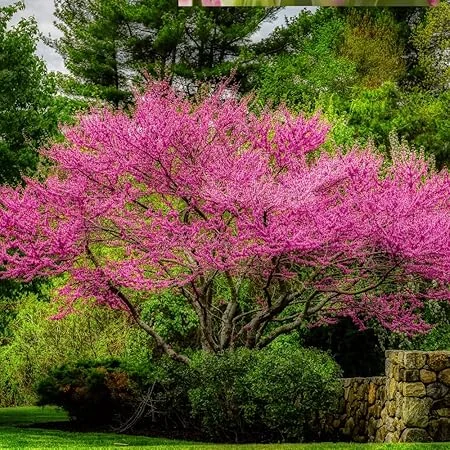
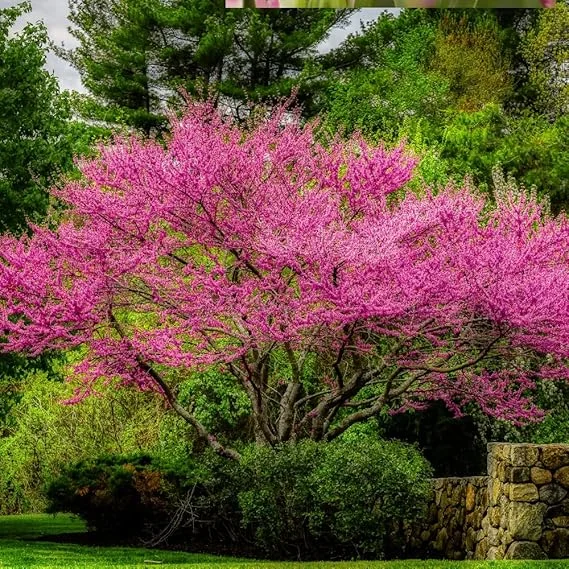
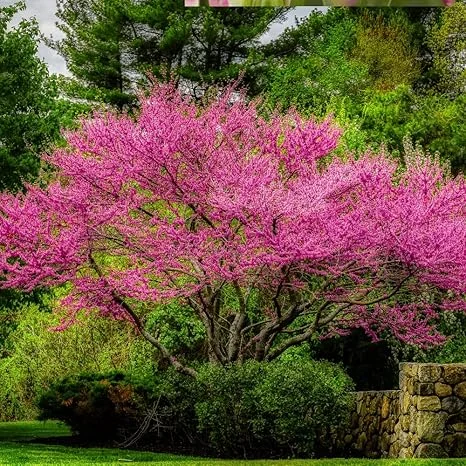
- Spectacular Spring Blooms: Experience an explosion of vibrant purplish-pink flowers in early spring, often before other trees have leafed out. This dramatic display makes the ornamental Redbud tree a focal point in any garden, signaling the arrival of warmer weather and new growth.
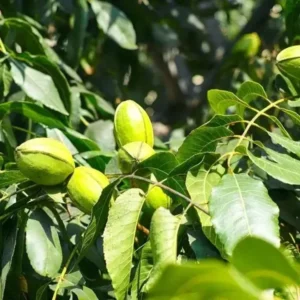
- Attractive Foliage: Following the stunning floral show, heart-shaped leaves emerge, providing a lush green canopy that offers pleasant shade and visual interest throughout the summer months, often turning golden in the fall.
- Pollinator Friendly: The early spring flowers are a vital nectar source for bees and other early emerging pollinators, contributing to the biodiversity and health of your local ecosystem.
- Drought Tolerant: Once established, these live Redbud trees exhibit good drought tolerance, making them a resilient choice for various climates and reducing the need for constant watering.
- Versatile Landscaping: Suitable for a variety of landscape applications, including standalone specimens, understory trees, or planted in groups to create a naturalized effect in yards, borders, and gardens.
- Easy to Grow: Redbud trees are relatively low-maintenance, adapting to a range of soil types and conditions, making Eastern Redbud care straightforward for both novice and experienced gardeners.
- Moderate Growth Rate: These trees offer a moderate growth rate, allowing you to see significant development in a reasonable timeframe without becoming overly large too quickly for smaller spaces.
Plant Care & Growing Tips
Proper care for your Redbud tree seedlings will ensure they thrive and develop into magnificent specimens. These trees are known for their adaptability, but providing optimal conditions will lead to the best results and the most spectacular pink blooming tree display each spring.
Sunlight Requirements: Redbud trees prefer full sun to partial shade. Full sun (at least 6 hours of direct sunlight) will encourage the most abundant flowering. In hotter climates, a location that receives some afternoon shade can help protect the leaves from scorching. Ensure your chosen planting site provides adequate light for vigorous growth.
Watering Schedule & Soil Moisture: During their establishment period (the first year or two after planting), consistent moisture is crucial. Water deeply 2-3 times a week, especially during dry spells, to encourage deep root growth. Once established, Redbuds are quite drought-tolerant, but they will benefit from occasional watering during prolonged dry periods. They prefer moist, well-drained soil and do not tolerate soggy conditions, which can lead to root rot. Good drainage is key for successful Eastern Redbud care.
Soil Type and Drainage: Redbuds are adaptable to a range of soil types, including clay, loam, and sand, provided there is good drainage. They prefer slightly acidic to neutral soil pH (6.0-7.0). If your soil is heavy clay, amending it with organic matter like compost can improve drainage and aeration. For sandy soils, compost will help retain moisture and nutrients. Ensure the planting hole is wide enough to accommodate the root system comfortably.
Temperature Range & USDA Hardiness Zone: These live Redbud trees are hardy in USDA Zones 4–9 (as per the raw data, it also mentions 6-9, so we’ll use the broader range to be safe and inclusive). This broad range means they can withstand winter temperatures as low as -30°F (-34°C) in Zone 4 and thrive in the warmer conditions of Zone 9. Protection from harsh winter winds may be beneficial for younger trees in the colder parts of their range.
Fertilization: Generally, Redbuds do not require heavy fertilization. A balanced, slow-release fertilizer can be applied in early spring as new growth begins, especially for young Redbud tree seedlings. Avoid over-fertilizing, as this can lead to excessive leafy growth at the expense of flowers. A soil test can help determine specific nutrient deficiencies.
Common Problems and Solutions: Redbuds are generally robust but can be susceptible to certain issues. Verticillium wilt is a fungal disease that can affect Redbuds; good drainage and avoiding overwatering can help prevent this. Pests like canker and borers can also be a concern; maintaining tree health through proper care is the best defense. Pruning dead or diseased branches promptly can prevent the spread of issues. Regular inspection is part of good Eastern Redbud care.
Size & Details
This offering provides five vigorous Redbud tree seedlings, each measuring approximately 1-2 feet in height upon arrival. These young trees are ideal for planting and will establish quickly in your landscape. Redbud trees typically grow at a moderate rate, gaining about 7-10 feet in height over a 5-year period. Mature Eastern Redbuds can reach heights of 20-30 feet with a similar spread, forming a beautiful, broad, and somewhat flat-topped crown. They are generally shipped as bare-root or with a small amount of soil around their roots, ready for immediate planting upon arrival.
The trees will begin to produce their characteristic vibrant pink blooming tree flowers in 3-5 years, with the display becoming more impressive as they mature. This product is for the live plant itself, not seeds or bulbs, ensuring you receive a head start on growing your ornamental tree. The compact size of these seedlings makes them easy to handle and plant, perfect for creating a new garden feature or adding to an existing landscape design. Expect a hardy and beautiful addition to your outdoor space, providing seasonal interest for many years.
Frequently Asked Questions
- Q: How big do these Redbud tree seedlings get? A: These Redbud tree seedlings are 1-2 feet tall upon arrival. Mature Redbud trees typically reach a height of 20-30 feet with a similar spread, forming a beautiful, rounded canopy.
- Q: Is this an indoor or outdoor plant? A: The Redbud is an outdoor ornamental tree. It requires exposure to the elements and specific temperature cycles to thrive and produce its characteristic spring blooms.
- Q: How much sunlight does it need? A: Redbud trees prefer full sun (at least 6 hours of direct sunlight) to partial shade. More sun generally leads to a more abundant floral display.
- Q: Is this plant easy to care for? A: Yes, Redbud trees are considered relatively easy to care for, especially once established. They are adaptable to various soil types and are drought-tolerant, making Eastern Redbud care manageable for most gardeners.
- Q: What condition will the Redbud tree seedlings arrive in? A: Your live Redbud trees will arrive healthy and ready for planting, typically as bare-root seedlings or with a small amount of soil around their roots to ensure viability during transit.
- Q: How long until it blooms? A: While these are young Redbud tree seedlings, you can generally expect them to start producing their iconic pink spring blooms within 3-5 years of planting, with the display becoming more robust each subsequent year.
- Q: Will it survive winter in my zone? A: These Redbud trees are hardy in USDA Zones 4–9, meaning they are well-equipped to survive typical winter conditions within this range, making them a reliable ornamental Redbud tree choice for many regions.
- Q: What is the best time to plant Redbud tree seedlings? A: The best time to plant Redbud tree seedlings is in early spring or fall when temperatures are moderate. This allows the roots to establish before the stress of summer heat or winter cold.
- Q: Are these suitable for a small garden? A: Yes, with their moderate mature size of 20-30 feet, Redbud trees are suitable for many small to medium-sized gardens, offering significant visual impact without overwhelming the space.
- Q: What type of soil do Redbuds prefer? A: Redbuds thrive in moist, well-draining soil. They are adaptable to various soil types, including clay, loam, and sand, as long as drainage is adequate.


Reviews
There are no reviews yet.