Overview
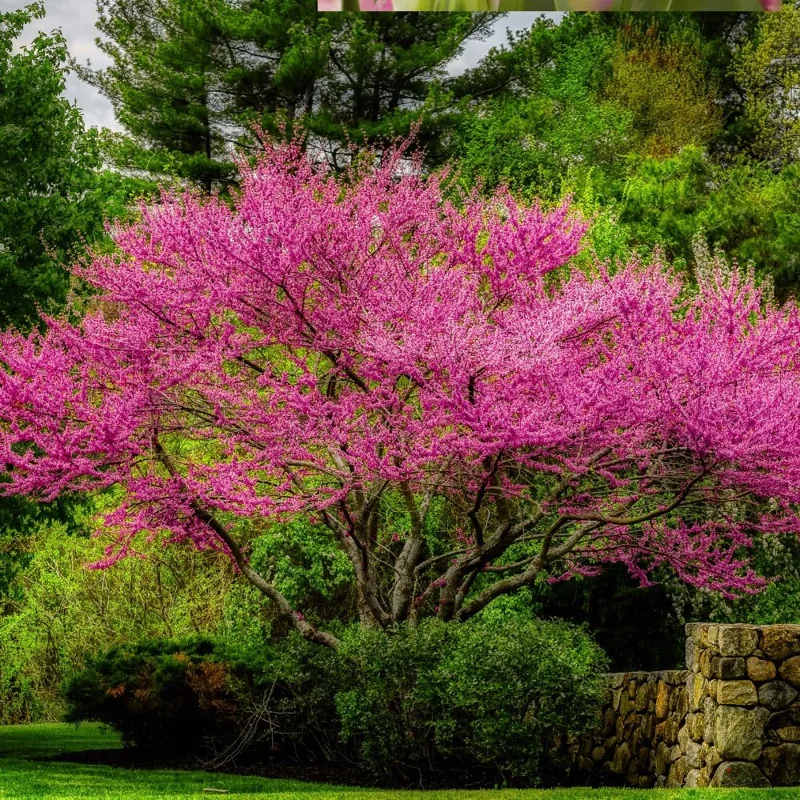
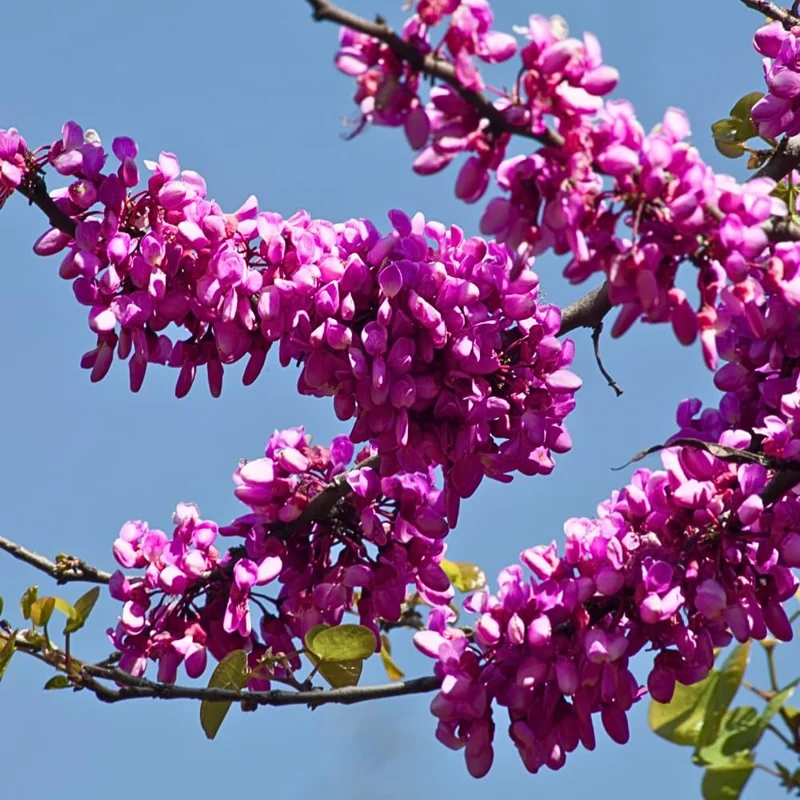
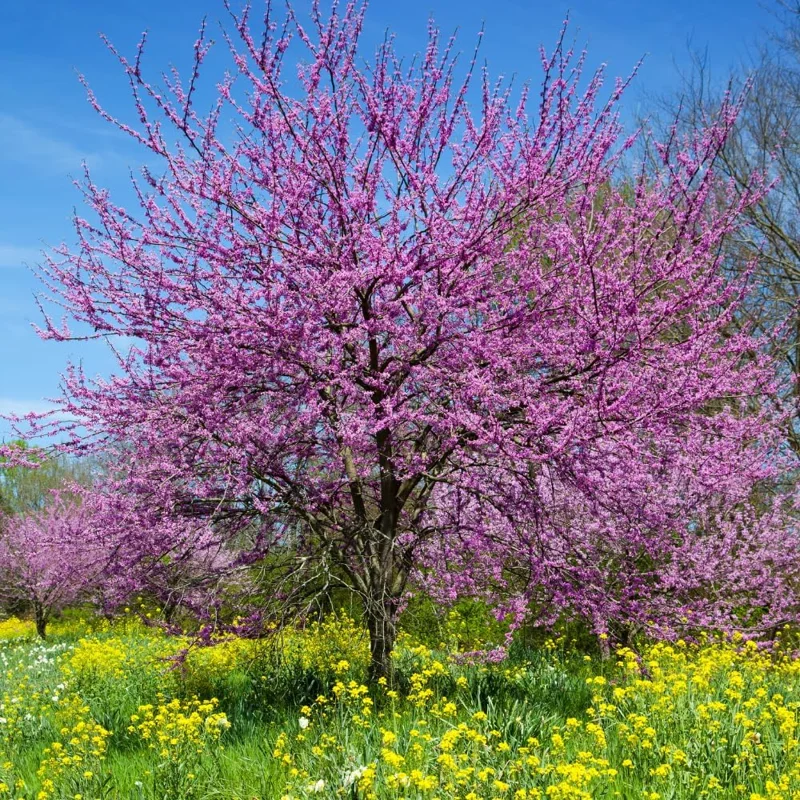
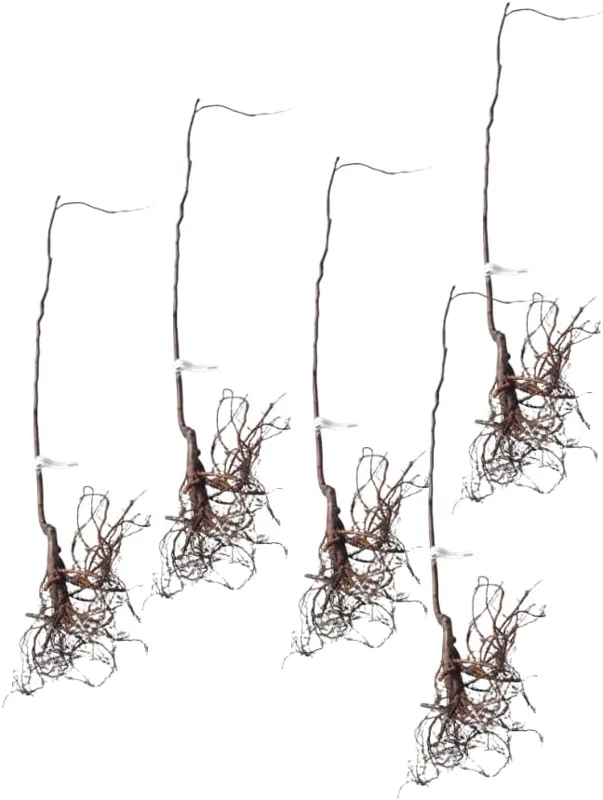
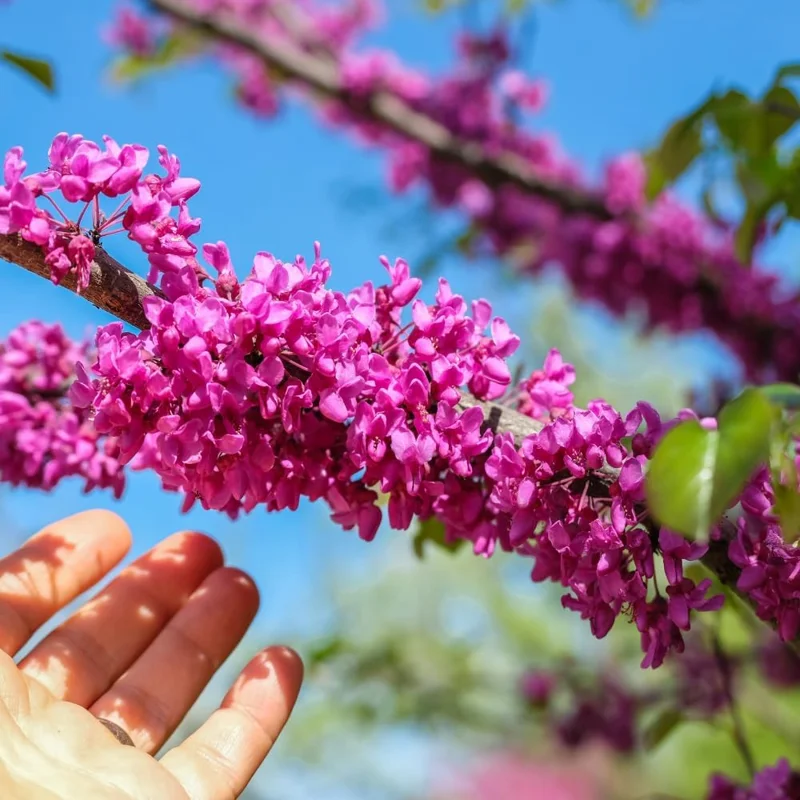
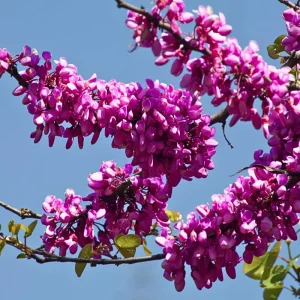
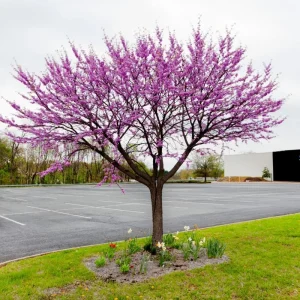
Transform your outdoor space with a collection of five thriving Redbud tree seedlings. These deciduous trees are celebrated for their breathtaking display of vibrant pink to lavender flowers that emerge in early spring, often before the leaves even unfurl. Each seedling stands approximately 1-2 feet tall, offering a fantastic starting point for establishing beautiful, mature trees in your yard, garden, or along borders. The Redbud, scientifically known as Cercis canadensis, is a beloved native tree across much of North America, cherished for its ornamental beauty and resilience. Planting these Redbud tree seedlings allows you to enjoy the full lifecycle of this captivating plant, from its delicate spring blossoms to its heart-shaped leaves that provide shade and beauty throughout the warmer months. These live redbud trees are an excellent choice for adding vertical interest and a splash of early season color.
Key Benefits
Investing in these live redbud trees offers a multitude of benefits for your landscape and local ecosystem. Their striking appearance and hardiness make them a top choice for gardeners seeking both beauty and ease of care. Enjoy the following advantages:
- Spectacular Spring Display: Witness an explosion of beautiful pink to lavender flowers in early spring, creating a stunning visual impact before most other plants have even begun to bud. This makes the pink redbud blooms a highly anticipated event each year.
- Drought Tolerance: Once established, these trees are notably drought tolerant redbud varieties, requiring less frequent watering and making them a sustainable choice for various climates.
- Adaptable & Hardy: Thriving in USDA Hardiness Zones 4-9, these Redbud tree seedlings are adaptable to a wide range of growing conditions and climates, ensuring successful growth in many regions.
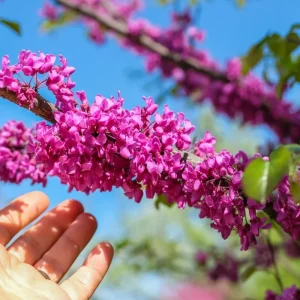
- Attracts Pollinators: The early spring flowers provide a vital nectar source for bees and other pollinators, contributing to the health of your local ecosystem.
- Low Maintenance: Redbud trees are generally easy to care for, requiring minimal pruning and attention once established, making them ideal for both novice and experienced gardeners.
- Compact Size: While they can grow into substantial trees, their mature size typically remains manageable, making them suitable for smaller yards or as understory trees.
- Year-Round Interest: Beyond their spring blossoms, the heart-shaped leaves provide attractive foliage through summer, turning yellow in the fall for added seasonal appeal, cementing their status as an ornamental redbud.
Plant Care & Growing Tips
Caring for your Redbud tree seedlings is relatively straightforward, ensuring they grow into robust and beautiful specimens. These trees prefer a location that receives full sun to partial shade. Full sun (at least 6 hours of direct sunlight per day) will encourage the most abundant flowering, but partial shade can also be tolerated, especially in hotter climates where it can protect the foliage from scorching. When it comes to watering, Redbuds prefer moist, well-drained soil. Avoid overly soggy conditions, which can lead to root rot. During the first year after planting, water regularly to help the tree establish a strong root system. Once established, they are quite drought-tolerant, as mentioned, but will benefit from watering during prolonged dry spells.
The ideal soil for your live redbud trees is a well-draining loam, but they are adaptable to a variety of soil types, including clay and sandy soils, as long as drainage is adequate. A slightly acidic to neutral pH (6.0-7.0) is preferred. Fertilization is not always necessary, especially if your soil is rich. However, if growth seems slow, a balanced, slow-release fertilizer can be applied in early spring before new growth appears. Pruning is best done after the spring flowering to remove any dead, damaged, or crossing branches, and to shape the tree as desired. These ornamental redbud trees are generally hardy and resistant to most pests and diseases, making them a low-fuss addition to your garden. Ensure good air circulation and avoid overwatering to prevent common fungal issues.
Size & Details
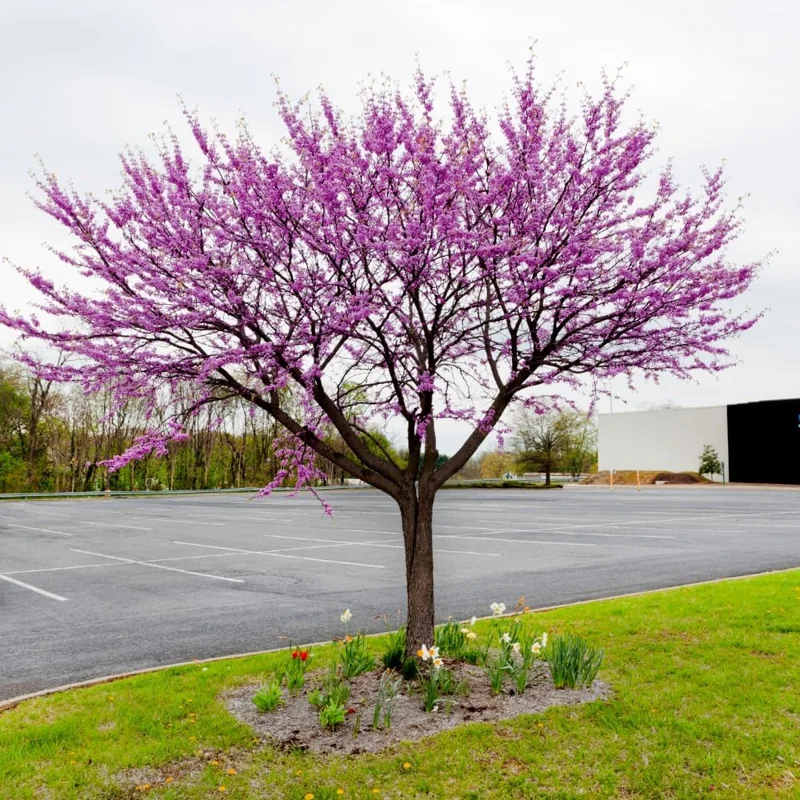
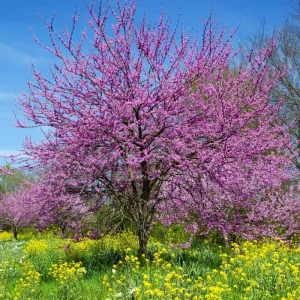
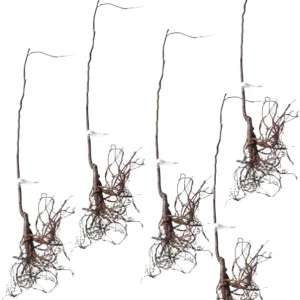
This offering includes five individual Redbud tree seedlings, each standing approximately 1-2 feet tall at the time of shipment. These seedlings are typically shipped as bare root plants or in small nursery pots, ready for immediate planting upon arrival. The Redbud tree is known for its moderate growth rate, usually adding about 13-24 inches of height per year. At maturity, these trees can reach heights of 20-30 feet with a spread of 25-35 feet, forming a beautiful, rounded canopy. The early spring pink redbud blooms are a highlight, followed by the appearance of attractive, heart-shaped green leaves that turn yellow in the fall. These trees are excellent for creating a focal point, planting in groups, or adding to mixed borders. Expect the first significant blooms to appear within a few years of planting, as the trees mature.
Frequently Asked Questions
- Q: How big do these Redbud tree seedlings get? A: These Redbud tree seedlings are 1-2 feet tall upon arrival. At maturity, they typically reach heights of 20-30 feet with a similar spread, creating a beautiful, rounded canopy.
- Q: Is this an indoor or outdoor plant? A: The Redbud tree is an outdoor plant, best suited for planting in your garden, yard, or as part of a landscaping project. It is not suitable for long-term indoor growth.
- Q: How much sunlight do these live redbud trees need? A: Redbud trees thrive in full sun to partial shade. For the most abundant pink redbud blooms, aim for at least 6 hours of direct sunlight per day.
- Q: When is the best time to plant Redbud tree seedlings? A: The best time to plant Redbud tree seedlings is in the spring or fall when the weather is mild, allowing the roots to establish before extreme temperatures.
- Q: Are these ornamental redbud trees drought tolerant? A: Yes, once established, Redbud trees are quite drought tolerant redbud varieties, making them a good choice for water-wise landscaping. However, regular watering is crucial during the first year.
- Q: What condition will the seedlings arrive in? A: Your Redbud tree seedlings will arrive carefully packaged, either bare root or in small nursery pots, ready for planting to ensure their health and vitality.
- Q: What USDA Hardiness Zones are suitable for these trees? A: These Redbud trees are hardy and suitable for planting in USDA Hardiness Zones 4 through 9, covering a wide range of climates across the United States.
- Q: How long until I see pink redbud blooms? A: You can typically expect to see the first significant pink redbud blooms within 2-4 years after planting, depending on growing conditions and care.
- Q: What type of soil do these live redbud trees prefer? A: Redbud trees prefer moist, well-draining soil, but they are adaptable to various soil types including clay and sandy soils, as long as drainage is adequate.
- Q: Do these trees attract wildlife? A: Yes, the early spring flowers provide an important nectar source for bees and other pollinators, contributing to local biodiversity.


Reviews
There are no reviews yet.