Overview
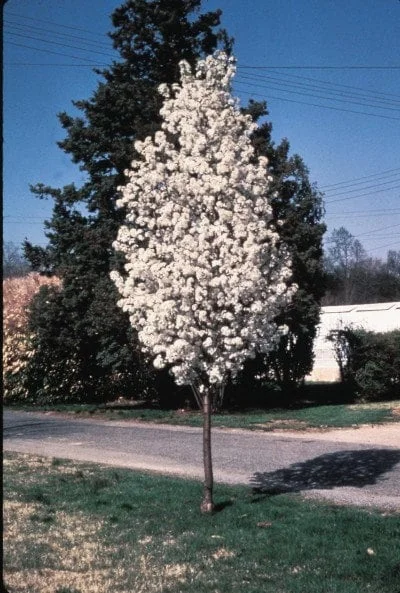
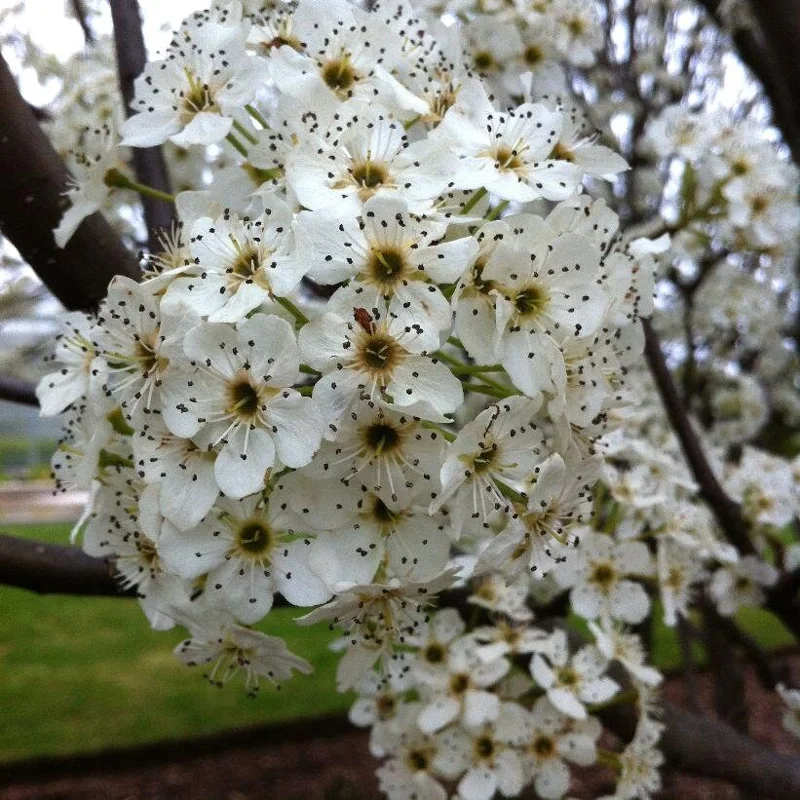
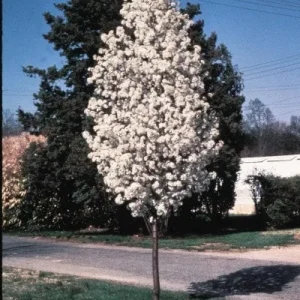
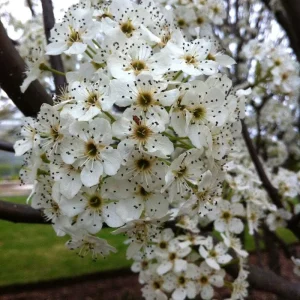
Introduce a touch of seasonal splendor to your landscape with the magnificent Redspire Callery Pear tree. This stunning ornamental tree, scientifically known as Pyrus calleryana Redspire, is a popular choice for its remarkable aesthetic qualities and adaptability. In spring, it transforms into a breathtaking display of large, pristine white flowers, borne in dense clusters that blanket the branches. Beyond its floral show, the Redspire Callery Pear tree offers glossy, leathery green foliage that provides a lush backdrop throughout the growing season, often developing attractive fall colors. This grafted tree is delivered at a height of 2 to 3 feet, ready to establish itself and begin its journey as a prominent feature in your garden or streetscape. Its robust nature makes it an ideal urban tolerant tree, capable of thriving in challenging conditions where other trees might struggle.
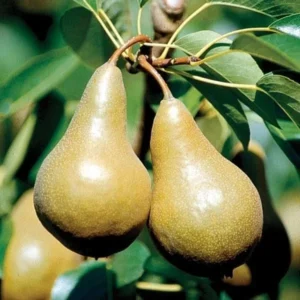
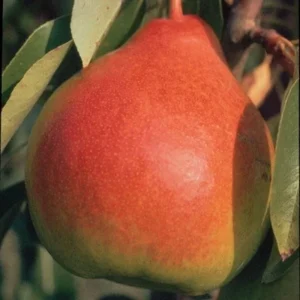
The ‘Redspire’ cultivar is particularly valued for its upright, pyramidal growth habit, which makes it suitable for various landscape designs, from formal avenues to more naturalistic settings. Its ability to withstand atmospheric pollution and urban growing conditions solidifies its reputation as a resilient and beautiful choice. The small, yellowish-green fruit produced is mostly ornamental and provides a food source for birds. Whether you’re looking to create a stunning focal point, line a driveway, or add dependable seasonal interest, the Redspire Callery Pear tree stands out as a versatile and rewarding investment for any outdoor space.
Key Benefits
The Redspire Callery Pear tree offers a multitude of benefits, making it a highly desirable addition to any garden or urban environment. Its resilience and striking appearance contribute significantly to its appeal and value:
- Spectacular Spring Blooms: Experience an unparalleled spring spectacle with masses of large, pure white flowers appearing in profusion. These showy blooms create a dramatic visual impact, signaling the arrival of warmer weather and attracting pollinators.
- Exceptional Urban Tolerance: This urban tolerant tree is renowned for its ability to thrive in challenging city environments. It tolerates atmospheric pollution, compacted soils, and limited space, making it a perfect choice for street plantings and urban gardens.
- Attractive Foliage: Throughout the growing season, the tree boasts handsome, glossy, and leathery green leaves. This vibrant foliage provides consistent visual interest and a dense canopy for shade, often turning to shades of red and purple in the fall for an added seasonal bonus.
- Strong, Upright Form: The ‘Redspire’ cultivar develops a naturally strong, upright, and pyramidal shape, requiring minimal pruning to maintain its elegant form. This makes it an excellent choice for formal landscapes or as a stately specimen tree.
- Low Maintenance: Once established, the Pyrus calleryana Redspire is relatively low-maintenance, requiring standard care to flourish. Its hardiness contributes to its ease of growth for gardeners of all experience levels.
- Wildlife Attraction: While the yellowish-green fruit is not typically consumed by humans, it provides a valuable food source for various bird species in the late fall and early winter, enhancing local biodiversity.
- Year-Round Interest: From its dazzling spring flowers to its glossy summer leaves and potential fall color, this ornamental pear tree offers continuous visual appeal across multiple seasons.
Plant Care & Growing Tips
Caring for your Redspire Callery Pear tree is straightforward, especially given its robust and adaptable nature. To ensure optimal growth and a spectacular display, understanding its basic needs is key. This tree thrives in full sun, meaning it requires at least 6 hours of direct sunlight per day to produce the most abundant blooms and healthy foliage. While it can tolerate some partial shade, flowering may be less prolific. When planting, choose a location with well-draining soil, as waterlogged conditions can be detrimental to its root system. It is adaptable to a range of soil types, including clay, loam, and sand, but prefers a slightly acidic to neutral pH.
Regular watering is crucial during the tree’s establishment period, typically the first year after planting. Water deeply and consistently, ensuring the soil remains moist but not saturated. Once established, the Redspire Callery Pear tree becomes quite drought-tolerant, though supplemental watering during prolonged dry spells will benefit its overall health and vigor. Fertilize in early spring with a balanced, slow-release granular fertilizer formulated for trees and shrubs. Follow the product instructions for application rates. Pruning should be done in late winter or early spring before new growth begins, primarily to remove any dead, damaged, or crossing branches and to maintain its desired shape. This helps to promote a strong structure and healthy air circulation within the canopy. Watch out for common pear tree issues like fire blight, and address them promptly with appropriate treatments. Providing good air circulation and avoiding overhead watering can help prevent fungal diseases for your flowering pear tree.
Size & Details
This offering is for a live Redspire Callery Pear tree, a grafted tree that stands approximately 2 to 3 feet tall upon shipment. Grafting ensures that the tree will exhibit the desirable characteristics of the ‘Redspire’ cultivar, including its strong growth habit and abundant flowering. The tree is shipped in a nursery pot, with its root ball intact, providing a healthy start for planting in your garden. The mature size of a Pyrus calleryana Redspire typically reaches 30 to 40 feet in height with a spread of 15 to 20 feet, forming a distinctive pyramidal to oval shape. Its growth rate is considered medium to fast, meaning you can expect noticeable development within a few years of planting. With proper care, this ornamental pear tree will quickly establish itself and begin to contribute significantly to your landscape’s beauty.
Frequently Asked Questions
- Q: How big does this Redspire Callery Pear tree get at maturity? A: At maturity, a Redspire Callery Pear tree typically reaches a height of 30 to 40 feet with a spread of 15 to 20 feet, forming an attractive pyramidal shape.
- Q: What size pot does it come in? A: This grafted tree is shipped in a 3-gallon nursery pot, ensuring the root system is well-protected and ready for transplanting into your garden.
- Q: Is this an indoor or outdoor plant? A: The Redspire Callery Pear tree is an outdoor plant, best suited for landscape planting where it can receive full sun and develop to its mature size. It is not suitable for indoor cultivation.
- Q: How much sunlight does the Pyrus calleryana Redspire need? A: This tree thrives in full sun, requiring at least 6 hours of direct sunlight per day for optimal growth, flowering, and fall color development.
- Q: Is this plant easy to care for? A: Yes, the Redspire Callery Pear tree is considered relatively easy to care for once established. It is adaptable to various soil types and urban conditions, making it a good choice for many gardeners.
- Q: What condition will it arrive in? A: Your flowering pear tree will arrive as a healthy, live grafted plant, approximately 2 to 3 feet tall, with its root system intact within the nursery pot, ready for planting.
- Q: When is the best time to plant this ornamental pear tree? A: The best time to plant the Redspire Callery Pear tree is in the spring or fall when temperatures are moderate. This allows the tree to establish its root system before extreme heat or cold.
- Q: Will it survive winter in my zone? A: The Redspire Callery Pear tree is hardy in USDA zones 4-8, meaning it can tolerate winter conditions in a wide range of climates across the United States.
- Q: Does this tree produce edible fruit? A: The Redspire Callery Pear tree produces small, yellowish-green fruit that is generally considered ornamental and not typically consumed by humans. It serves as a food source for birds.
- Q: Is the urban tolerant tree resistant to pests or diseases? A: While generally robust, like all trees, it can be susceptible to certain pests and diseases, most notably fire blight. Regular inspection and good cultural practices can help manage these issues.


Reviews
There are no reviews yet.