Overview
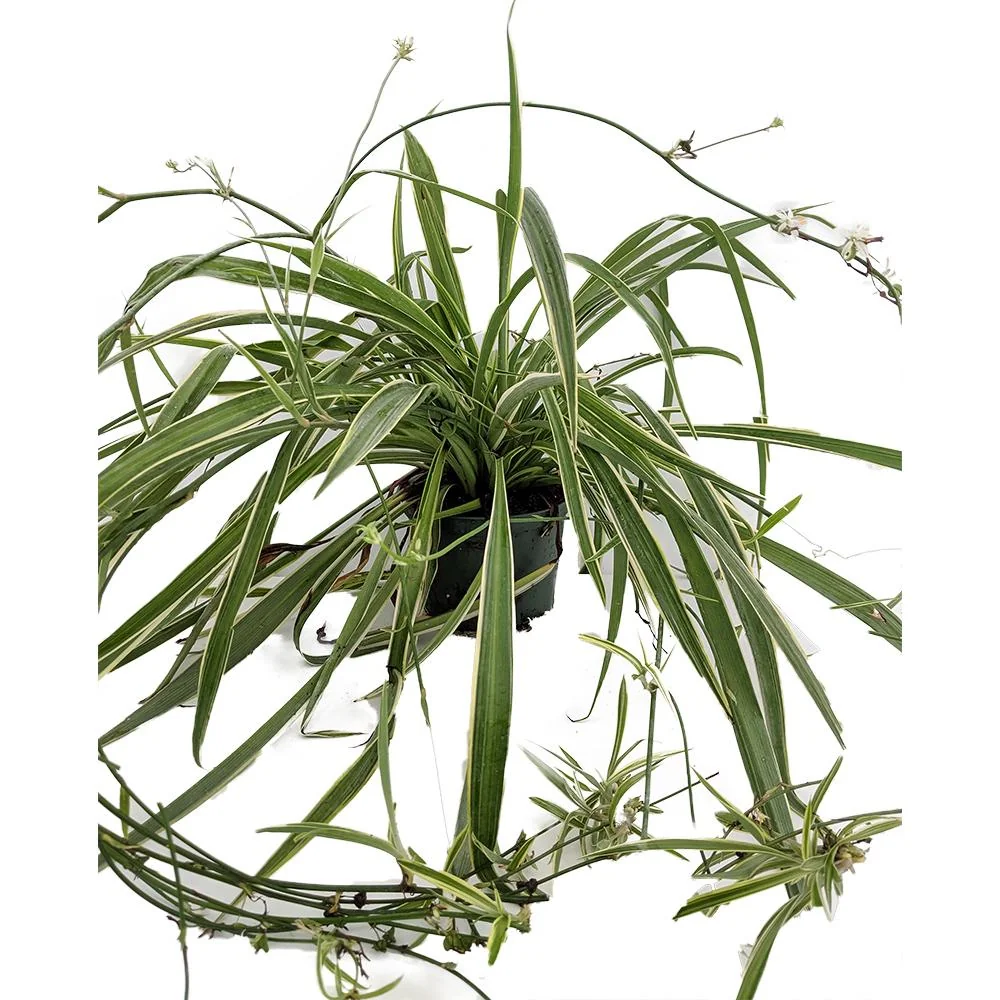
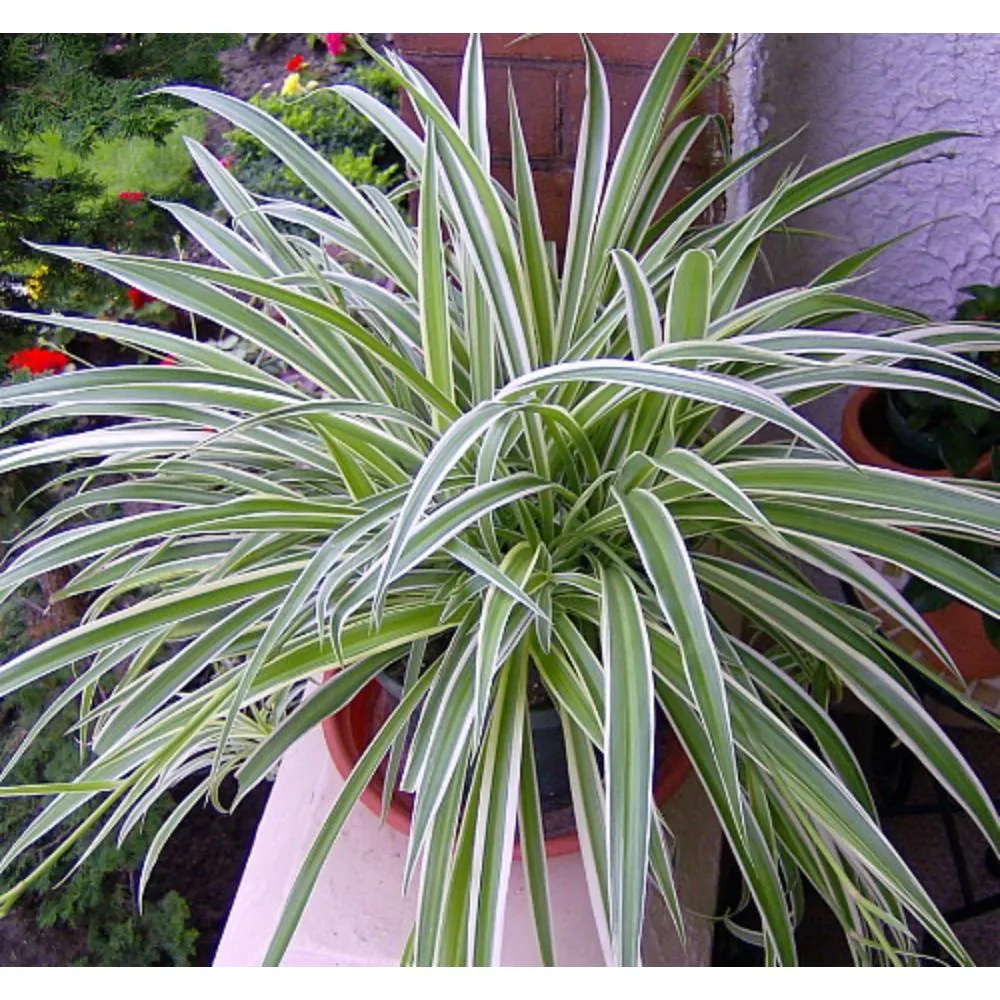
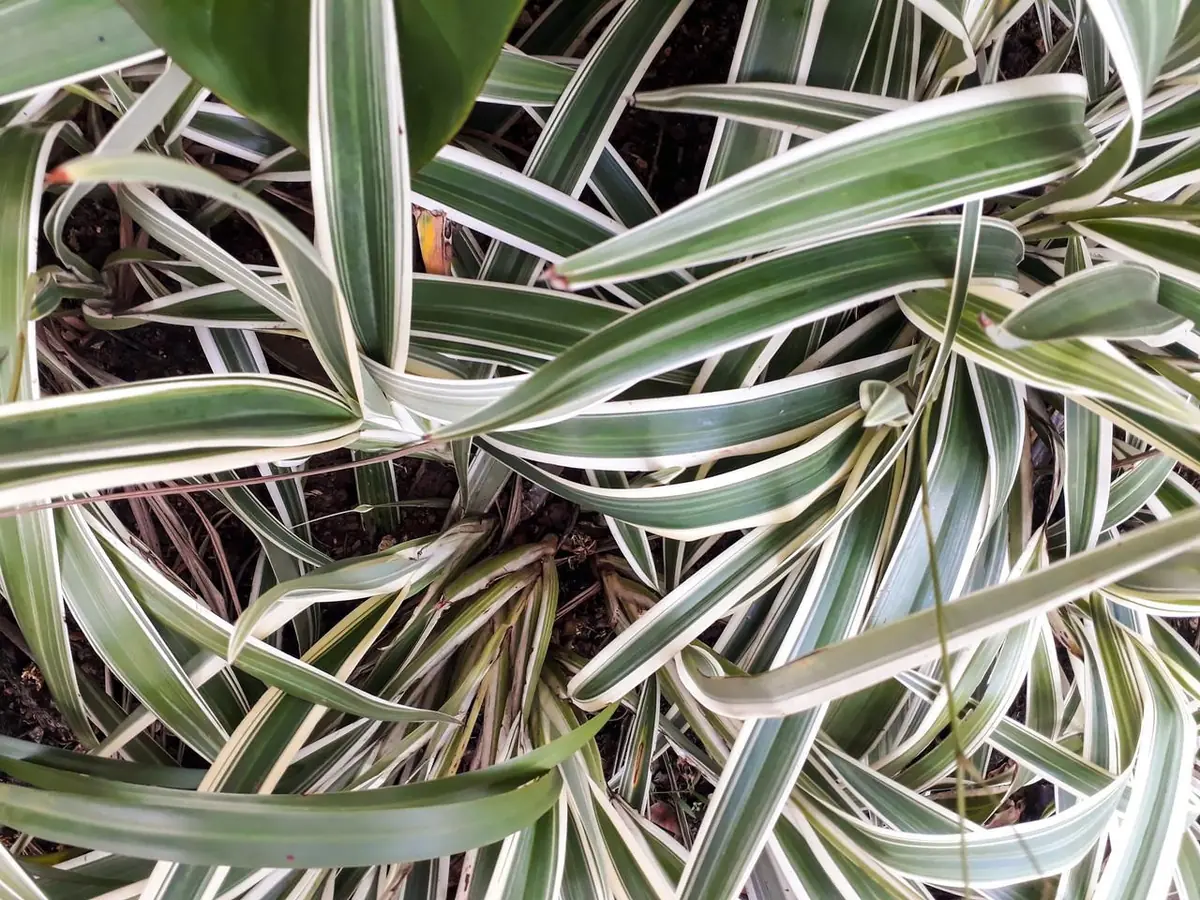
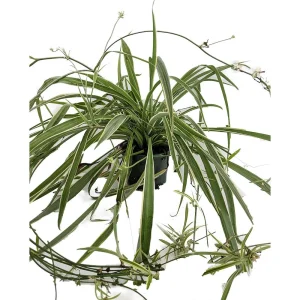
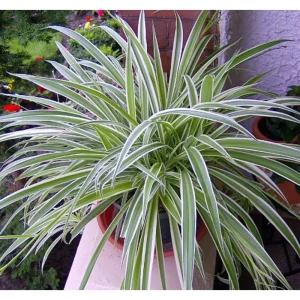
Introduce natural beauty and improved air quality into your home or office with the stunning reverse variegated spider plant. This popular and resilient live plant, also known by its scientific name Chlorophytum comosum ‘Reverse Variegatum’, is celebrated for its distinctive foliage and remarkable air-purifying capabilities. Unlike the more common variegated spider plant, this reverse variety showcases lush green centers bordered by elegant white margins, creating a captivating visual contrast. Often referred to simply as a spider plant, it is a fantastic choice for both novice and experienced plant parents due to its low-maintenance nature and ability to adapt to various indoor conditions. Thriving in a 3.5-inch nursery pot, this young plant is ready to grow and flourish in your chosen space, adding a touch of vibrant greenery.
The reverse variegated spider plant is more than just an ornamental addition; it’s a living air filter. Its resilience and striking appearance make it a staple in indoor gardening. Whether placed on a desk, shelf, or hanging basket, its arching leaves will gracefully cascade, creating a lush, inviting atmosphere. This particular variety offers a fresh aesthetic with its unique variegation pattern, ensuring it stands out among your plant collection. Embrace the charm and practical advantages of this exceptional houseplant.
Key Benefits
The reverse variegated spider plant offers a multitude of benefits, making it an excellent choice for any indoor environment. Its easy-care nature combined with significant health advantages ensures it’s a valuable addition to your home or office.
- Exceptional Air Purification: NASA studies have shown that spider plants are highly effective at removing harmful toxins from the air, including formaldehyde, xylene, and carbon monoxide. This makes it an ideal choice for improving indoor air quality and creating a healthier living space.
- Low Maintenance & Easy Care: Known as an easy indoor plant, the spider plant is forgiving of occasional neglect and thrives with minimal attention. It’s perfect for beginners, busy individuals, or anyone looking for a beautiful plant without demanding care routines.
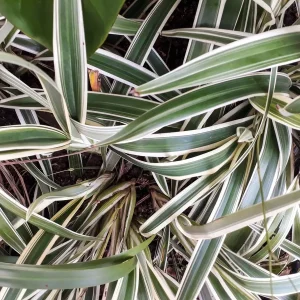
- Striking Variegated Foliage: The ‘Reverse Variegatum’ variety features vibrant green leaves with elegant white outer stripes, providing a unique and attractive aesthetic that can brighten any room. Its arching leaves add a dynamic touch to your decor.
- Pet-Friendly Plant: This plant is non-toxic to cats and dogs, making it a safe choice for households with pets. You can enjoy its beauty and benefits without worrying about your furry friends.
- Promotes Well-being: Having plants like the reverse variegated spider plant indoors can reduce stress, boost mood, and increase productivity. Its presence creates a calming and refreshing atmosphere.
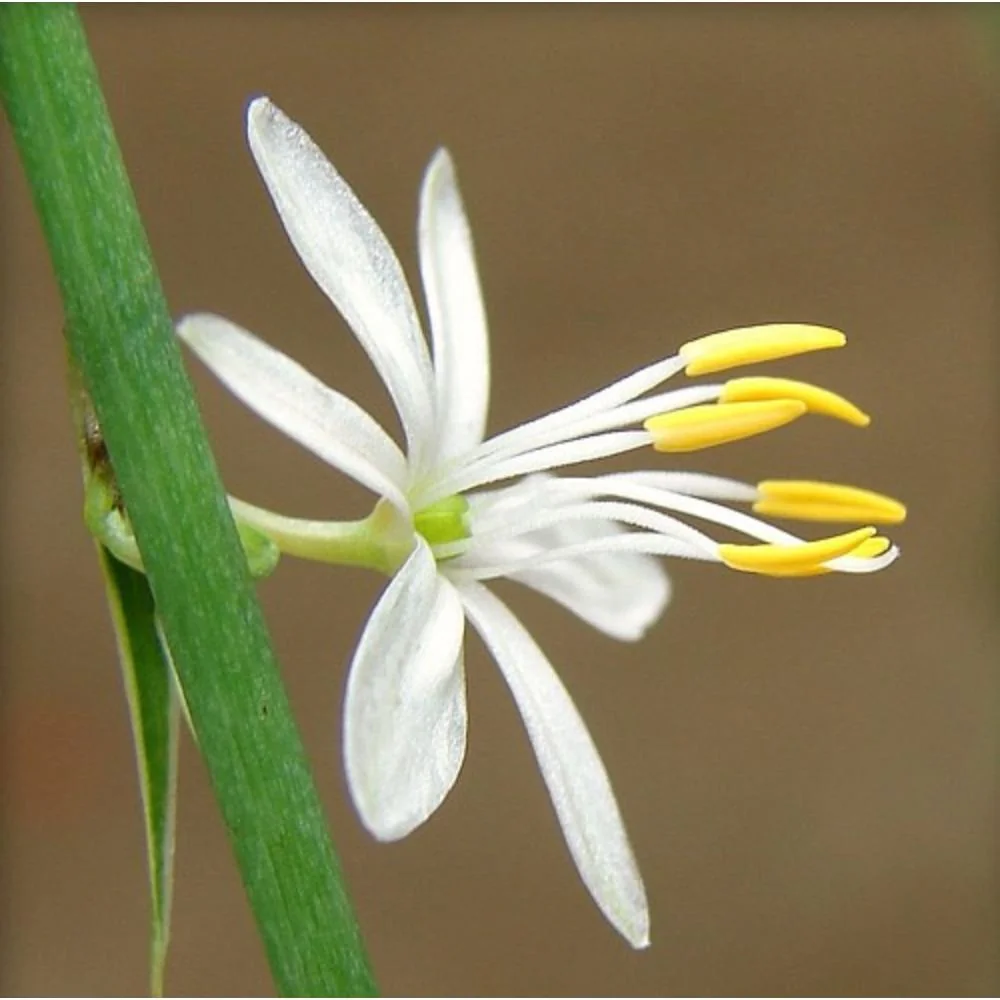
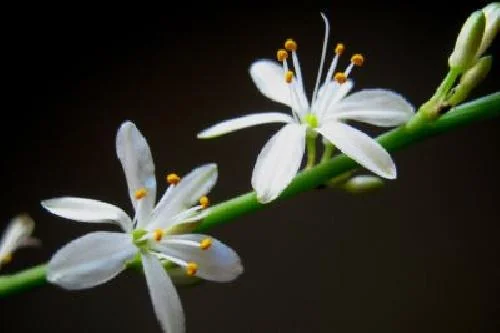
- Easy to Propagate: Spider plants famously produce ‘spiderettes’ or plantlets, which can be easily rooted to create new plants. This allows you to expand your collection or share with friends and family.
- Adaptable to Various Light Conditions: While it prefers bright, indirect light, this plant can tolerate lower light conditions, making it versatile for different spots within your home or office.
Plant Care & Growing Tips
Caring for your reverse variegated spider plant is straightforward, making it a joy to grow. Providing the right conditions will ensure vibrant foliage and robust growth, allowing you to fully enjoy its aesthetic and air-purifying qualities. Understanding proper spider plant care is key to its success as an easy indoor plant.
Sunlight Requirements
The reverse variegated spider plant thrives in bright, indirect light. Place it near a window where it receives plenty of ambient light but is shielded from direct, harsh sunlight, which can scorch its leaves and dull its variegation. An east or north-facing window is often ideal. While it can tolerate lower light conditions, this may result in less vigorous growth and less pronounced leaf colors. Rotate the plant occasionally to ensure even growth.
Watering Schedule and Soil Moisture
Water your spider plant thoroughly when the top inch or two of the soil feels dry to the touch. Allow excess water to drain completely from the bottom of the pot to prevent root rot. Overwatering is a common issue, so it’s better to slightly underwater than overwater. Reduce watering frequency in winter when the plant’s growth slows down. Using filtered water or rainwater is beneficial, as spider plants can be sensitive to fluoride and chlorine in tap water.
Soil Type and Drainage
A well-draining potting mix is crucial for the health of your reverse variegated spider plant. A standard all-purpose potting mix amended with perlite or coarse sand will provide the necessary drainage and aeration. Ensure the pot has drainage holes to prevent waterlogged soil, which can lead to root problems. Good drainage is a cornerstone of effective spider plant care.
Temperature Range and USDA Hardiness Zone
These plants prefer average room temperatures between 65-80°F (18-27°C). Avoid exposing them to temperatures below 50°F (10°C), as they are not frost-tolerant. As an indoor houseplant, it is typically grown outside of traditional USDA hardiness zones, but if grown outdoors in warm climates, it would thrive in USDA Zones 9-11.
Fertilization Schedule and Type
Fertilize your spider plant sparingly during the growing season (spring and summer) using a balanced liquid houseplant fertilizer diluted to half strength. Fertilizing once a month is usually sufficient. Avoid over-fertilizing, as this can lead to salt buildup in the soil and may hinder the production of new plantlets, which are one of the key spider plant benefits.
Common Problems and Solutions
Yellow or brown leaf tips are often a sign of overwatering, fluoride sensitivity, or low humidity. Try using distilled water and increasing humidity with a pebble tray or humidifier. Pests are generally not a major issue for spider plants, but occasional checks for spider mites or mealybugs are recommended. Wipe leaves with a damp cloth to remove dust and deter pests. Remove any yellow or dried leaves to maintain the plant’s tidy appearance and overall health, contributing to optimal spider plant care.
Size & Details
This offering is for one reverse variegated spider plant, carefully grown and shipped as a live plant in a 3.5-inch nursery pot. The plant’s measurements are approximate, but it typically arrives with several established leaves and a healthy root system, ready for acclimation to your home. Spider plants are known for their moderate growth rate, quickly filling out their pots and eventually producing cascading ‘spiderettes’ that can be propagated. Each plant is selected for its robust health and vibrant variegation, ensuring you receive a high-quality specimen. The mature size of a spider plant can vary, but generally, they can grow to be 12-18 inches tall and wide, with their plantlets extending even further.
The plant is shipped securely to minimize stress during transit. Upon arrival, it’s recommended to gently unpack your new air purifying houseplant and place it in its desired location, allowing it to recover from shipping before any major adjustments. While it comes in a nursery pot, you can repot it into a decorative container of your choice once it has settled, ensuring the new pot has adequate drainage. Expect this durable plant to provide long-lasting beauty and clean air for many years to come.
Frequently Asked Questions
- Q: How big does this reverse variegated spider plant get? A: This plant is shipped in a 3.5-inch pot. Mature spider plants can grow to be about 12-18 inches tall and wide, with their ‘spiderettes’ trailing further, creating a beautiful cascading effect.
- Q: Is this an indoor or outdoor plant? How much sunlight does it need? A: The reverse variegated spider plant is primarily an indoor houseplant. It thrives in bright, indirect sunlight. Direct sun can scorch its leaves, so a spot near an east or north-facing window is ideal.
- Q: Is this plant easy to care for? Is it good for beginners? A: Yes, spider plants are considered one of the easiest houseplants to care for, making them excellent for beginners. Their resilience and adaptability contribute to their reputation as an easy indoor plant.
- Q: What condition will my spider plant arrive in? Is it shipped in soil? A: Your plant will arrive as a healthy, live plant, securely packaged in its 3.5-inch nursery pot with soil. We take great care to ensure it reaches you in the best possible condition.
- Q: Are spider plant benefits real, like air purification? A: Yes, spider plants are well-known for their air-purifying qualities. They are effective at removing common indoor air toxins such as formaldehyde and carbon monoxide, as highlighted by NASA studies.
- Q: How often should I water my reverse variegated spider plant? A: Water when the top 1-2 inches of soil feel dry to the touch. It’s better to slightly underwater than overwater, as they are susceptible to root rot. Adjust frequency based on humidity and light conditions.
- Q: Is this plant pet-safe? A: Yes, the spider plant is generally considered non-toxic to cats and dogs, making it a safe choice for homes with pets.
- Q: Can I propagate new plants from my reverse variegated spider plant? A: Absolutely! Spider plants produce small plantlets, or ‘spiderettes,’ on long stems. These can be easily rooted in water or soil to create new plants, making propagation a simple and rewarding process.
- Q: What kind of soil is best for spider plant care? A: A well-draining potting mix is best. You can use a standard all-purpose potting mix and amend it with perlite for improved drainage and aeration.
- Q: Will this air purifying houseplant help with allergies? A: While spider plants do purify the air by removing toxins, their impact on allergies can vary by individual. By improving general air quality, they may contribute to a healthier environment, which can sometimes indirectly benefit allergy sufferers.


Reviews
There are no reviews yet.