Overview
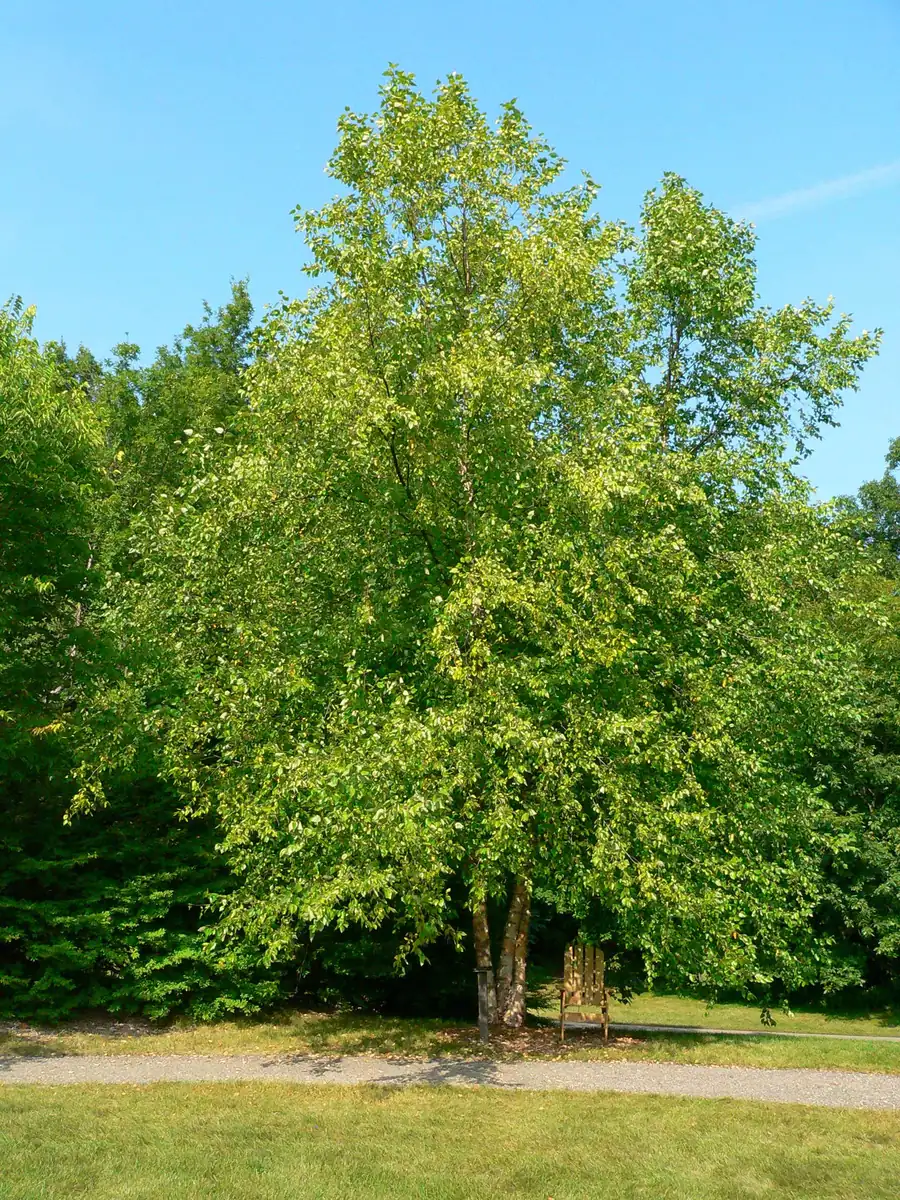
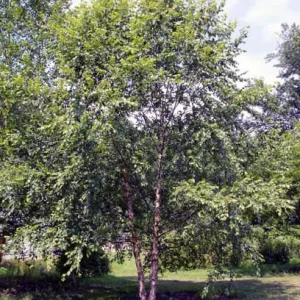
Transform your outdoor space with a bundle of 25 river birch bare-root trees. The River Birch (Betula nigra) is a highly sought-after deciduous tree, celebrated for its rapid growth, distinctive exfoliating bark, and remarkable resilience. These young trees are provided in a bare-root format, which means they are dormant and ready for planting, allowing for easy establishment and vigorous growth. Ideal for creating naturalized areas, providing shade, or adding aesthetic appeal with their unique peeling bark, the River Birch is a versatile choice for many landscapes. This species is particularly valued for its ability to thrive in a wide range of conditions, making it a reliable addition to gardens across various climates.
The River Birch is renowned for its adaptability, performing well in both wet and dry planting sites. Its elegant form and striking bark, which peels back to reveal shades of salmon, cream, and brown, ensure it stands out in any season. Beyond its ornamental value, this tree offers practical benefits such as resistance to common diseases and a strong ability to withstand challenging weather conditions like wind and ice. Planting a river birch bare-root tree bundle offers an economical and effective way to establish a beautiful, long-lasting landscape feature that will provide enjoyment for years to come.
Key Benefits
Choosing the River Birch for your landscape offers a multitude of advantages that go beyond its striking appearance. This tree is a powerhouse of resilience and beauty, providing significant value to any garden or property. The river birch bare-root tree is an excellent investment for both novice and experienced gardeners.
- Rapid Growth & Shade: The River Birch is an incredibly fast growing shade tree, often adding 2 to 3 feet in height each year. This quick establishment means you’ll enjoy its cooling canopy and mature presence sooner, making it perfect for new landscapes or areas needing quick coverage.
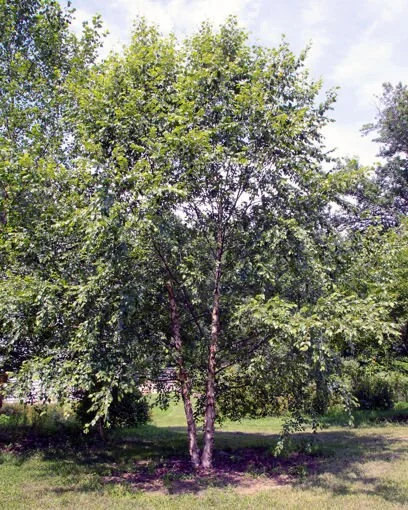
- Distinctive Peeling Bark: One of the most captivating features of the River Birch is its unique exfoliating bark. As the tree matures, the bark peels away in papery layers, revealing beautiful shades of salmon, cream, and cinnamon, providing year-round visual interest, especially striking in winter.
- Disease Resistance: Unlike many other birch varieties, the River Birch is naturally resistant to common diseases that often plague other trees, such as the bronze birch borer. This inherent toughness reduces the need for extensive care and chemical treatments, ensuring a healthier tree.
- Adaptable to Diverse Soils: This tree is highly adaptable, thriving in a variety of soil types, from wet, boggy conditions to moderately dry sites. This makes it a forgiving choice for areas where soil conditions might be less than ideal, showcasing its resilience.
- Tolerates Environmental Stress: The River Birch is known for its ability to withstand modest drought, mild floods, strong winds, and even ice. This makes it a robust option for areas prone to unpredictable weather, ensuring its survival and beauty through various seasons.
- Low Maintenance: Given its natural resistance to pests and diseases and its adaptability, the heritage river birch requires minimal intervention once established. This makes it an ideal choice for gardeners seeking a beautiful tree without demanding constant attention.
- Wildlife Habitat: Beyond its beauty, the River Birch provides environmental benefits by offering shelter and food sources for various wildlife, contributing to the biodiversity of your garden.
Plant Care & Growing Tips
Successfully growing a river birch bare-root tree begins with proper planting and understanding its specific needs. The River Birch is generally low-maintenance, but providing optimal conditions during establishment will ensure a robust and beautiful tree. These trees thrive across a broad range of USDA hardiness zones, making them suitable for many climates.
Sunlight Requirements: River Birches perform best in full sun to partial shade. They prefer at least 6 hours of direct sunlight per day to achieve their fastest growth and most vibrant bark coloration. While they can tolerate some shade, too much can lead to slower growth and less dense foliage. Watering Schedule & Soil Moisture: These trees prefer consistently moist soil, especially during their establishment period. Water deeply and regularly, ensuring the soil remains damp but not waterlogged. Once established, they can tolerate periods of moderate drought, but consistent moisture will promote optimal health and growth. Soil Type & Drainage: The River Birch is highly adaptable to various soil types, including clay, loam, and sandy soils. It thrives in acidic to slightly alkaline conditions. Good drainage is important, though it can tolerate periods of wet feet, making it suitable for riparian zones or areas with poor drainage.
Temperature Range & USDA Hardiness Zone: The River Birch is hardy in USDA Zones 4-9, making it a versatile choice for a wide range of climates. It can withstand cold winters and hot summers. Fertilization Schedule & Type: For newly planted bare-root trees, it’s generally best to avoid heavy fertilization in the first year. Once established, a balanced, slow-release granular fertilizer applied in early spring can support healthy growth. Follow product instructions for application rates. Common Problems & Solutions: The river birch bare-root tree is notably disease resistant trees. While generally robust, watch for common issues like aphids or leaf spot, which are usually minor. Ensure good air circulation and proper watering to prevent fungal issues. Addressing these proactively will maintain the health of your heritage river birch.
Size & Details
This offering includes a bundle of 25 river birch bare-root tree saplings, carefully prepared for planting. Each bare-root tree is a young, dormant specimen, typically ranging from 1 to 3 feet in height upon arrival, depending on the specific batch and natural growth variations. These trees are designed for optimal transplant success, with a well-developed root system that will quickly establish once planted.
When mature, a River Birch can reach an impressive height of 40 to 70 feet with a spread of 30 to 50 feet, forming a broad, rounded canopy that provides ample shade. The growth rate is considered fast, often adding 2 to 3 feet per year under ideal conditions. Bare-root plants are shipped without soil around their roots, minimizing shipping costs and stress during transit. They are ready to be planted directly into your prepared garden beds or larger containers upon arrival. Expect these trees to begin leafing out and showing significant growth in their first full growing season after planting.
Frequently Asked Questions
- Q: How big do these river birch bare-root trees get? A: A: When mature, the river birch bare-root tree can reach heights of 40 to 70 feet with a spread of 30 to 50 feet, creating a substantial shade tree for your landscape. They are a truly impressive sight.
- Q: What condition will the bare-root trees arrive in? A: The 25 river birch bare-root trees will arrive dormant, without soil around their roots, carefully packaged to ensure their health during transit. They are ready for immediate planting upon arrival.
- Q: Is the River Birch an indoor or outdoor plant? A: The River Birch is an outdoor tree, best suited for landscaping in yards, parks, or naturalized areas where it has ample space to grow and thrive. It is not suitable for indoor cultivation.
- Q: How much sunlight does a River Birch need? A: For optimal growth and health, the heritage river birch prefers full sun to partial shade, meaning it needs at least 6 hours of direct sunlight per day. Adequate sunlight also enhances its distinctive bark coloration.
- Q: Is this tree easy to care for? A: Yes, the River Birch is considered relatively easy to care for, especially once established. It’s known for being a disease resistant tree and adaptable to various conditions, making it a good choice for many gardeners.
- Q: When is the best time to plant bare-root river birch trees? A: The best time to plant river birch bare-root trees is in early spring, after the last hard frost but before the heat of summer. This allows the roots to establish before the growing season fully kicks in.
- Q: Will the River Birch survive winter in my zone? A: The River Birch is hardy in USDA Zones 4-9, making it well-suited to survive cold winters in a wide range of climates across the United States. It’s a very robust and resilient tree.
- Q: What makes this a fast growing shade tree? A: The River Birch is known for its vigorous growth habit, often adding 2 to 3 feet of height per year under good conditions. This rapid growth allows it to quickly establish and provide shade.
- Q: What kind of soil does the River Birch prefer? A: This tree is highly adaptable and can grow in various soil types, from clay to sandy soil, and it tolerates both wet and moderately dry conditions. It prefers slightly acidic to neutral soil.
- Q: Can the River Birch withstand strong winds and ice? A: Yes, the heritage river birch is remarkably resilient and known for its ability to resist strong winds, ice, and other damaging elements, making it a durable choice for many landscapes.


Reviews
There are no reviews yet.