Overview
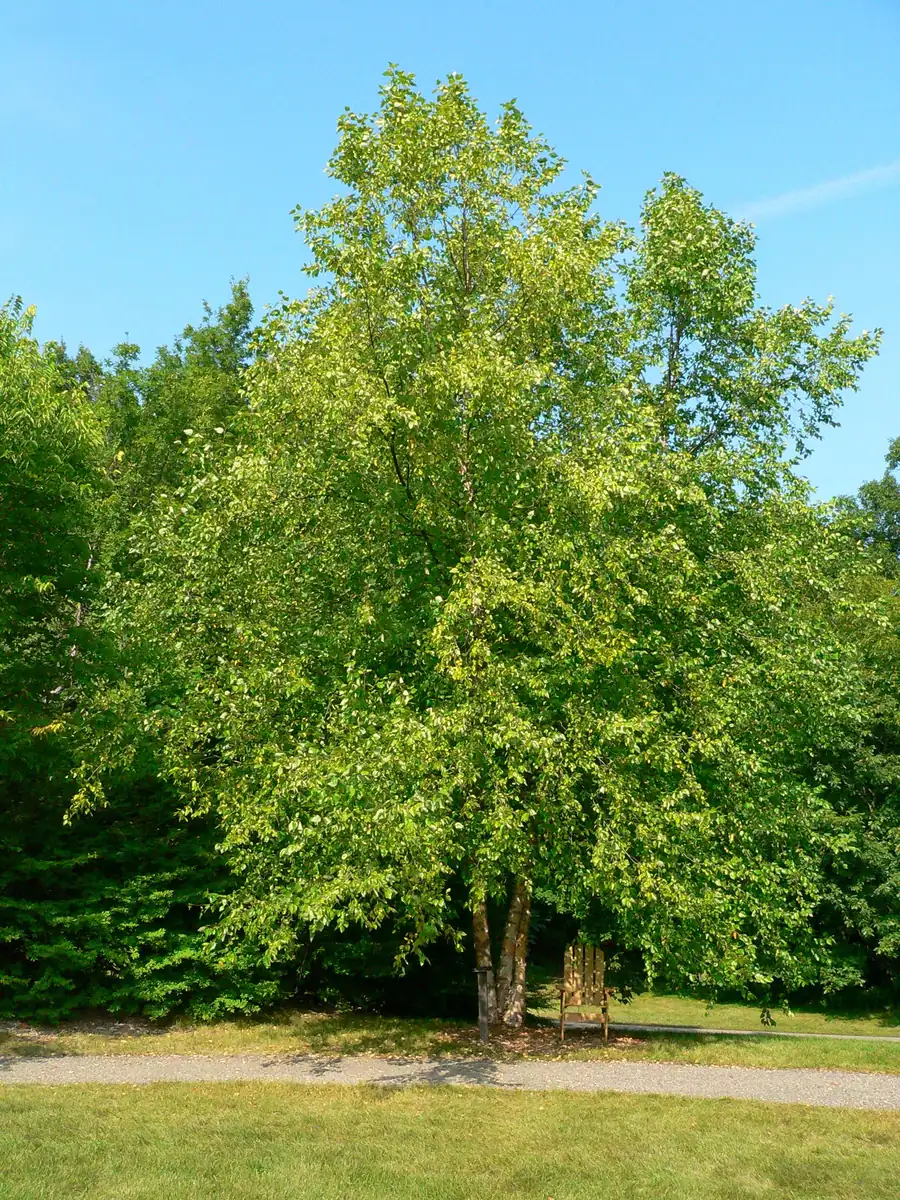
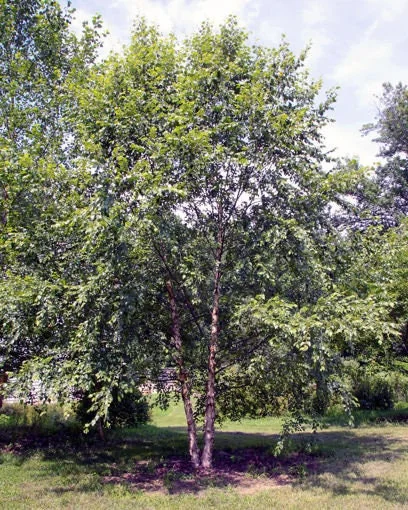
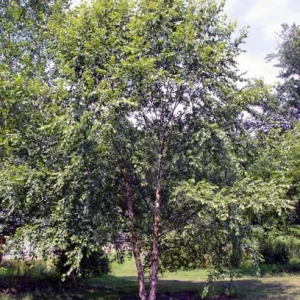
Introduce a touch of natural elegance to your outdoor space with the river birch bare-root tree. This offering includes three bare-root plants of Betula nigra, commonly known as River Birch or Water Birch. Renowned for its stunning, exfoliating bark that peels in cinnamon, salmon, and brown tones, the river birch bare-root tree provides year-round visual interest. As a native North American species, it thrives in a wide range of environments, adapting well to both wet and dry conditions once established. These fast-growing trees can add 2 to 3 feet of height annually, quickly establishing themselves as a prominent feature in your garden or yard. The River Birch is not only beautiful but also remarkably resilient, making it a popular choice for homeowners seeking a low-maintenance yet impactful landscape addition. This betula nigra live plant is a fantastic way to create a natural, shaded retreat in your yard, offering both aesthetic appeal and practical benefits.
Key Benefits
The river birch bare-root tree offers numerous advantages for any landscape. Its unique characteristics make it a standout choice for gardeners seeking both beauty and resilience:
- Distinctive Peeling Bark: One of the most recognizable features of the River Birch is its exfoliating bark, which peels away to reveal attractive shades of cream, pink, and brown. This provides year-round visual interest, especially striking in winter landscapes.
- Rapid Growth Rate: These trees are known for their vigorous growth, often adding 2 to 3 feet in height each year. This allows for quick establishment and provides shade benefits sooner than many other tree species.
- High Adaptability: The betula nigra live plant is incredibly versatile, tolerating a wide range of soil conditions, from wet, boggy areas to moderately dry sites. This makes it suitable for diverse planting locations across many climates.
- Disease Resistance: Unlike some other birch species, the River Birch shows strong resistance to common birch diseases, including the bronze birch borer, ensuring a healthier and longer-lasting tree. This contributes to easier river birch care.
- Excellent Shade Provider: With its broad canopy and relatively rapid growth, the River Birch quickly develops into an effective shade tree, perfect for cooling your home or creating comfortable outdoor living spaces. It’s an ideal shade tree for garden.
- Erosion Control: Due to its adaptability to wet conditions, the River Birch is often used in riparian zones and areas prone to erosion, helping to stabilize soil along stream banks and ponds.
- Wildlife Habitat: The tree provides food and shelter for various wildlife, including birds and small mammals, contributing to biodiversity in your garden.
Plant Care & Growing Tips
Proper river birch care ensures a healthy and thriving tree. The River Birch (Betula nigra) is a relatively low-maintenance tree once established, but a good start is crucial. For sunlight, this tree prefers full sun to partial shade, meaning at least 4-6 hours of direct sunlight daily. While it can tolerate some shade, more sun generally leads to better growth and bark coloration. When it comes to watering, the River Birch naturally thrives in moist conditions and has a higher water requirement than many other trees, especially during its establishment period. Ensure the soil remains consistently moist but not waterlogged. Deep watering once or twice a week is recommended, particularly during dry spells or in warmer climates. The ideal soil type for a fast growing tree like the River Birch is acidic, well-draining loam. However, it is highly adaptable and can tolerate heavier clay soils and even sandy soils, provided adequate moisture is available. Adding organic matter to the planting hole can help improve soil structure and nutrient retention.
River Birches are hardy in USDA zones 4-9, making them suitable for a wide range of climates. They are tolerant of heat, humidity, and even some drought once mature. Fertilization is generally not required for established trees in good soil, but young trees can benefit from a balanced, slow-release fertilizer in early spring. Avoid fertilizing in late summer or fall, as this can encourage new growth that is vulnerable to winter damage. Pruning should be done in late summer or early fall to avoid sap bleeding, which occurs when pruned in spring. Remove any dead, damaged, or crossing branches to maintain the tree’s health and shape. While generally disease-resistant, monitor for common pests. Overall, the betula nigra live plant is a robust choice for a resilient and beautiful landscape.
Size & Details
This offering includes three river birch bare-root tree plants. Bare-root plants are shipped dormant, without soil around their roots, which is an economical and effective way to plant trees. Upon arrival, it is essential to plant them as soon as possible to prevent the roots from drying out. These trees are known to be a fast growing tree, typically adding 2 to 3 feet in height annually under optimal conditions. Mature River Birches can reach heights of 40-70 feet with a spread of 30-50 feet, forming a stately, broad canopy that makes them an excellent shade tree for garden. The final size will depend on growing conditions and environment. These bare-root plants are young and will require a few years to establish and begin their rapid growth phase, eventually developing their characteristic peeling bark.
Frequently Asked Questions
- Q: How big does this river birch bare-root tree get? A: A mature River Birch can reach an impressive height of 40-70 feet with a spread of 30-50 feet. Its size makes it an excellent choice for a large landscape or as a prominent shade tree for garden.
- Q: Is this an indoor or outdoor plant? A: The River Birch is an outdoor tree, well-suited for landscaping in temperate climates. It requires significant space to grow and thrive.
- Q: How much sunlight does the betula nigra live plant need? A: River Birches prefer full sun to partial shade, ideally receiving at least 4-6 hours of direct sunlight per day to ensure healthy growth and vibrant bark development.
- Q: Is this plant easy to care for? A: Yes, once established, the River Birch is considered relatively low-maintenance. Its adaptability to various soil types and disease resistance make river birch care straightforward for most gardeners.
- Q: What condition will the river birch bare-root tree arrive in? A: The trees will arrive as bare-root plants, meaning they are dormant and shipped without soil around their roots. This method helps reduce shipping costs and transplant shock.
- Q: When is the best time to plant a fast growing tree like the River Birch? A: The best time to plant bare-root River Birches is in early spring, after the last frost, or in late fall after the leaves have dropped. This allows the roots to establish before extreme temperatures.
- Q: Will the River Birch survive winter in my zone? A: River Birches are hardy in USDA Zones 4-9, meaning they are well-equipped to handle cold winters in these regions. They are quite resilient to various weather conditions.
- Q: What type of soil does a River Birch prefer? A: While adaptable, River Birches prefer acidic, moist, and well-draining loamy soil. They can tolerate clay and sandy soils but ensure consistent moisture.
- Q: How quickly will these bare-root trees grow? A: Once established, River Birches are known for being a fast growing tree, typically adding 2 to 3 feet of height per year under good growing conditions.
- Q: Is this tree resistant to diseases? A: Yes, the River Birch is notably resistant to many common birch diseases, including the bronze birch borer, which is a significant advantage over other birch species.


Reviews
There are no reviews yet.