Overview
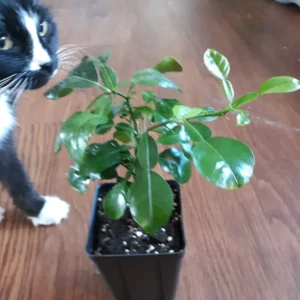
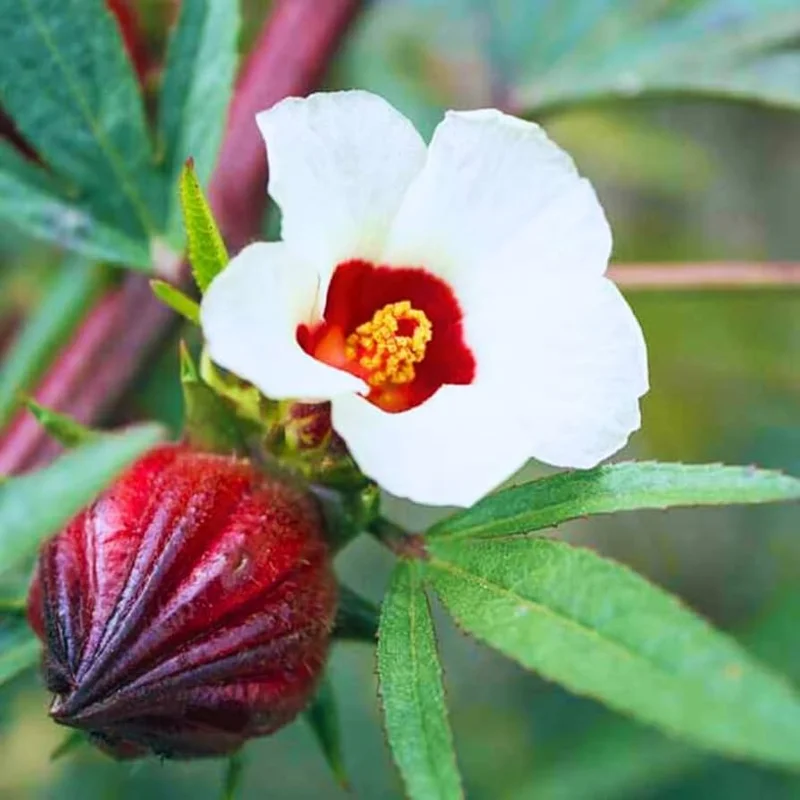
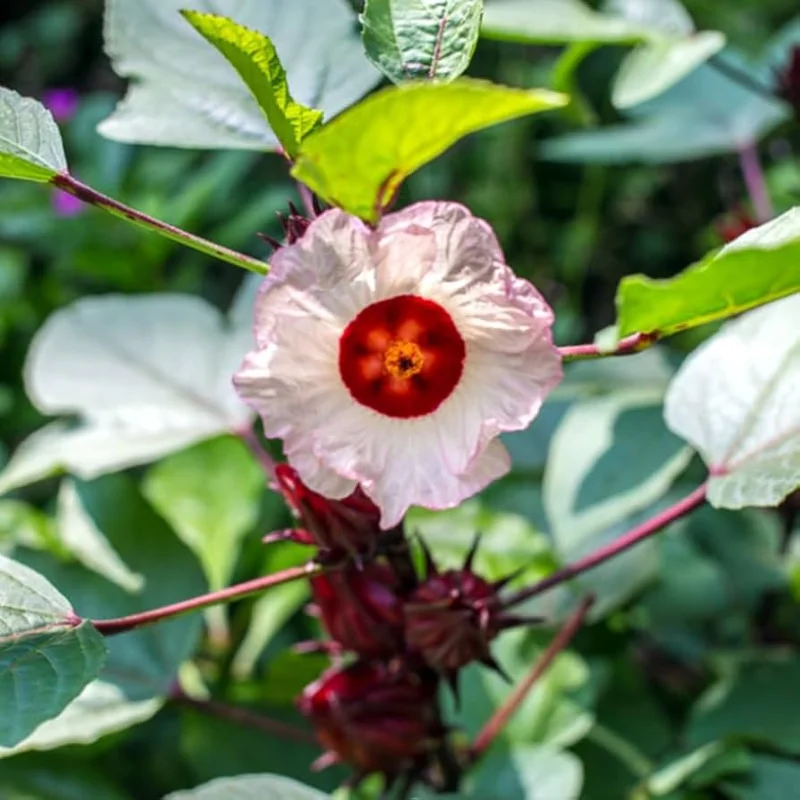
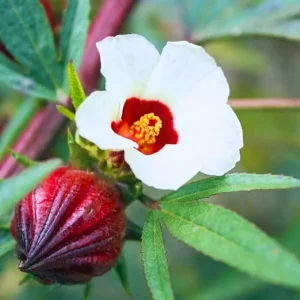
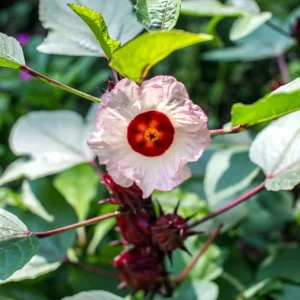
Discover the joy of growing your own roselle hibiscus live plant, a remarkable botanical specimen also known as Hibiscus sabdariffa. This particular offering is a healthy, established plant measuring 4 inches tall, ready to thrive in your garden or a suitable container. The roselle hibiscus is cherished globally not only for its striking ornamental appeal but also for its highly valued edible calyces. These vibrant red calyces, which are the fleshy sepals surrounding the seed pod, are a culinary delight, widely used to make refreshing teas, tangy jams, sauces, and even natural food coloring. Beyond its practical uses, the plant itself adds a tropical flair with its beautiful, often cream-colored flowers and lush green foliage, making it a truly unique and beneficial addition to any plant collection. Whether you’re an experienced gardener or a beginner, the roselle hibiscus live plant offers a rewarding growing experience with both beauty and utility.
This variety, Sabdariffa, is specifically cultivated for its robust growth and abundant production of calyces, ensuring a bountiful harvest for your culinary adventures. It’s a fantastic choice for those interested in edible gardening, providing a fresh source of ingredients right from your backyard. The plant’s vigorous nature and adaptability make it a popular choice across various climates, provided it receives adequate warmth and sunlight. Experience the satisfaction of nurturing a plant that not only beautifies your space but also contributes to your pantry with its unique and healthful produce.
Key Benefits
Bringing a roselle hibiscus live plant into your home or garden offers numerous advantages, blending aesthetic appeal with practical utility. This plant is a true multi-tasker, providing both beauty and a bounty of edible parts.
- Edible Calyces: The most significant benefit is the harvest of the fleshy, tart calyces, which are rich in flavor and nutrients. These can be used to make delicious and healthful teas, refreshing beverages, jams, jellies, and sauces.
- Ornamental Beauty: With its attractive foliage and delicate, often cream-colored flowers, the roselle hibiscus adds a touch of tropical elegance to any garden, patio, or indoor space. It’s a visually appealing plant that enhances your landscape.
- Health Benefits: The calyces are known for their high vitamin C content and antioxidant properties, contributing to overall well-being. Incorporating roselle into your diet can support a healthy lifestyle.
- Versatile Culinary Use: Beyond teas and jams, the calyces can be used in savory dishes, salads, or as a natural food coloring, offering a wide range of culinary exploration. Growing an edible hibiscus plant opens up many new kitchen possibilities.
- Attracts Pollinators: The flowers of the hibiscus sabdariffa plant attract beneficial pollinators like bees and butterflies, promoting biodiversity in your garden and supporting local ecosystems.
- Relatively Low Maintenance: Once established, the roselle hibiscus is a fairly resilient plant that doesn’t demand excessive attention, making it suitable for gardeners of varying experience levels.
- Educational Value: Growing this plant offers a fantastic opportunity to learn about plant life cycles, edible gardening, and sustainable living, especially for families with children.
Plant Care & Growing Tips
Caring for your roselle hibiscus live plant is a rewarding experience that ensures a healthy, productive specimen. This plant thrives in warm climates and requires specific conditions to flourish. When it comes to sunlight, Roselle needs ample exposure; aim for at least 6-8 hours of direct sunlight per day. In hotter climates, some afternoon shade can be beneficial to prevent scorching, but generally, the more sun, the better for optimal growth and calyx production. If growing indoors, place it near a south-facing window or supplement with a grow light to provide sufficient illumination.
Watering is crucial for a young roselle hibiscus live plant. Keep the soil consistently moist but not waterlogged, especially during its active growing season. Allow the top inch of soil to dry out slightly between waterings to prevent root rot. Reduce watering frequency during cooler months or if the plant is dormant. The ideal soil for roselle is well-draining, fertile, and rich in organic matter, with a pH between 6.0 and 7.0. A good quality potting mix amended with compost or aged manure works well for container growing. For in-ground planting, ensure the soil is loose and drains effectively.
Roselle is a warm-season crop, performing best in temperatures between 65°F and 85°F (18°C-29°C). It is sensitive to frost, so if you live in a region with cold winters, consider growing it as an annual or bringing it indoors. It generally thrives in USDA hardiness zones 9-11 when grown outdoors year-round. Fertilize your hibiscus sabdariffa plant every 2-4 weeks during the growing season with a balanced, all-purpose fertilizer or one slightly higher in phosphorus to encourage flowering and calyx development. Watch out for common pests like aphids or spider mites, and treat them with organic insecticidal soap if necessary. Pruning can encourage bushier growth and more calyx production.
Size & Details
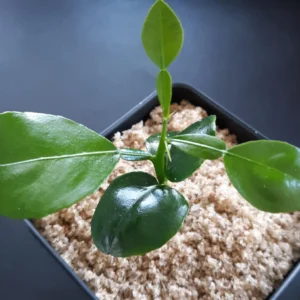
This offering is for a vibrant roselle hibiscus live plant, meticulously grown to a healthy 4 inches in height. It arrives ready for transplanting into a larger pot or directly into your garden, depending on your climate and growing preferences. While currently compact, the edible hibiscus plant can grow quite large, typically reaching 5-7 feet tall and 3-5 feet wide in a single growing season when provided with optimal conditions. Its growth rate is generally fast, especially in warm, sunny environments. The plant is shipped as an established seedling, ensuring it has a strong root system to adapt to its new home. Expect the plant to start producing flowers and subsequently calyces within 3-4 months of planting, with the main harvest usually occurring in late summer to fall.
The plant’s mature size and yield will depend on factors such as soil fertility, sunlight exposure, and consistent watering. For container growing, a pot of at least 5-10 gallons is recommended to accommodate its root system and allow for robust growth. This 4-inch plant is an excellent starting point for cultivating your own source of fresh roselle, offering both an ornamental spectacle and a delightful ingredient for your culinary creations. The plant’s vigorous nature means you’ll soon be enjoying its beautiful blooms and flavorful calyces. This particular roselle hibiscus live plant is a fantastic value for those looking to expand their garden with a unique and beneficial specimen.
Frequently Asked Questions
- Q: How big does this plant get? A: This roselle hibiscus live plant is 4 inches tall upon arrival. With proper care and ideal conditions, it can grow to a mature height of 5-7 feet and a width of 3-5 feet in one growing season, especially in warm climates.
- Q: What size pot does it come in? A: The plant arrives in a small nursery pot, typically 2-4 inches, appropriate for its current size. It will need to be transplanted into a larger pot (5-10 gallons) or directly into the ground for continued growth.
- Q: Is this an indoor or outdoor plant? A: While it thrives outdoors in warm climates (USDA Zones 9-11), it can be grown indoors in a sunny location or a greenhouse. Many gardeners in colder regions grow the hibiscus sabdariffa plant as an annual or bring it inside during winter.
- Q: How much sunlight does it need? A: The roselle hibiscus requires at least 6-8 hours of direct sunlight daily for optimal growth and calyx production. In very hot climates, some afternoon shade can prevent leaf scorch.
- Q: Is this plant easy to care for? A: Yes, the roselle hibiscus is generally considered easy to care for, especially once established. It requires consistent watering, plenty of sunlight, and well-draining soil. It’s a great choice for beginner to intermediate gardeners.
- Q: What condition will it arrive in? A: Your roselle hibiscus live plant will arrive as a healthy, established seedling, carefully packaged to ensure its safe journey. It will be ready for immediate transplanting upon arrival.
- Q: Can I use roselle in cooking? A: Absolutely! The calyces of the edible hibiscus plant are widely used to make refreshing teas, jams, jellies, sauces, and other culinary delights. They have a tart, cranberry-like flavor.
- Q: How long until it blooms and produces calyces? A: Under optimal conditions, your roselle hibiscus should start flowering and producing calyces within 3-4 months after planting. The main harvest typically occurs in late summer to fall.
- Q: Will it survive winter in my zone? A: The roselle hibiscus is frost-sensitive. It will only survive outdoors year-round in USDA Zones 9-11. In colder zones, it should be grown as an annual or brought indoors before the first frost.
- Q: What’s the best soil type for this plant? A: The best soil is well-draining, fertile, and rich in organic matter. A slightly acidic to neutral pH (6.0-7.0) is ideal. Amending with compost or aged manure is beneficial.


Reviews
There are no reviews yet.