Overview
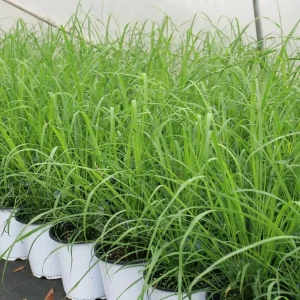
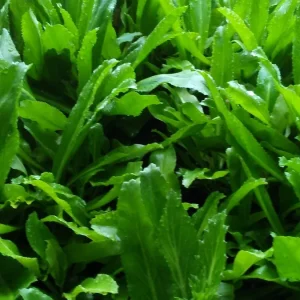
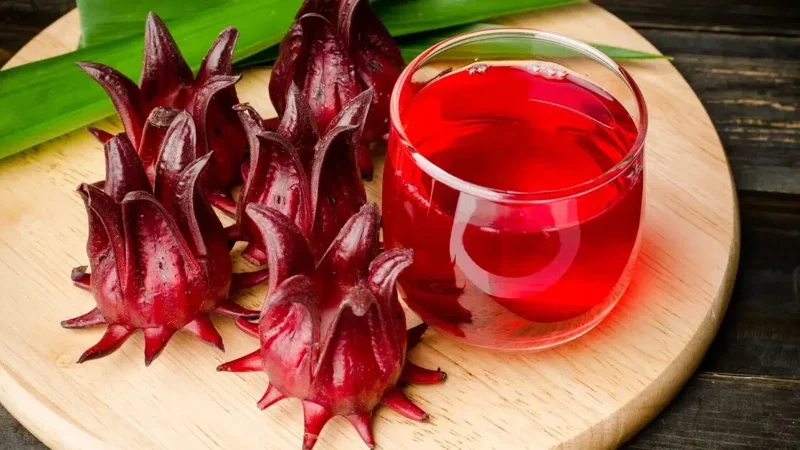
Embark on a rewarding gardening journey with our premium roselle seeds. Roselle, scientifically known as Hibiscus sabdariffa, is a fascinating and highly versatile plant cherished for its vibrant calyces, leaves, and stems. Often referred to as Asian sour leaf, red sorrell, florida cranberry seeds, or the jamaican tea plant, this species offers both ornamental beauty and a wealth of culinary applications. These high-quality seeds provide an excellent opportunity for gardeners of all levels to cultivate this unique and beneficial herb. Whether you’re looking to create delicious beverages, add a tangy flavor to your dishes, or simply enjoy a beautiful, productive plant, roselle seeds are an exceptional choice. The roselle plant is celebrated globally for its distinctive tart flavor and striking appearance. Its deep red calyces are particularly prized for making refreshing drinks like hibiscus tea, jams, and sauces. The young leaves can also be used in salads or cooked as a tangy green. Growing roselle from seed is a straightforward process that allows you to experience the full life cycle of this remarkable plant, from germination to harvest. Our hibiscus sabdariffa seeds are selected for their viability, ensuring a higher chance of successful growth in your garden or containers.
Key Benefits
Growing roselle offers a multitude of benefits, from its culinary versatility to its aesthetic appeal in the garden. This plant is a true asset for any home gardener looking for something both beautiful and useful. Cultivating roselle seeds provides a sustainable source of healthy and flavorful ingredients right at your fingertips.
- Culinary Versatility: The tart calyces are perfect for making refreshing hibiscus tea, jams, jellies, sauces, and even wine. The young leaves can be used in salads or cooked as a vegetable, adding a unique, tangy flavor to your meals. Growing roselle seeds allows you to enjoy a sustainable source of this flavorful ingredient.
- Ornamental Appeal: With its attractive green foliage and striking red calyces, the roselle plant adds a tropical touch and vibrant color to any garden or patio. It’s a beautiful addition that is also productive, making it a dual-purpose plant.
- Easy to Grow: Roselle seeds are relatively easy to germinate and care for, making them suitable for both novice and experienced gardeners. They thrive in warm climates and well-draining soil, making it simple to grow roselle successfully.
- Health Benefits: The calyces of roselle are known for being rich in antioxidants and vitamin C, making the beverages and foods prepared from them a healthy choice. Starting with hibiscus sabdariffa seeds ensures you get fresh, homegrown benefits.
- Adaptable Growth: While preferring warm climates, roselle can be grown as an annual in cooler regions, allowing many gardeners across the US to enjoy its bountiful harvest. These florida cranberry seeds adapt well to various growing conditions.
- Sustainable Source: By growing your own jamaican tea plant, you ensure a fresh, organic supply of roselle for all your culinary needs, reducing reliance on store-bought products and promoting self-sufficiency.
- Unique Flavor Profile: The distinct tartness of roselle is a gourmet’s delight, offering a flavor that can enhance a wide range of dishes and drinks, from sweet to savory.
Plant Care & Growing Tips
Successful cultivation of roselle begins with understanding its basic needs. These roselle seeds require warmth and consistent moisture to thrive, making them perfect for gardeners in warmer climates or those who can provide a suitable indoor environment for starting. To successfully grow roselle, attention to these details is key.
Sunlight requirements: Roselle plants flourish in full sun, meaning they need at least 6-8 hours of direct sunlight per day. In extremely hot climates, some afternoon shade can be beneficial to prevent scorching, but generally, the more sun, the better for robust growth and calyx production. For indoor starts, ensure they receive ample light from a south-facing window or under grow lights. This strong sun exposure is crucial for the development of rich, red calyces, which are the most sought-after part of the plant.
Watering schedule and soil moisture preferences: Keep the soil consistently moist, especially during germination and the plant’s active growth phase. Roselle prefers well-draining soil and does not tolerate waterlogging. Water deeply when the top inch of soil feels dry to the touch. Reduce watering slightly once the plant is established and producing calyces, though never allow the soil to completely dry out. Proper hydration supports healthy leaf and calyx development, vital for creating delicious beverages from your jamaican tea plant.
Soil type and drainage requirements: A rich, well-draining soil mix is ideal for roselle. A loamy soil amended with organic matter will provide the nutrients and drainage necessary for optimal growth. Avoid heavy clay soils that retain too much water. Good drainage is paramount to prevent root rot. If growing in containers, use a high-quality potting mix designed for vegetables or herbs, ensuring the pot has adequate drainage holes. This plant is not overly particular but performs best in fertile ground.
Temperature range and USDA hardiness zone: Roselle is a tropical plant and prefers warm temperatures, ideally between 65-85°F (18-29°C). It is sensitive to frost and should only be planted outdoors after all danger of frost has passed. In most parts of the US, it is grown as an annual. It thrives in USDA zones 9-11 as a perennial, but can be successfully cultivated as an annual in zones 4-8. Providing warmth and protection from cold snaps is key to a successful harvest. Understanding your local climate will help you determine the best time to grow roselle.
Fertilization schedule and type: While roselle is not a heavy feeder, a balanced all-purpose fertilizer can be applied every 4-6 weeks during the growing season to encourage vigorous growth. Organic compost or a slow-release granular fertilizer are excellent choices. Once flowering begins, you may switch to a fertilizer higher in phosphorus to promote calyx development. Avoid over-fertilizing, as this can lead to excessive foliage at the expense of calyx production. Regular feeding ensures your florida cranberry seeds produce robust, healthy plants.
Common problems and solutions: Roselle is generally pest-resistant, but watch out for aphids and whiteflies. A strong spray of water or insecticidal soap can manage these pests. Fungal diseases like powdery mildew can occur in humid conditions; ensuring good air circulation and avoiding overhead watering can help prevent this. Yellowing leaves may indicate nutrient deficiency or overwatering. Adjusting your feeding schedule or improving soil drainage can remedy this. Proper care will help you cultivate a thriving hibiscus sabdariffa seeds plant.
Size & Details
These roselle seeds are perfect for starting your own plants that, under optimal conditions, can grow into impressive shrubs. A mature roselle plant typically reaches a height of 5-7 feet, with a spread of 3-4 feet, making it a substantial addition to your garden or a large container. The plants are known for their fast growth rate, especially in warm, sunny environments, often reaching harvestable size within 3-4 months after planting. Each packet contains 25+ high-quality seeds, providing ample opportunity for a successful crop. The vibrant red calyces, which are the fleshy outer coverings of the seed pods, are the primary harvest and develop after the flowers bloom. These seeds will produce plants that are ideal for culinary use, from making traditional Jamaican tea to crafting tangy sauces and jellies. Expect a continuous harvest of calyces once the plant begins to flower, usually in late summer to early fall.
Frequently Asked Questions
- Q: How big does this plant get? A: A mature roselle plant typically grows to be 5-7 feet tall and 3-4 feet wide, forming a bushy shrub. Its size can vary slightly depending on growing conditions and climate, but it generally makes a substantial plant in the garden. These roselle seeds can lead to impressive growth.
- Q: What size pot does it come in? A: This product consists of roselle seeds, not a potted plant. You will receive a packet of 25+ seeds to start your own plants. When growing in containers, we recommend a pot at least 10-15 gallons in size for a single mature plant.
- Q: Is this an indoor or outdoor plant? A: Roselle is primarily an outdoor plant in warm climates (USDA Zones 9-11) where it can be grown as a perennial. In cooler zones (4-8), it is best grown outdoors as an annual, or started indoors and transplanted outside after the last frost. You can also grow roselle indoors in large containers with sufficient light.
- Q: How much sunlight does it need? A: Roselle thrives in full sun, requiring at least 6-8 hours of direct sunlight daily for optimal growth and calyx production. Adequate sunlight is crucial for developing the plant’s characteristic red calyces.
- Q: Is this plant easy to care for? A: Yes, roselle is considered an easy-to-care-for plant, especially in suitable warm climates. It requires consistent watering, good drainage, and plenty of sunlight. It’s an excellent choice for beginner gardeners looking to cultivate their own jamaican tea plant.
- Q: Is it good for beginners? A: Absolutely! Its relatively low maintenance needs and high yield potential make it a very rewarding plant for those new to gardening. These hibiscus sabdariffa seeds are a great way to start your gardening adventure.
- Q: What condition will it arrive in? A: Your order will arrive as a packet of fresh, high-quality roselle seeds, carefully packaged to ensure their viability and readiness for planting. The seeds are dry and ready for sowing.
- Q: Can I use Asian sour leaf in cooking? A: Yes, the young leaves of the roselle plant, often called Asian sour leaf, are edible and can be used in various culinary applications. They add a pleasant tartness to salads, soups, and stir-fries.
- Q: When is the best time to plant florida cranberry seeds? A: The best time to plant florida cranberry seeds is in the spring, after all danger of frost has passed and soil temperatures have warmed up. In tropical and subtropical regions, planting can occur almost year-round.
- Q: Will it survive winter in my zone? A: Roselle is frost-sensitive. In USDA Zones 9-11, it can survive winter as a perennial. In colder zones, it will die back with the first frost and must be replanted annually or brought indoors if grown in a container.


Reviews
There are no reviews yet.