Overview
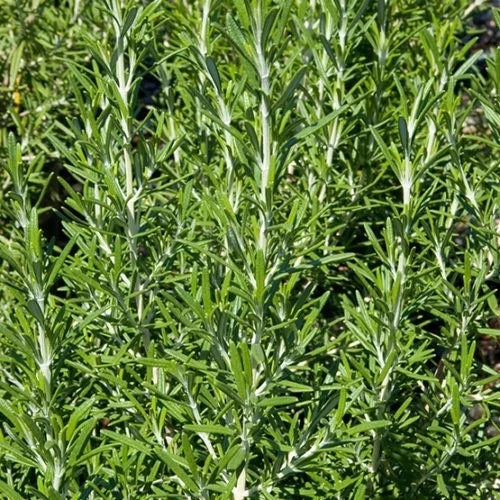
Embark on a rewarding gardening journey with this robust rosemary arp live plant. Revered for its distinctive pine-like aroma and savory flavor, ‘Arp’ rosemary is a particularly cold-hardy variety, making it an excellent choice for gardeners in a wider range of climates, including those looking to grow rosemary arp in cooler zones. This evergreen shrub is not only a culinary delight, perfect for seasoning meats, vegetables, and breads, but also an attractive ornamental plant with beautiful, slender, grey-green leaves. Our healthy seedlings arrive ready for planting, offering an immediate start to your herb garden. Whether you’re an experienced gardener or just beginning, the rosemary herb plant provides a rewarding and fragrant addition to any outdoor bed or indoor container. Known botanically as Salvia rosmarinus ‘Arp’ (formerly Rosmarinus officinalis ‘Arp’), this cultivar is celebrated for its vigorous growth and upright habit. It’s a versatile herb that thrives in various settings, from a dedicated herb garden to mixed perennial borders or even as a fragrant hedge. The aromatic foliage is a staple in Mediterranean cuisine and is also used in aromatherapy and traditional remedies. With its relatively low maintenance requirements and delightful scent, a rosemary arp live plant is a fantastic choice for bringing both beauty and utility to your home and garden.
Key Benefits
Adding a rosemary arp live plant to your collection offers numerous advantages, from culinary versatility to aesthetic appeal and ease of care. This particular variety stands out for its resilience and strong aromatic qualities, making it a garden favorite for those who want to successfully grow rosemary arp.
- Exceptional Culinary Herb: Enjoy fresh, pungent rosemary leaves year-round for cooking. ‘Arp’ rosemary enhances dishes like roasted chicken, potatoes, and focaccia with its distinct, savory flavor, making it a valuable rosemary herb plant for any kitchen.
- Cold Hardy Variety: ‘Arp’ is one of the most cold hardy rosemary cultivars, making it suitable for a broader range of USDA zones and extending its growing season. This resilience is a key advantage for many gardeners, ensuring your rosemary arp live plant thrives even in cooler climates.
- Attractive Evergreen Foliage: The slender, needle-like grey-green leaves provide year-round visual interest and a pleasant texture to your garden or indoor space, ensuring your rosemary arp live plant remains a beautiful feature.
- Fragrant & Aromatic: Known for its strong, invigorating scent, this fragrant herb plant can be used in potpourri, essential oils, or simply enjoyed for its natural perfume in your garden.
- Pollinator Friendly: When it blooms, typically with small, delicate blue flowers, ‘Arp’ rosemary attracts bees and other beneficial pollinators to your garden, supporting local ecosystems.
- Versatile Landscaping Plant: Ideal for herb gardens, rock gardens, borders, or as a low hedge. It also performs beautifully in containers on patios or windowsills, showcasing the adaptability of this rosemary arp live plant.
- Low Maintenance: Once established, rosemary is drought-tolerant and requires minimal care, making it an excellent choice for busy gardeners or those new to herb cultivation.
Plant Care & Growing Tips
To ensure your rosemary arp live plant thrives, understanding its basic care requirements is essential. This hardy herb prefers conditions that mimic its Mediterranean origins, enjoying plenty of sun and well-drained soil. For outdoor planting, choose a site that receives at least 6-8 hours of direct sunlight daily. If growing indoors, place your rosemary herb plant in a south-facing window or under a grow light to provide adequate illumination. Good air circulation is also important to prevent fungal diseases. This characteristic also makes it a great choice for those seeking a cold hardy rosemary variety.
Watering is crucial, especially for young seedlings. Keep the soil consistently moist but never waterlogged. Once established, rosemary is quite drought-tolerant, so allow the top inch or two of soil to dry out completely between waterings. Overwatering is a common mistake and can lead to root rot. When you grow rosemary arp, ensure it is planted in a well-draining soil mix, ideally a sandy loam with a slightly acidic to neutral pH (6.0-7.0). For container plants, use a high-quality potting mix formulated for herbs or succulents, and always choose a pot with drainage holes. Fertilize sparingly, if at all, as rosemary prefers lean soil. A light application of balanced liquid fertilizer in spring is usually sufficient. Pruning can be done after flowering to maintain shape and encourage bushier growth. Protect outdoor plants in colder zones during winter by mulching heavily or bringing container plants indoors, especially important for maximizing the benefits of this cold hardy rosemary.
Size & Details
This offering includes healthy rosemary arp live plant seedlings, typically ranging from 5 to 9 inches in height at the time of shipment. Each seedling is established in a 4-inch diameter area, ensuring a robust root system ready for transplanting. You can expect multiple stalks or shoots, indicating vigorous growth and a strong foundation for your future herb. These seedlings are carefully packaged to ensure they arrive in excellent condition, ready to be planted directly into your garden beds, raised planters, or a larger pot for indoor cultivation. ‘Arp’ rosemary is known for its relatively fast growth rate, and with proper care, these young plants will quickly mature into substantial, productive herb bushes, providing an abundant supply of fresh rosemary. Expect them to reach a mature height of 3-5 feet and a similar spread, though they can be kept smaller with regular pruning. The upright growth habit makes them excellent for defining garden spaces or as striking container specimens, adding to the allure of this fragrant herb plant.
Frequently Asked Questions
- Q: How big will this rosemary arp live plant get? A: With ideal conditions, ‘Arp’ rosemary can grow to be 3-5 feet tall and wide. However, its size can be easily managed through regular pruning, making it suitable for various garden sizes or containers. This makes it a versatile rosemary herb plant for many settings.
- Q: Is this an indoor or outdoor plant? A: The rosemary arp live plant is highly versatile. It thrives outdoors in full sun and is a cold hardy rosemary. It can also be successfully grown indoors in a bright, sunny window or under grow lights, especially in colder climates.
- Q: How much sunlight does this rosemary plant need? A: Rosemary ‘Arp’ requires at least 6-8 hours of direct sunlight per day to flourish. For indoor growing, a south-facing window is ideal, or supplement with artificial light to ensure healthy growth for your fragrant herb plant.
- Q: Is this plant easy to care for? A: Yes, ‘Arp’ rosemary is considered relatively easy to care for once established. It’s drought-tolerant and prefers lean soil, making it a low-maintenance herb suitable for beginners and experienced gardeners alike who want to grow rosemary arp.
- Q: What condition will the seedlings arrive in? A: Your rosemary seedlings will arrive as healthy, well-rooted plants, typically 5-9 inches tall, ready for immediate planting. They are carefully packaged to minimize stress during transit.
- Q: When is the best time to plant rosemary? A: The best time to plant rosemary arp live plant seedlings is in spring after the last frost, allowing them ample time to establish before summer heat or winter cold. For indoor plants, planting can occur year-round.
- Q: How often should I water my rosemary arp plant? A: Water thoroughly when the top 1-2 inches of soil feel dry to the touch. Rosemary prefers slightly dry conditions and is susceptible to root rot if overwatered, so ensure good drainage.
- Q: Can I use this rosemary for cooking right away? A: Yes, once your rosemary herb plant has settled into its new home and shown signs of new growth, you can begin to harvest small sprigs for culinary use.
- Q: What type of soil is best for growing rosemary? A: Rosemary thrives in well-draining soil, preferably a sandy or gravelly loam. For container planting, use a high-quality potting mix with added perlite or sand for improved drainage.
- Q: Will this fragrant herb plant survive winter in my region? A: ‘Arp’ is one of the most cold hardy rosemary varieties, generally surviving in USDA Zones 7-10. In colder zones, it can be grown as an annual or brought indoors for winter protection. This makes it an excellent choice for a robust rosemary herb plant.


Reviews
There are no reviews yet.