Overview
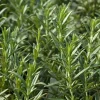
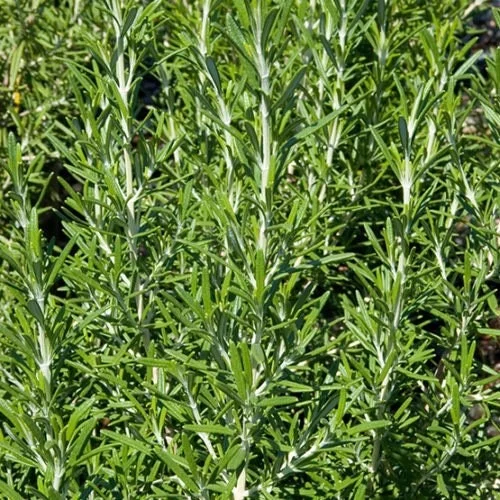
Cultivate your own fresh herbs with the exquisite rosemary arp live plant. Known for its robust flavor and aromatic needles, ‘Arp’ is a particularly hardy and cold-tolerant variety of rosemary, making it an excellent choice for a wide range of climates. This live seedling arrives ready to be planted, offering an immediate start to your herb garden. Whether you’re a seasoned gardener or just beginning, this plant provides both culinary delight and ornamental beauty. Its upright growth habit and silvery-green foliage make it a striking addition to herb beds, borders, or containers, bringing a Mediterranean touch to any space. Enjoy the satisfaction of harvesting fresh, fragrant rosemary straight from your own garden.
Rosemary, scientifically known as Salvia rosmarinus (formerly Rosmarinus officinalis), has been cherished for centuries not only for its culinary applications but also for its historical significance in traditional medicine and aromatherapy. The ‘Arp’ cultivar is celebrated for its exceptional resilience and ability to withstand colder temperatures compared to other rosemary varieties, ensuring a more successful growing rosemary arp experience for many. This rosemary arp live plant is an investment in fresh flavor and a beautiful, fragrant garden accent.
Key Benefits
Adding a rosemary arp live plant to your garden or home offers a multitude of benefits, from enhancing your cooking to improving your living space. This versatile herb is a must-have for anyone who appreciates fresh ingredients and natural beauty.
- Culinary Excellence: Fresh rosemary is indispensable in the kitchen, perfect for seasoning meats, vegetables, bread, and even desserts. The ‘Arp’ variety offers a strong, piney flavor that elevates any dish. Its distinctive taste is a favorite among chefs and home cooks alike. You’ll love having this rosemary arp live plant for all your cooking needs.
- Aromatic Appeal: The distinctive scent of rosemary is known for its invigorating and clarifying properties. Placing a plant near a doorway or window allows its fragrance to waft through your home, creating a pleasant and refreshing atmosphere. This makes it an excellent aromatic herb seedling.
- Hardy & Resilient: The ‘Arp’ cultivar is one of the most cold-tolerant rosemary varieties, making it suitable for a broader range of USDA zones and more forgiving for new gardeners. This ensures reliable growth and a long-lasting plant, proving it’s a truly hardy rosemary plant.
- Ornamental Value: With its upright growth, needle-like leaves, and occasional delicate blue flowers, rosemary ‘Arp’ is an attractive addition to any garden design, container planting, or windowsill herb collection. It brings a touch of Mediterranean elegance to any space.
- Pollinator Friendly: When in bloom, rosemary flowers attract beneficial pollinators like bees, contributing to the health and biodiversity of your garden ecosystem. This supports local wildlife and promotes a healthier garden.
- Low Maintenance: Once established, growing rosemary arp is relatively easy. It’s drought-tolerant and doesn’t require constant attention, making it ideal for busy gardeners who still want fresh herbs.
- Year-Round Freshness: Depending on your climate, you can enjoy fresh rosemary sprigs from your plant throughout the year, providing a continuous supply for your culinary needs.
Plant Care & Growing Tips
Caring for your rosemary arp live plant is straightforward, especially given its hardy nature. To ensure your plant thrives, pay attention to its light, water, and soil requirements. Rosemary prefers full sun, meaning at least 6-8 hours of direct sunlight per day. If growing indoors, place it in your brightest window, preferably south-facing, or supplement with a grow light. Adequate light is crucial for healthy growth and robust flavor development. Without enough sun, the plant may become leggy and less flavorful.
When it comes to watering, rosemary is drought-tolerant once established. It’s essential to allow the soil to dry out completely between waterings to prevent root rot, which is a common issue for rosemary. Stick your finger an inch or two into the soil; if it feels dry, it’s time to water thoroughly until water drains from the bottom of the pot. Ensure proper drainage in both garden beds and containers. For soil, rosemary thrives in well-draining, slightly sandy, or loamy soil with a pH between 6.0 and 7.0. Avoid heavy clay soils that retain too much moisture. A good quality potting mix amended with perlite or sand is ideal for container growing. Understanding proper watering and soil is key to successful rosemary arp care.
The ‘Arp’ variety is known for being a hardy rosemary plant, typically tolerant of USDA zones 7-10, and can sometimes survive in zone 6 with adequate winter protection. In colder climates, consider growing it in pots that can be moved indoors before the first frost. Fertilization is generally not heavily required; a light application of a balanced, slow-release fertilizer in spring is usually sufficient. Pruning helps maintain its shape, encourages bushier growth, and provides fresh sprigs for use. Prune after flowering or as needed to harvest. Watch out for common pests like aphids or spider mites, especially on indoor plants, and treat with insecticidal soap if necessary. Consistent attention to these details will ensure a flourishing and productive plant from your rosemary arp live plant.
Size & Details
This rosemary arp live plant is provided as a healthy seedling, typically measuring 5-9 inches in height from the base of the plant to the tip of its tallest stem. It arrives established in a 4-inch diameter nursery pot, ready for transplanting into a larger container or directly into your garden bed. Each plant usually features multiple stalks or shoots, indicating a robust and well-rooted specimen prepared for vigorous growth. Rosemary ‘Arp’ is known for its upright and somewhat spreading growth habit, eventually reaching a mature height of 3-5 feet and a similar spread if left unpruned in ideal conditions. It’s a moderately fast grower, especially during warm seasons, and can be harvested regularly once established. Expect your plant to thrive and provide abundant fresh herbs for years with proper rosemary arp care, making it a sustainable choice for any home cook or gardener.
Frequently Asked Questions
- Q: How big does this rosemary arp live plant get? A: This ‘Arp’ rosemary seedling typically arrives 5-9 inches tall in a 4-inch pot. At maturity, if planted in the ground and given ideal conditions, it can grow 3-5 feet tall and wide, though regular pruning can keep it more compact. Its mature size makes it a striking garden feature.
- Q: Is this an indoor or outdoor plant? A: Rosemary ‘Arp’ can be grown both indoors and outdoors. It thrives outdoors in full sun in USDA zones 7-10. In colder zones (6 and below), it’s best grown in a pot and brought indoors during winter, making it a versatile hardy rosemary plant.
- Q: How much sunlight does it need? A: Rosemary requires at least 6-8 hours of direct sunlight per day to grow optimally and develop its strong flavor. If growing indoors, place it in the brightest south-facing window possible to ensure adequate light.
- Q: Is this plant easy to care for? A: Yes, growing rosemary arp is considered relatively easy. It’s drought-tolerant once established and prefers neglect over overwatering. The most crucial aspects of rosemary arp care are ensuring ample sunlight and well-draining soil.
- Q: What condition will it arrive in? A: Your rosemary arp live plant will arrive as a healthy, well-rooted seedling in a 4-inch nursery pot, carefully packaged to ensure its safe journey. It will be ready for immediate planting upon arrival.
- Q: Can I use this rosemary in cooking? A: Absolutely! Rosemary ‘Arp’ is an excellent culinary herb, known for its strong, aromatic flavor. It’s perfect for seasoning roasted meats, potatoes, vegetables, and infusing oils and vinegars. This makes it a highly desired aromatic herb seedling for any kitchen.
- Q: When is the best time to plant rosemary? A: The best time to plant rosemary outdoors is in the spring after the last frost, allowing it ample time to establish before the heat of summer or the cold of winter. Indoor planting can be done year-round.
- Q: What type of soil does rosemary prefer? A: Rosemary prefers well-draining, slightly sandy or loamy soil. It does not tolerate soggy conditions, so ensure good drainage to prevent root rot. A potting mix amended with perlite works well for containers.
- Q: Will it survive winter in my zone? A: Rosemary ‘Arp’ is one of the most cold-hardy rosemary varieties, typically surviving winters in USDA zones 7-10. In zone 6, it may survive with significant winter protection, or it can be brought indoors.
- Q: Is this an aromatic herb seedling? A: Yes, ‘Arp’ rosemary is highly aromatic, known for its strong, pleasant fragrance that is released when its leaves are brushed or crushed. This makes it a delightful addition to any garden or home.


Reviews
There are no reviews yet.