Overview
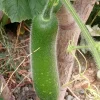
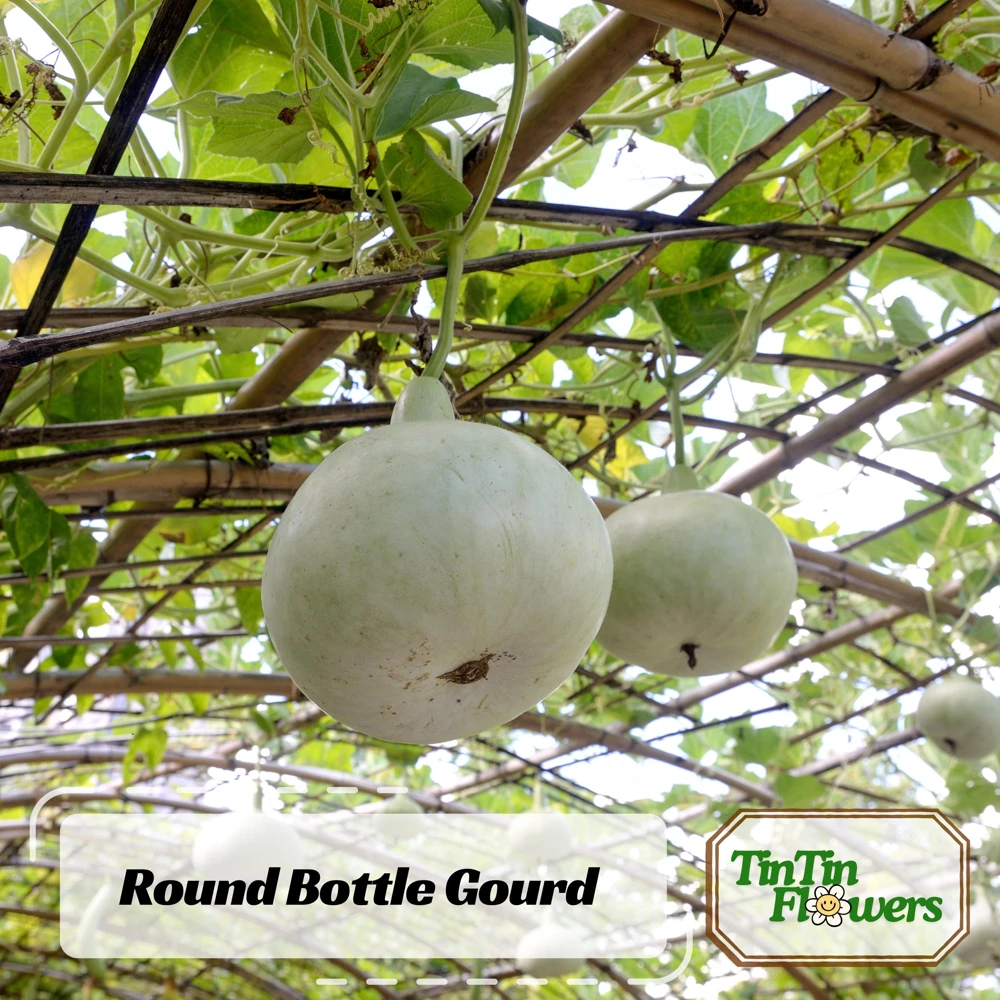
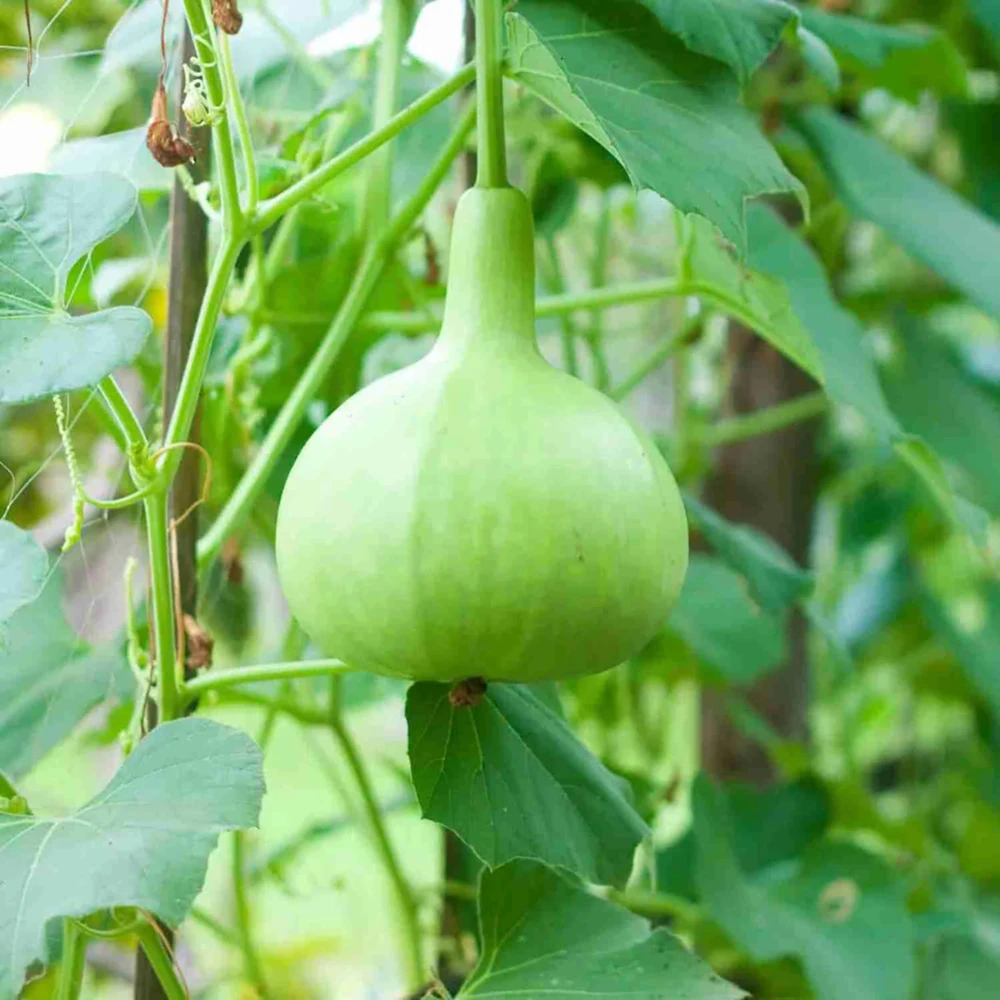
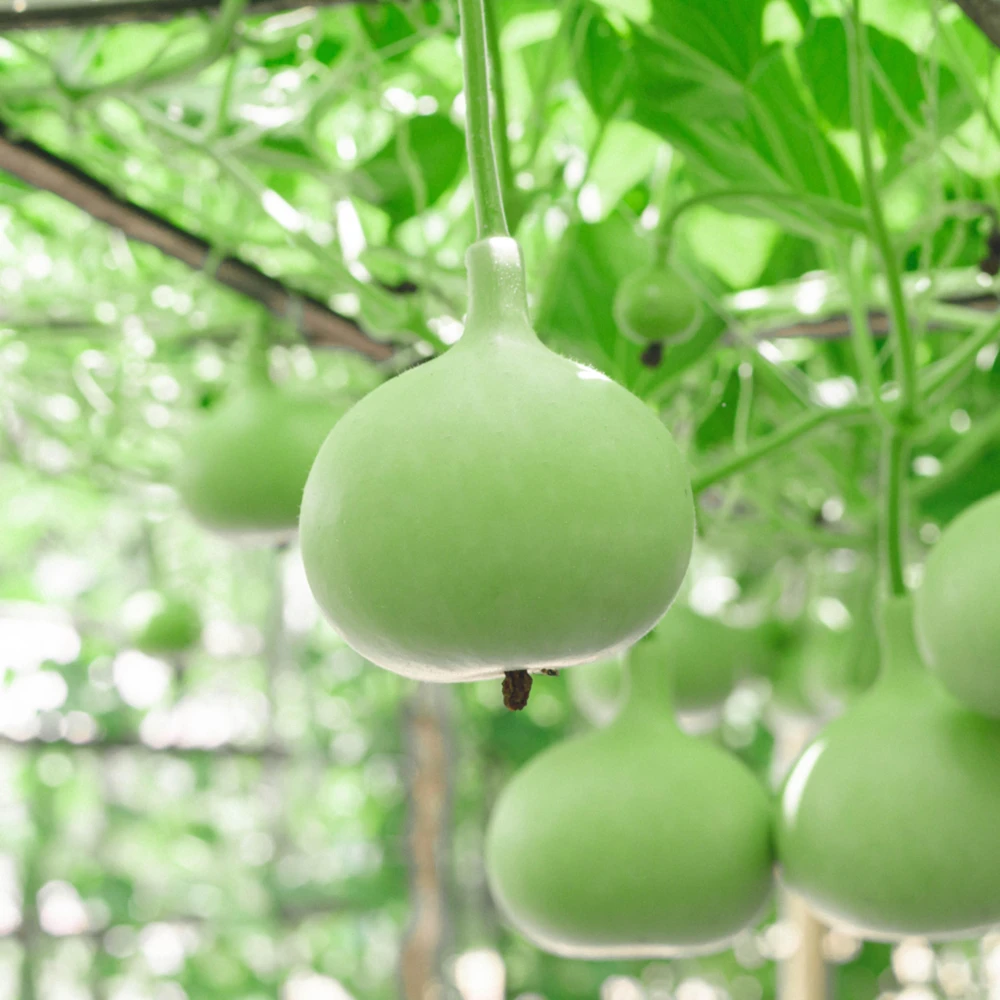
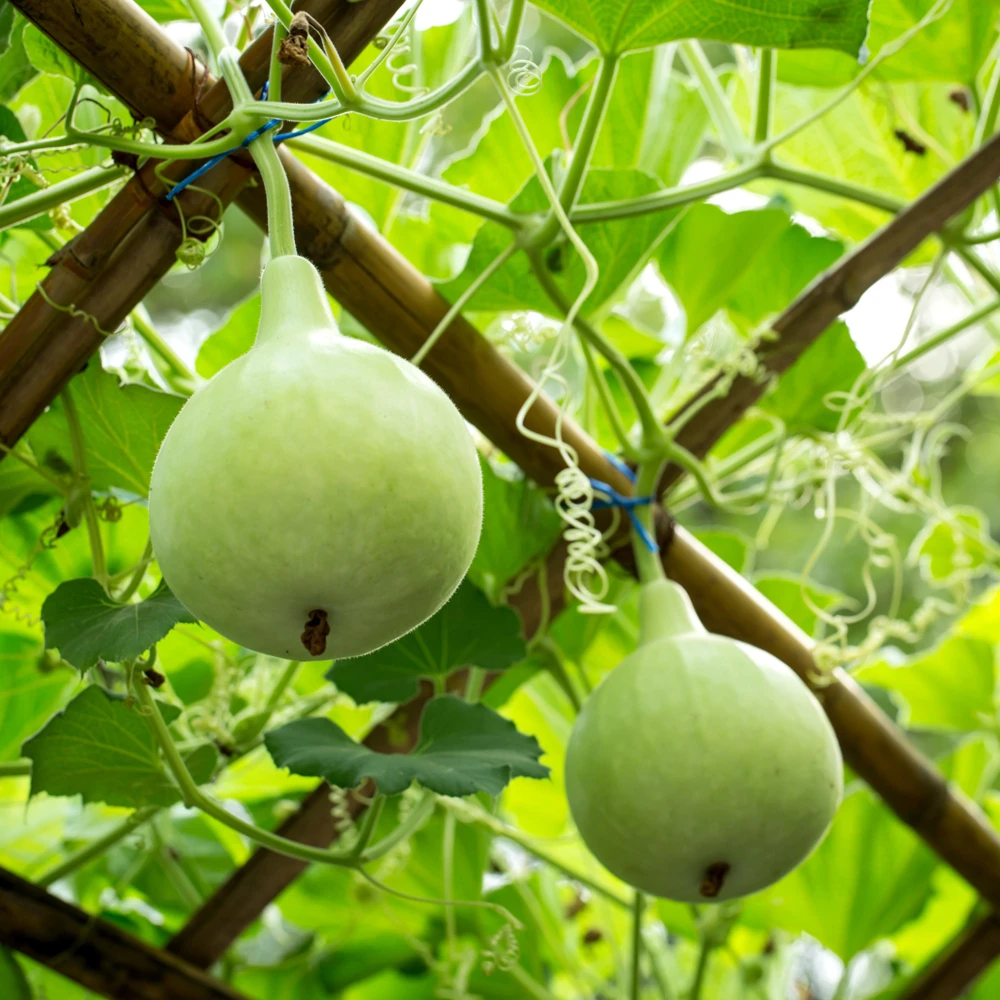
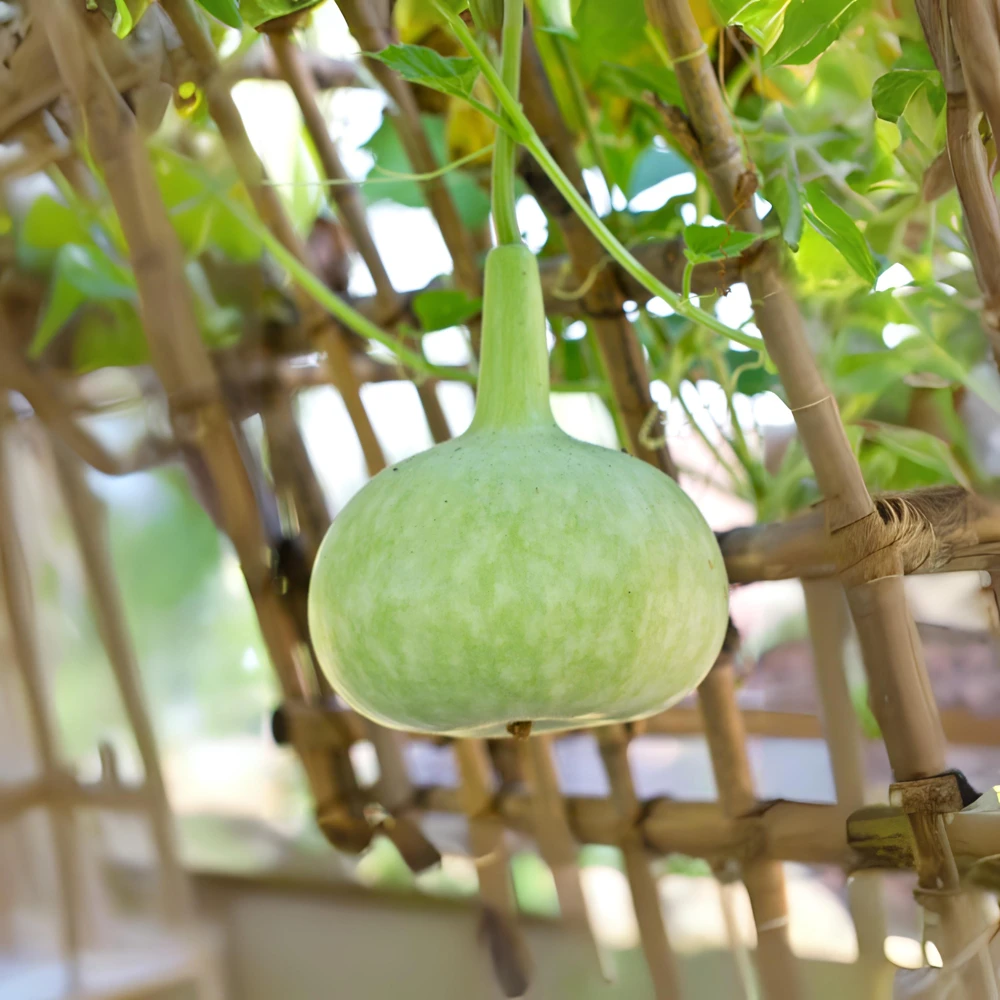
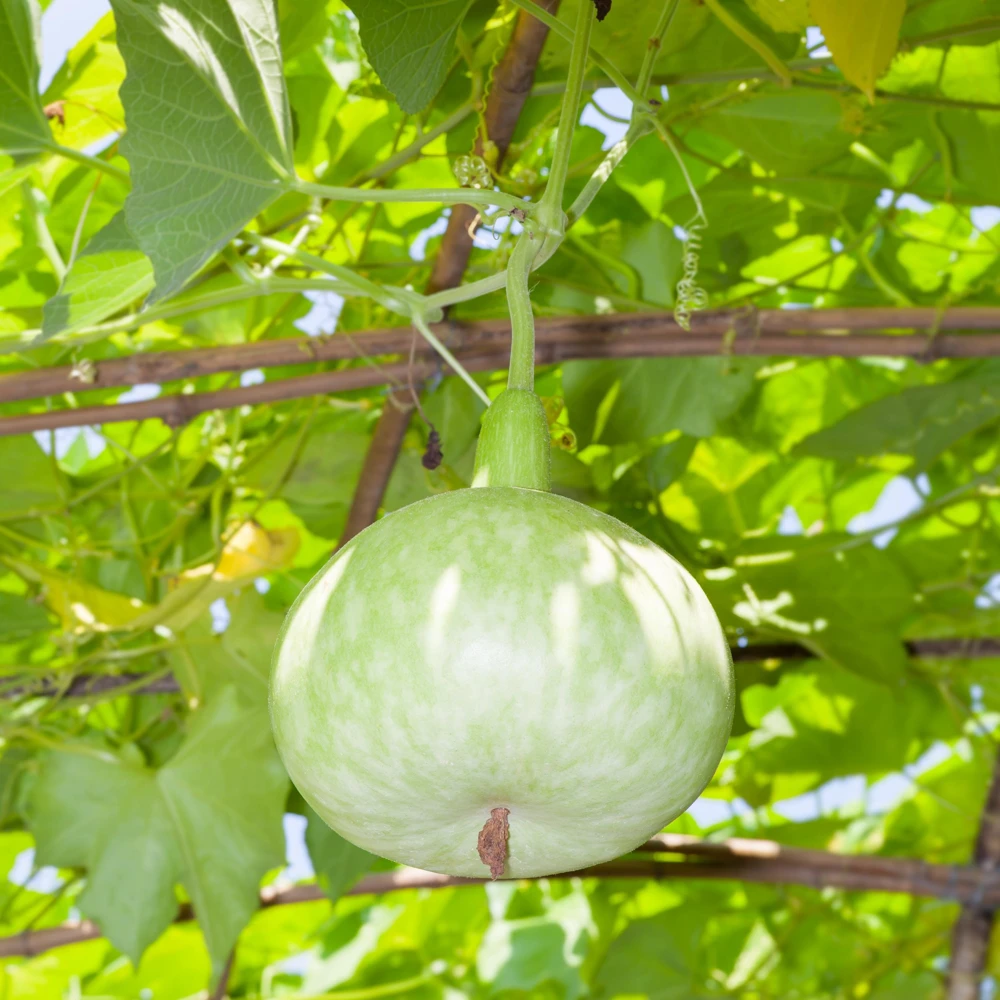
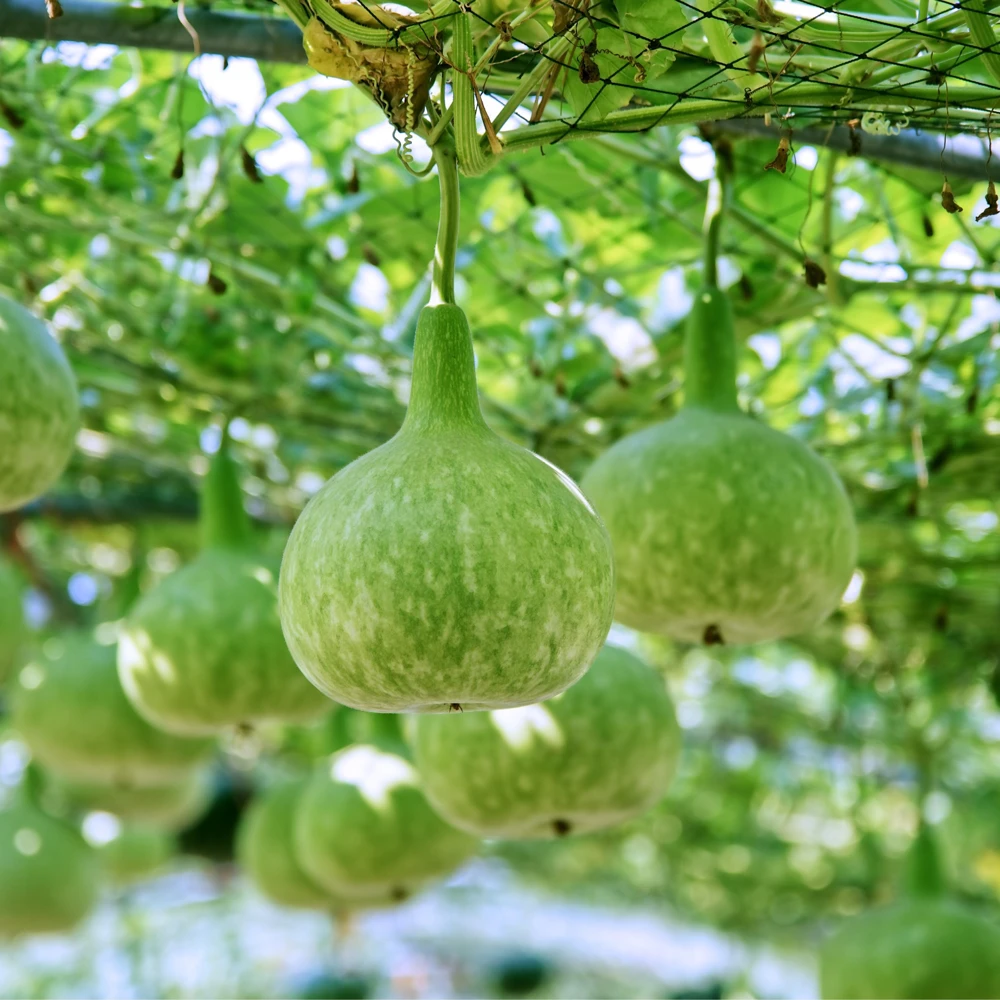
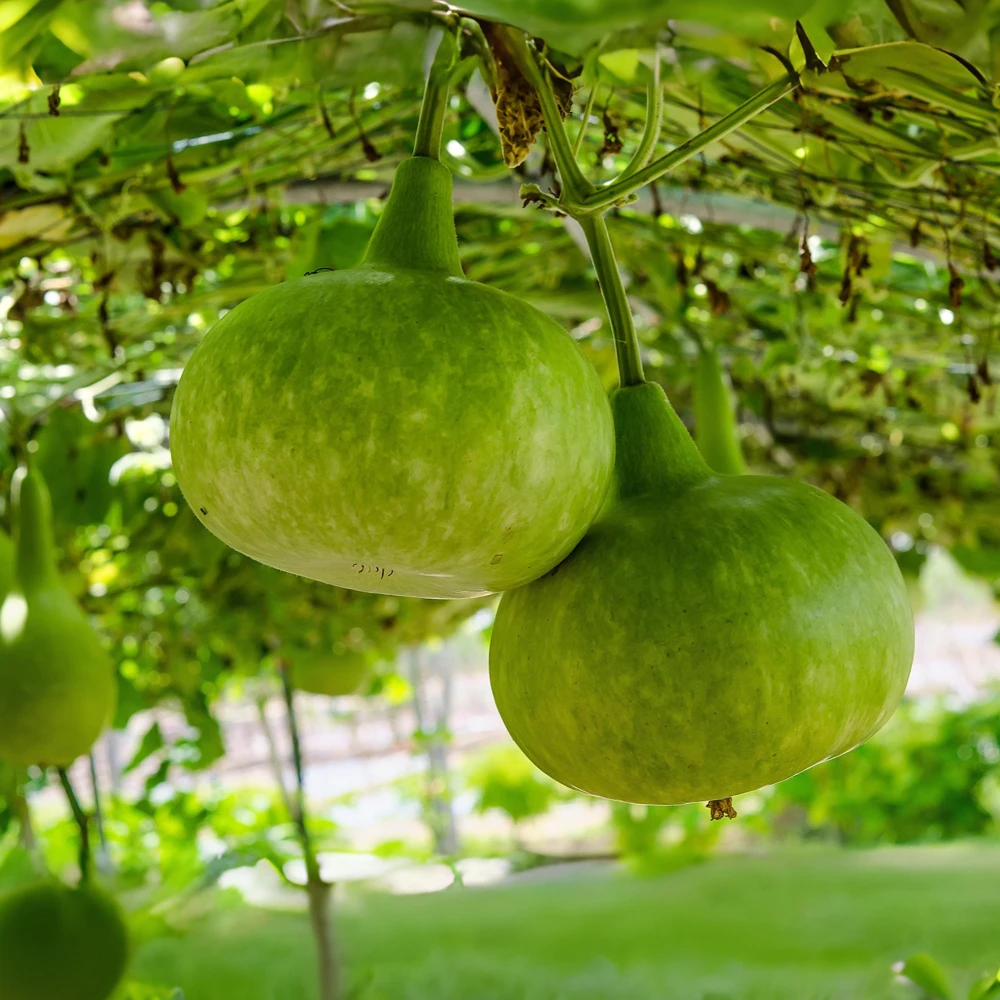
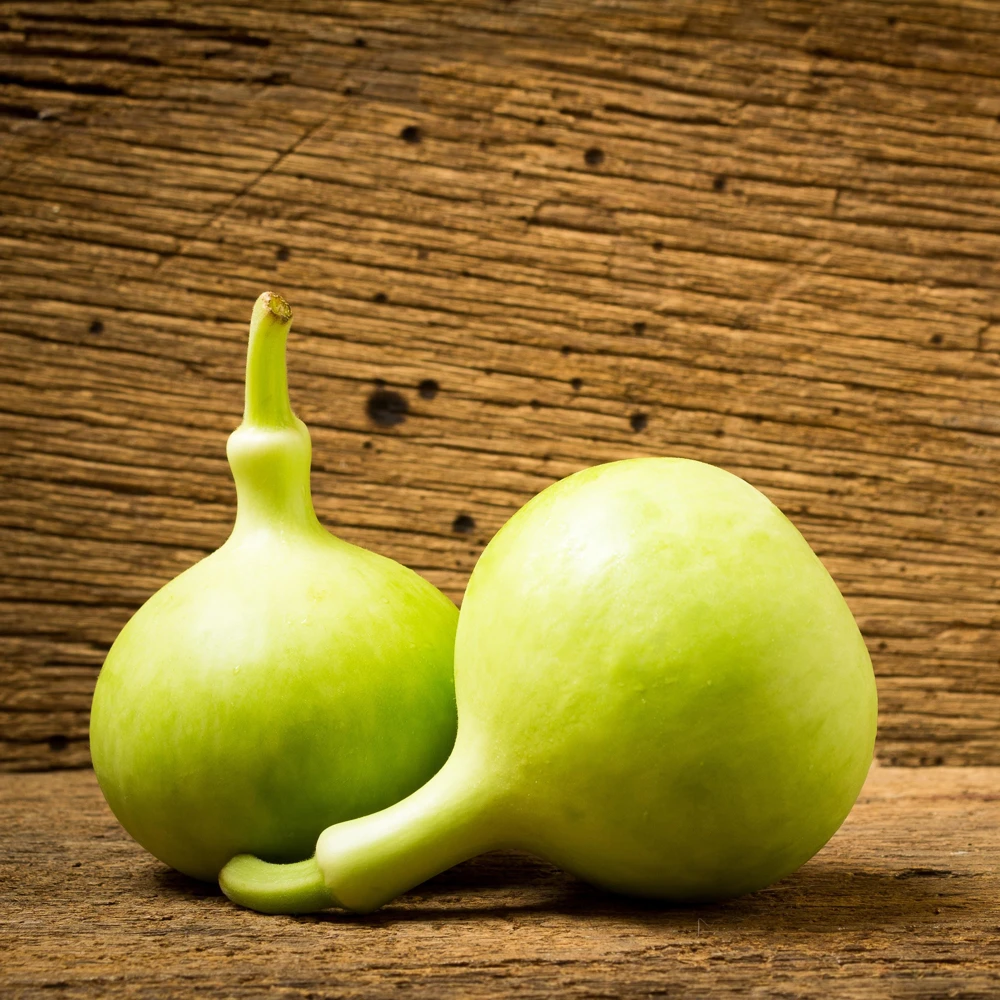
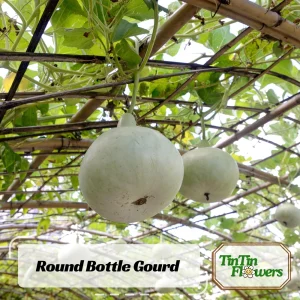
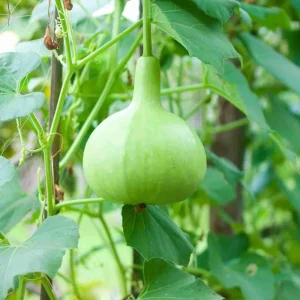
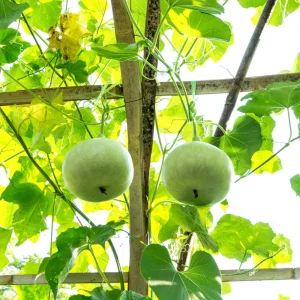
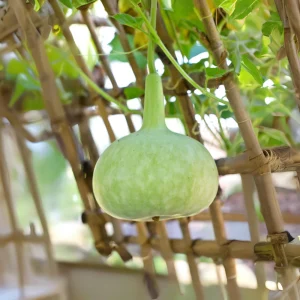
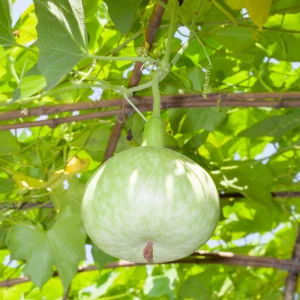
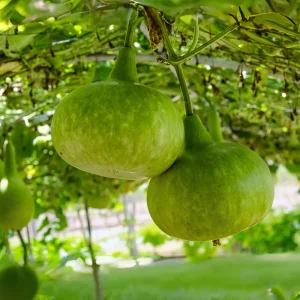
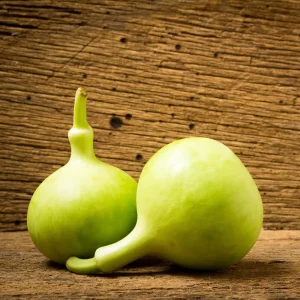
Embark on a rewarding gardening journey with these premium round bottle gourd seeds. Scientifically known as Lagenaria siceraria, this vigorous climbing vine is cherished worldwide for its dual utility. Originating from tropical and subtropical regions, the bottle gourd has been cultivated for thousands of years, not only as a nutritious vegetable but also for its mature dried shell, which can be crafted into various household items and decorative pieces. This particular variety produces round, smooth gourds that are a culinary delight in soups, stir-fries, and curries. Whether you’re an experienced gardener or just starting, these lagenaria siceraria seeds offer a high-yield potential and are surprisingly easy to cultivate, making them a fantastic addition to any home garden seeking fresh, homegrown produce.
Each pack contains 10 seeds, providing a robust start to growing your own supply of this fascinating plant. The adaptability of the round bottle gourd seeds allows them to thrive in various conditions, provided they receive adequate sunlight and support for their climbing habit. Enjoy the satisfaction of harvesting your own gourds, knowing they are fresh, organic, and cultivated with your own hands. Beyond their culinary appeal, the lush foliage and unique fruit development of this plant also add an aesthetic charm to your garden space, transforming trellises and arbors into vibrant green displays.
Key Benefits
Growing your own bottle gourds from these round bottle gourd seeds offers a multitude of benefits, from fresh, healthy food to engaging gardening activities. These seeds are a fantastic choice for gardeners looking for both productivity and versatility.
- High Yield & Versatility: These seeds produce a vigorous climbing vine known for its high yield of round, smooth gourds. The gourds can be harvested young for culinary use as a nutritious vegetable or allowed to mature and dry for ornamental purposes, crafts, or traditional utensils.
- Nutritious & Delicious: Enjoy fresh, homegrown bottle gourds rich in vitamins, minerals, and dietary fiber. They are excellent in various dishes, from savory curries and stir-fries to refreshing soups, adding a unique flavor and texture to your meals.
- Easy to Grow: Designed for successful cultivation, these easy grow vegetable seeds are suitable for gardeners of all experience levels. With basic care and proper support, you can expect a thriving vine and abundant harvest.
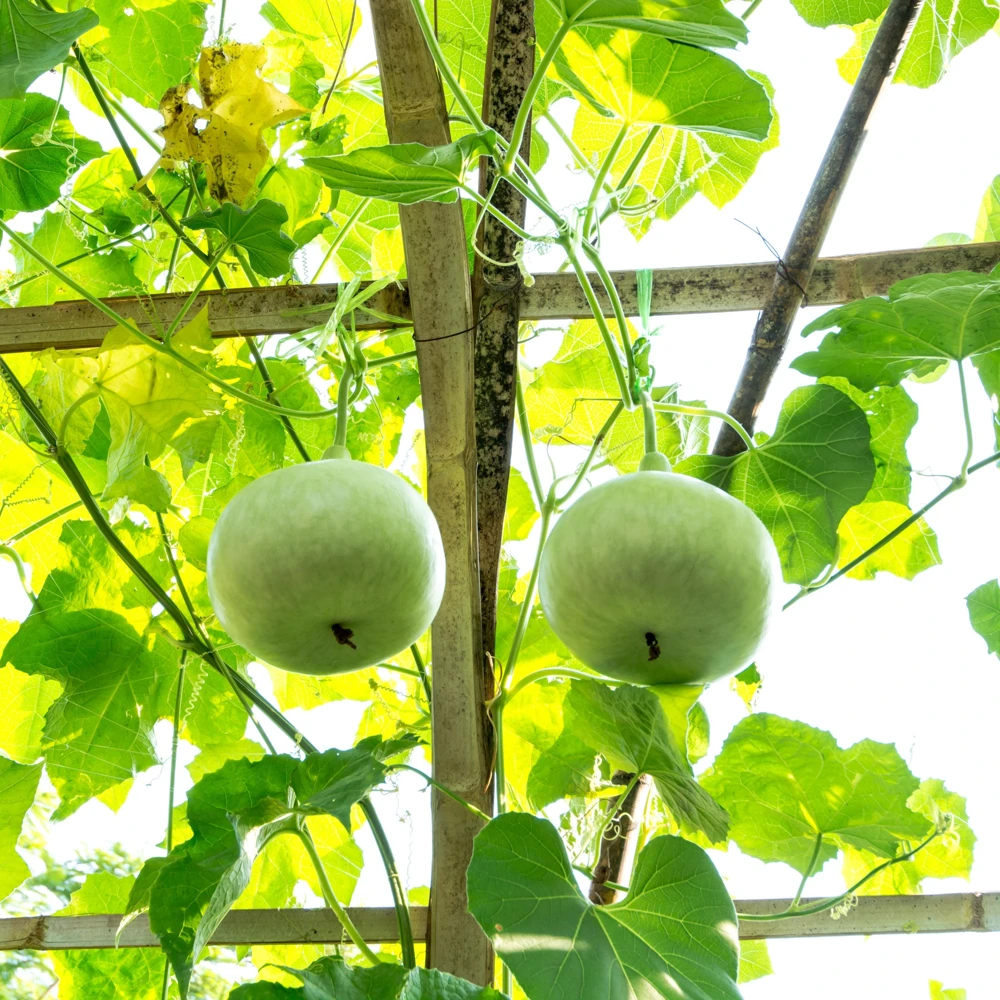
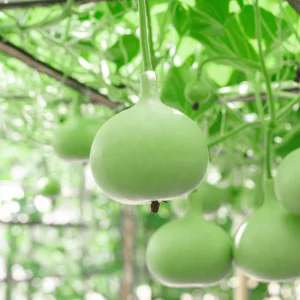
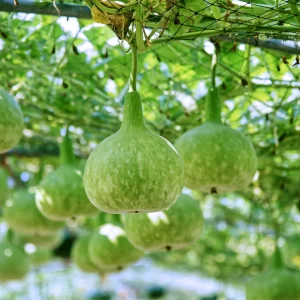
- Ornamental Appeal: Beyond their edible uses, the lush green foliage and developing gourds provide an attractive, natural canopy, making them perfect for trellises, arbors, or fences, enhancing the beauty of your garden.
- Sustainable Gardening: By growing your own edible gourd seeds, you contribute to sustainable living, reducing your carbon footprint and ensuring a fresh, local food source free from pesticides and chemicals.
- Educational Experience: Cultivating these lagenaria siceraria seeds offers a wonderful opportunity for children and adults alike to learn about plant growth, life cycles, and the journey from seed to harvest.
- Unique Harvest: Experience the joy of harvesting unique, round gourds that can be enjoyed fresh or transformed into lasting decorative pieces, providing satisfaction long after the growing season.
Plant Care & Growing Tips
Cultivating a healthy and productive vine from your round bottle gourd seeds requires attention to a few key growing conditions. To ensure optimal germination and vigorous growth, it’s highly recommended to prepare your seeds before planting. Soak the seeds in warm water for 12–24 hours to soften their hard outer coat, which significantly aids in germination. For even better results, you can scarify the seeds by gently nicking the seed coat with a file or sandpaper, taking care not to damage the embryo inside. Once prepared, plant the seeds ½–¾ inch (1–2 cm) deep in fertile, well-drained soil, spacing them 24–36 inches (60–90 cm) apart to allow ample room for growth. Germination typically occurs within 7–14 days under warm conditions, ideally between 72–86°F (22–30°C).
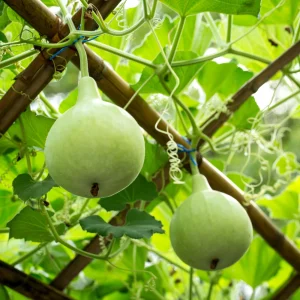
For thriving growth, provide full sun exposure, ensuring the plants receive at least 6–8 hours of direct sunlight daily. Consistent moisture is crucial, so keep the soil evenly moist but not waterlogged. Bottle gourds are heavy feeders, so enriching the soil with compost or a balanced fertilizer every 2–3 weeks will promote strong growth and abundant fruiting. As a climbing vine, strong support is essential. Install a sturdy trellis, arbor, or fence early in the plant’s life to allow the long vines to climb and spread, which also helps keep the developing gourds off the ground, reducing the risk of rot and pest damage. Protect young plants from sudden cold snaps, as they are sensitive to frost. Regular monitoring for pests and diseases will help maintain the health of your climbing gourd vine throughout the growing season.
Harvesting for edible use should occur when the fruits are still tender and green, typically 4–6 inches in diameter, for the best flavor and texture. If you intend to use them for ornamental or craft purposes, allow the gourds to mature fully on the vine until they are hard and the skin has dried. Once dried, they can be cleaned, decorated, and used for various creative projects. With proper care, your lagenaria siceraria seeds will transform into a prolific plant, providing both culinary delights and unique decorative elements.
Size & Details
This product includes one full pack of 10 high-quality round bottle gourd seeds. Each seed is carefully selected to ensure viability and a high germination rate, setting you up for a successful harvest. The resulting plants are vigorous climbing vines, capable of reaching lengths of 10-20 feet or more, depending on growing conditions and available support. The gourds themselves vary in size, typically maturing to a diameter of 4-6 inches for edible harvest, but can grow larger if left to mature for ornamental use. These are annual plants, completing their life cycle within one growing season. They are best started indoors in cooler climates or directly sown outdoors after the last frost in warmer regions. The robust nature of these edible gourd seeds means they establish quickly and provide a continuous harvest throughout the warm months.
Frequently Asked Questions
- Q: How big does the bottle gourd vine get? A: The climbing gourd vine from these seeds can grow quite long, typically reaching 10-20 feet or more. Providing a strong trellis or arbor is essential for support and to maximize fruit production.
- Q: Are these round bottle gourd seeds easy to grow for beginners? A: Yes, these are considered easy grow vegetable seeds. With proper seed preparation (soaking), full sun, consistent watering, and a sturdy support structure, even beginner gardeners can achieve a successful harvest.
- Q: How much sunlight do bottle gourds need? A: Bottle gourds require full sun, meaning at least 6-8 hours of direct sunlight per day, to thrive and produce abundant fruit.
- Q: When is the best time to plant these lagenaria siceraria seeds? A: The best time to plant is after the last danger of frost has passed in your region, when soil temperatures are consistently warm. In cooler climates, you can start seeds indoors 3-4 weeks before the last frost date.
- Q: What condition will the seeds arrive in? A: The seeds will arrive in a sealed pack, ensuring their freshness and viability. They are ready for preparation and planting upon arrival.
- Q: Can I use the bottle gourds for crafts? A: Absolutely! If you allow the gourds to mature fully on the vine until they dry and harden, they can be harvested and used for a variety of crafts, utensils, or decorative purposes.
- Q: How long does it take for the gourds to mature for edible harvest? A: For edible harvest, bottle gourds are typically ready 60-80 days after planting, when they are still young, tender, and green, usually around 4-6 inches in diameter.
- Q: What kind of soil do these edible gourd seeds prefer? A: They prefer fertile, well-drained soil rich in organic matter. Amending your garden bed with compost before planting will greatly benefit their growth.
- Q: Will the bottle gourd vine survive winter? A: No, bottle gourd (Lagenaria siceraria) is an annual plant and will not survive winter frosts. It completes its life cycle within one growing season.
- Q: Do I need to fertilize my bottle gourd plants? A: Yes, bottle gourds are heavy feeders. Fertilizing with compost or a balanced fertilizer every 2-3 weeks after the plants have established will support vigorous growth and fruit production.


Reviews
There are no reviews yet.