Overview
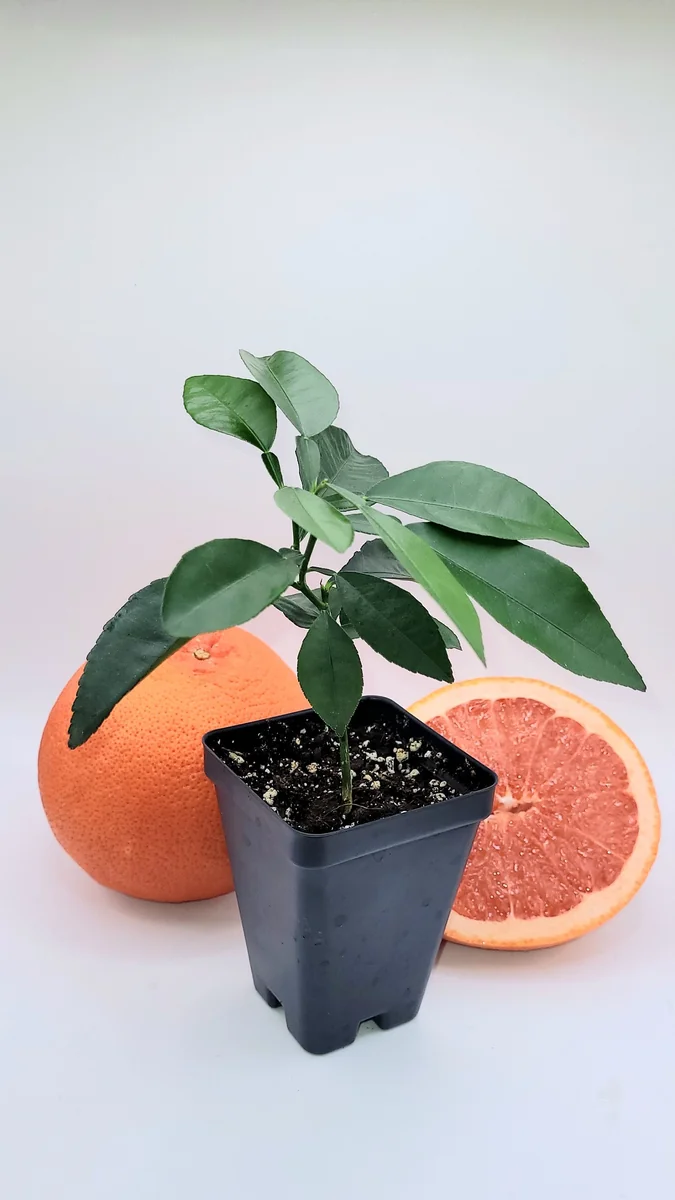
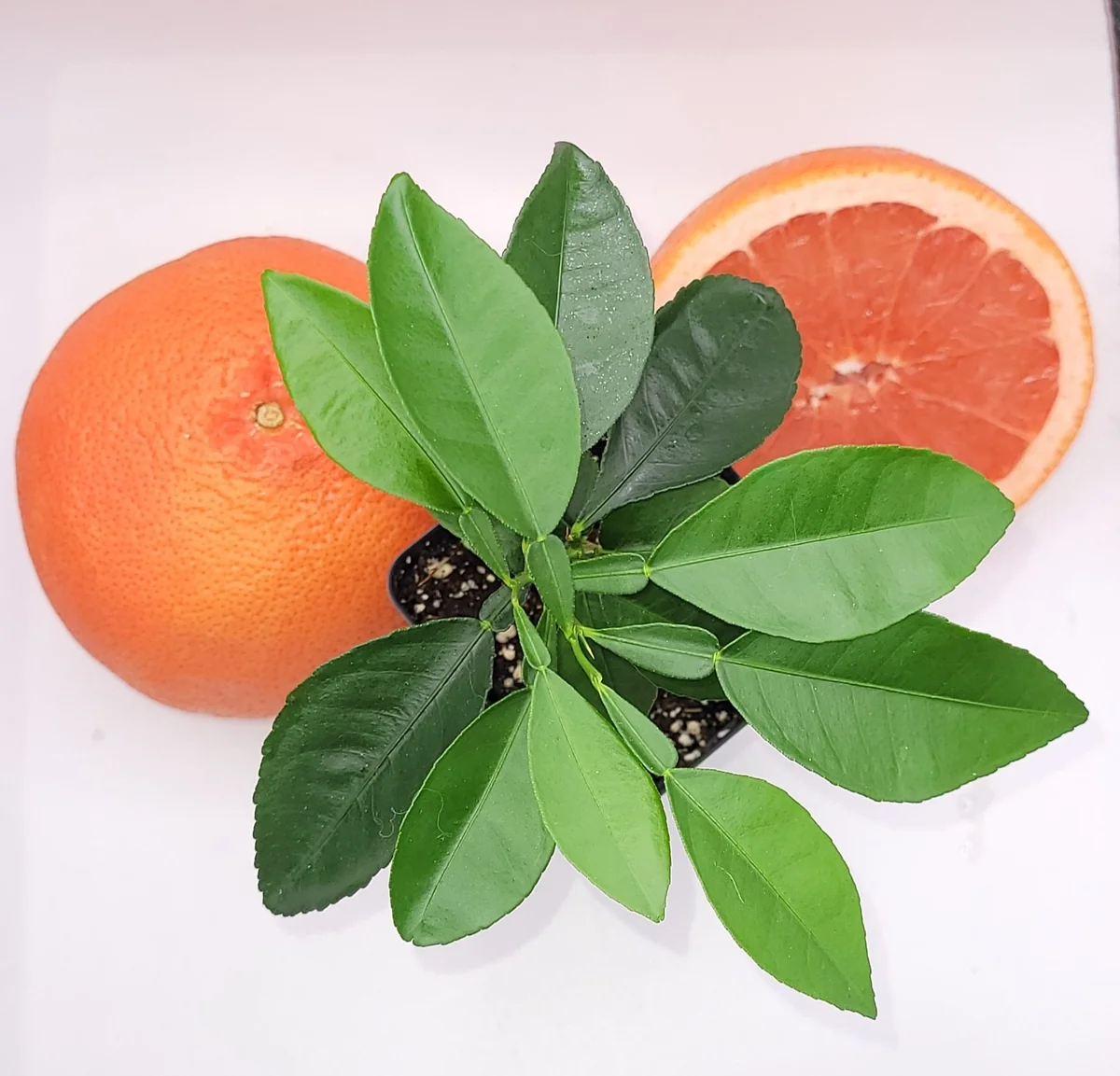
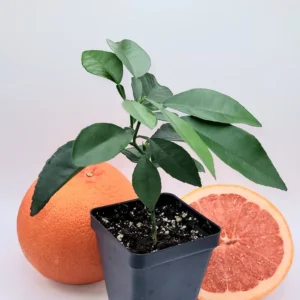
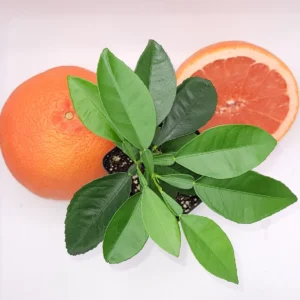
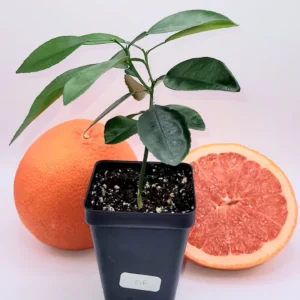
Embark on a rewarding gardening journey with our exquisite ruby grapefruit live plant. This young, vigorous citrus tree, currently standing at a healthy 3-5 inches tall, is ready to bring a touch of the tropics to your home or garden. Known for its juicy, sweet-tart fruit with a distinctive red-pink flesh, the ruby grapefruit (Citrus paradisi ‘Ruby’) is a highly sought-after variety. Growing your own grapefruit offers the unparalleled satisfaction of harvesting fresh, flavorful fruit right from your own plant. Whether you’re a seasoned gardener or a curious beginner, this ruby grapefruit live plant provides an excellent opportunity to cultivate a beautiful and productive fruit tree. It’s an adaptable plant that thrives in various settings, making it a versatile choice for many growing environments. Our ruby grapefruit live plant is carefully nurtured to ensure it arrives in optimal health, ready to establish itself in its new home. It’s perfect for those looking to add an exotic, fruitful element to their plant collection. Imagine the delight of plucking your own ruby red grapefruits, bursting with flavor and rich in vitamins. This small tree is an investment in future harvests and a charming addition to any space.
Key Benefits
Adding a ruby grapefruit live plant to your collection offers a multitude of benefits, from aesthetic appeal to the joy of homegrown produce. This citrus tree is more than just a decorative element; it’s a source of fresh fruit and a vibrant presence in your home or garden. Enjoy the satisfaction of nurturing your very own fruit-bearing tree.
- Fresh, Homegrown Fruit: The most significant benefit is the ability to harvest your own delicious ruby grapefruit. Enjoy fruit that is fresher and often more flavorful than store-bought varieties, free from pesticides and chemicals. This experience truly elevates your culinary endeavors.
- Beautiful Evergreen Foliage: The glossy, dark green leaves of the grapefruit tree provide year-round visual appeal. It serves as a stunning ornamental plant, adding a lush, tropical touch to any indoor or outdoor setting, enhancing your home’s aesthetic.
- Fragrant Blooms: In season, the tree produces wonderfully fragrant white citrus blossoms that can fill your space with a delightful aroma, enhancing the sensory experience of your garden or home. These blooms are a true delight.
- Air Purification: Like many plants, citrus trees contribute to cleaner indoor air by absorbing carbon dioxide and releasing oxygen, improving your home’s air quality and fostering a healthier environment.
- Engaging Hobby: Growing a fruit tree from a young plant is a fulfilling and educational hobby, allowing you to connect with nature and understand the growth cycle of a productive plant. It’s a journey of patience and reward.
- Versatile Growth: While it can grow into a large tree outdoors in warm climates, the ruby grapefruit live plant can also be maintained as a smaller, container-grown specimen for indoor enjoyment or patio gardening, offering great flexibility.
- Nutritional Value: Homegrown grapefruit is packed with Vitamin C and antioxidants, offering a healthy and refreshing addition to your diet. It’s a delicious way to boost your well-being.
Plant Care & Growing Tips
Caring for your ruby grapefruit live plant is a rewarding experience, leading to a healthy, productive tree. While relatively low-maintenance, providing the right conditions is crucial for optimal growth and fruit production. Understanding the specific needs of a ruby grapefruit tree care is key to its success, whether grown indoors or out. Proper care will ensure your plant thrives and eventually yields delicious fruit.
Sunlight: Grapefruit trees are sun-lovers. They require at least 6-8 hours of direct sunlight per day to thrive and produce fruit. If growing indoors, place your plant in a south-facing window or supplement with a grow light to ensure it receives adequate light. Outdoors, choose a location that receives full sun exposure throughout the day. In extremely hot climates, some afternoon shade can be beneficial to prevent leaf scorch, protecting the delicate foliage.
Watering: Consistent watering is essential, especially for young trees. Water thoroughly when the top 1-2 inches of soil feel dry to the touch. Ensure good drainage to prevent root rot, which can be detrimental to citrus plants. During warmer months, watering may be more frequent due to increased evaporation. Reduce watering slightly in winter, but never let the soil dry out completely. Proper watering is a critical aspect of ruby grapefruit tree care, impacting both growth and fruit development.
Soil: A well-draining, slightly acidic soil mix is ideal for your ruby grapefruit live plant. A good quality potting mix designed specifically for citrus or a blend of potting soil, perlite, and peat moss works well for container-grown plants, ensuring proper aeration and moisture retention. For outdoor planting, amend heavy clay soils with organic matter to improve drainage. Good drainage is paramount to prevent waterlogging and promote a healthy root system.
Temperature & Humidity: Grapefruit trees prefer warm temperatures, ideally between 60-90°F (15-32°C). They are not frost-tolerant, so protection is crucial. If grown outdoors in zones below USDA 9, they should be brought indoors for winter to avoid damage. Indoor plants appreciate higher humidity; consider misting or using a pebble tray to create a more favorable environment. This is especially important for those who want to grow grapefruit indoors effectively, mimicking their natural tropical habitat.
Fertilization: Feed your ruby grapefruit live plant with a balanced citrus-specific fertilizer during the growing season (spring through fall). Follow the product instructions for application rates to avoid over-fertilization. Reduce or stop fertilization during winter dormancy when the plant’s growth slows. Regular feeding supports healthy foliage and promotes robust fruit development, ensuring a bountiful harvest.
Pruning: Prune your grapefruit tree to maintain its shape, remove any dead or diseased branches, and encourage air circulation within the canopy. Light pruning can be done year-round to manage growth, while more significant shaping is best done in late winter or early spring before new growth begins. This helps manage the size, especially for those looking to cultivate a more compact form, similar to a dwarf grapefruit tree, suitable for containers.
Pests & Diseases: Keep an eye out for common citrus pests like aphids, scale, and spider mites. Treat infestations promptly with insecticidal soap or neem oil to minimize damage. Good air circulation and proper watering practices can help prevent fungal diseases. Learning to identify and address these issues is part of comprehensive ruby grapefruit tree care, ensuring your plant remains healthy and productive.
Size & Details
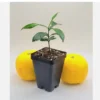
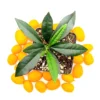
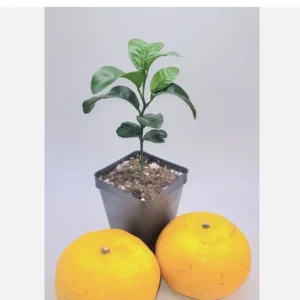
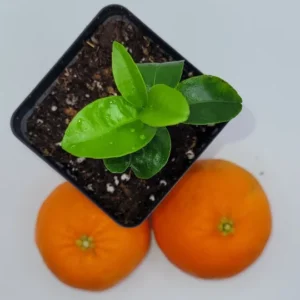
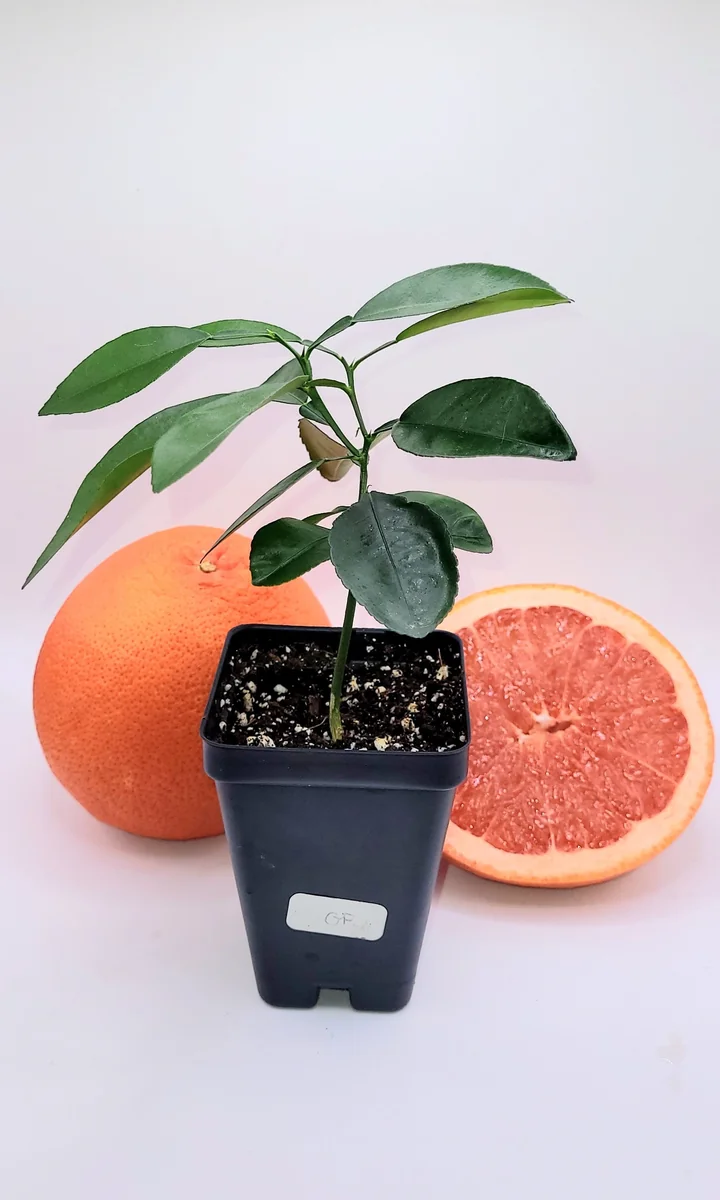
This offering is for one healthy ruby grapefruit live plant, currently measuring 3-5 inches in height from the top of the soil. It is a young seedling, establishing its root system and ready for transplanting into a larger pot or directly into the ground in appropriate climates. As a young plant, its growth rate will be steady, allowing you to watch it mature into a productive fruit tree over time. The plant is shipped in a small nursery container, ensuring its roots are protected during transit. With proper care, these young trees can begin to produce fruit within 3-5 years, depending on growing conditions and environment. While not a true dwarf grapefruit tree variety by nature, it can be maintained at a smaller, manageable size through consistent pruning, making it suitable for container gardening and those who wish to grow grapefruit indoors effectively.
Expect vibrant green foliage and a sturdy stem, indicating good health. The mature size of a grapefruit tree can vary significantly based on whether it’s grown in the ground or in a container, and if it’s pruned. In optimal outdoor conditions, it can reach heights of 15-20 feet, but as a potted plant, it can be kept much smaller, often 6-10 feet, making it a perfect choice for patios or indoor spaces with sufficient light.
Frequently Asked Questions
- Q: How big will my ruby grapefruit live plant get? A: This plant is currently 3-5 inches tall. When grown in the ground in ideal conditions, it can reach 15-20 feet. If kept in a container and pruned regularly, it can be maintained at a more compact size, typically 6-10 feet, perfect for those who want to grow grapefruit indoors.
- Q: Is this an indoor or outdoor plant? A: The ruby grapefruit live plant can be grown outdoors in USDA Zones 9-11. In colder climates, it is best grown in a container and brought indoors during winter months. It thrives in bright, sunny locations, adapting to various environments with proper care.
- Q: How much sunlight does it need? A: Grapefruit trees require a minimum of 6-8 hours of direct sunlight per day to produce fruit. If growing indoors, place it in the sunniest window available, preferably south-facing, or use a supplemental grow light to meet its needs.
- Q: Is this plant easy to care for? A: With consistent care regarding sunlight, watering, and feeding, the ruby grapefruit live plant is relatively easy to care for. It’s a great choice for gardeners looking for a rewarding citrus tree, offering a fulfilling experience. Consistent ruby grapefruit tree care is key to its success.
- Q: What condition will it arrive in? A: Your ruby grapefruit live plant will arrive as a healthy, actively growing seedling, 3-5 inches tall, securely packaged in a small nursery pot to protect its root system during transit, ensuring it’s ready for its new home.
- Q: How long until it produces fruit? A: Typically, a young ruby grapefruit live plant will begin producing fruit within 3-5 years after planting, given optimal growing conditions and proper care. Patience is rewarded with delicious harvests of fresh grapefruit.
- Q: What is the best way to ensure fruit production? A: To encourage fruit production, ensure your plant receives ample sunlight, consistent watering, and regular feeding with a citrus-specific fertilizer during the growing season. Proper pollination can also be a factor for those who grow grapefruit indoors, sometimes requiring manual assistance.
- Q: Can I keep this plant small, like a dwarf grapefruit tree? A: While this is a standard grapefruit variety, you can effectively manage its size and create a more compact form by growing it in a container and performing regular pruning. This allows you to shape it to your desired size and still enjoy fruit, making it versatile for smaller spaces.
- Q: What kind of soil does it prefer? A: Your ruby grapefruit live plant will thrive in a well-draining, slightly acidic soil. A good quality potting mix formulated for citrus plants or a mix enriched with perlite and peat moss is recommended for optimal growth and health.
- Q: Are there any specific tips for those who want to grow grapefruit indoors? A: For indoor growing, ensure maximum sunlight, consider a grow light, maintain consistent humidity (misting or pebble tray), and ensure good air circulation. You may also need to hand-pollinate the flowers to encourage fruit set, just like a natural pollinator would.


Reviews
There are no reviews yet.