Overview
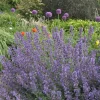
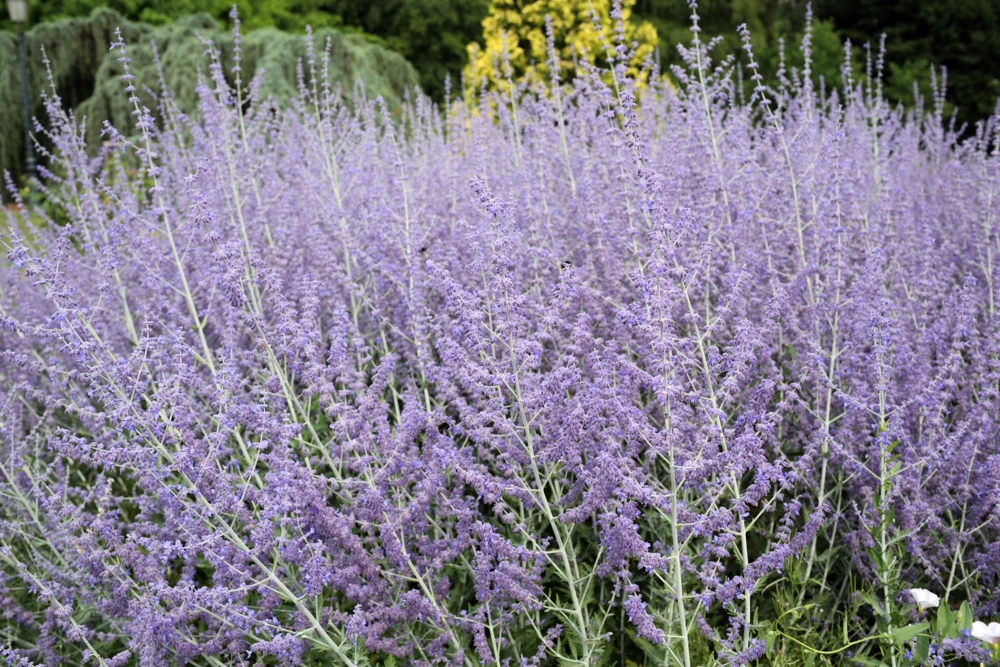
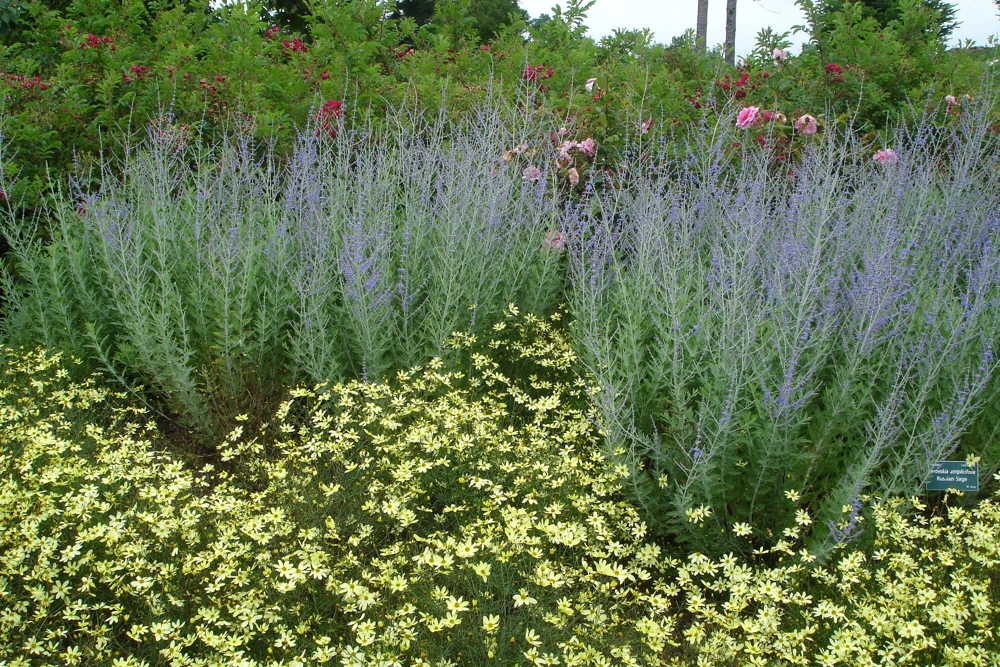
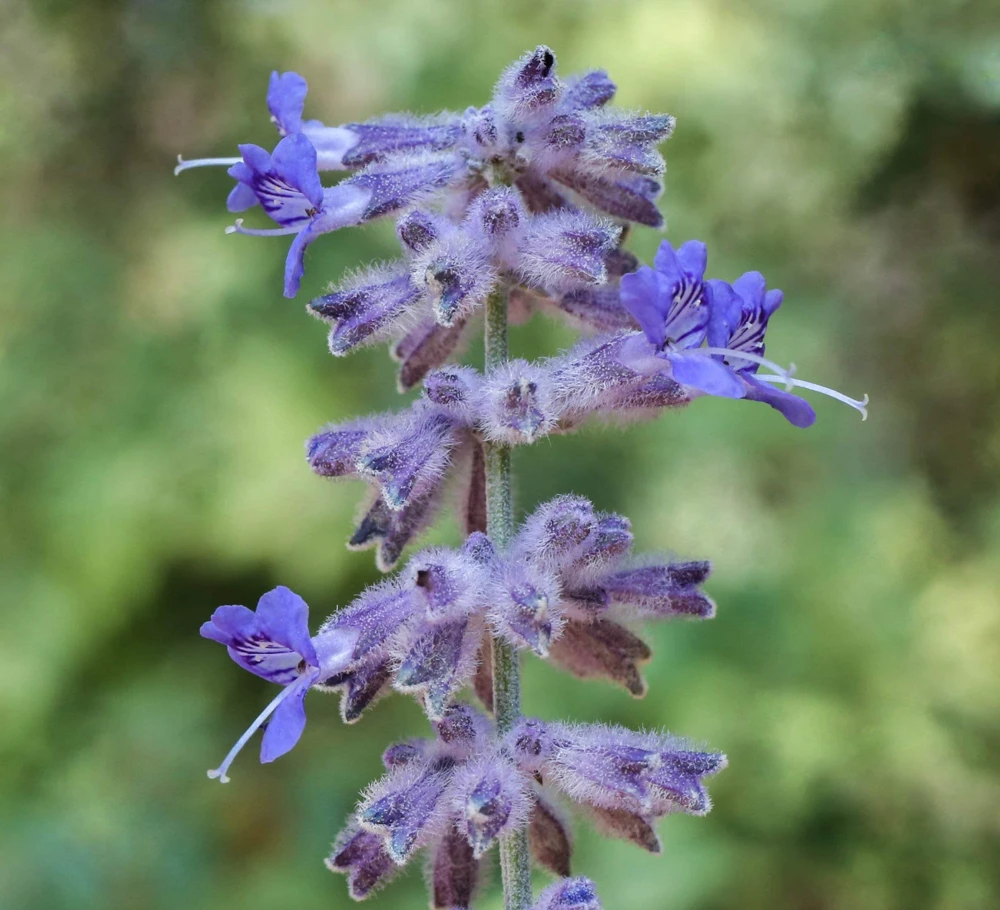
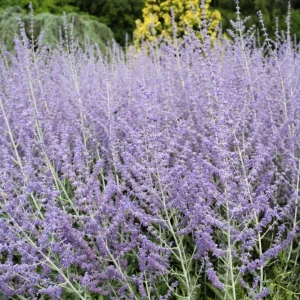
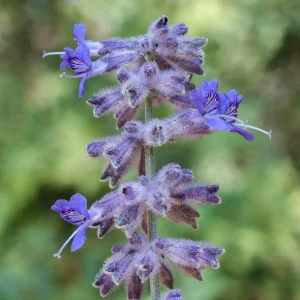
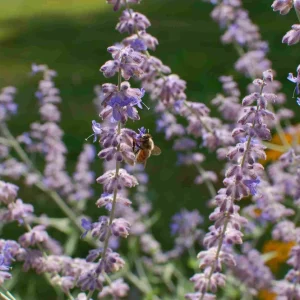
Discover the beauty and resilience of the russian sage live plant, botanically known as perovskia atriplicifolia. This exceptional perennial is a favorite among gardeners for its striking appearance and robust nature. Originating from Central Asia, Russian Sage has become a staple in drought-tolerant landscapes across North America. It is cherished for its aromatic, silvery-gray foliage that provides a beautiful contrast to its delicate yet abundant lavender-blue flowers. These graceful spikes emerge in mid-summer and continue their display well into the fall, creating a continuous source of color when many other plants begin to fade. Perfect for borders, mass plantings, or as an accent plant, the russian sage live plant offers an unparalleled combination of beauty and ease of care.
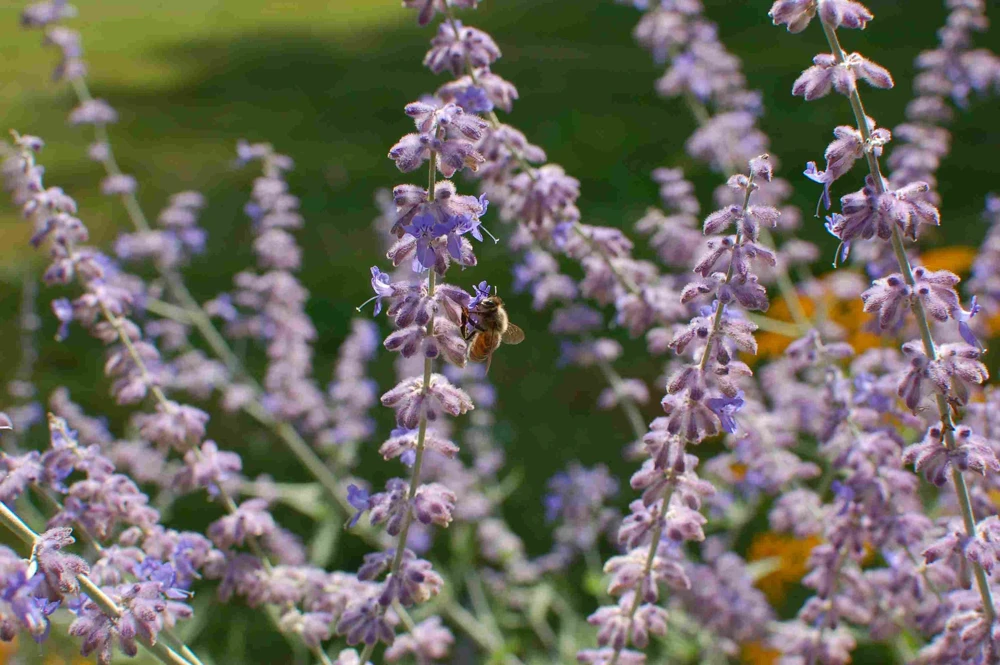
This particular offering provides a healthy, well-rooted starter plant, ready to establish itself in your garden. Whether you’re a seasoned gardener or just starting, the Russian Sage is an excellent choice for adding long-lasting beauty and attracting beneficial pollinators like butterflies and bees. Its unique texture and color make it a versatile addition to various garden styles, from cottage gardens to modern xeriscapes. Embrace the charm of this magnificent plant and enjoy its season-long performance.
Key Benefits
The russian sage live plant offers numerous advantages, making it an indispensable part of any garden. Its hardiness and aesthetic appeal contribute to a vibrant and resilient landscape.
- Extended Bloom Season: Enjoy gorgeous lavender-blue flower spikes from summer through fall, providing continuous color and visual interest in your garden.
- Attracts Pollinators: The abundant flowers are a magnet for butterflies, bees, and other beneficial pollinators, enhancing your garden’s ecosystem.
- Aromatic Foliage: The silvery, gray-green leaves release a pleasant, herbal fragrance when brushed, adding another sensory dimension to your outdoor space.
- Deer and Pest Resistant: Known for its strong aroma and tough texture, the russian sage live plant is naturally resistant to deer and many common garden pests, reducing the need for intervention.
- Drought Tolerant: Once established, this plant is highly drought-tolerant, making it an ideal choice for water-wise gardening and arid climates.
- Low Maintenance: Requires minimal care, primarily needing a cut back in spring to encourage new growth, making it perfect for busy gardeners.
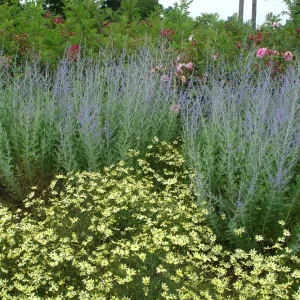
- Versatile Landscape Use: Excellent for mixed borders, rock gardens, mass plantings, or as a specimen plant, offering flexibility in garden design.
Plant Care & Growing Tips
Caring for your russian sage live plant is straightforward, ensuring a thriving and beautiful addition to your landscape. This hardy perennial prefers specific conditions to reach its full potential, including ample sunlight and well-draining soil. To promote vigorous growth and abundant blooms, it’s crucial to understand its basic needs. For optimal results, plant your Russian Sage in an area that receives full sun, meaning at least six hours of direct sunlight per day. This exposure is critical for flower production and maintaining the plant’s compact, upright habit. Without enough sun, it can become leggy and produce fewer flowers.
When it comes to watering, russian sage care is relatively simple. Once established, it is highly drought-tolerant and prefers dry conditions. Overwatering can lead to root rot, so ensure the soil dries out between waterings. Plant in well-draining soil, ideally a sandy or gravelly loam, to prevent waterlogging. Good drainage is paramount for the health of this plant. Russian Sage is hardy in USDA Zones 5-9, tolerating a wide range of temperatures. In colder zones, a layer of mulch can help protect the roots during winter. Fertilization is rarely needed; if your soil is poor, a light application of a balanced slow-release fertilizer in spring can be beneficial. The most important maintenance task is to cut the plant back to the ground (about 4-6 inches) in early spring, just as new growth begins to emerge. This encourages a bushier habit and more prolific flowering. This practice is key to successful russian sage care and maintaining its attractive form. Monitor for any signs of stress, though this plant is generally very robust and healthy.
Size & Details
This offering is for one healthy, well-rooted russian sage live plant, provided as a starter plant. It comes in a 2.5”x3.5” deep pot, ensuring a well-established root system ready for transplanting into your garden or a larger container. Russian Sage typically grows to a mature height of 2-4 feet and spreads 2-3 feet wide, forming an upright, airy mound. Its growth rate is moderate, and it will quickly establish itself in suitable conditions. The plant ships dormant from November to April, meaning it may arrive with little to no leaves, which is normal for this period and does not affect its health. Expect to see significant growth and flowering in its first full growing season. This plant is known for its durability and long season of blooms, making it a reliable choice for long-term garden interest. The perovskia atriplicifolia is a sub-shrub or perennial, meaning it will return year after year, growing larger and more impressive with age.
Frequently Asked Questions
- Q: How big does a russian sage live plant get? A: A russian sage live plant typically reaches a mature height of 2-4 feet and can spread 2-3 feet wide, forming an attractive, mounded shape in your garden.
- Q: Is this an indoor or outdoor plant? A: Russian Sage is primarily an outdoor plant, thriving in full sun and well-draining soil in USDA Zones 5-9. It is not recommended for indoor cultivation.
- Q: How much sunlight does russian sage need? A: This plant requires full sun, meaning at least 6 hours of direct sunlight per day, to produce the most vibrant blooms and maintain a healthy, compact form.
- Q: Is this plant easy to care for? A: Yes, Russian Sage is considered a very easy-to-maintain plant. Its drought tolerance and resistance to deer and pests make russian sage care minimal.
- Q: What condition will the starter plant arrive in? A: The starter plant will arrive healthy and well-rooted in a 2.5”x3.5” deep pot. If shipped between November and April, it may appear dormant with few or no leaves.
- Q: When is the best time to plant russian sage? A: The best time to plant Russian Sage is in spring after the last frost, allowing it ample time to establish before the summer heat or winter cold.
- Q: Will this plant attract butterflies? A: Absolutely! The beautiful lavender-blue flower spikes are very attractive to butterflies, bees, and other beneficial pollinators, making it a great choice for a pollinator garden.
- Q: Is russian sage deer resistant? A: Yes, Russian Sage is well-known for being a deer resistant plant due to its aromatic foliage, making it a good choice for areas where deer are a problem.
- Q: What kind of soil does perovskia atriplicifolia prefer? A: Perovskia atriplicifolia thrives in well-draining soil, preferably sandy or gravelly loam. Good drainage is crucial to prevent root rot.
- Q: Can I grow russian sage in a container? A: Yes, Russian Sage can be grown in containers, provided they are large enough and have excellent drainage. Ensure the container is placed in a location receiving full sun perennials.


Reviews
There are no reviews yet.