Overview
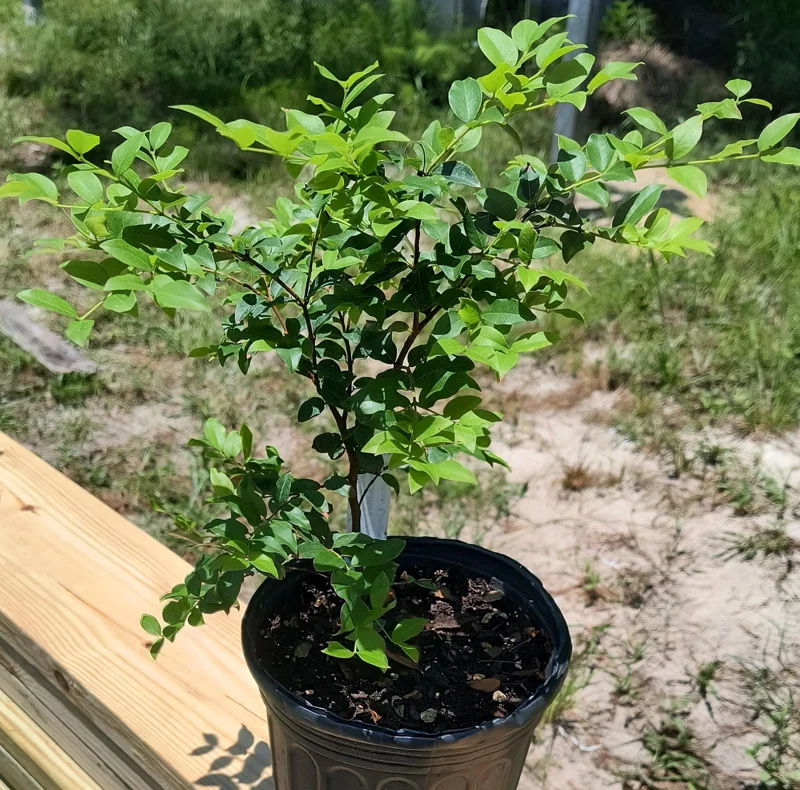
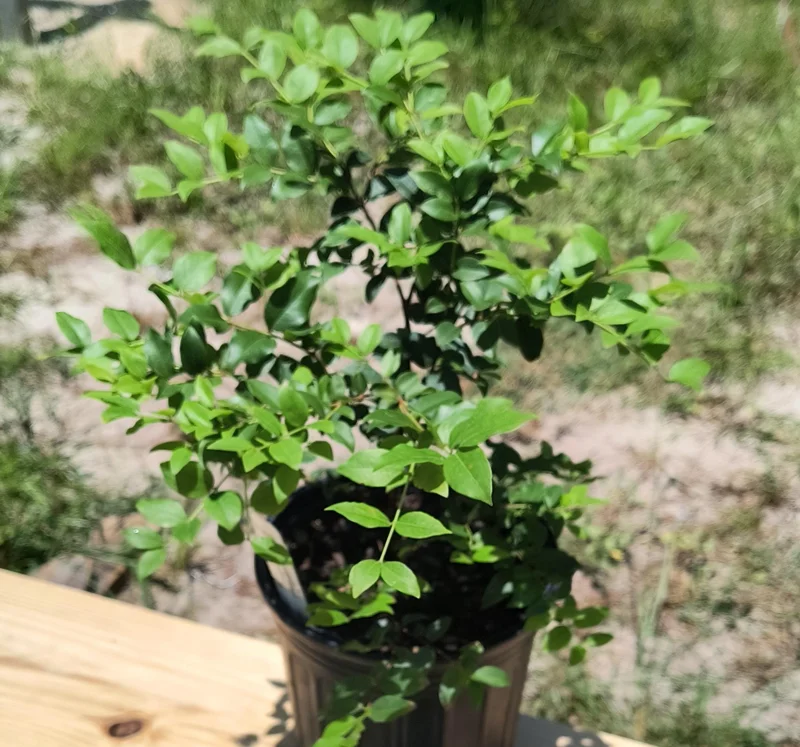
Cultivate a unique and rewarding fruiting tree with this sabara jaboticaba live plant. Known botanically as Myrciaria cauliflora or Plinia cauliflora, the jaboticaba is a fascinating and highly ornamental fruit tree native to Brazil. Unlike most fruit trees, the jaboticaba produces its sweet, purplish-black fruits directly on its trunk and main branches, a phenomenon known as cauliflory. This particular cultivar, ‘Sabara’, is prized for its early and abundant fruiting, offering a delightful grape-like flavor perfect for fresh eating, jams, jellies, and juices. This young sabara jaboticaba live plant, measuring 10-12 inches and shipped in a 1-gallon pot, is an excellent starter for home gardeners eager to grow their own exotic fruit. With proper care, this long-lived tree will become a cherished part of your landscape, providing beauty and bountiful harvests for many years.
The jaboticaba fruit tree is not just a source of delicious fruit; it’s also a beautiful evergreen specimen with attractive, peeling bark and dense foliage. It can be grown as a large shrub or a small tree, making it versatile for various garden sizes and even suitable for container growing in cooler climates. Its slow growth rate and unique fruiting habit make it a conversation starter and a true gem in any edible landscape or ornamental garden. Get ready to enjoy the novelty and flavor of fresh jaboticaba fruit right from your own backyard.
Key Benefits
Adding a sabara jaboticaba live plant to your garden offers a multitude of benefits, from its unique aesthetic appeal to its delicious and healthy fruit. This remarkable plant provides both ornamental value and a valuable food source, making it a truly exceptional choice for any gardening enthusiast.
- Unique Fruiting Habit: Experience the wonder of cauliflory as this tree produces sweet, grape-like fruits directly on its trunk and branches. This unusual display makes the jaboticaba fruit tree a standout in any landscape and a fascinating talking point.
- Delicious and Nutritious Fruit: Enjoy fresh, juicy jaboticaba fruit, rich in antioxidants, vitamins, and minerals. The ‘Sabara’ variety is particularly noted for its sweet flavor, making it excellent for fresh consumption, preserves, juices, and even wine.
- Ornamental Evergreen Foliage: Beyond its fruit, the jaboticaba boasts attractive evergreen leaves and distinctive, often mottled, bark that peels to reveal lighter colors beneath, adding year-round visual interest to your garden.
- Adaptable Growth: While typically grown as a small tree, the sabara jaboticaba live plant can also be pruned into a large shrub or even trained as a bonsai specimen, offering flexibility for different garden designs and spaces.
- Long-Lived and Productive: Jaboticaba trees are known for their longevity and can produce fruit for decades once established, becoming a lasting legacy in your garden.
- Relatively Low Maintenance: Once established, jaboticaba trees are quite hardy and require moderate care, making them suitable for gardeners of varying experience levels.
- Pest and Disease Resistant: Generally, jaboticaba trees are not prone to many serious pests or diseases, contributing to their ease of care and reliability.
Plant Care & Growing Tips
Caring for your sabara jaboticaba live plant involves providing the right conditions to ensure healthy growth and abundant fruiting. Jaboticabas prefer full sun to partial shade, with at least 6 hours of direct sunlight being ideal for optimal fruit production. While they can tolerate some shade, fruit yield may decrease. If growing indoors or in a container, ensure it receives bright light, perhaps near a south-facing window or supplemented with grow lights. Protection from strong winds is also beneficial, especially for young plants.
Watering is crucial for jaboticabas, particularly during dry spells and when the plant is young. They prefer consistently moist, but not waterlogged, soil. Allow the top inch or two of soil to dry out slightly between waterings, then water deeply. Reduce watering frequency during cooler months or if the plant is dormant. Good drainage is paramount; ensure your soil or potting mix allows excess water to escape readily to prevent root rot. The ideal soil for a myrciaria cauliflora plant is slightly acidic to neutral (pH 5.5-7.0), rich in organic matter, and well-draining. Incorporating compost or other organic amendments into your planting site or potting mix will greatly benefit its growth.
Jaboticabas are tropical to subtropical plants and thrive in warm, humid conditions. They are generally hardy in USDA Zones 9-11, where they can be grown outdoors year-round. In colder climates, they can be grown in containers and brought indoors when temperatures drop below freezing. Fertilize young plants every 2-3 months with a balanced, slow-release fertilizer, and established trees 3-4 times a year, adjusting for fruit production cycles. Look for fertilizers formulated for acid-loving plants. Pruning is generally minimal, focused on shaping the tree, removing dead or diseased branches, and maintaining an open canopy for air circulation. Understanding how to grow jaboticaba successfully involves consistent watering, appropriate sun exposure, and rich, well-draining soil.
Size & Details
This offering is for a healthy sabara jaboticaba live plant, measuring approximately 10-12 inches in height from the soil line. It is carefully nurtured and shipped in a 1-gallon nursery pot, providing a robust root system ready for transplanting into a larger container or directly into your garden. Jaboticaba trees are known for their relatively slow growth rate, especially when young, but they are incredibly long-lived and become more productive with age. Expect this plant to establish itself well within its first year, gradually increasing in size. While exact fruiting times vary, the ‘Sabara’ cultivar is celebrated for being one of the earliest to produce, with some young plants beginning to flower and fruit within 3-5 years under ideal conditions.
Mature jaboticaba fruit tree specimens can reach heights of 10-20 feet in ideal conditions, though they can be kept smaller with pruning. They form a dense, bushy canopy and develop a distinctive, often multi-trunked habit. The fruit itself is small, round, and dark purple to black when ripe, resembling a large grape, and grows directly on the woody parts of the tree. This plant is a fantastic choice for those looking to add a unique, edible, and highly ornamental tree to their collection, promising years of enjoyment and delicious harvests.
Frequently Asked Questions
- Q: How big does this plant get? A: This sabara jaboticaba live plant is currently 10-12 inches tall and shipped in a 1-gallon pot. Mature trees can reach 10-20 feet tall, but their size can be managed with pruning, making them suitable for various garden spaces or container growing.
- Q: Is this an indoor or outdoor plant? A: The jaboticaba fruit tree is primarily an outdoor plant in USDA Zones 9-11. In colder climates, it can be grown in a container and brought indoors during the colder months to protect it from frost.
- Q: How much sunlight does it need? A: For optimal growth and fruit production, your myrciaria cauliflora plant prefers full sun (at least 6 hours of direct sunlight per day). It can tolerate partial shade, but fruiting may be reduced.
- Q: Is this plant easy to care for? A: Once established, jaboticabas are relatively low-maintenance. They require consistent watering, well-draining soil, and protection from freezing temperatures. Understanding how to grow jaboticaba is key to its success.
- Q: What condition will it arrive in? A: Your sabara jaboticaba live plant will arrive as a healthy, actively growing plant in a 1-gallon nursery pot, carefully packaged to ensure its safe journey.
- Q: How long until it blooms and fruits? A: The ‘Sabara’ cultivar is known for early fruiting, with some plants beginning to flower and produce fruit within 3-5 years from a young age, given optimal growing conditions.
- Q: What kind of soil is best for a jaboticaba? A: Jaboticabas thrive in slightly acidic to neutral (pH 5.5-7.0), well-draining soil that is rich in organic matter. A good quality potting mix amended with compost works well for container growing.
- Q: Can I grow the jaboticaba fruit tree in a pot indefinitely? A: Yes, jaboticabas adapt well to container growing, especially in climates where they need to be moved indoors. Ensure you use a large pot with good drainage and repot as the plant grows.
- Q: What are the fruits used for? A: The sweet, grape-like fruits from your sabara jaboticaba live plant are delicious eaten fresh, but they are also excellent for making jams, jellies, juices, and even wine.
- Q: Will it survive winter in my zone? A: Jaboticabas are sensitive to frost. If you are outside USDA Zones 9-11, you will need to protect your plant from freezing temperatures by bringing it indoors or providing adequate winter protection.


Reviews
There are no reviews yet.