Overview
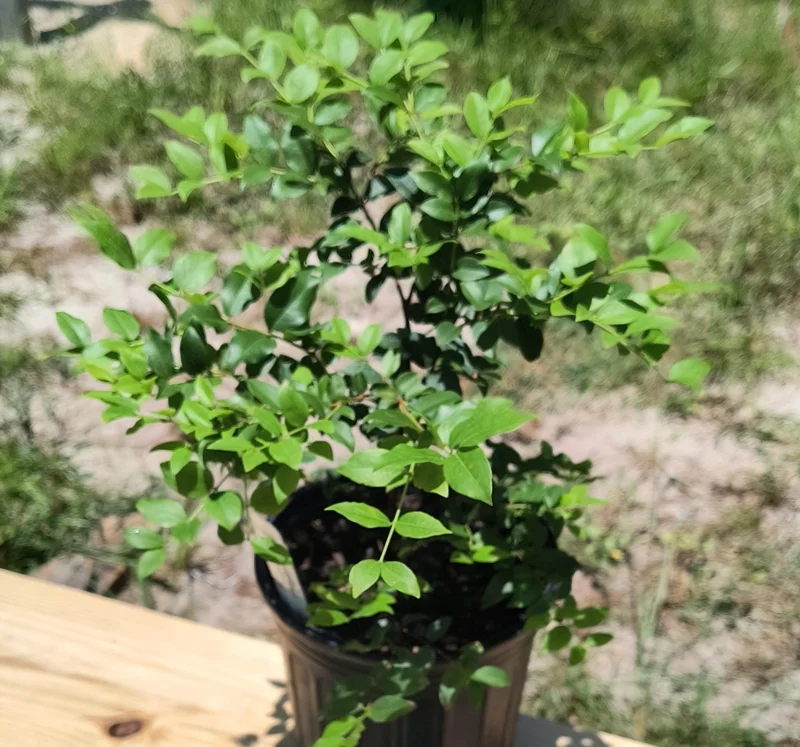
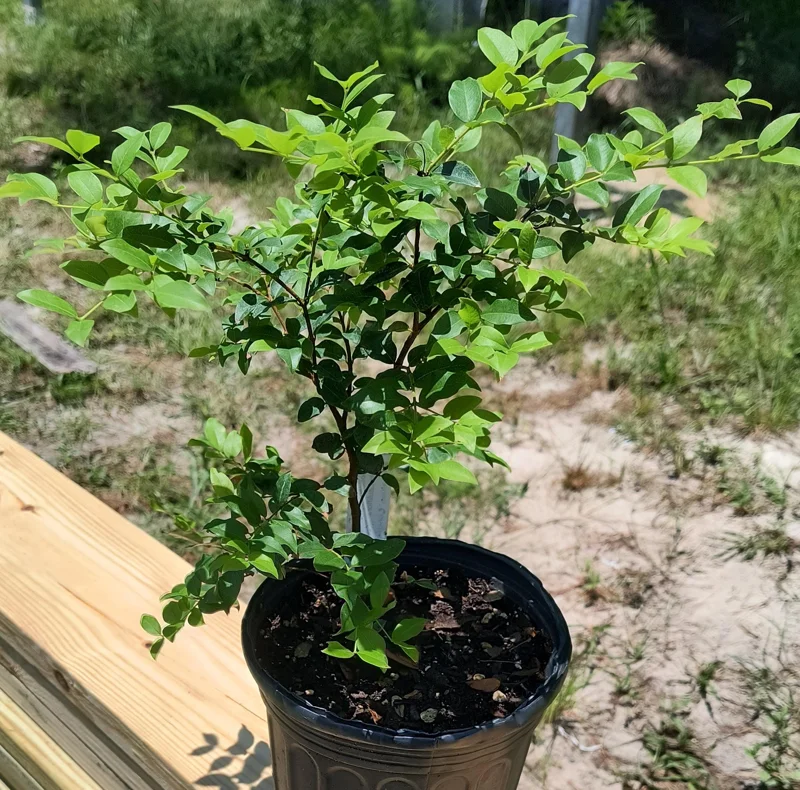
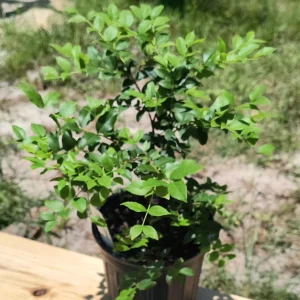
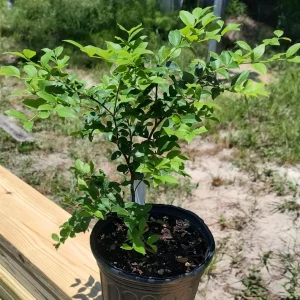
Introduce a taste of the tropics to your garden with the exquisite Sabara Jaboticaba live plant. This unique and highly sought-after fruit tree, scientifically known as Myrciaria cauliflora or Plinia cauliflora, is famous for its distinctive growth habit: producing abundant, dark purple, grape-like fruits directly on its trunk and main branches. Originating from Brazil, the Sabara Jaboticaba live plant is a slow-growing, evergreen tree that can be cultivated in a variety of settings, from a patio container to a prominent feature in your landscape. Its delicious fruits offer a sweet and slightly acidic flavor, perfect for fresh eating, making jams, jellies, or even wine. This particular specimen arrives as a healthy, thriving plant in a 4 inch pot, eager to establish itself and eventually reward you with its delightful harvest.
The Sabara variety is particularly prized for its early and prolific fruiting, making it a favorite among fruit tree enthusiasts. Its glossy green leaves and attractive bark add ornamental value even when not in fruit, ensuring it’s a beautiful addition to any collection. Whether you’re an experienced gardener or just starting your edible landscape journey, the Sabara Jaboticaba live plant offers a rewarding and unique growing experience.
Key Benefits
Adding a Sabara Jaboticaba live plant to your garden provides numerous advantages beyond just delicious fruit. Its unique growth and beautiful foliage make it a conversation starter and a focal point in any outdoor space.
- Unique Fruit Production: Enjoy the novelty and deliciousness of fresh, grape-like fruits that grow directly on the trunk and branches, offering a truly unique harvesting experience. This characteristic makes the Brazilian grape tree stand out.
- Exceptional Flavor: The fruits are sweet, juicy, and slightly acidic, perfect for eating fresh off the tree, or for crafting gourmet jams, jellies, and desserts.
- Ornamental Appeal: With its attractive, peeling bark, dense canopy of glossy green leaves, and charming cauliflorous fruiting habit, the Jaboticaba is a beautiful ornamental tree even when not bearing fruit.
- Container Friendly: Despite being a tree, jaboticaba fruit tree responds well to pruning and can be successfully grown in large pots or containers, making it suitable for patios, balconies, or smaller gardens.
- Long Lifespan: Jaboticaba trees are known for their longevity, often living for many decades, providing a continuous source of fruit for years to come.
- Low Maintenance Once Established: While requiring some attention initially, mature Jaboticaba trees are relatively low maintenance, making them a great choice for sustainable gardening.
- Year-Round Interest: The evergreen foliage ensures year-round greenery, while multiple fruiting cycles throughout the year (in warmer climates) offer continuous interest.
Plant Care & Growing Tips
Proper care is essential for a thriving Sabara Jaboticaba live plant. While generally resilient, understanding its specific needs will ensure a bountiful harvest. Jaboticabas prefer a sunny to partially shaded location. In cooler climates, full sun is ideal to encourage fruiting. In very hot, arid regions, some afternoon shade can prevent leaf scorch. They thrive in consistently moist, well-draining, slightly acidic soil with a pH between 5.5 and 6.5. Amend heavy clay soils with organic matter to improve drainage, or sandy soils to improve water retention. Regular watering is crucial, especially during dry spells and when the plant is young. The soil should never be allowed to dry out completely, but also avoid waterlogging, which can lead to root rot. Mulching around the base of the tree can help retain soil moisture and regulate temperature.
The jaboticaba plant care routine includes fertilization. Feed your Jaboticaba with a balanced, slow-release fertilizer formulated for acid-loving plants, typically 2-3 times during the growing season. Micronutrient deficiencies, especially zinc, can occur, so a fertilizer containing these elements is beneficial. Pruning is generally minimal, focused on removing dead or diseased branches and shaping the tree for aesthetic purposes or to encourage better air circulation. Young trees may benefit from protection during their first few winters if temperatures drop below freezing for extended periods. The Sabara variety is known for its relatively good cold tolerance compared to other Jaboticabas, but consistent freezing temperatures can still cause damage. Monitor for common pests like scale insects or aphids and treat with horticultural oil or insecticidal soap if necessary. Good air circulation and proper watering also help prevent fungal issues.
Size & Details
This Sabara Jaboticaba live plant is currently supplied in a 4 inch pot, making it a perfect starter plant for your garden or container collection. While slow-growing, a mature Jaboticaba tree can reach heights of 10-20 feet in ideal outdoor conditions, with a similar spread, though it can be kept smaller with regular pruning. When grown in containers, its size will be more constrained, typically reaching 5-8 feet. The Sabara variety is known for its relatively quick transition to fruiting, often producing fruit within 3-5 years from planting, especially when given optimal care. With proper cultural practices, you can expect multiple flushes of fruit throughout the year, particularly in warmer climates. The plant ships as a healthy, established specimen, ready to adapt to its new environment and begin its journey towards becoming a productive jaboticaba fruit tree.
Frequently Asked Questions
- Q: How big does this Sabara Jaboticaba live plant get? A: In optimal outdoor conditions, a mature Sabara Jaboticaba can reach heights of 10-20 feet with a similar spread. When grown in a container, its size can be managed through pruning, typically staying between 5-8 feet tall.
- Q: What size pot does it come in? A: This Sabara Jaboticaba live plant is delivered in a 4 inch pot, providing a healthy root system for transplanting.
- Q: Is this an indoor or outdoor plant? A: The Sabara Jaboticaba live plant is primarily an outdoor plant, especially in warmer climates (USDA zones 9-11). It can be grown indoors in a bright, sunny location, but may require specific conditions to fruit. Most people asking how to grow jaboticaba are considering outdoor cultivation.
- Q: How much sunlight does it need? A: Jaboticabas prefer full sun to partial shade. In regions with intense summer heat, some afternoon shade can be beneficial. For best fruiting, aim for at least 6-8 hours of direct sunlight daily.
- Q: Is this plant easy to care for? A: Once established, Jaboticabas are relatively low maintenance. They require consistent moisture and well-draining, slightly acidic soil. Initial care involves regular watering and protection from extreme cold.
- Q: What condition will it arrive in? A: Your Sabara Jaboticaba live plant will arrive carefully packaged as a healthy, established plant in its 4-inch nursery pot, ready for transplanting.
- Q: Can I use jaboticaba fruit tree fruit in cooking? A: Absolutely! The sweet and tangy fruits are delicious fresh, but also make excellent jams, jellies, pies, sauces, and even wine. They are quite versatile.
- Q: How long until it blooms and fruits? A: The Sabara variety is known for relatively early fruiting. You can typically expect your Sabara Jaboticaba live plant to begin producing fruit within 3-5 years from planting, given proper care and ideal growing conditions.
- Q: What is the best time to plant a Jaboticaba? A: The best time to plant is in spring or early summer, allowing the plant sufficient time to establish itself before cooler weather arrives.
- Q: Will it survive winter in my zone? A: Sabara Jaboticabas are subtropical and are best suited for USDA zones 9-11. They can tolerate brief dips below freezing but require protection if prolonged cold temperatures are expected. This is crucial for successful jaboticaba plant care.
- Q: What’s the minimum temperature it can tolerate? A: Established Sabara Jaboticaba trees can generally withstand temperatures down to around 25-28°F (-4 to -2°C) for short periods, but prolonged exposure to freezing temperatures can cause damage or even be fatal.


Reviews
There are no reviews yet.