Overview
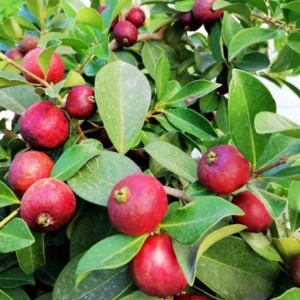
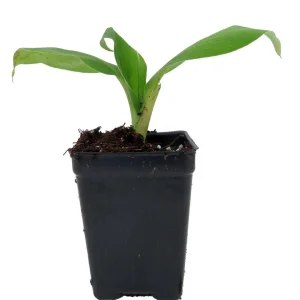
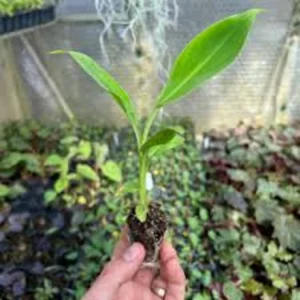
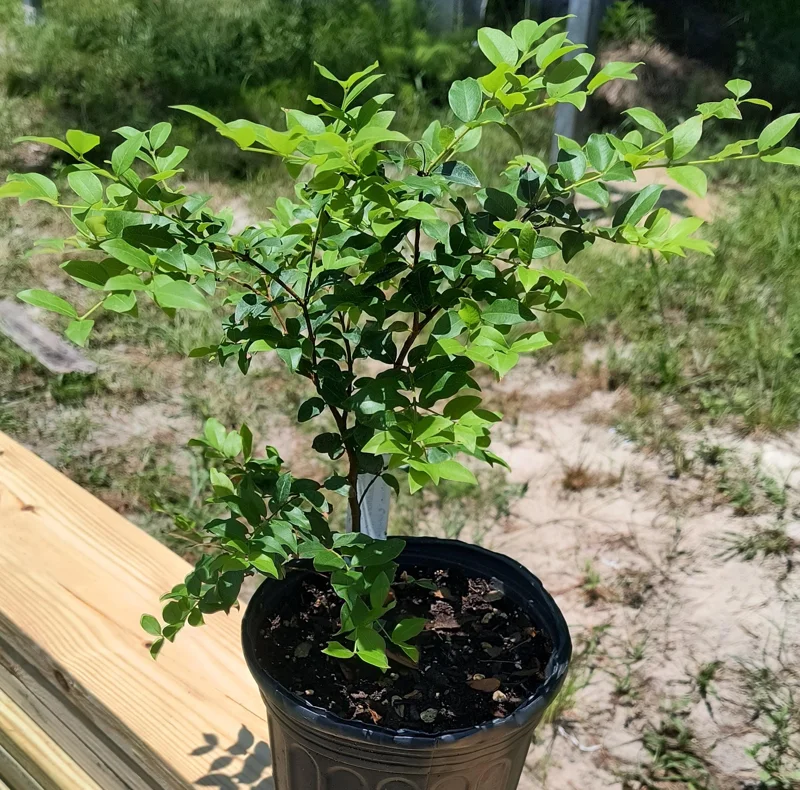
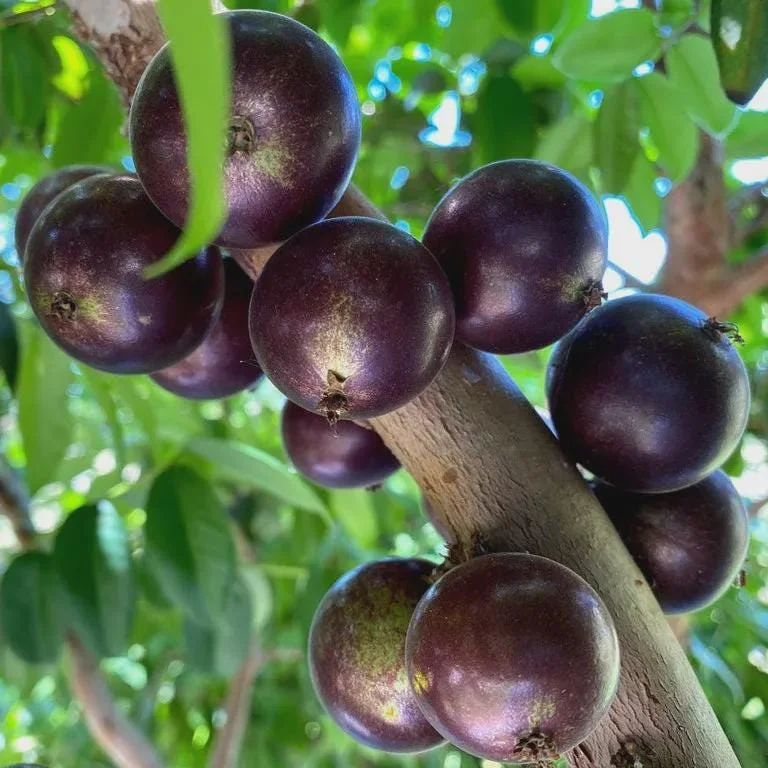
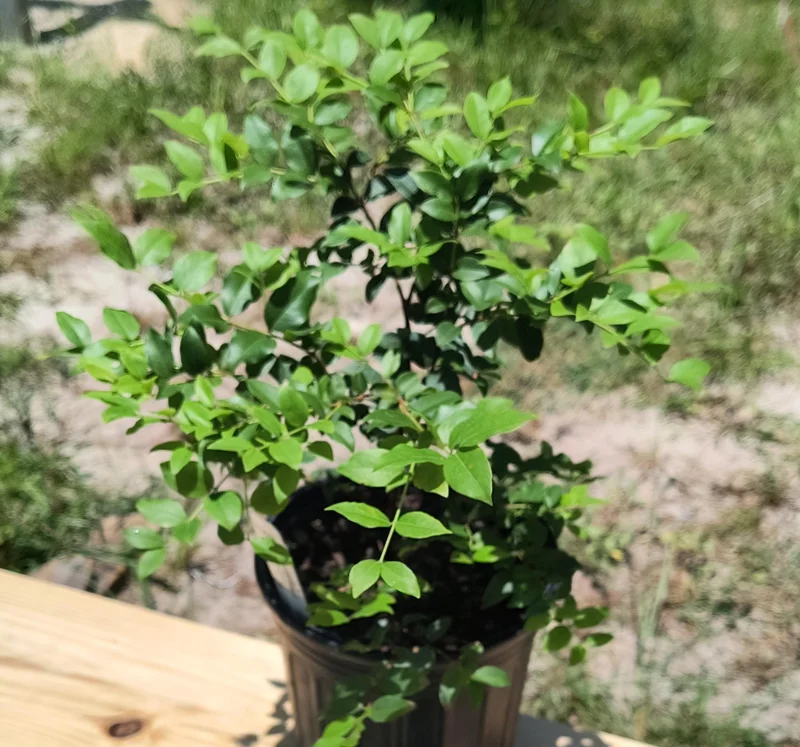
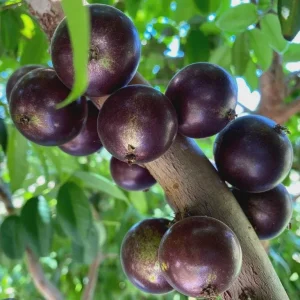
Bring the exotic beauty and delicious taste of the tropics to your home with the sabara jaboticaba live plant. This unique fruit tree, scientifically known as Myrciaria cauliflora or Plinia cauliflora, is celebrated for its distinctive growth habit where fruits grow directly on the trunk and branches. Originating from Brazil, the Sabara variety is particularly prized for its sweet, juicy, grape-like fruits that can be eaten fresh, made into jellies, jams, or wine. Our healthy, vibrant sabara jaboticaba live plant is carefully nurtured and shipped in a half-gallon pot, typically standing 8-12 inches tall, providing a robust start for your tropical orchard. It’s an excellent choice for gardeners looking to add an unusual and productive fruit tree to their collection, offering both ornamental appeal and a rewarding harvest.
The Sabara Jaboticaba is a slow-growing evergreen tree that can eventually reach a significant size in its native habitat, but it thrives well in containers, making it suitable for patios or smaller gardens, especially in cooler climates where it can be moved indoors during winter. Its glossy green leaves and attractive bark provide year-round interest, even when not in fruit. The fascinating sight of purple-black fruits appearing directly on the woody stems is a conversation starter and a true marvel of nature. With proper care, your jaboticaba fruit tree will flourish, offering multiple harvests throughout the year in ideal conditions.
Key Benefits
Adding a Sabara Jaboticaba to your garden offers a wealth of benefits, from its unique aesthetic to its delicious, nutritious fruits. This tropical fruit plant is not just a source of food but also an interesting specimen tree.
- Unique Fruit Production: Enjoy the rare and fascinating experience of harvesting sweet, grape-like fruits directly from the trunk and branches of your sabara jaboticaba live plant. This cauliflorous habit makes it a standout in any collection.
- Delicious and Versatile Fruit: The fruits are incredibly flavorful, perfect for eating fresh, or for creating gourmet jams, jellies, juices, and even wines. They are rich in antioxidants and vitamin C.
- Ornamental Appeal: With its attractive, peeling bark, glossy evergreen foliage, and the striking sight of fruits adorning its trunk, the myrciaria cauliflora plant serves as a beautiful ornamental tree year-round.
- Container Friendly: Despite being a tree, the Sabara Jaboticaba adapts well to container growing, making it ideal for patios, balconies, or for those in colder climates who need to bring it indoors during winter.
- Long Lifespan: Jaboticaba trees are known for their longevity, often living for many decades, becoming a cherished part of your landscape for generations.
- Multiple Harvests: In warm, favorable conditions, a mature jaboticaba fruit tree can produce several flushes of fruit throughout the year, providing a continuous supply.
- Relatively Low Maintenance: Once established, these trees are quite resilient and require moderate care, making them a rewarding choice for both novice and experienced gardeners.
Plant Care & Growing Tips
Caring for your sabara jaboticaba live plant involves understanding its specific needs to ensure robust growth and bountiful fruit production. This tropical tree thrives in warm, humid environments, but can be adapted to various settings with proper attention. Sunlight is crucial; provide full sun to partial shade, ideally at least 6 hours of direct sunlight per day. In very hot climates, some afternoon shade can prevent leaf scorch. If growing indoors, place it near a bright, south-facing window or use supplemental grow lights to mimic its preferred conditions.
Watering is key for a healthy jaboticaba fruit tree. Keep the soil consistently moist, but not waterlogged. Allow the top inch of soil to dry slightly before watering again. Good drainage is essential to prevent root rot, so ensure your pot has drainage holes and the soil mix is well-aerated. Jaboticabas prefer slightly acidic to neutral soil (pH 5.5-7.0) that is rich in organic matter. A good quality, well-draining potting mix formulated for tropical fruits or acid-loving plants is ideal. For outdoor planting, amend heavy clay soils with compost and sand to improve drainage.
Fertilize your myrciaria cauliflora plant regularly during the growing season (spring through fall) with a balanced, slow-release fertilizer or a liquid fertilizer formulated for fruit trees, following package directions. Reduce feeding in winter when growth slows. The Sabara Jaboticaba is generally hardy in USDA zones 9-11. If you live in a colder region, it’s best to grow it in a container so it can be moved indoors when temperatures drop below 25-30°F (-4°C to -1°C). Protect it from frost, which can severely damage young plants. Pruning is usually minimal, focused on shaping the tree and removing any dead or diseased branches. Pay attention to pest control, although Jaboticabas are relatively pest-resistant; watch for common issues like aphids or scale insects and treat as needed with organic solutions.
Size & Details
This offering is for one healthy half gallon jaboticaba plant, carefully selected and prepared for shipment. Each plant stands approximately 8-12 inches tall from the top of the soil, providing a well-established young specimen ready for transplanting. It is shipped in its nursery pot, ensuring minimal stress during transit and easy acclimation to its new environment. The Sabara variety is known for its relatively compact growth when container-grown, though in ideal conditions it can become a medium-sized tree.
Jaboticaba trees are slow growers, especially in their early years, but with consistent care, they will steadily increase in size and vigor. Expect to see new flushes of growth and, eventually, the characteristic small white flowers that precede the fruit. Fruiting can begin within 3-5 years from planting, depending on growing conditions and care. This tropical fruit plant offers a long-term investment in your garden, providing both beauty and a unique culinary experience for many years to come.
Frequently Asked Questions
- Q: How big does a Sabara Jaboticaba plant get? A: In its native environment, a Sabara Jaboticaba can grow into a large tree, but when grown in a container, it typically remains much smaller, usually between 6-15 feet tall, making it manageable for patios or indoor spaces.
- Q: What size pot does this sabara jaboticaba live plant come in? A: Our plants are shipped in a half-gallon nursery pot, standing approximately 8-12 inches tall, providing a good root system for successful transplanting.
- Q: Is this an indoor or outdoor plant? A: The Sabara Jaboticaba is a tropical plant best grown outdoors in USDA zones 9-11. In colder climates, it can be grown outdoors during warm months and brought indoors as a potted plant during winter.
- Q: How much sunlight does it need? A: Your jaboticaba fruit tree thrives in full sun to partial shade, requiring at least 6 hours of direct sunlight daily for optimal growth and fruiting.
- Q: Is this plant easy to care for? A: While it has specific requirements for warmth and consistent moisture, once established, the myrciaria cauliflora plant is relatively low maintenance. It’s a rewarding plant for those willing to meet its tropical needs.
- Q: What condition will it arrive in? A: Your half gallon jaboticaba will arrive healthy and well-packaged in its nursery pot, ready for you to transition it to its new home. We take great care in ensuring safe delivery.
- Q: Can I really eat the fruit directly from the trunk? A: Yes! The unique characteristic of the Jaboticaba is its cauliflorous habit, meaning the delicious, sweet, grape-like fruits grow directly on the woody stems and trunk. They are wonderful eaten fresh.
- Q: How long until it starts producing fruit? A: A young tropical fruit plant like this Sabara Jaboticaba typically begins to fruit within 3-5 years, although this can vary based on growing conditions and care.
- Q: What’s the minimum temperature this plant can tolerate? A: Sabara Jaboticaba is sensitive to cold. It can tolerate brief drops to around 25-30°F (-4°C to -1°C) but prefers temperatures above freezing. Protect it from frost.
- Q: What kind of soil is best for a Sabara Jaboticaba? A: It prefers well-draining, slightly acidic to neutral soil rich in organic matter. A good quality potting mix for tropical plants or acid-lovers is recommended.


Reviews
There are no reviews yet.