



Overview
Embark on the rewarding journey of growing your own exotic spice with these premium saffron crocus seeds. Saffron, derived from the Crocus sativus flower, is one of the world’s most valuable and sought-after spices, renowned for its distinctive flavor, aroma, and vibrant red color. While traditionally grown from corms, these fresh harvest Crocus sativus seeds offer a unique opportunity for enthusiasts to experience the full life cycle of this remarkable herb. Each pack contains 15+ viable seeds, carefully selected to ensure a successful start to your saffron herb cultivation. Whether you’re a seasoned gardener or a curious beginner, learning to grow saffron from seeds can be a fascinating and fulfilling project, allowing you to harvest your own fresh saffron threads for culinary and medicinal uses. This is an accessible way to begin your saffron herb cultivation journey.
Growing saffron from seed requires patience, as it typically takes 2-3 years for the plants to mature and produce their first flowers. However, the satisfaction of harvesting your own homegrown saffron makes the wait worthwhile. These seeds are a Grade A rarity, providing a unique starting point for a long-term investment in your culinary adventures. Follow a detailed saffron planting guide for the best results, transforming these tiny seeds into beautiful, spice-producing crocus plants.
Key Benefits
Growing your own saffron offers a multitude of advantages, from culinary delights to the simple joy of nurturing a unique plant. These saffron crocus seeds provide an accessible way to cultivate this precious spice at home, making the luxury of saffron more attainable for every gardener.
- Homegrown Flavor: Enjoy the unparalleled freshness and potent flavor of saffron harvested directly from your garden. Your homegrown saffron will elevate dishes with its rich, earthy, and slightly sweet notes, far surpassing the quality of store-bought alternatives. These saffron crocus seeds promise an authentic culinary experience.
- Cost-Effective Spice: Saffron is notoriously expensive. By learning to grow saffron from seeds, you can produce your own supply, significantly reducing costs and ensuring a continuous source of this valuable spice for years to come.
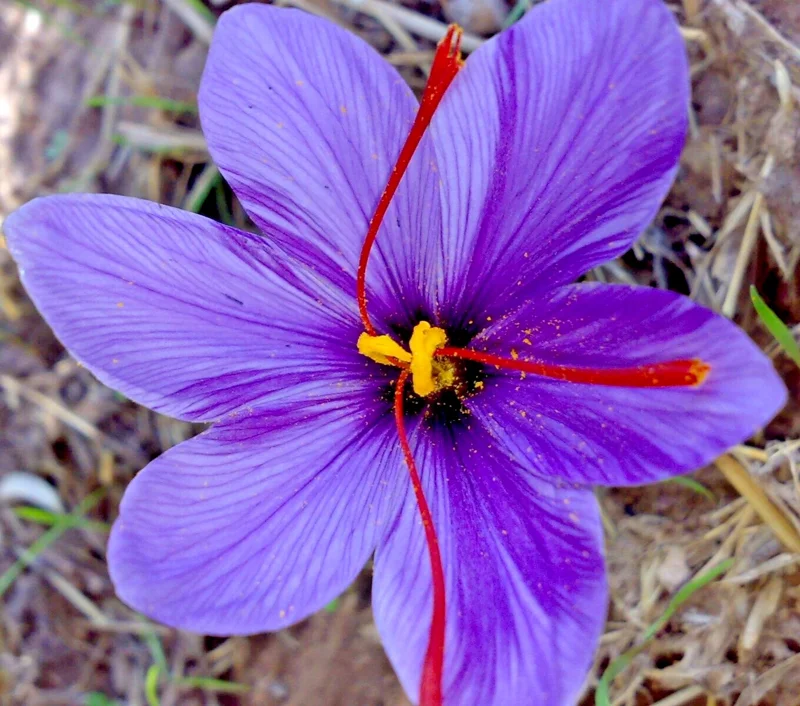
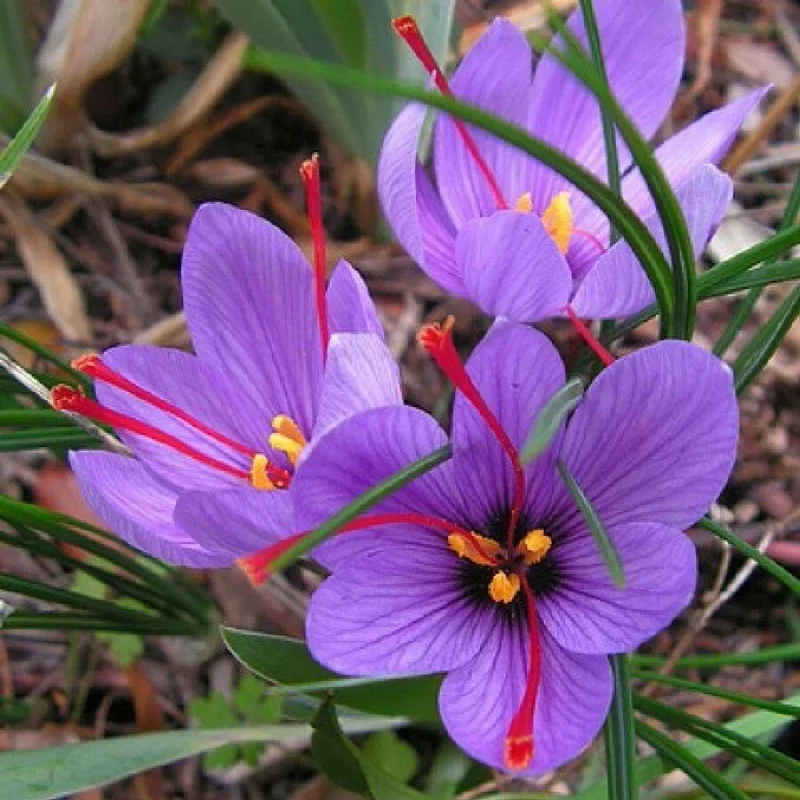
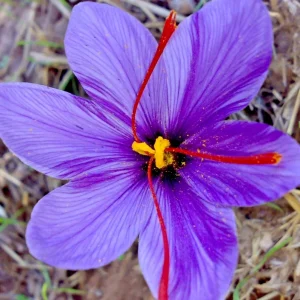
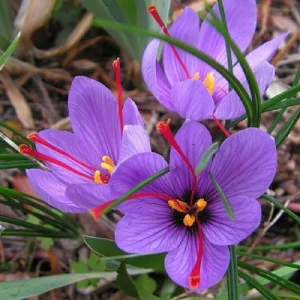
- Rewarding Gardening Project: Cultivating saffron is a unique and engaging gardening endeavor. Watching the delicate purple flowers emerge and carefully harvesting the red stigmas is a deeply satisfying experience for any plant lover embarking on saffron herb cultivation.
- Versatile Use: Beyond its culinary applications in dishes like paella, risotto, and desserts, saffron has been historically used in traditional medicine and natural dyes, offering a wide range of potential uses for your harvest from these Crocus sativus seeds.
- Beautiful Blooms: The Crocus sativus plant produces stunning, delicate purple flowers in the fall, adding an unexpected splash of color to your garden when most other plants are fading, making them a beautiful addition to any landscape.
- Indoor or Outdoor Cultivation: These saffron crocus seeds are adaptable and can be successfully grown both indoors in pots or outdoors in garden beds, depending on your climate and space availability, offering flexibility for all gardeners.
- Fresh Harvest Quality: Sourced from a fresh harvest, these seeds boast excellent germination rates, giving you the best possible start for your saffron herb cultivation journey, ensuring a higher chance of success.
Plant Care & Growing Tips
Successful saffron herb cultivation requires attention to specific environmental conditions, but with the right approach, it’s an achievable goal for many gardeners. Saffron crocus prefers a Mediterranean-like climate with hot, dry summers and cool, mild winters. For optimal growth, choose a location that receives full sun, meaning at least 6-8 hours of direct sunlight per day. Good drainage is paramount; saffron crocus bulbs are susceptible to rot in waterlogged soil. Amend heavy clay soils with sand, compost, or perlite to improve drainage. A slightly alkaline to neutral soil pH (6.0-8.0) is ideal for these Crocus sativus seeds.
When planting the saffron crocus seeds, sow them about 1/4 inch deep and 2-3 inches apart. Keep the soil consistently moist but not soggy until germination, which can take several weeks to a few months. Once established, reduce watering during the summer dormancy period. Fertilize sparingly with a balanced, slow-release fertilizer in early spring as new growth emerges. Protect your plants from extreme cold by mulching in winter, especially in colder zones. While growing saffron from corms is more common for initial harvests, these saffron crocus seeds will eventually produce corms that can then be divided and replanted for future seasons, making this a long-term investment in your spice cabinet. Learning the nuances of a proper saffron planting guide will help ensure a bountiful harvest and successful project to grow saffron from seeds.
Size & Details
This offering includes a pack of 15+ saffron crocus seeds, providing ample opportunity to establish a thriving patch of this valuable herb. Each seed is a potential Crocus sativus plant, which will eventually produce the iconic purple flowers and red stigmas from which saffron is harvested. While growth from seed to flowering stage takes longer than from corms, typically 2-3 years, the journey is incredibly rewarding. The plants themselves are relatively compact, generally reaching a height of 4-6 inches (10-15 cm) with a similar spread. They are shipped as dry seeds, ready for planting upon arrival. With proper care and patience following a comprehensive saffron planting guide, you can expect these seeds to mature into beautiful, spice-producing crocus plants, yielding tiny but precious strands of saffron, making your saffron herb cultivation efforts truly worthwhile.
Frequently Asked Questions
- Q: How big does this plant get? A: Saffron crocus plants typically grow to a compact size, reaching about 4-6 inches (10-15 cm) in both height and spread, making them suitable for various garden spaces or pots. These saffron crocus seeds will develop into these manageable plants.
- Q: Is this an indoor or outdoor plant? A: These Crocus sativus seeds can be grown both indoors in containers, provided they receive sufficient light, or outdoors in garden beds in suitable climates, offering great versatility.
- Q: How much sunlight does it need? A: Saffron crocus requires full sun, meaning at least 6-8 hours of direct sunlight per day, to thrive and produce flowers. This is crucial for successful saffron herb cultivation.
- Q: Is this plant easy to care for? A: While learning to grow saffron from seeds requires patience for flowering, the plants themselves are relatively low-maintenance once established, provided they have well-draining soil and ample sunlight.
- Q: What condition will it arrive in? A: Your order will arrive as a packet of 15+ fresh harvest saffron crocus seeds, ready for you to plant and begin your cultivation journey.
- Q: How long until it blooms? A: When starting from saffron crocus seeds, it typically takes 2-3 years for the plants to mature and produce their first flowers and harvestable saffron stigmas.
- Q: When is the best time to plant saffron crocus seeds? A: The ideal time to plant Crocus sativus seeds is in late summer to early fall, allowing them to establish roots before winter and prepare for spring growth. Consult a saffron planting guide for precise timing.
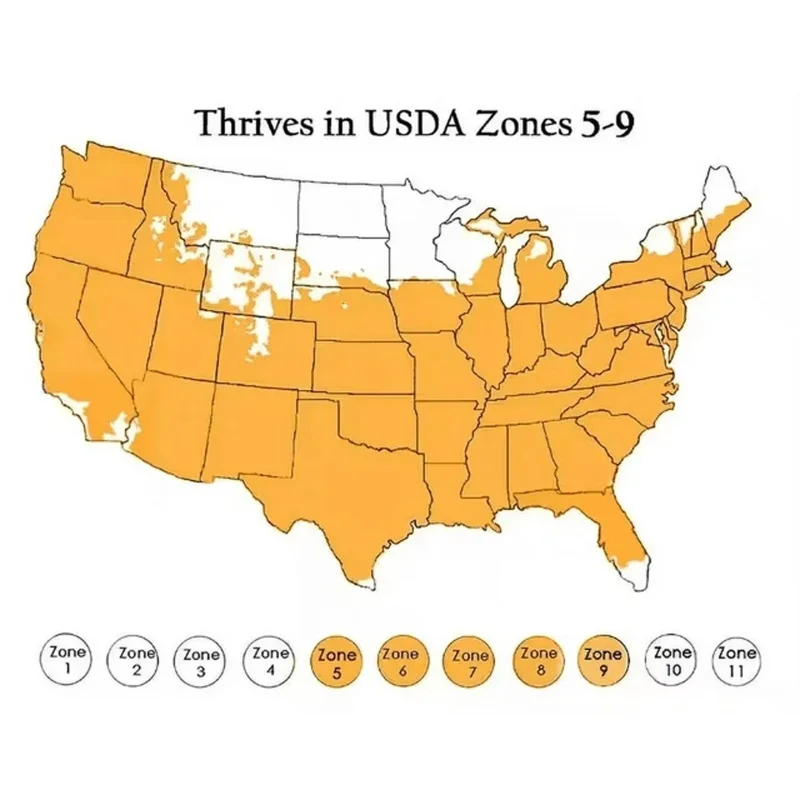
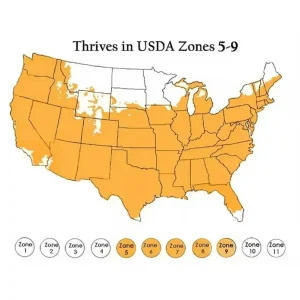
- Q: What’s the minimum temperature these plants can tolerate? A: Saffron crocus plants are generally hardy to USDA zones 6-10. They can tolerate some cold but benefit from mulching in colder regions to protect the corms.
- Q: Can I use the saffron for cooking right away? A: Yes, once your plants flower and you harvest the red stigmas, they can be dried and used immediately in your culinary creations, offering fresh, potent flavor from your saffron herb cultivation.
- Q: What type of soil is best for saffron herb cultivation? A: Well-draining, sandy or loamy soil with a neutral to slightly alkaline pH is best for growing saffron crocus to prevent corm rot. This is essential for the health of your Crocus sativus seeds.


Reviews
There are no reviews yet.