Overview
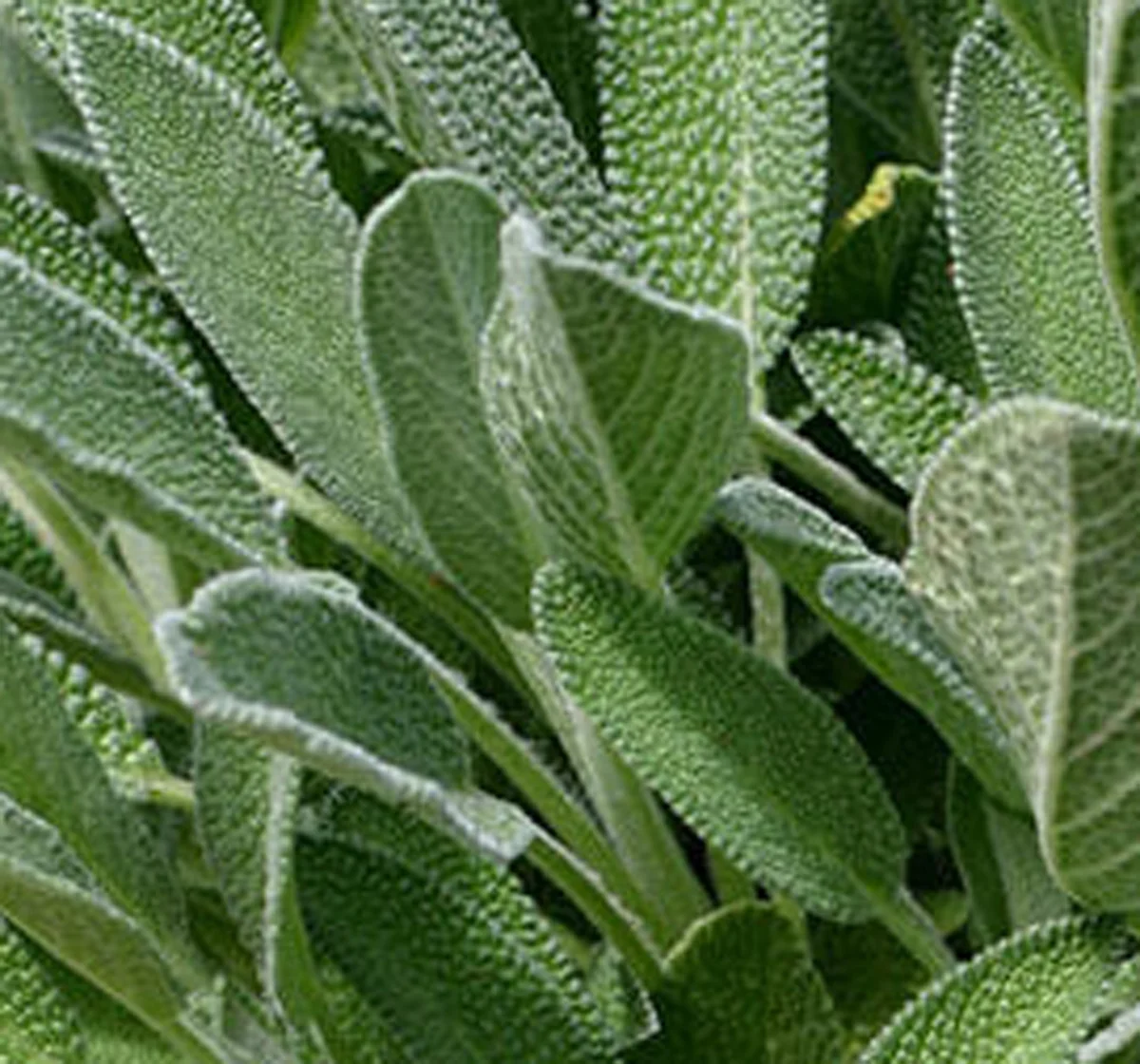
Introduce the timeless aroma and flavor of fresh sage to your garden with this robust sage live herb plant. Known botanically as Salvia officinalis, common sage is a perennial evergreen shrub celebrated for its distinct earthy, slightly peppery flavor and beautiful silvery-green foliage. This particular plant measures approximately 6 inches in height and comes pre-potted in a 3.5-inch nursery container, ready for transplanting into a larger pot or your outdoor garden. A staple in Mediterranean cuisine and traditional remedies for centuries, sage is not only a culinary delight but also a visually appealing addition to any herb collection or landscape. Its ease of care and versatility make it a favorite among both novice and experienced gardeners looking to integrate fresh, homegrown herbs into their daily lives.
Cultivating your own culinary sage plant provides an endless supply of fresh leaves for cooking, teas, and even decorative purposes. This established plant offers a head start, ensuring a healthy and vigorous beginning for your herb patch. Whether you’re planning a dedicated herb garden, adding to a raised bed, or simply want a fragrant accent on your patio, this sage plant is an excellent choice. Discover the joy of harvesting your own sage and transforming your dishes with its unique and potent flavor.
Key Benefits
Adding a sage live herb plant to your home offers numerous advantages, from enhancing your culinary creations to enriching your garden’s aesthetic and ecological balance. Here are some of the key benefits:
- Exceptional Culinary Flavor: Sage leaves are prized for their strong, aromatic, and slightly bitter flavor, making them an indispensable ingredient in stuffing, sauces, roasted meats, and vegetable dishes. Having a fresh supply means you can elevate your cooking with superior taste.
- Drought-Tolerant and Low Maintenance: Once established, sage is remarkably resilient, requiring minimal watering and thriving in full sun. This makes it an ideal choice for gardeners seeking a beautiful plant that doesn’t demand constant attention, simplifying your sage plant care routine.
- Attractive Garden Addition: With its soft, velvety, silvery-green leaves and occasional spikes of purple-blue flowers, sage adds textural and color interest to herb gardens, rockeries, and mixed perennial borders. It’s an aesthetically pleasing plant that complements various garden styles.
- Attracts Pollinators: The flowers of the common sage plant are a magnet for bees, butterflies, and other beneficial pollinators, contributing to the biodiversity and health of your garden ecosystem.
- Aromatic and Fragrant: The distinctive scent of sage is not only pleasant but can also deter some garden pests, making it a natural companion plant for vegetables and other herbs.
- Versatile Growing Options: This plant is well-suited for growing sage outdoors in garden beds, raised beds, or larger containers, offering flexibility depending on your space and gardening preferences.
- Potential Health Benefits: Historically, sage has been used in traditional medicine for its antiseptic, anti-inflammatory, and antioxidant properties. While not a medicinal claim, its rich history adds to its appeal.
Plant Care & Growing Tips
Proper care is essential for a thriving sage live herb plant. Sage is generally an easy-to-grow herb, but understanding its specific needs will ensure a bountiful harvest. When you receive your 6-inch tall plant in its 3.5-inch pot, it’s ready to be transplanted. Choose a location that receives ample sunlight. Sage thrives in full sun, meaning at least 6-8 hours of direct sunlight per day. If you’re growing sage outdoors, a south-facing spot is often ideal. For container growing, ensure the pot is at least 8-10 inches in diameter to allow for root growth, and use a good quality potting mix.
Watering should be done judiciously. Sage prefers well-draining soil and is quite drought-tolerant once established. Water thoroughly when the top 1-2 inches of soil feel dry to the touch. In the initial weeks after transplanting, water more frequently to help it establish. Overwatering is a common mistake and can lead to root rot. Good drainage is crucial, so if planting in a container, ensure it has drainage holes. The ideal soil for a culinary sage plant is light, sandy, and slightly alkaline, though it can tolerate a range of soil types as long as they drain well.
For optimal growth and flavor, minimal fertilization is usually needed. If your soil is poor, a light application of a balanced organic fertilizer in spring can be beneficial. Pruning is important for maintaining plant shape, encouraging bushier growth, and preventing the plant from becoming woody. Harvest leaves regularly, pinching off the top few inches of stems. In colder climates, sage can be grown as an annual or overwintered indoors. The USDA hardiness zones for perennial sage typically range from 4-9. Watch out for common pests like aphids, which can usually be managed with a strong spray of water or insecticidal soap. Proper sage plant care will ensure a continuous supply of fresh, aromatic leaves.
Size & Details
This offering includes one healthy sage live herb plant, standing approximately 6 inches tall from the base of the soil to the top of the foliage. It arrives securely planted in a 3.5-inch nursery pot, providing a strong root system to ensure a successful start in your garden. Sage is a moderately fast-growing herb, and with proper care, it can reach a mature height of 18-30 inches tall and spread just as wide, forming a beautiful, bushy mound. This plant is shipped as a live, actively growing specimen, carefully packaged to minimize stress during transit. It’s ready for immediate transplanting upon arrival, either into a larger decorative pot or directly into your garden bed. Expect this robust plant to begin producing abundant aromatic leaves shortly after settling into its new home, providing you with fresh sage for months to come. This makes growing sage outdoors a rewarding experience.
Frequently Asked Questions
- Q: How big does this sage plant get? A: This sage live herb plant typically arrives around 6 inches tall in a 3.5-inch pot. With proper care, it can grow to a mature size of 18-30 inches tall and wide, forming a robust, bushy plant in your garden or a larger container.
- Q: What size pot does it come in? A: The plant is delivered in a standard 3.5-inch nursery pot, which is ideal for its initial growth and safe transport. We recommend transplanting it into a larger pot (at least 8-10 inches in diameter) or directly into your garden bed upon arrival.
- Q: Is this an indoor or outdoor plant? A: While sage can tolerate short periods indoors in a very sunny window, it truly thrives and performs best when growing sage outdoors in full sun. It is generally considered an outdoor perennial herb in suitable climates.
- Q: How much sunlight does it need? A: For optimal growth and flavor, your sage live herb plant requires at least 6-8 hours of direct sunlight per day. Full sun exposure is key to healthy, vigorous growth and potent aroma.
- Q: Is this plant easy to care for? A: Yes, sage is known for being a relatively low-maintenance herb. Once established, it is quite drought-tolerant and requires minimal attention, making sage plant care simple for both beginners and experienced gardeners.
- Q: What condition will it arrive in? A: Your culinary sage plant will arrive as a healthy, live specimen, carefully packaged to ensure its safety during transit. It will be actively growing and ready for immediate transplanting.
- Q: Can I use this sage plant in cooking? A: Absolutely! This is a common common sage plant (Salvia officinalis), perfect for all your culinary needs. Its aromatic leaves are excellent for flavoring meats, vegetables, stuffings, and sauces.
- Q: When is the best time to plant this sage? A: The best time to plant your sage plant outdoors is in the spring after the last frost, or in early fall in warmer climates. If planting in a container, it can be done year-round, ensuring it receives adequate light.
- Q: Will it survive winter in my zone? A: Sage is a perennial herb in USDA Hardiness Zones 4-9. In these zones, it will typically survive winter outdoors. In colder zones, it can be treated as an annual or brought indoors to overwinter in a sunny spot.
- Q: What kind of soil does sage prefer? A: Sage prefers well-draining soil that is light and sandy. It can tolerate average soil conditions but good drainage is essential to prevent root rot. A slightly alkaline pH is ideal.


Reviews
There are no reviews yet.