Overview
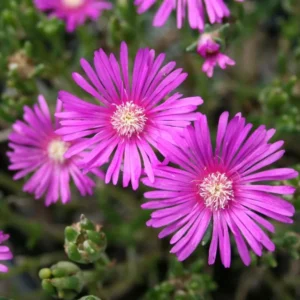
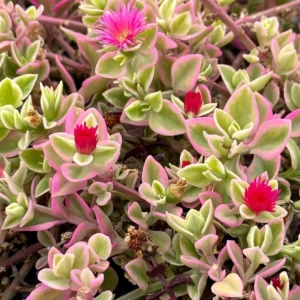
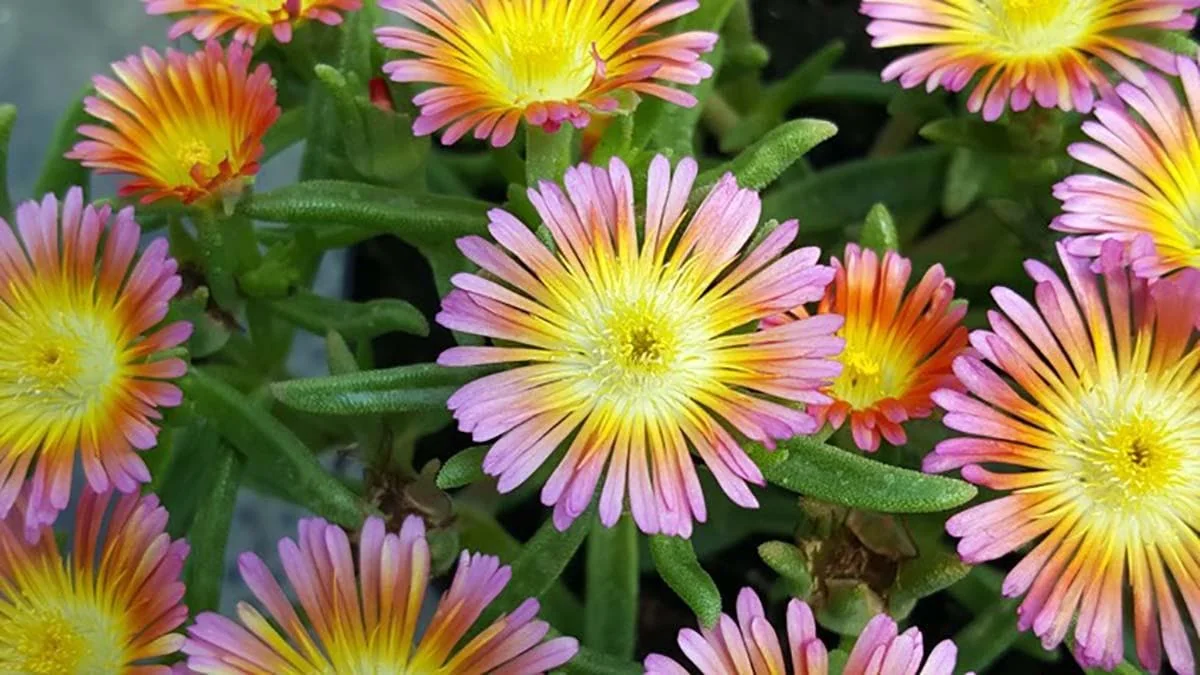
Introduce a splash of vibrant color and texture to your garden with the stunning salmony pink ice plant, a remarkable addition to any landscape. This resilient and beautiful succulent, botanically known as Delosperma cooperi, is cherished for its bright, iridescent salmony-pink flowers that bloom profusely throughout the warmer months. As a delosperma live plant, it arrives ready to thrive in your outdoor spaces, bringing an exotic touch with its origins in Africa. The Ice Plant is a popular choice for gardeners seeking both beauty and low maintenance. Its ability to withstand dry conditions makes it an ideal plant for xeriscaping or areas where water conservation is a priority. This perennial will return year after year, offering a reliable display of color and groundcover.
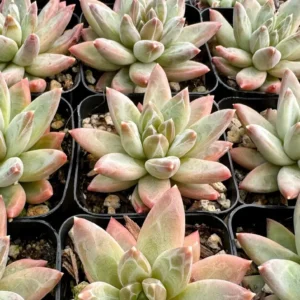
The ice plant perennial is particularly well-suited for challenging garden spots, such as slopes, rocky outcrops, or as a vibrant groundcover in sunny borders. Its unique succulent foliage forms a dense mat, effectively suppressing weeds and conserving soil moisture. Beyond its horticultural benefits, the visual appeal of the Salmony Pink Ice Plant is undeniable, with its cheerful blooms creating a dazzling carpet of color that attracts pollinators like bees and butterflies. This plant is sold as a live specimen in a Quart Pot, providing a well-established root system for successful transplanting and quick growth in your garden.
Key Benefits
The salmony pink ice plant offers a multitude of advantages for both novice and experienced gardeners, making it a highly desirable choice for various garden designs. Its unique characteristics contribute to a beautiful and low-effort garden.
- Stunning Floral Display: Enjoy a prolonged showcase of bright, salmony-pink, daisy-like flowers that shimmer in the sunlight. These vibrant blooms provide continuous color from late spring through fall, significantly enhancing your garden’s aesthetic appeal.
- Exceptional Drought Tolerance: Once established, this drought tolerant succulent requires very little water, making it an eco-friendly choice for water-wise gardening. It thrives in arid conditions where many other plants struggle, reducing your irrigation needs.
- Low Maintenance & Easy Care: Perfect for busy gardeners, the ice plant perennial demands minimal attention. It’s generally pest and disease resistant, requiring little more than ample sunlight and well-draining soil to flourish.
- Effective Groundcover: Its mat-forming habit creates a dense, attractive carpet of succulent foliage, which is excellent for suppressing weeds. This natural weed barrier helps to keep your garden beds tidy and reduces the need for manual weeding.
- Ideal for Rock Gardens and Borders: The low-growing nature and spreading habit of this delosperma live plant make it a superb choice for filling gaps in rock gardens, lining pathways, or spilling over retaining walls, adding texture and color to these often-overlooked areas.
- Attracts Pollinators: The cheerful flowers are a magnet for beneficial pollinators, including bees and butterflies, contributing to the health and biodiversity of your garden ecosystem.
- Versatile Landscape Use: Beyond rock gardens, it’s suitable for xeriscapes, containers, or as a vibrant border plant, adapting well to various garden settings.
Plant Care & Growing Tips
Caring for your salmony pink ice plant is straightforward, making it a rewarding plant for gardeners of all skill levels. To ensure your Delosperma cooperi thrives, understanding its basic needs for sunlight, water, and soil is crucial. This resilient succulent is well-adapted to harsh conditions, but providing optimal care will maximize its vibrant blooms and vigorous growth. Remember, the key to a healthy ice plant perennial lies in mimicking its native, dry, and sunny environment.
When it comes to sunlight, the Salmony Pink Ice Plant absolutely loves the sun. It requires a minimum of six hours of direct sunlight per day to produce its best blooms and maintain a compact growth habit. In areas with intense summer heat, some afternoon shade can be beneficial, but generally, full sun is preferred. For watering, this is a truly drought tolerant succulent. Once established, it can tolerate extended periods without water. Water thoroughly when the soil is completely dry to the touch, then allow it to dry out again before the next watering. Overwatering is the most common cause of problems for ice plants, leading to root rot. Good drainage is paramount; never let the plant sit in soggy soil. For soil type, a sandy, gravelly, or loamy mix with excellent drainage is ideal. Avoid heavy clay soils that retain too much moisture. The plant is hardy in USDA zones 5-10, meaning it can tolerate winter temperatures down to -20°F (-29°C) if planted in well-drained soil.
Fertilization is rarely necessary for the delosperma live plant. If your soil is particularly poor, a light application of a balanced, slow-release granular fertilizer in early spring can encourage growth, but avoid excessive feeding, which can lead to leggy growth and fewer flowers. Pruning is also minimal; simply deadhead spent flowers to encourage more blooms and pinch back any leggy stems to maintain a tidy shape. Common problems are few, mainly related to overwatering. Ensure proper drainage to prevent fungal issues. This robust plant makes a fantastic, low-effort addition to any sunny garden spot, especially for those interested in a rock garden plant.
Size & Details
This salmony pink ice plant is supplied as a healthy, actively growing specimen in a Quart Pot, providing a robust root system for successful transplanting. When mature, this ice plant perennial typically forms a dense, spreading mat that reaches approximately 3-6 inches in height and can spread 12-24 inches wide, making it an excellent groundcover. Its growth rate is moderate, quickly filling in spaces once established. The vibrant salmony-pink flowers are typically about 1-1.5 inches in diameter, appearing in abundance throughout the warmer months. This delosperma live plant is shipped carefully to ensure it arrives in excellent condition, ready to be planted directly into your garden or a larger container. Expect blooms from late spring through fall, offering a long season of color and interest.
Frequently Asked Questions
- Q: How big does this salmony pink ice plant get? A: This plant typically grows to about 3-6 inches tall and can spread 12-24 inches wide, forming a dense groundcover. Its spreading nature makes it ideal for covering larger areas.
- Q: What size pot does it come in? A: The delosperma live plant is shipped in a Quart Pot, which is approximately 4.5-5 inches in diameter, providing a healthy start for your garden.
- Q: Is this an indoor or outdoor plant? A: While it can be grown in containers, the ice plant perennial is primarily an outdoor plant, thriving in full sun exposures in gardens, rockeries, and borders. It’s not typically grown as an indoor houseplant.
- Q: How much sunlight does it need? A: This plant requires at least 6 hours of direct sunlight per day to flower profusely and maintain its compact form. It is a true sun-lover.
- Q: Is this plant easy to care for? A: Yes, the Salmony Pink Ice Plant is considered very easy to care for. It’s a drought tolerant succulent and requires minimal watering and maintenance once established, making it perfect for beginners.
- Q: What condition will it arrive in? A: Your plant will arrive as a healthy, live specimen in its Quart Pot, carefully packaged to ensure it reaches you in excellent condition, ready for planting.
- Q: When is the best time to plant this rock garden plant? A: The best time to plant is in spring or early summer after the last frost, allowing it ample time to establish before winter. It can also be planted in early fall in warmer climates.
- Q: Will it survive winter in my zone? A: This ice plant perennial is hardy in USDA Zones 5-10. If you are within these zones and provide good drainage, it should reliably return each spring.
- Q: What type of soil does this plant prefer? A: It thrives in well-draining soil, such as sandy, gravelly, or loamy mixes. Poor drainage is detrimental, so avoid heavy clay soils.
- Q: Does it attract pollinators? A: Yes, the bright, cheerful flowers of the salmony pink ice plant are known to attract bees, butterflies, and other beneficial pollinators to your garden.


Reviews
There are no reviews yet.