Overview
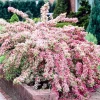
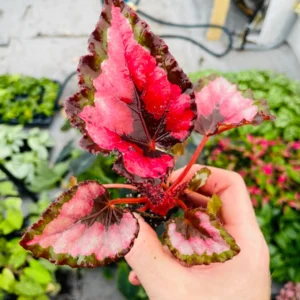
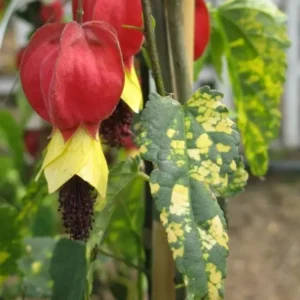
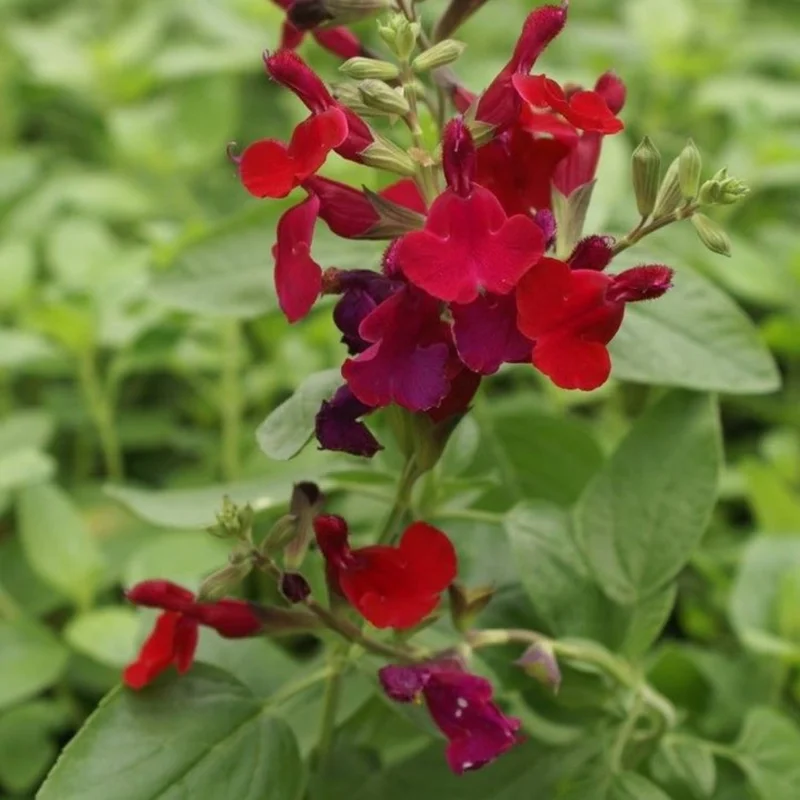
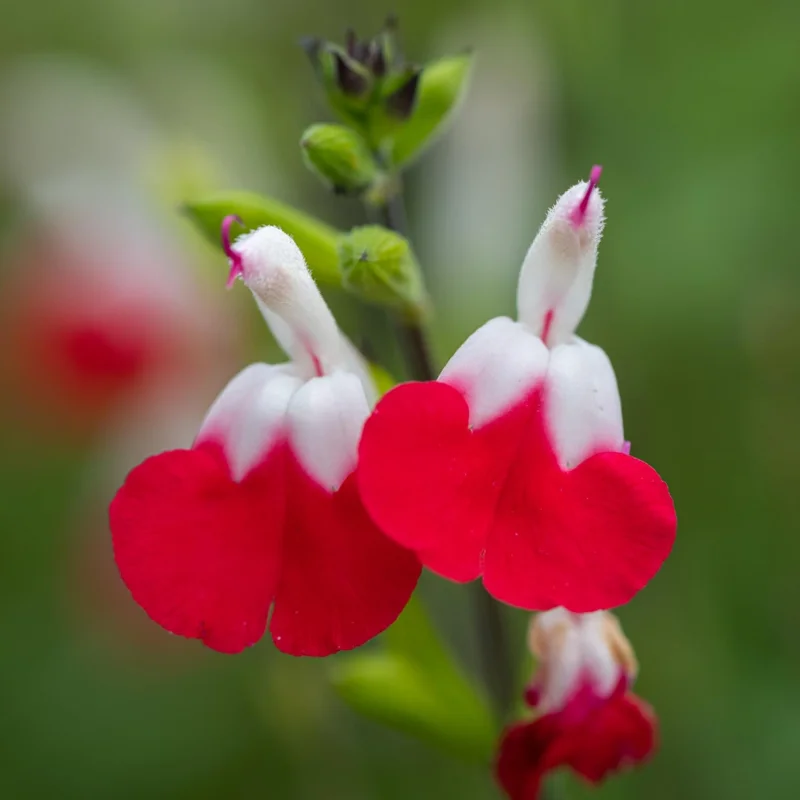
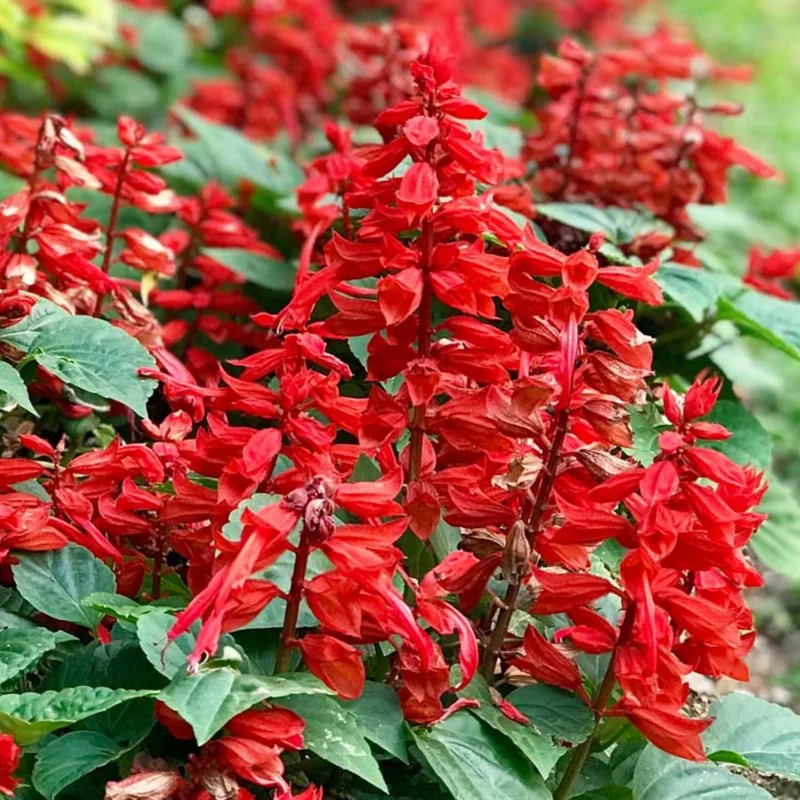
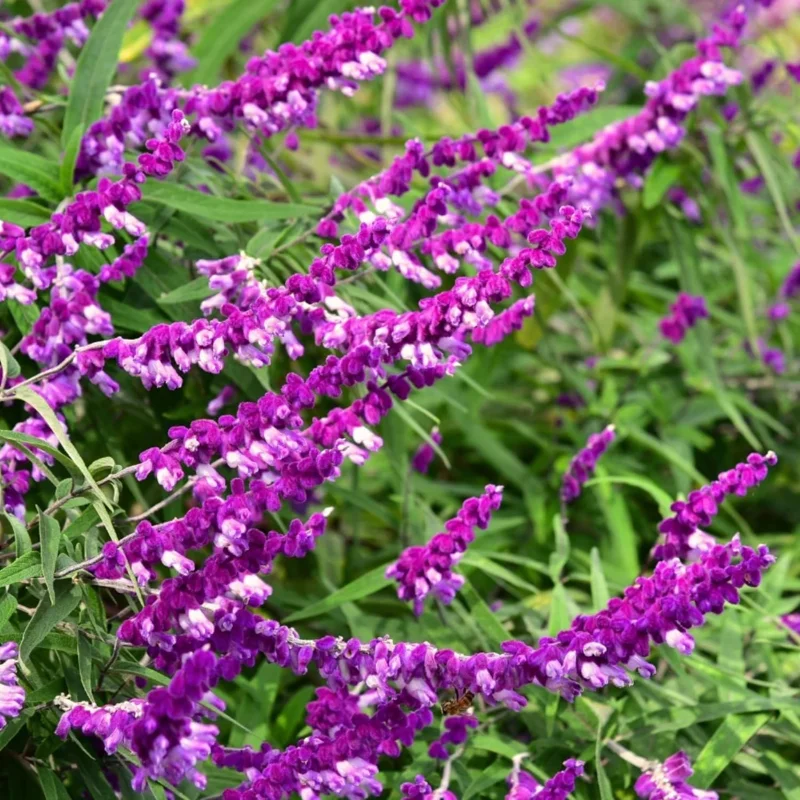
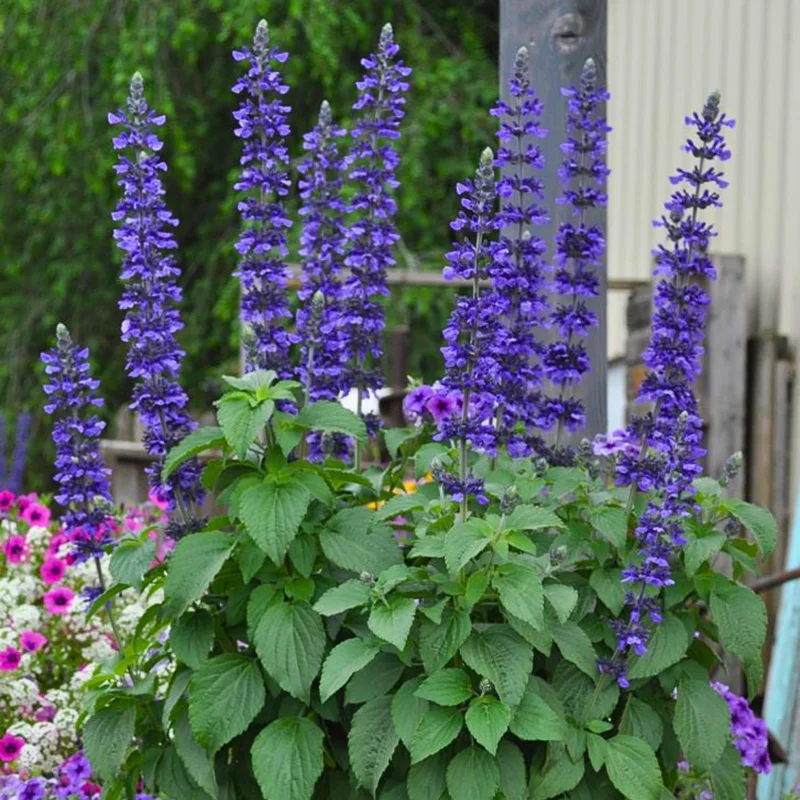
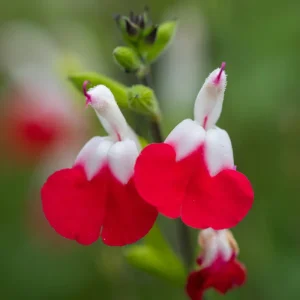
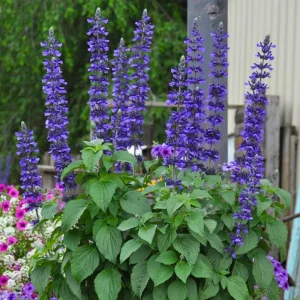
Transform your outdoor space with a set of three healthy salvia live plants. These vibrant, well-rooted young plants, measuring 4-6 inches tall, are ready to thrive in your garden or containers. Known for their striking beauty, Salvia (often referred to as Sage) varieties are celebrated for their long-lasting, colorful blooms and their ability to attract beneficial pollinators like hummingbirds and butterflies. This particular selection features a captivating mix of red and white flowers, providing a stunning visual contrast that will brighten any landscape. As a robust and versatile plant, Salvia is an excellent choice for gardeners seeking both aesthetic appeal and ease of care.
Our salvia live plants are carefully nurtured to ensure they arrive at your home ready to grow. With their established root systems, they will quickly adapt to their new environment and begin to produce their characteristic showy flowers. These plants are perfect for creating dynamic garden borders, filling flower beds with continuous color, or adding a touch of elegance to patio containers. Experience the joy of gardening with these resilient and beautiful flowering shrubs.
Key Benefits
These salvia live plants offer numerous advantages for any gardener, from novice to expert. Their natural beauty and hardiness make them a standout choice for various planting schemes:
- Vibrant Floral Display: Enjoy a prolonged season of bright red and white blooms that add dramatic color and visual interest to your garden. These flowers are not only beautiful but also long-lasting.
- Attracts Pollinators: The nectar-rich flowers are a magnet for hummingbirds, bees, and butterflies, contributing to a healthy and biodiverse garden ecosystem.
- Low Maintenance: Once established, salvia flowering shrubs are remarkably drought-tolerant and require minimal attention, making them ideal for busy gardeners. They are known for being easy to plant and care for.
- Versatile Landscaping: Perfect for garden borders, mass plantings, rock gardens, or as focal points in decorative containers. Their upright growth habit complements various garden designs.
- Hardy and Resilient: These plants are hardy in USDA Zones 4–9, capable of withstanding a range of temperatures and conditions, ensuring their return year after year in suitable climates.
- Fragrant Foliage: Many Salvia varieties offer aromatic foliage, adding another sensory dimension to your outdoor living space.
- Deer Resistant: Generally, Salvia plants are less appealing to deer, offering a natural deterrent for those dealing with garden browsing.
Plant Care & Growing Tips
Caring for your salvia live plants is straightforward, ensuring a bountiful display of flowers with minimal effort. These plants thrive in conditions that mimic their natural habitat. For optimal growth and flowering, select a location that receives full sunlight, meaning at least six hours of direct sun per day. Adequate sunlight is crucial for robust blooming and preventing leggy growth. If planting in a container, ensure it is large enough to accommodate the mature size of the plant and has good drainage holes.
The key to successful salvia plant care lies in providing well-draining soil. Salvia dislikes sitting in soggy conditions, which can lead to root rot. Amend heavy clay soils with organic matter like compost or sand to improve drainage. For container planting, a good quality potting mix designed for outdoor flowering plants is recommended. While established plants are drought-tolerant, young plants will require regular, moderate watering to help them establish strong root systems. Water deeply when the top inch or two of soil feels dry to the touch, and reduce watering once the plant is mature. Overwatering is a common mistake, so always check soil moisture before watering again.
These red and white salvia plants are hardy in USDA Zones 4–9. In cooler zones, they may be grown as annuals or overwintered indoors. Fertilize sparingly; Salvias generally perform well in average garden soil without excessive feeding. A light application of a balanced, slow-release granular fertilizer in spring is usually sufficient. Deadheading spent blooms will encourage continuous flowering throughout the season. Pruning can be done after the first flush of flowers to promote a second bloom and maintain a tidy shape. Watch out for common pests like aphids or spider mites, though Salvias are generally quite pest-resistant. Ensuring good air circulation and proper light will help prevent most issues when growing salvia.
Size & Details
This offering includes a set of three salvia live plants, each measuring approximately 4-6 inches in height from the top of the soil. These young, healthy plants are shipped well-rooted, ready for immediate planting upon arrival. They are carefully packaged to ensure safe transit and minimal stress. When mature, these salvia flowering shrubs can reach a height of 18–36 inches with a similar spread, depending on the specific variety and growing conditions. Their moderate growth rate makes them easy to manage in various garden settings. They will typically begin to flower from late spring through fall, providing an extended period of vibrant color in your garden. Plan for adequate spacing to allow for healthy air circulation and mature size.
These plants are supplied in nursery pots, ensuring their root systems are protected and hydrated during shipping. The compact size of the young plants makes them easy to transplant into your garden beds or larger containers. Expect them to establish quickly and begin to show significant growth within their first growing season. With proper salvia plant care, these plants will become a cherished and eye-catching feature of your outdoor space, offering a delightful display of red and white salvia blooms.
Frequently Asked Questions
- Q: How big do these Salvia plants get? A: These salvia live plants are currently 4-6 inches tall. When mature, they typically reach a height of 18-36 inches and a similar spread, making them medium-sized salvia flowering shrubs.
- Q: Are these plants suitable for indoors or outdoors? A: These Salvia plants are best suited for outdoor growing conditions, thriving in full sun. They are excellent for garden beds, borders, and outdoor containers.
- Q: How much sunlight do these Salvia plants need? A: For optimal growth and abundant flowering, these salvia live plants require full sun exposure, meaning at least 6 hours of direct sunlight per day.
- Q: Is this plant easy to care for, especially for beginners? A: Yes, Salvia plants are known for being low-maintenance and relatively easy to care for, making them a great choice for beginner gardeners. They are quite forgiving with proper sunlight and well-draining soil.
- Q: What condition will the plants arrive in? A: Your salvia live plants will arrive well-rooted in nursery pots, carefully packaged to ensure they are healthy and ready for planting upon arrival.
- Q: When is the best time to plant these Salvia shrubs? A: The best time to plant these salvia flowering shrubs is typically in spring after the last frost, or in early fall in warmer climates, allowing them time to establish before extreme temperatures.
- Q: Will these Salvia plants survive winter in my zone? A: These Salvia plants are hardy in USDA Zones 4–9. If you are in these zones, they should overwinter successfully. In colder zones, they may be grown as annuals or brought indoors for winter protection.
- Q: Do these Salvia plants attract hummingbirds and butterflies? A: Yes, the vibrant red and white blooms of these salvia live plants are highly attractive to hummingbirds, butterflies, and other beneficial pollinators, enhancing your garden’s ecosystem.
- Q: What kind of soil is best for growing Salvia? A: Salvia thrives in well-draining soil. If your soil is heavy clay, amend it with organic matter to improve drainage. For containers, use a good quality potting mix. Good drainage is crucial for successful growing salvia.
- Q: Can I grow these Salvia plants in containers? A: Absolutely! These red and white salvia plants are excellent for container gardening, especially if you have limited garden space or want to add color to a patio or balcony. Ensure the container has drainage holes.


Reviews
There are no reviews yet.