Overview
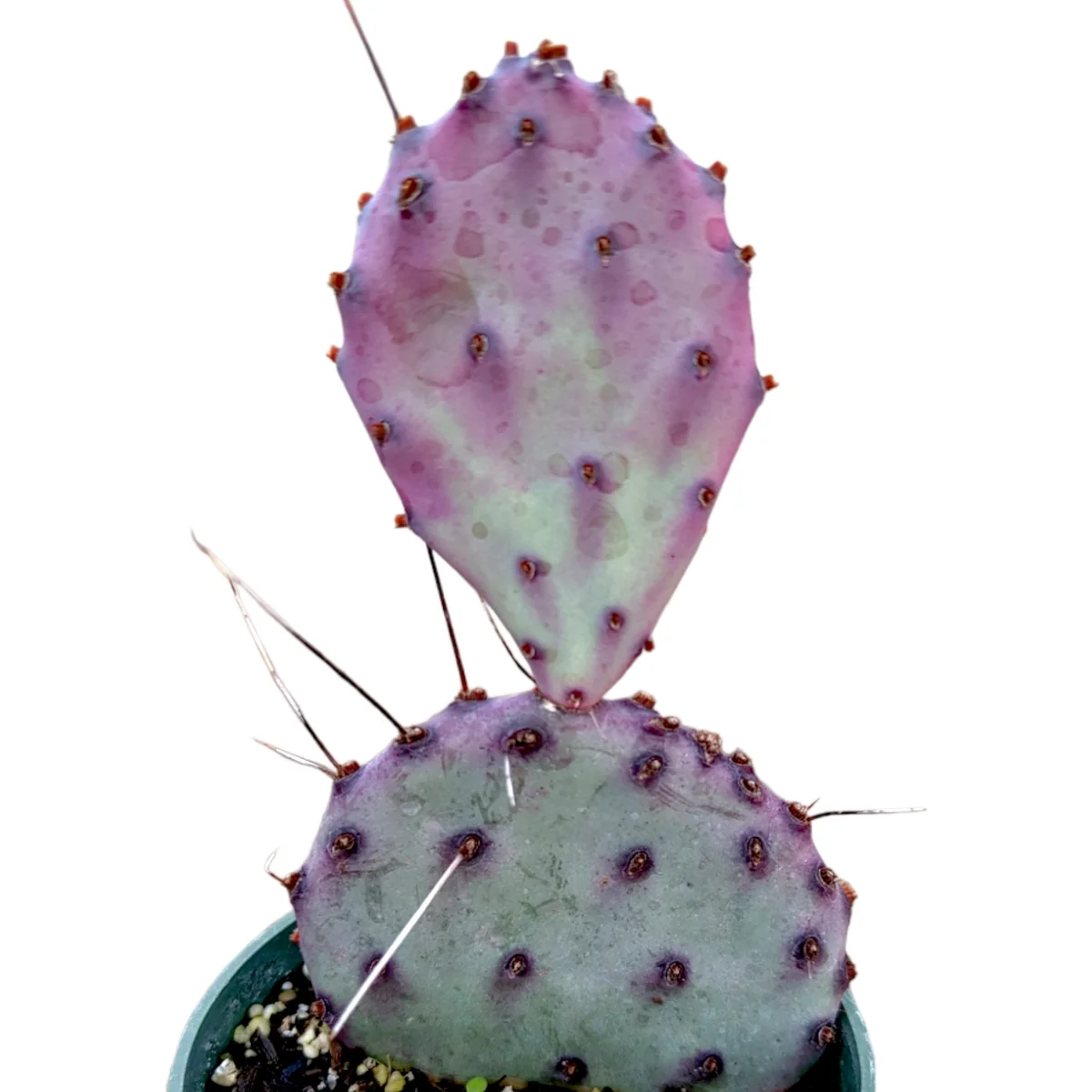
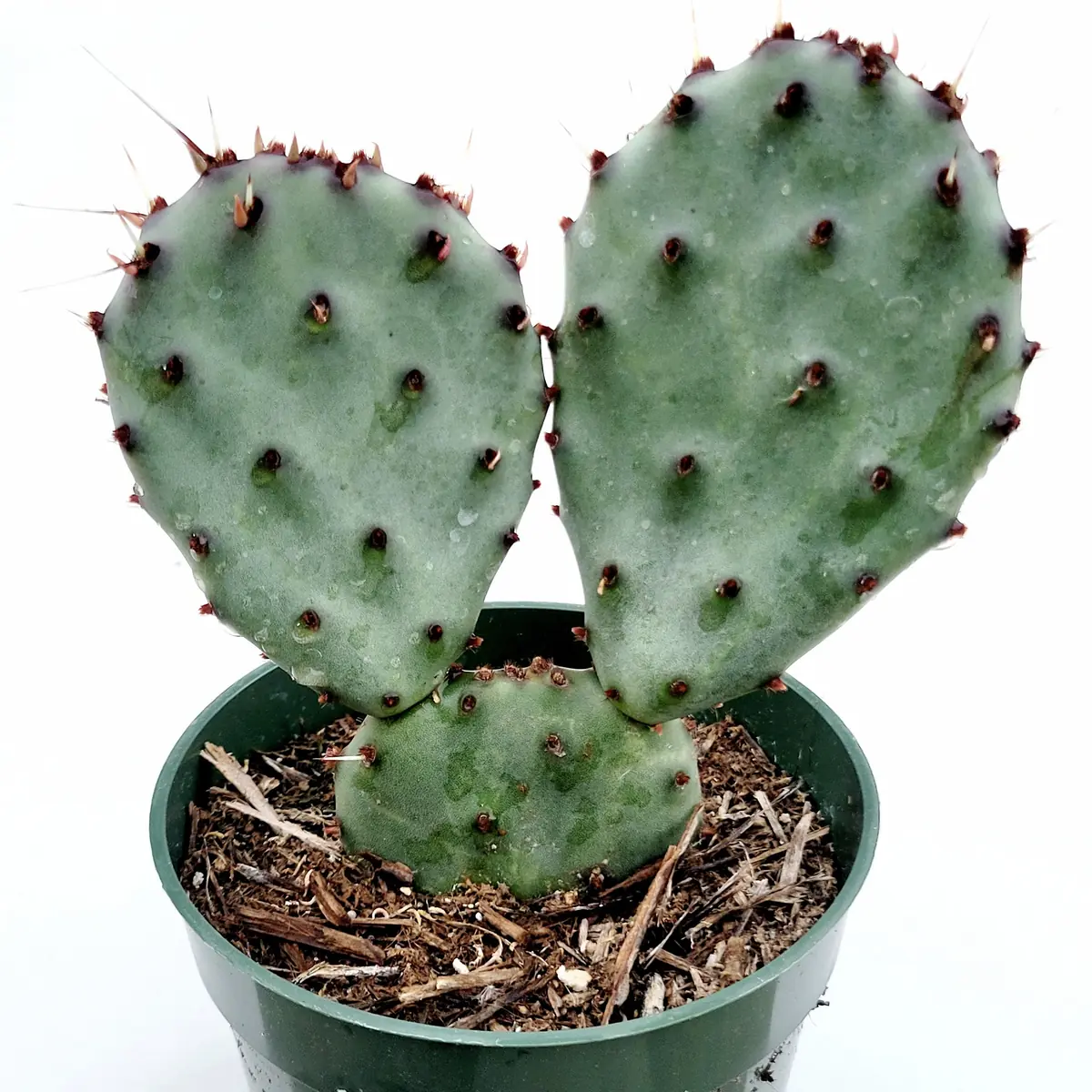
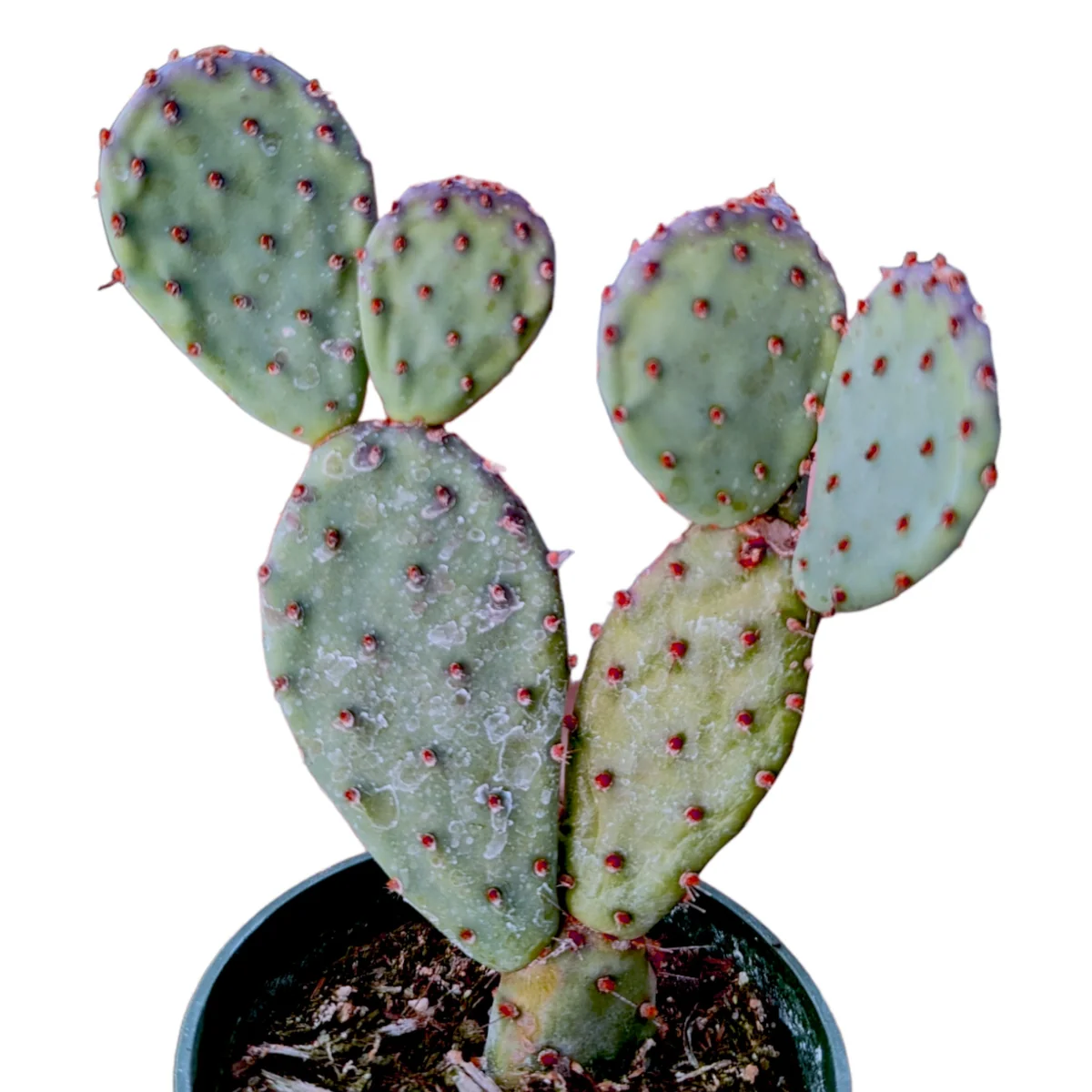
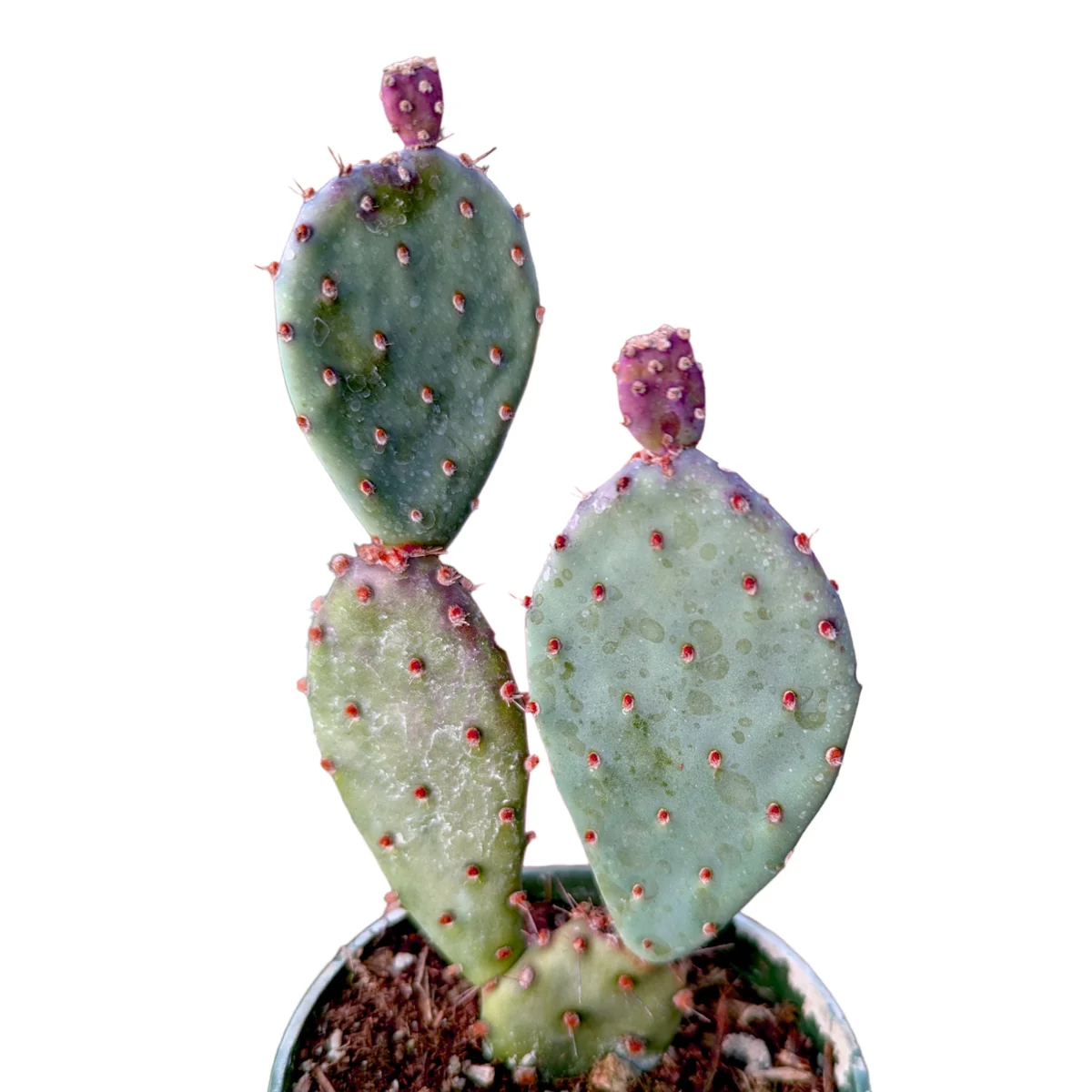
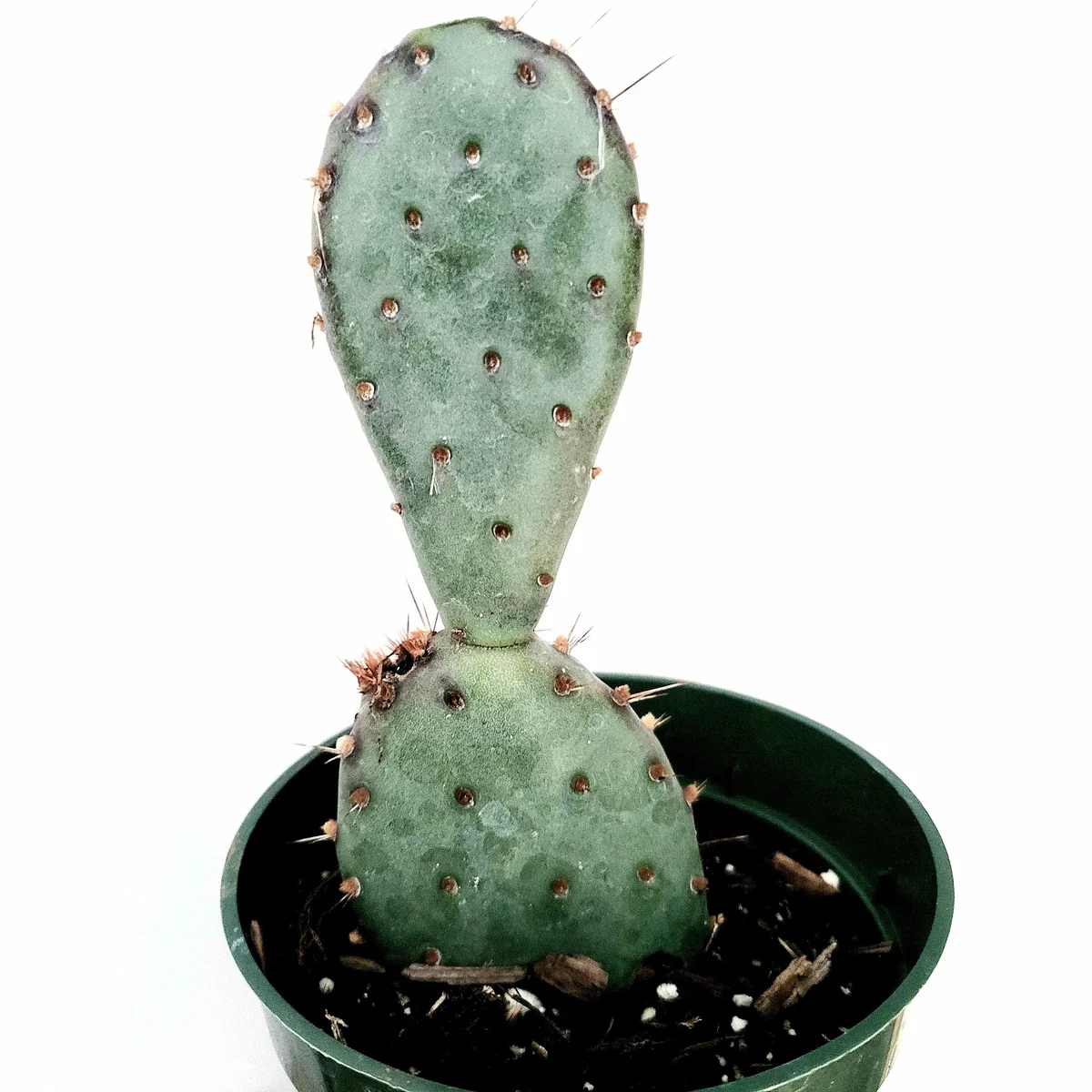
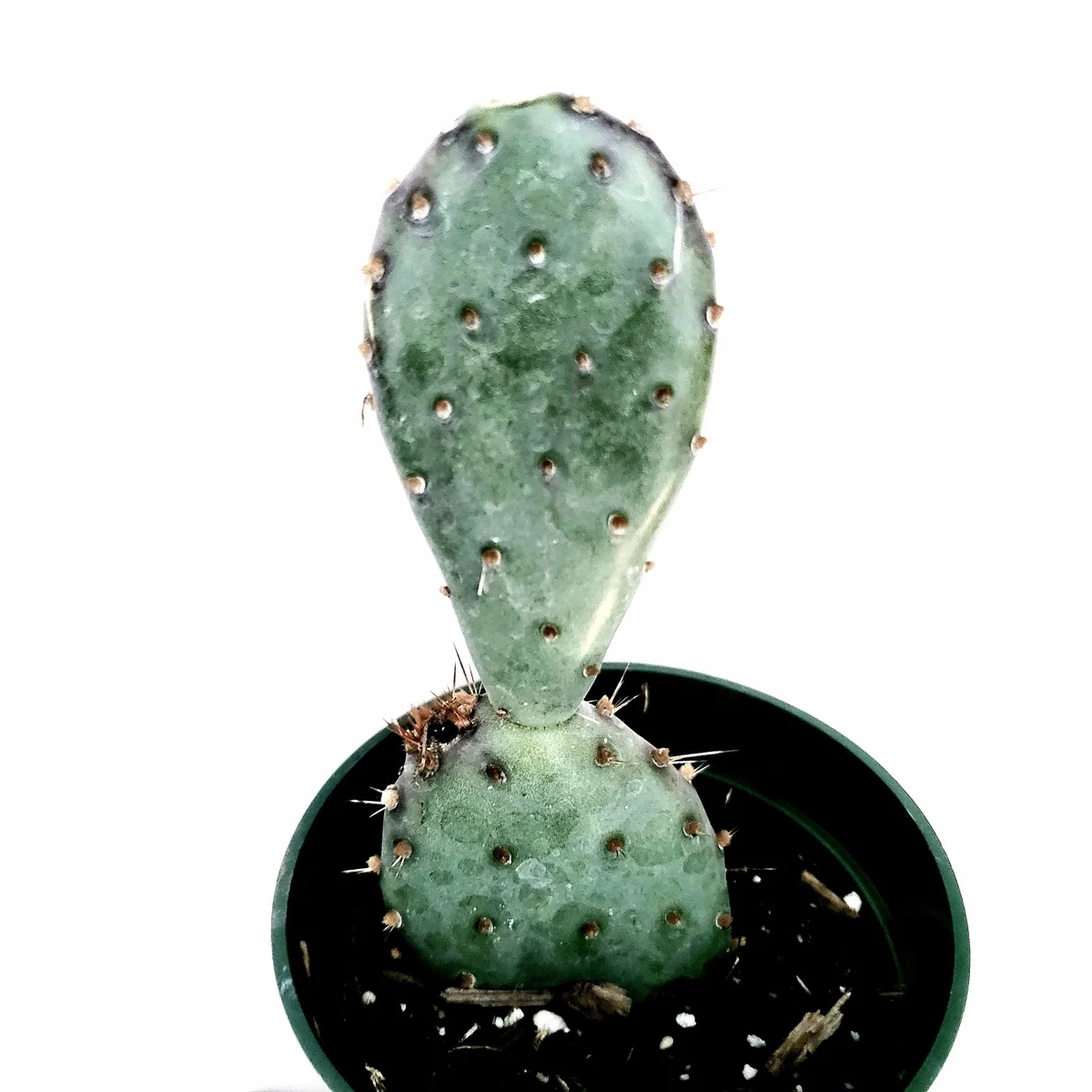
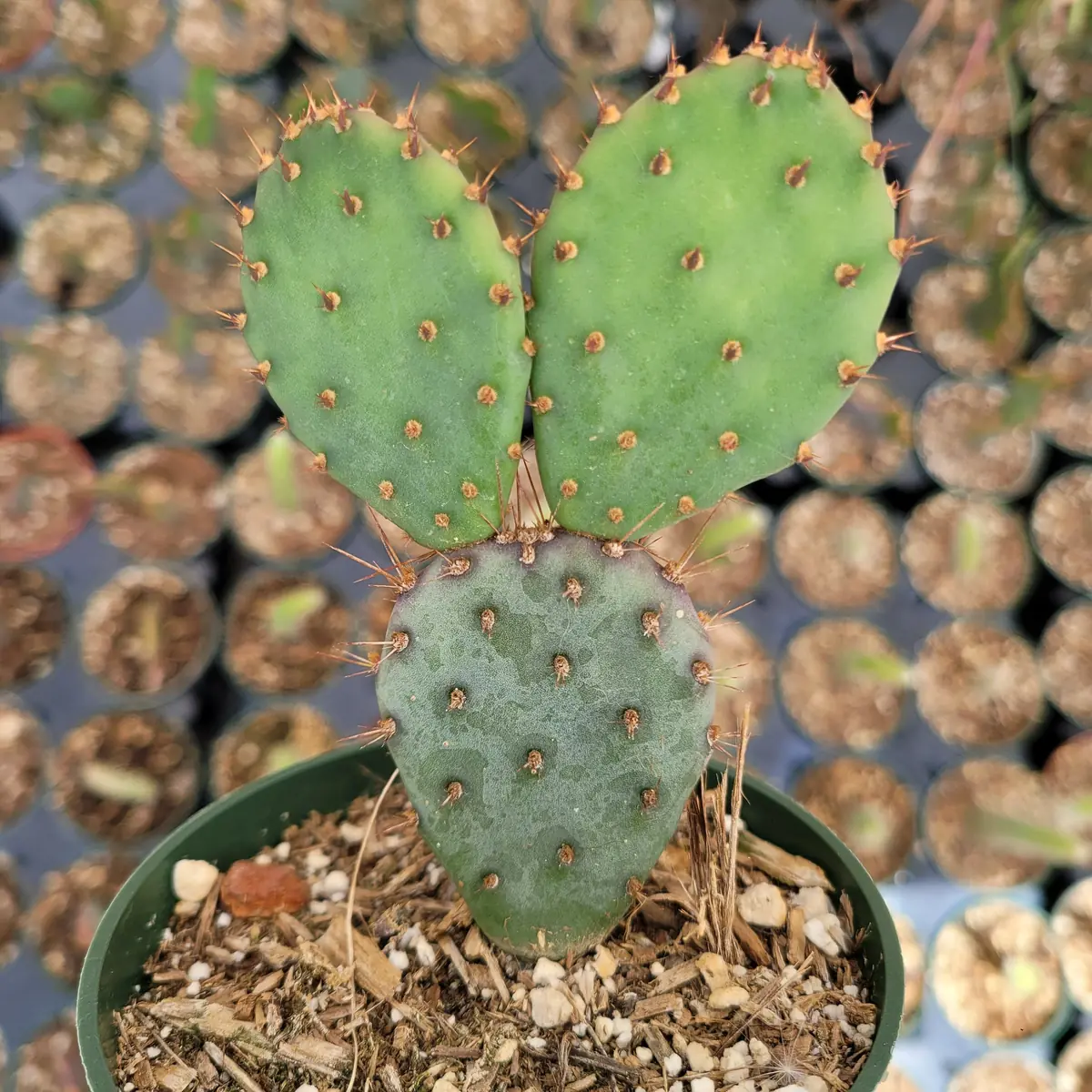
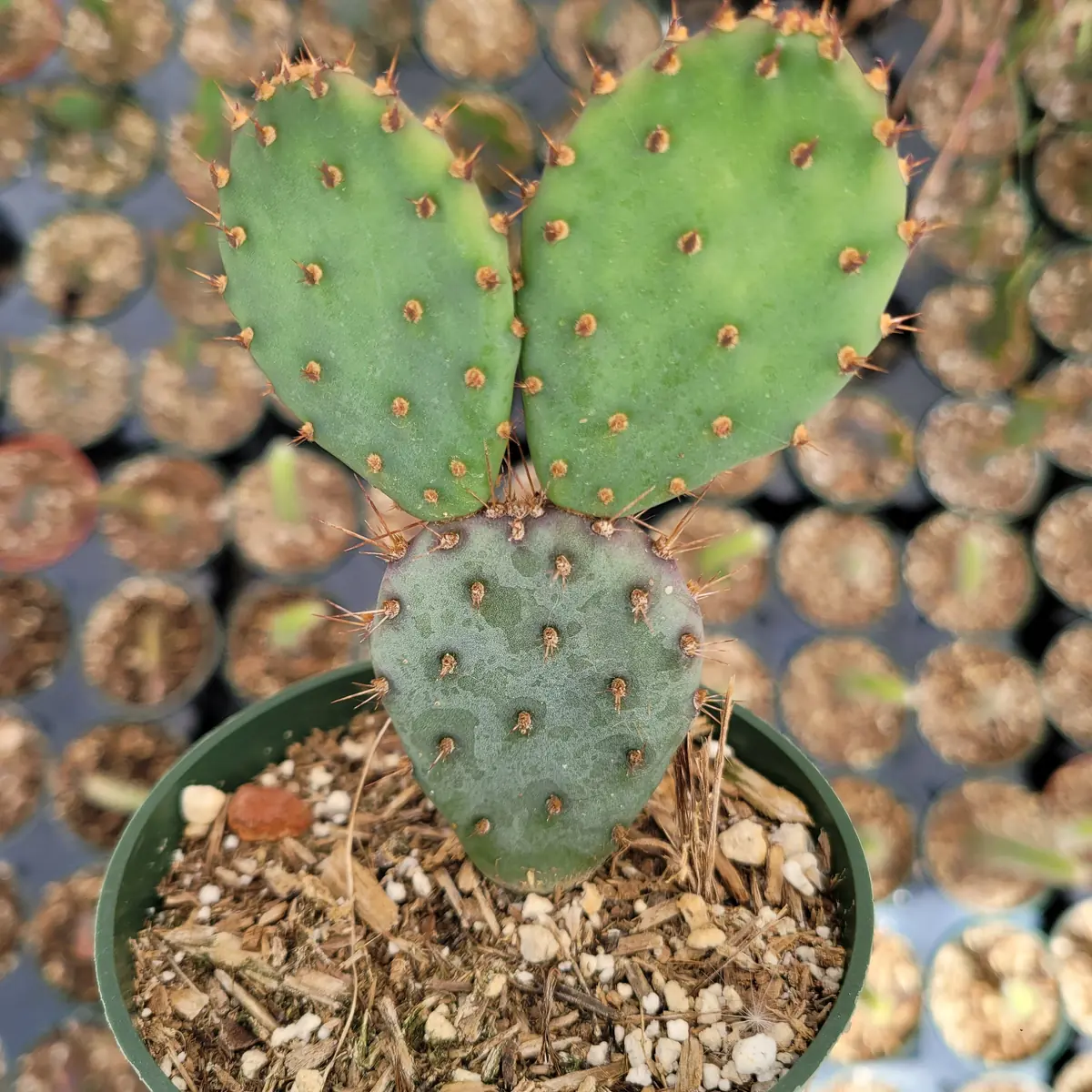
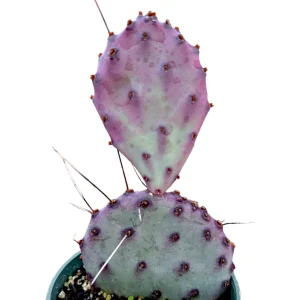
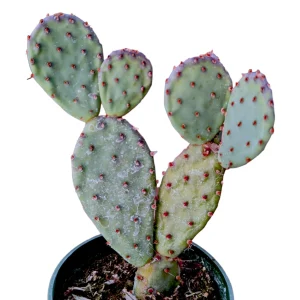
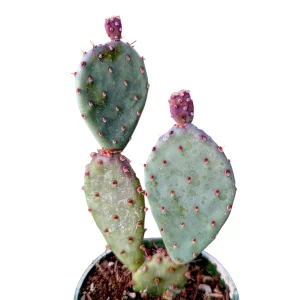
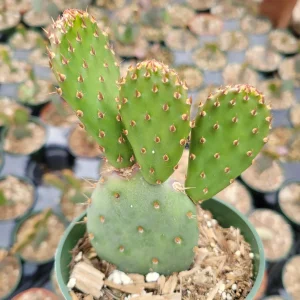
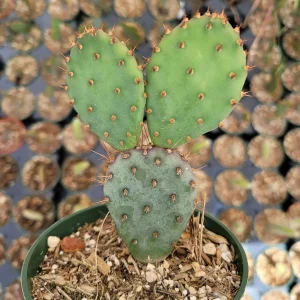
Introduce a splash of vibrant color and unique form to your landscape with the Santa Rita Purple Prickly Pear, a striking succulent plant from the Opuntia genus. Known botanically as Opuntia santa-rita, this variety is highly prized for its distinctive pads that transform from soft blue-gray to a rich, deep purple, especially during cooler winter months and under direct sunlight or drought conditions. Native to the American Southwest and Mexico, this purple prickly pear care is surprisingly easy, making it an excellent choice for both experienced and novice gardeners. It’s an upright, bushy shrub that adds architectural interest and year-round beauty to various garden settings. This remarkable cactus is not only visually appealing but also a testament to resilience, thriving in challenging environments.
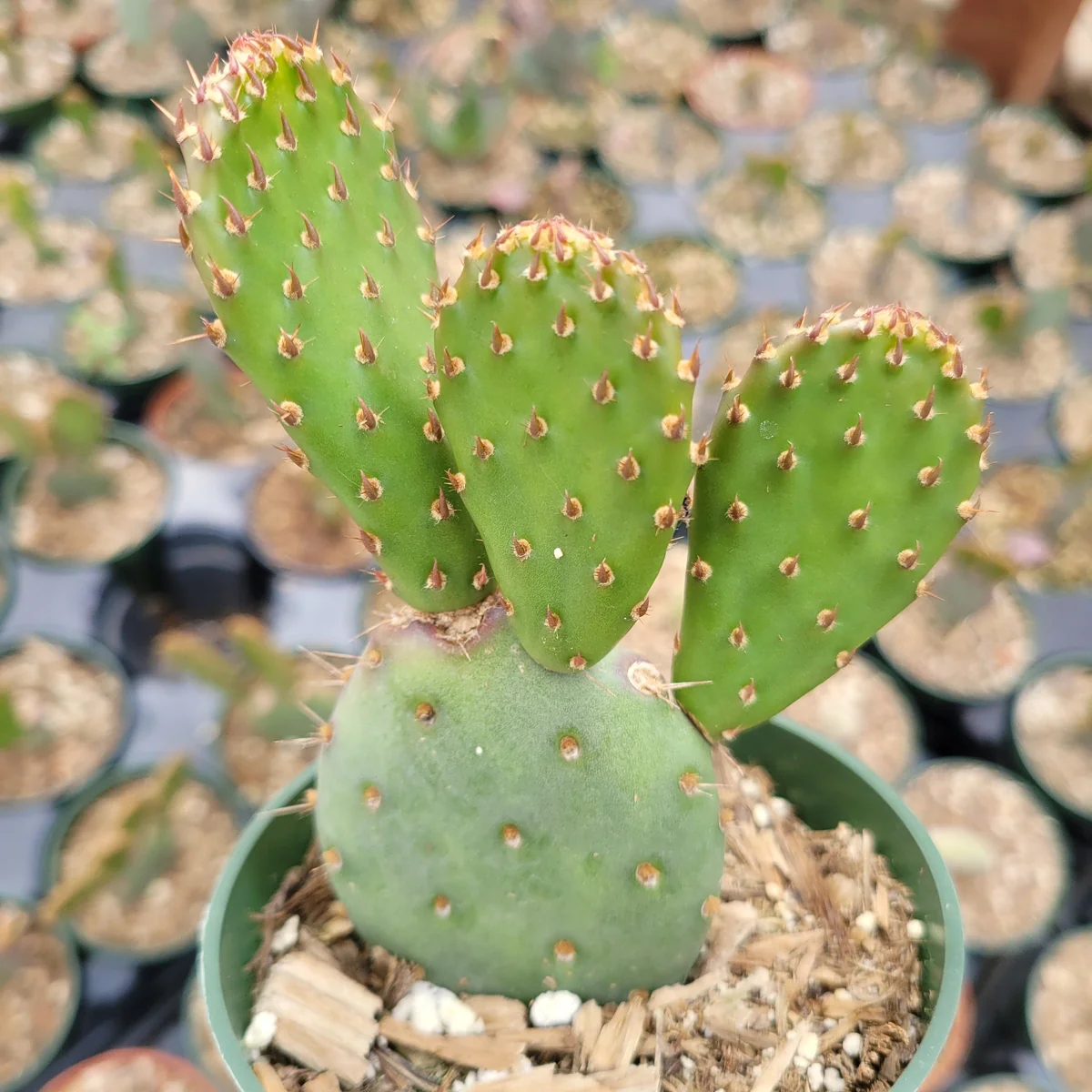
The Santa Rita Purple Prickly Pear is a live plant that offers dynamic seasonal color and an intriguing texture. Its fleshy, round to ovate pads are covered with spines, creating a captivating display. In spring, spectacular multi-petaled yellow flowers emerge along the edges of the pads, providing a beautiful contrast to the purple foliage. These blossoms are followed by small, edible purple fruits that are attractive to birds, adding an ecological benefit to its ornamental value. As a frost-hardy and drought tolerant cactus, it’s an ideal specimen for a range of garden styles, from desert landscapes to contemporary xeriscape designs. This plant’s ability to withstand urban pollution and its deer-resistant qualities further enhance its appeal as a low-maintenance, high-impact garden feature.
Key Benefits
The Santa Rita Purple Prickly Pear offers numerous advantages, making it a highly desirable plant for various garden designs and climates. Its unique characteristics contribute significantly to both aesthetic appeal and environmental sustainability.
- Stunning Seasonal Color: The pads of the Santa Rita Purple Prickly Pear transition from blue-gray to a vivid purple, especially in cooler temperatures and direct sun. This dramatic color change provides continuous visual interest throughout the year, ensuring your garden remains captivating.
- Exceptional Drought Tolerance: As a true desert native, this cactus is incredibly water-wise. Once established, it requires minimal watering, making it perfect for water-conserving landscapes and regions with limited rainfall. This resilience simplifies purple prickly pear care.
- Low Maintenance: This plant thrives on neglect, requiring very little attention once planted. It’s an excellent choice for busy gardeners or those seeking a beautiful garden without extensive upkeep. Its hardiness also means fewer concerns about pests and diseases.
- Attracts Wildlife: The vibrant yellow flowers attract pollinators, and the subsequent purple fruits are a food source for birds, enhancing biodiversity in your garden. This natural interaction creates a lively and dynamic outdoor space.
- Deer Resistant: The spines on its pads naturally deter deer and other browsing animals, protecting your investment and ensuring the plant’s longevity. This makes it a great option for gardens prone to wildlife visits.
- Versatile Landscape Use: Ideal for xeriscape plant designs, rock gardens, cactus gardens, and even as a striking specimen plant. Its architectural form and varying colors make it a focal point in any setting.
- Frost Hardy: Unlike many succulents, the Opuntia santa-rita exhibits good frost hardiness, allowing it to thrive in a broader range of climates than typical desert plants.
Plant Care & Growing Tips
Proper purple prickly pear care is straightforward, focusing on replicating its natural arid environment. This resilient cactus thrives with minimal intervention once established. For optimal growth and the most intense purple coloration, provide abundant sunlight. The Santa Rita Purple Prickly Pear loves full sun, which not only promotes vigorous growth but also deepens the rich purple hues of its pads. While it enjoys ample light, in extremely hot summer climates, a little afternoon shade can prevent sunburn. Good air circulation is also crucial, as prolonged periods in non-ventilated areas, especially in dry, hot weather, can lead to issues like red spider mites or an aged, yellow-brown appearance, affecting its ornamental value. Place it in a well-ventilated spot to avoid these problems.
When it comes to watering, less is definitely more for this drought tolerant cactus. It is highly drought-resistant, so err on the side of underwatering rather than overwatering. The main goal is to avoid water accumulation in the pot, keeping the soil moderately moist during its active growing season from June to August. During this period, you might water daily to encourage faster growth, ensuring the soil drains thoroughly. During the rainy season, pay close attention to drainage, and during its dormant period, refrain from watering altogether. The ideal soil for the Opuntia santa-rita is loose, breathable loam. For potted plants, a mix of sandy loam and coarse sand is excellent, with a small amount of fertilizer added to provide nutrients. Choose a pot that is only slightly larger than the plant’s current size and always ensure it has drainage holes. Ceramic pots are recommended due to their permeability, offering a good balance between moisture retention and drainage.
Temperature is a key factor for the successful growth of the Santa Rita Purple Prickly Pear. It prefers a growth range of 59-104°F (15-40°C), with an optimal range of 68-86°F (20-30°C). While frost hardy, protecting it from extreme prolonged freezes is beneficial. Humidity levels typically found in average households are suitable when grown indoors, as it does not tolerate excessive humidity well. This robust xeriscape plant is remarkably adaptable and, with these simple guidelines, will flourish and provide stunning visual appeal.
Size & Details
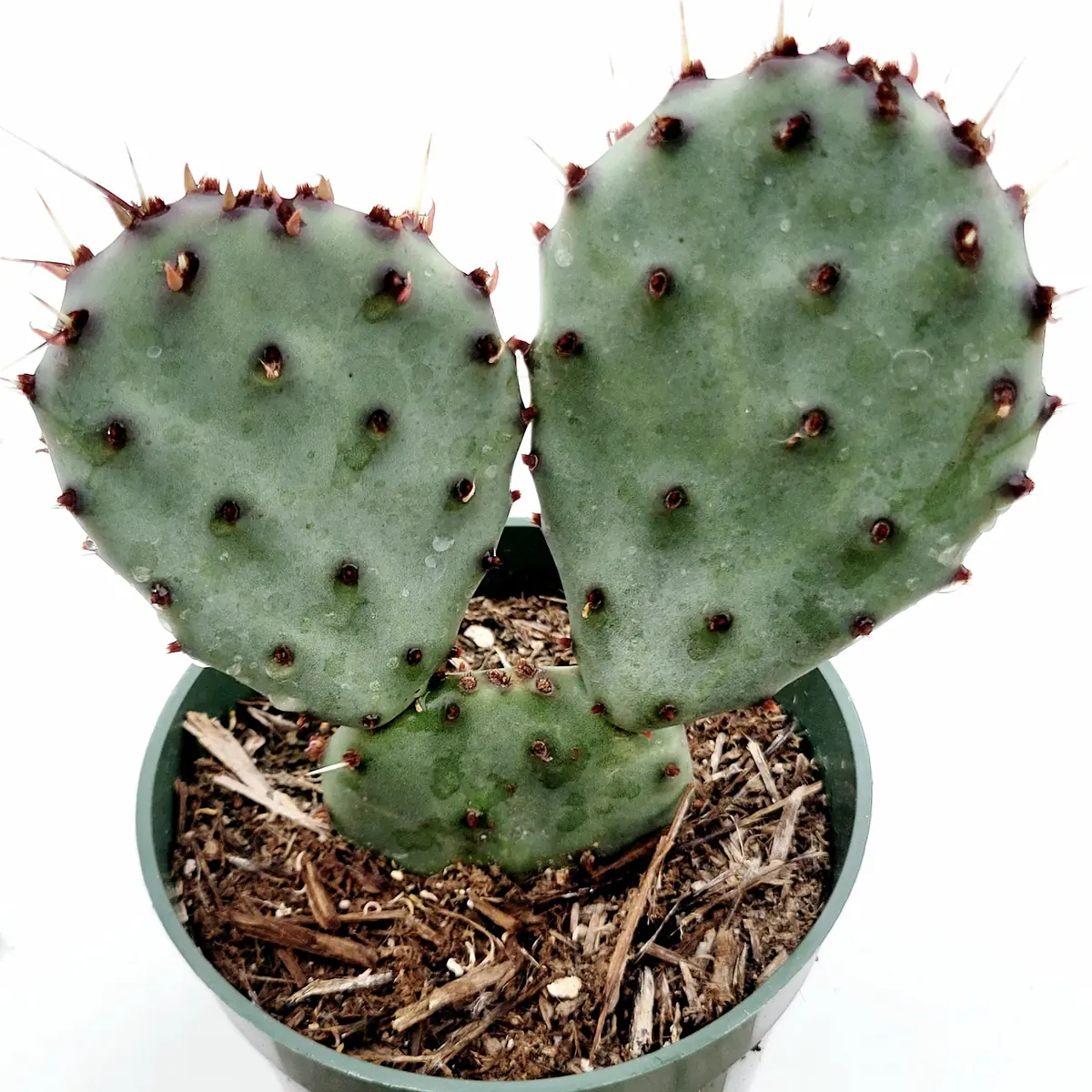
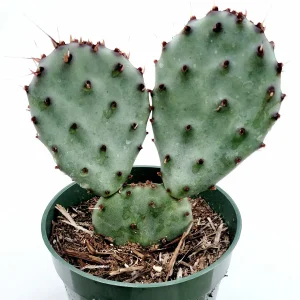
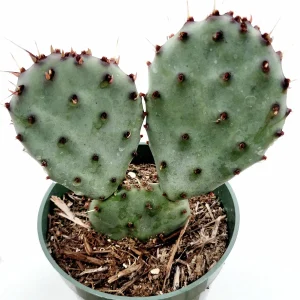
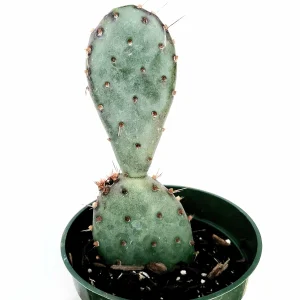
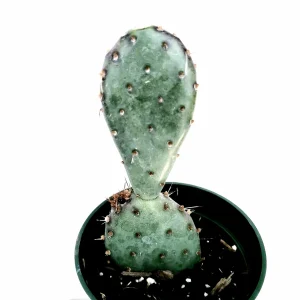
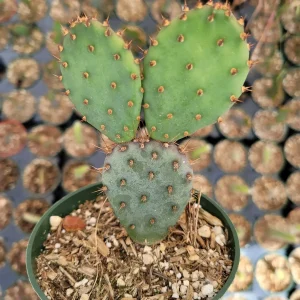
The Santa Rita Purple Prickly Pear typically grows into an impressive, bushy succulent shrub, reaching heights of 6-8 feet (180-240 cm) and spreading 8-10 feet (240-300 cm) wide when mature in ideal outdoor conditions. Its growth rate is moderate, allowing it to establish itself effectively in a garden setting. This live plant is generally shipped in various sizes, with smaller 2-inch plants often arriving with their pot and soil, while larger specimens, such as 4-inch and above, may be shipped bare-rooted to ensure healthier transport and establishment. You can expect to receive a plant that is very similar to those pictured, though natural variations in shape and color are common due to its living nature and environmental factors. Its resilience and striking appearance make it a fantastic choice for adding a unique focal point to your landscape, transforming from a modest starter plant into a magnificent, architectural feature over time.
Frequently Asked Questions
- Q: How big does this Santa Rita Purple Prickly Pear get? A: In optimal outdoor conditions, the Opuntia santa-rita can grow quite large, typically reaching 6-8 feet tall and 8-10 feet wide, forming a substantial bushy shrub. Its size makes it an impactful landscape plant.
- Q: Is this an indoor or outdoor plant? A: While it can be grown indoors in a very sunny location, the Santa Rita Purple Prickly Pear truly flourishes outdoors in full sun, especially in arid and semi-arid climates. It’s an excellent outdoor xeriscape plant.
- Q: How much sunlight does the purple prickly pear need? A: This cactus requires at least 6 hours of direct sunlight daily to promote strong growth and develop its characteristic vibrant purple coloration. More sun generally leads to more intense purple hues.
- Q: Is this plant easy to care for? A: Yes, the Santa Rita Purple Prickly Pear is considered very easy to care for, especially due to its drought tolerance and low maintenance needs. It’s an ideal choice for beginners and busy gardeners looking for a resilient plant.
- Q: What condition will the drought tolerant cactus arrive in? A: Smaller plants (e.g., 2-inch) are typically shipped in their pot with soil, while larger ones (e.g., 4-inch and above) are often shipped bare-rooted. This method helps ensure the plant’s health during transit.
- Q: When is the best time to plant the Santa Rita Purple Prickly Pear? A: The best time to plant is in spring or early summer, allowing the plant ample time to establish its root system before cooler temperatures arrive. Ensure there is no risk of hard frost.
- Q: Will the Opuntia santa-rita survive winter in my zone? A: This cactus is frost hardy and can tolerate temperatures below freezing. It performs best in USDA zones 8-11, but may require protection in colder zones during severe freezes.
- Q: What kind of soil is best for purple prickly pear care? A: A well-draining, loose, and breathable loam is ideal. For potted plants, a mix of sandy loam and coarse sand, possibly with some added fertilizer, will provide the best environment.
- Q: Does this cactus produce flowers or fruit? A: Yes, in spring, the Santa Rita Purple Prickly Pear produces beautiful large yellow flowers. These are followed by small, edible purple fruits which are attractive to birds.
- Q: Is this xeriscape plant deer resistant? A: Yes, due to its spines, the Santa Rita Purple Prickly Pear is naturally deer resistant, making it a great addition to gardens where deer may be a concern.


Reviews
There are no reviews yet.