Overview
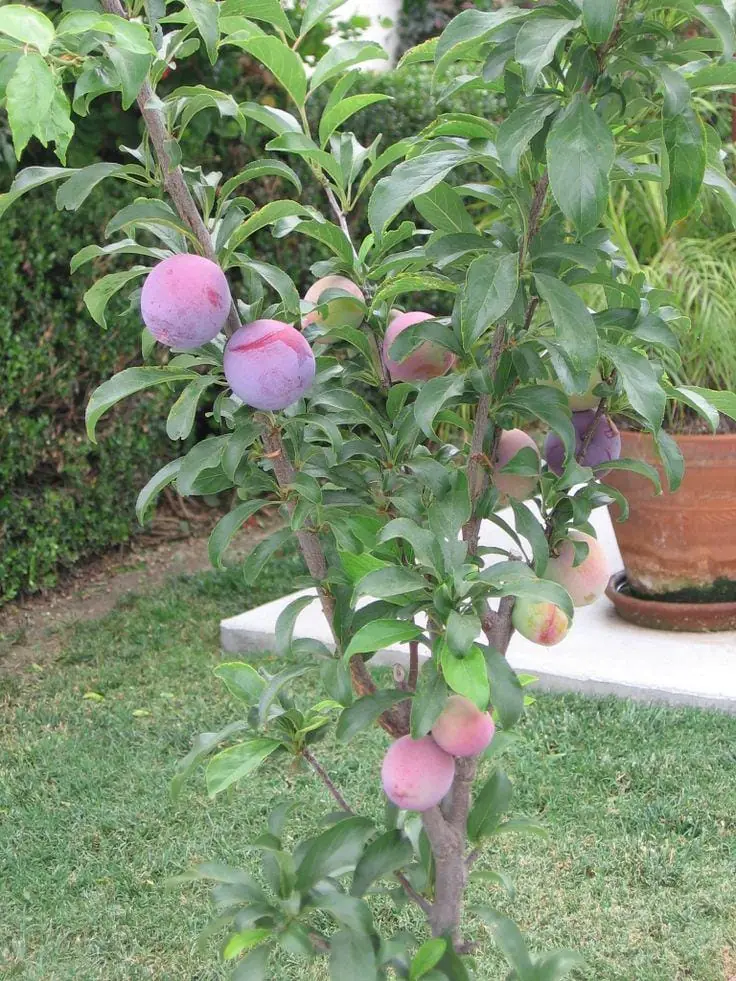
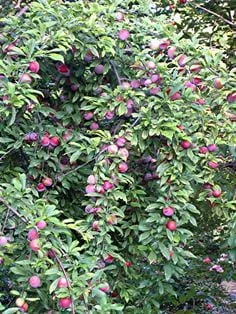
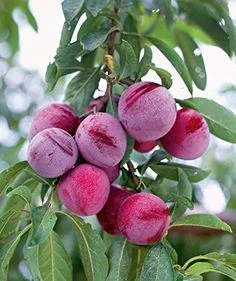
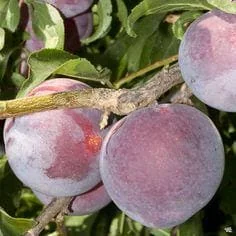
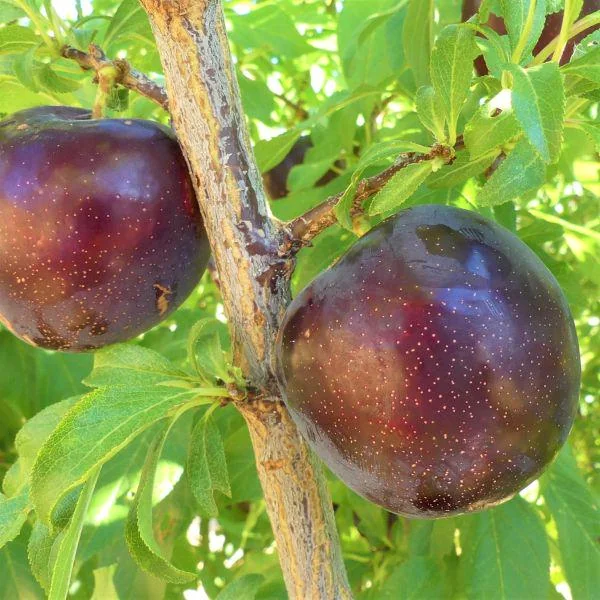
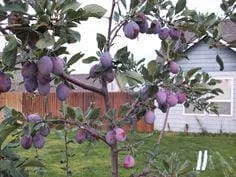
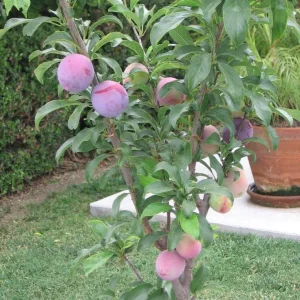
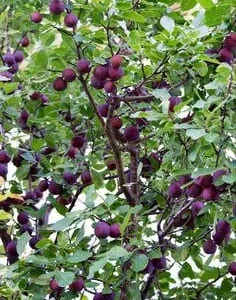
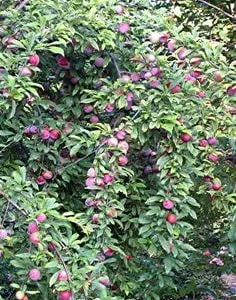
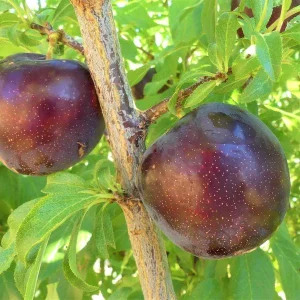
Bring the joy of homegrown fruit to your garden with the exceptional Santa Rosa Plum Tree. This bare-root specimen offers a fantastic opportunity to establish a highly productive and beautiful fruit tree. Celebrated for its superior quality fruit, the Santa Rosa plum is one of the most widely grown plum varieties, a true heirloom creation by Luther Burbank. Known for its prolific yield, vigorous growth, and self-fertility, this bare-root plum tree is an excellent choice for both novice and experienced gardeners. Its purple-red skin encases a rich, tart, and fragrant yellow flesh, making it a delicious addition to any culinary creation or enjoyed fresh off the branch. Beyond its delectable fruit, the Santa Rosa Plum Tree also serves as an excellent pollen source for other Asian plum varieties, enhancing the overall productivity of your orchard.
This deciduous tree thrives in a variety of climates, particularly USDA Zones 5 through 9, and can even tolerate warmer areas like parts of Zone 10 due to its low chill hour requirement (approximately 300-400 hours). Its adaptability and hardiness make it a versatile choice for many landscapes. Not just a fruit producer, it’s also a visually appealing medium-sized tree, suitable for use as a privacy hedge, a border tree, or a stunning specimen plant. Enjoy beautiful white springtime blooms followed by lush green foliage that transitions into wonderful fall colors, adding year-round interest to your outdoor space. Choosing a Santa Rosa Plum Tree means investing in a legacy of flavor and beauty for your home garden.
Key Benefits
The Santa Rosa Plum Tree offers a multitude of benefits, making it a highly desirable addition to any garden or landscape. From its delicious fruit to its ornamental value, this tree provides continuous rewards.
- Exceptional Fruit Quality: Enjoy abundant harvests of superior purple-red plums with rich, tart, and fragrant yellow flesh. These plums are perfect for fresh eating, canning, jams, and other culinary delights, providing a truly farm-to-table experience right in your backyard.
- Self-Fertile and Prolific: This variety is self-fertile, meaning it can produce fruit without needing another plum tree for pollination, though cross-pollination can increase yields. It’s also known for being a prolific bearer, ensuring a generous crop each season.
- Excellent Pollinator for Other Plums: The Santa Rosa Plum Tree is considered one of the best choices as a pollen source for other Asian plum tree varieties, helping to boost the fruit production of neighboring trees in your orchard.
- Low Chill Hour Requirement: With a chill hour requirement of only 300-400 hours, this tree is well-suited for a wider range of climates, including warmer regions where other plum varieties might struggle.
- Versatile Landscape Plant: Beyond its fruit, this medium-sized tree offers significant ornamental value. It can be planted as a privacy hedge, a border tree, or a focal point specimen, enhancing the aesthetic appeal of your garden with its showy spring flowers and vibrant fall foliage.
- Hardy and Adaptable: Vigorous, hardy, and heat-tolerant, the Santa Rosa plum tree adapts well to various soil types. This resilience makes it a robust choice that can thrive in many different environments, reducing the need for intensive care.
- Beautiful Seasonal Interest: Experience stunning white blossoms in spring, followed by lush green leaves throughout summer, and finally, attractive fall color before the leaves drop. This continuous display adds dynamic visual interest to your landscape all year long.
Plant Care & Growing Tips
Caring for your Santa Rosa Plum Tree is straightforward, ensuring years of delicious fruit and beautiful landscape appeal. As a bare-root plum tree, it’s crucial to plant it correctly upon arrival to give it the best start. Choose a location that receives full sun, meaning at least 6-8 hours of direct sunlight per day. Good air circulation is also important to prevent fungal diseases. Dig a hole wide enough to accommodate the roots spread out, and deep enough so that the graft union (the slightly swollen area on the trunk) remains above the soil line. Backfill with native soil, gently tamping down to remove air pockets, and water thoroughly.
Watering is critical, especially during the first few years as the tree establishes. Provide deep, consistent watering, ensuring the soil remains moist but not waterlogged. Once established, the tree is more drought-tolerant but will benefit from irrigation during dry spells, particularly when fruit is developing. The Santa Rosa Plum Tree prefers well-draining soil with a pH between 6.0 and 7.0. While adaptable to various soil types, enriching poor soils with compost can significantly improve growth and fruit production. Fertilize in early spring with a balanced fruit tree fertilizer, following package instructions based on the tree’s age and size. Prune annually in late winter or early spring to shape the tree, remove dead or diseased branches, and encourage good air circulation and fruit production.
The low chill plum characteristic makes this tree suitable for a wide range of USDA Zones, typically 5-9, and even warmer parts of Zone 10. Protect young trees from extreme cold snaps in marginal zones, and consider mulching around the base to help retain soil moisture and regulate soil temperature. Watch for common fruit tree pests and diseases, and address them promptly using organic or conventional methods as preferred. With proper care, your Santa Rosa Plum Tree will become a cherished part of your garden, providing both beauty and bountiful harvests of this beloved fruit tree for garden.
Size & Details
The Santa Rosa Plum Tree is typically sold as a bare-root specimen, meaning it is shipped dormant without soil around its roots. This method allows for easier transport and planting during the dormant season, usually late fall to early spring. Upon planting, a bare-root tree will quickly establish its root system in the ground. When mature, this medium-sized deciduous tree generally reaches a height of 15 to 20 feet with a similar spread, though its size can be managed with proper pruning. It exhibits a moderate growth rate, allowing it to establish itself well within a few years while providing a significant presence in the landscape.
The fruit of the Santa Rosa Plum Tree typically ripens in mid-summer, offering a delightful harvest season. It requires approximately 300-400 chill hours, making it an excellent choice for regions with mild winters. This tree’s adaptability to various soil types and its vigorous nature ensure a robust and healthy plant if given adequate sunlight and water. As a self-fertile variety, you can expect fruit even with a single tree, although planting another plum variety nearby can often enhance pollination and lead to even larger yields. This tree’s ability to serve as a pollen source for other Asian plums further enhances its value in a diverse orchard setting, ensuring a thriving and productive garden.
Frequently Asked Questions
- Q: How big does a Santa Rosa Plum Tree get? A: A mature Santa Rosa Plum Tree typically grows to a height of 15-20 feet with a similar spread. Its size can be managed with regular pruning to fit your garden space.
- Q: Is the Santa Rosa Plum Tree self-pollinating? A: Yes, the Santa Rosa Plum Tree is self-fertile, meaning it can produce fruit on its own. However, planting another plum variety nearby can often lead to a larger and more consistent fruit set.
- Q: What USDA Zones are suitable for a Santa Rosa Plum Tree? A: This bare-root plum tree thrives in USDA Hardiness Zones 5 through 9. It also has a low chill hour requirement (300-400 hours), making it suitable for warmer parts of Zone 10.
- Q: When is the best time to plant a bare-root plum tree? A: The ideal time to plant a bare-root plum tree is during its dormant season, typically from late fall to early spring, after the danger of hard frost has passed but before the tree breaks dormancy.
- Q: What kind of soil does a Santa Rosa Plum Tree prefer? A: This tree prefers well-draining soil with a pH between 6.0 and 7.0. While adaptable, amending heavy clay or sandy soils with organic matter will promote healthier growth and better fruit production for your fruit tree for garden.
- Q: How much sunlight does this plum tree need? A: The Santa Rosa Plum Tree requires full sun exposure, meaning at least 6-8 hours of direct sunlight daily, to ensure optimal growth and fruit development.
- Q: What condition will the bare-root plum tree arrive in? A: Your bare-root plum tree will arrive dormant, without leaves or soil around its roots. The roots will be packed to maintain moisture during transit, ready for immediate planting.
- Q: Is this a good plum for fresh eating? A: Absolutely! The Santa Rosa plum is highly prized for its delicious, tart, and fragrant yellow flesh, making it an excellent choice for fresh eating right off the tree. It’s also great for preserves and baking.
- Q: Can this tree be used for landscaping beyond fruit production? A: Yes, the Santa Rosa Plum Tree is a beautiful medium-sized tree that can be used as an ornamental specimen, a privacy hedge, or a border tree, offering showy spring flowers and attractive fall foliage.
- Q: What are the chill hour requirements for this low chill plum? A: The Santa Rosa Plum Tree has a low chill hour requirement of approximately 300-400 hours, which is the amount of time the tree needs to experience temperatures between 32°F and 45°F (0°C to 7°C) to break dormancy and produce fruit.


Reviews
There are no reviews yet.