Overview
Cultivate your own exotic fruit with this exquisite Sapodilla tree live plant. Known for its deliciously sweet, caramel-flavored fruit, the sapodilla tree is a cherished addition to any tropical or subtropical garden. This offering features the popular Silas Woods variety, renowned for its excellent fruit quality and manageable size. Originating from southern Mexico, Central America, and the Caribbean, the sapodilla (Manilkara zapota) is a slow-growing, long-lived evergreen tree that can provide shade and sustenance for decades. The Silas Woods cultivar is particularly favored by home growers for its consistent production and delectable fruit. Growing a Sapodilla tree live plant is a rewarding experience, providing both ornamental beauty and a bountiful harvest of unique, nutritious fruit that is rich in vitamins and minerals.
This Sapodilla tree live plant is air-layered, ensuring that it is a true-to-type, mature specimen ready to establish quickly in your landscape. Air-layering is a propagation technique that allows the plant to develop roots while still attached to the parent plant, resulting in a more robust and faster-fruiting tree compared to seed-grown specimens. The Silas Woods variety is known for its relatively compact growth habit, making it suitable for smaller gardens or even large containers in colder climates where it can be moved indoors during winter. Its attractive foliage and the promise of sweet, juicy fruit make this Sapodilla tree live plant an excellent choice for both experienced and novice gardeners looking to explore tropical edibles.
Key Benefits
Adding a Sapodilla tree live plant to your garden offers a wealth of benefits, from its delicious fruit to its aesthetic appeal. This tropical gem provides a unique culinary experience and enhances your outdoor space.
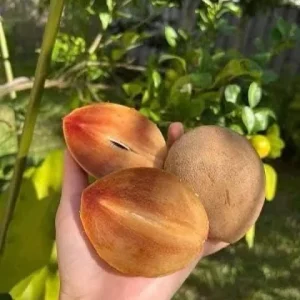
- Produces Delicious Fruit: The primary benefit of the Sapodilla tree live plant is its incredibly sweet, malty, and pear-like fruit. The Silas Woods variety is particularly prized for its rich flavor and smooth texture, perfect for fresh eating, desserts, or smoothies.
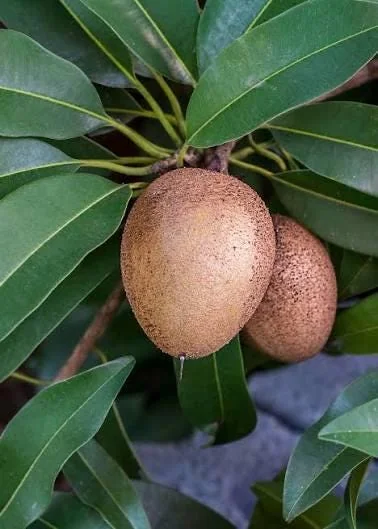
- Ornamental Value: With its glossy, dark green leaves and dense canopy, the sapodilla tree provides excellent shade and a lush, tropical aesthetic to any landscape. It’s an attractive evergreen that looks good year-round.
- Nutrient-Rich Harvest: Sapodilla fruit is not only tasty but also packed with essential nutrients, including dietary fiber, vitamin C, and antioxidants, contributing to a healthy diet.
- Drought Tolerant: Once established, the sapodilla tree is remarkably drought-tolerant, making it a sustainable choice for many warm climates and reducing the need for frequent watering.
- Long-Lived & Productive: Sapodilla trees are known for their longevity and can produce fruit for many decades, offering a long-term investment in your home orchard.
- Relatively Low Maintenance: While it requires initial care, a mature Silas Woods sapodilla tree is generally low-maintenance, needing minimal pruning and pest management in optimal conditions.
- Unique Garden Addition: For those seeking to diversify their fruit tree collection, a tropical fruit tree like the sapodilla offers an exotic appeal and a taste experience not commonly found in local markets.
Plant Care & Growing Tips
Caring for your Sapodilla tree live plant, especially the Silas Woods sapodilla variety, is straightforward once you understand its basic needs. These trees thrive in warm, tropical, or subtropical environments. For optimal growth and fruit production, select a site with full sun exposure, meaning at least 6-8 hours of direct sunlight daily. While sapodillas can tolerate some partial shade, full sun promotes better fruiting and overall plant health. Ensure good air circulation around the tree to prevent fungal issues.
When it comes to watering, young sapodilla trees require consistent moisture to establish their root system. Water deeply and regularly, especially during dry periods, ensuring the soil remains moist but not waterlogged. Once established, the trees become quite drought-tolerant, but regular watering during flowering and fruiting periods will enhance yield and fruit quality. The ideal soil for a tropical fruit tree like the sapodilla is well-draining, slightly acidic to neutral (pH 6.0-7.0), and rich in organic matter. Amend heavy clay soils with compost and sand to improve drainage, or consider planting in a raised bed. For potted plants, use a high-quality potting mix designed for tropical fruits.
Sapodilla trees are sensitive to cold and frost. They thrive in USDA hardiness zones 9-11. If you live in a cooler climate, consider growing your Sapodilla tree live plant in a large container that can be moved indoors during winter. Protect young trees from temperatures below 30°F (-1°C) with frost cloths or by bringing them inside. Fertilize your sapodilla tree 3-4 times a year with a balanced fertilizer formulated for fruit trees, especially during the growing season. Reduce fertilization during dormancy. Common problems include scale insects and mealybugs, which can be managed with horticultural oil or insecticidal soap. Proper watering and good air circulation will help prevent most fungal diseases. Understanding sapodilla plant care basics will ensure a healthy and productive tree for years to come.
Size & Details
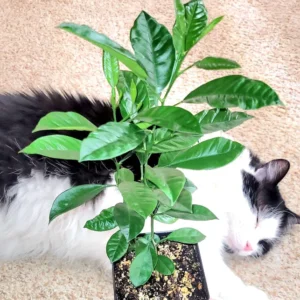
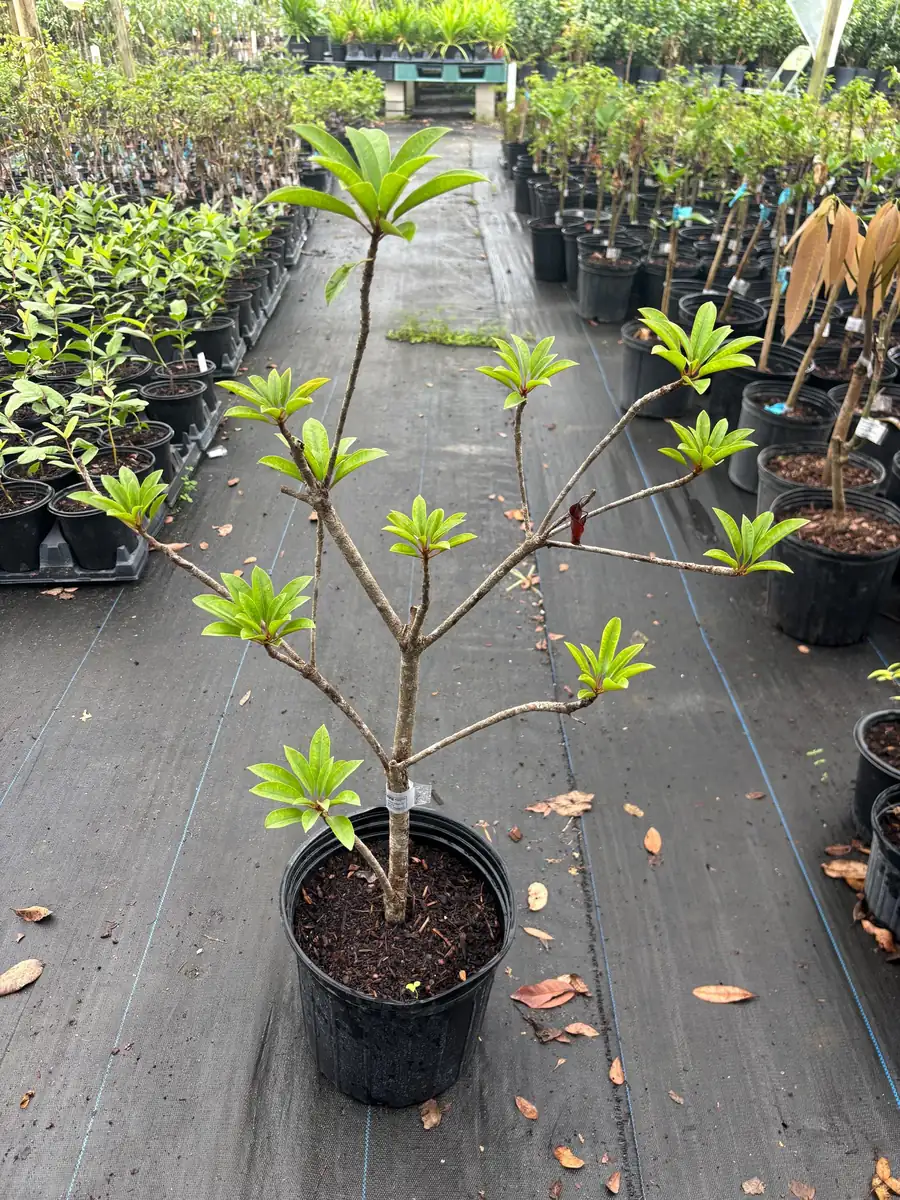
This offering is for a vibrant Sapodilla tree live plant, specifically the popular Silas Woods variety, grown in a 3-gallon nursery pot. The tree stands approximately 2-3 feet tall from the base of the pot, making it a substantial young specimen ready for planting. As an air-layered tree, it possesses a well-developed root system, which contributes to faster establishment and earlier fruit production compared to seed-grown sapodillas. The Silas Woods sapodilla is known for its moderate growth rate, eventually reaching heights of 20-30 feet in ideal conditions, though it can be kept smaller with pruning or container growing. Its attractive, dense foliage provides year-round interest.
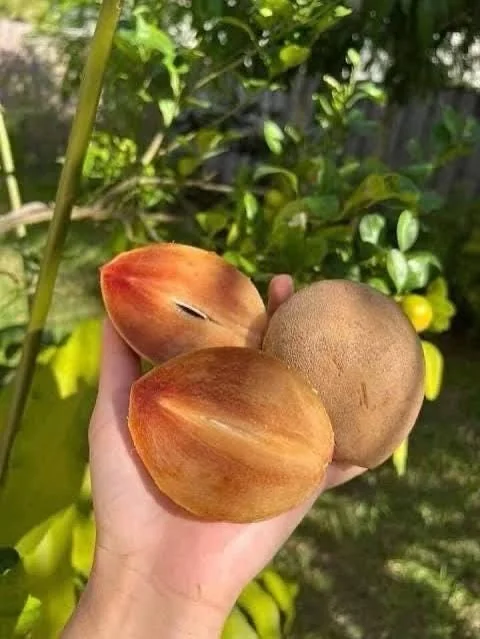
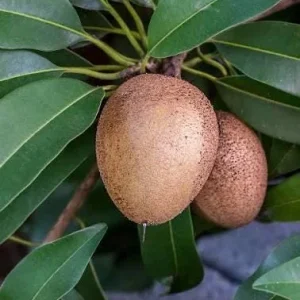
This tropical fruit tree will arrive carefully packaged to ensure its health during transit. Upon arrival, it is recommended to acclimate the plant to its new environment gradually before planting. While sapodillas can start fruiting within 2-4 years from an air-layered plant, significant harvests typically begin a few years later. Expect sweet, brown-skinned fruit with a grainy, melt-in-your-mouth texture. This size is perfect for planting directly into the ground in warm climates or transferring to a larger container for those in colder regions wishing to enjoy the unique experience of growing sapodilla.
Frequently Asked Questions
- Q: How big does this sapodilla tree get? A: This Sapodilla tree live plant is currently 2-3 feet tall. In optimal outdoor conditions, the Silas Woods variety can eventually reach heights of 20-30 feet, but it can be maintained at a smaller size with regular pruning or by growing it in a large container.
- Q: What size pot does it come in? A: The Sapodilla tree live plant is grown and shipped in a 3-gallon nursery pot, providing a healthy root ball for successful transplanting.
- Q: Is this an indoor or outdoor plant? A: The sapodilla is a tropical fruit tree best suited for outdoor growing in USDA Zones 9-11. In colder climates, it can be grown outdoors during warm months and brought indoors as a container plant for winter.
- Q: How much sunlight does it need? A: For best growth and fruit production, your Silas Woods sapodilla requires full sun, meaning at least 6-8 hours of direct sunlight per day.
- Q: Is this plant easy to care for? A: Once established, sapodilla trees are relatively low-maintenance. Young trees require consistent watering and protection from frost, but mature trees are quite resilient and drought-tolerant, making sapodilla plant care manageable.
- Q: What condition will it arrive in? A: Your Sapodilla tree live plant will arrive carefully packaged, healthy, and ready for planting, ensuring the best possible start for your new tropical addition.
- Q: How long until it blooms and fruits? A: As an air-layered plant, this sapodilla can start blooming and producing fruit within 2-4 years, though a more substantial harvest will typically occur a few years after that.
- Q: Can I use sapodilla fruit in cooking? A: Yes, sapodilla fruit is delicious eaten fresh, but it can also be used in desserts, smoothies, ice creams, and preserves. Its unique flavor adds a tropical twist to various culinary creations.
- Q: What’s the minimum temperature this tree can tolerate? A: Sapodilla trees are sensitive to cold. Young trees can be damaged by temperatures below 30°F (-1°C). Mature trees can tolerate brief dips slightly below freezing, but prolonged cold will cause damage. This is important for understanding growing sapodilla in different climates.
- Q: What type of soil does a sapodilla prefer? A: Sapodilla trees thrive in well-draining soil that is rich in organic matter, with a pH between 6.0 and 7.0. Good drainage is crucial to prevent root rot.


Reviews
There are no reviews yet.