Overview
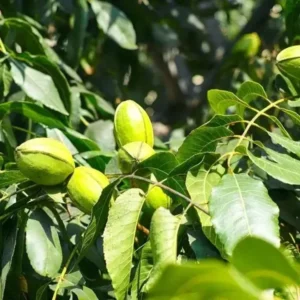
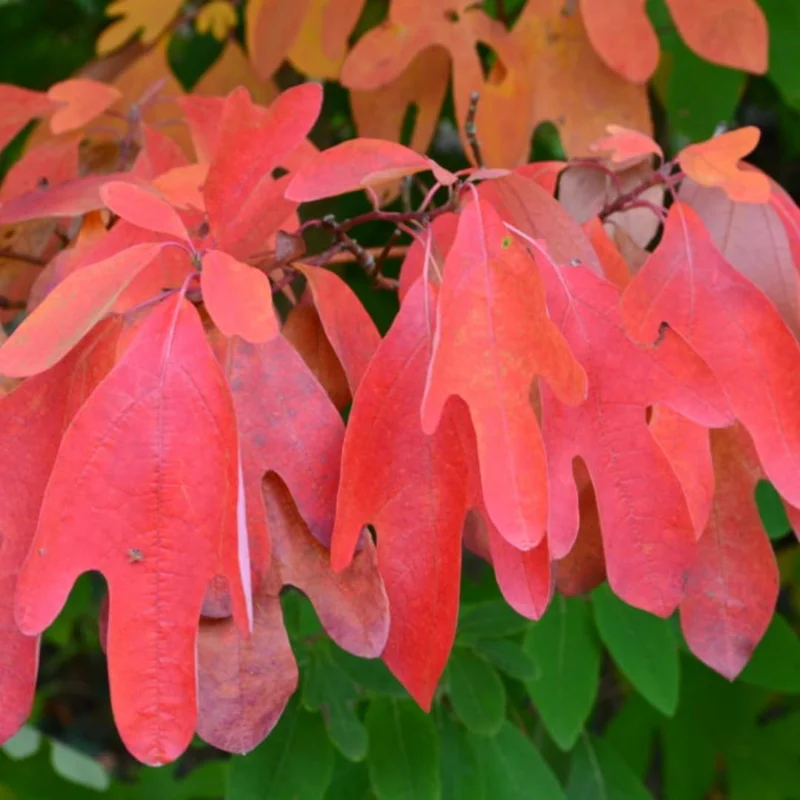
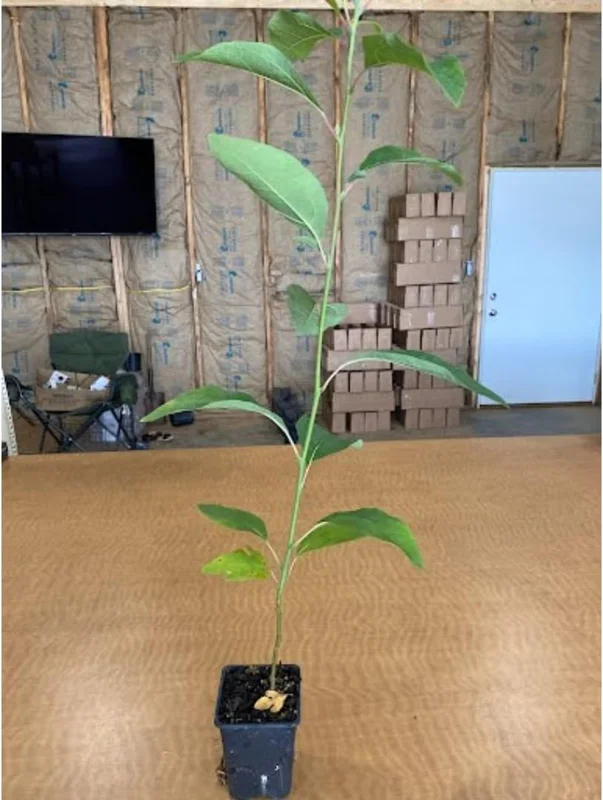
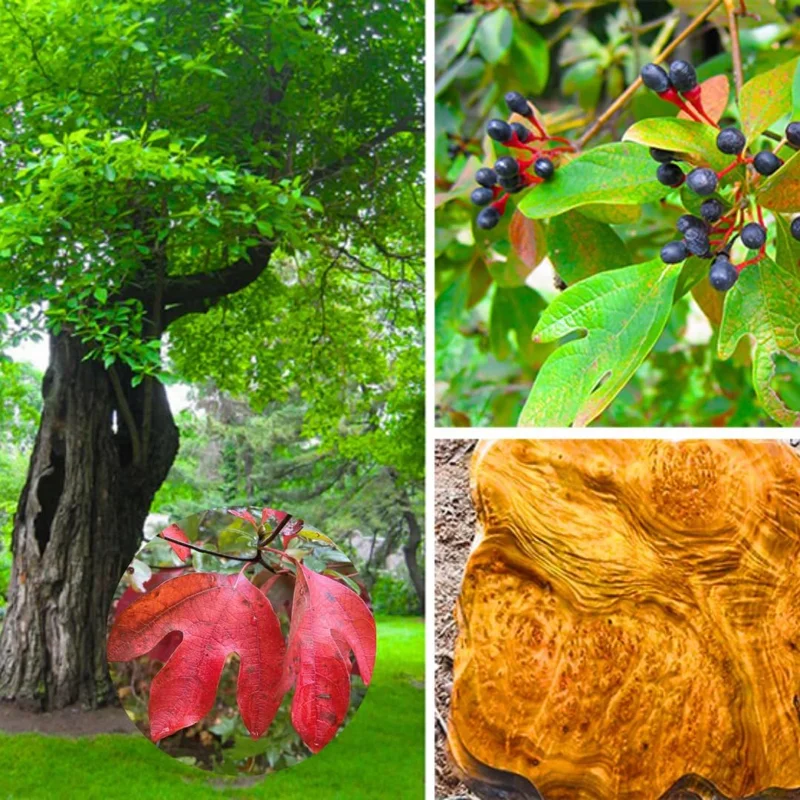
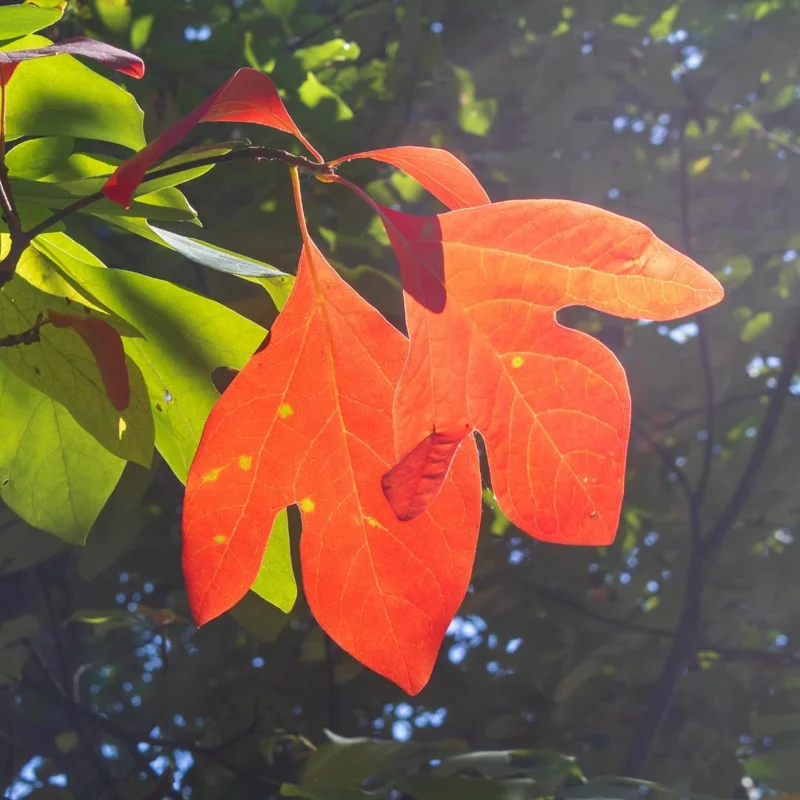
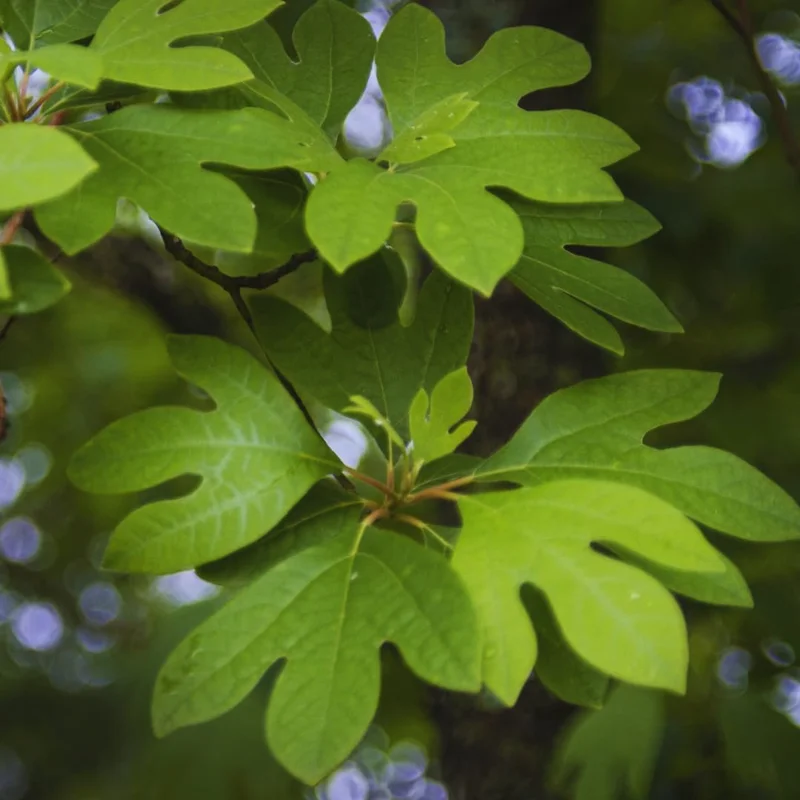
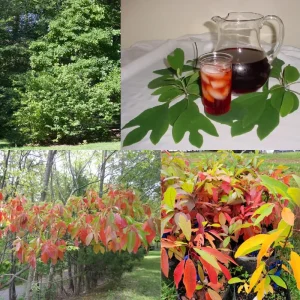
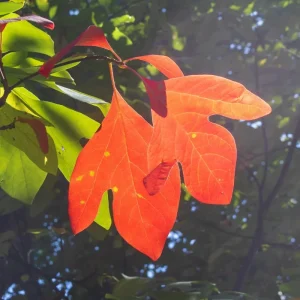
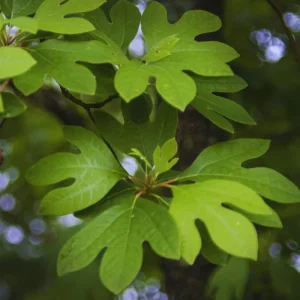
Introduce a touch of native American beauty to your landscape with this vibrant sassafras tree live plant. This 1-year-old seedling, carefully nurtured in a quart pot, arrives well-rooted and ready for planting. Known for its distinctive three-lobed leaves, aromatic bark, and brilliant fall colors ranging from green to yellow, the sassafras tree (Sassafras albidum) is a truly captivating species. It’s a fantastic choice for gardeners looking for a resilient, low-maintenance tree that offers year-round interest. This particular sassafras tree live plant is winter-hardy, ensuring it can withstand colder temperatures and establish itself robustly in your outdoor space.
The common sassafras is more than just an ornamental tree; its fragrant leaves and roots have historical significance and attract various wildlife, adding ecological value to your garden. Our common sassafras seedlings are grown with care, ensuring they have a strong start before reaching your home. Perfect for creating a naturalized area, a woodland garden, or simply as a striking specimen tree, this sassafras offers both beauty and a unique aromatic experience.
Key Benefits
Adding a sassafras tree to your garden brings a multitude of benefits, from its aesthetic appeal to its ecological contributions. Our sassafras tree live plant provides a unique blend of features that make it a standout choice:
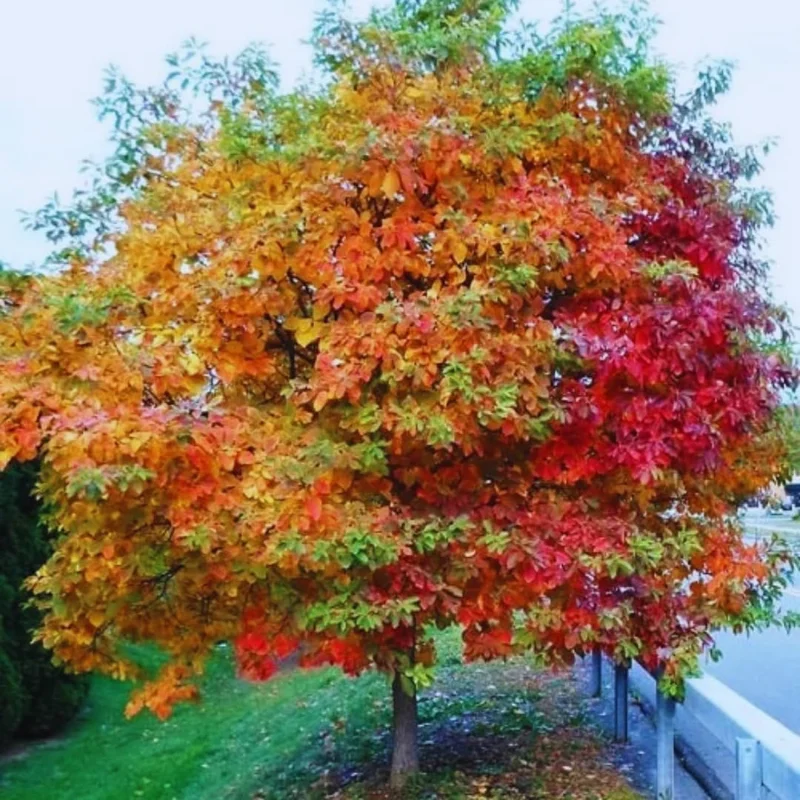
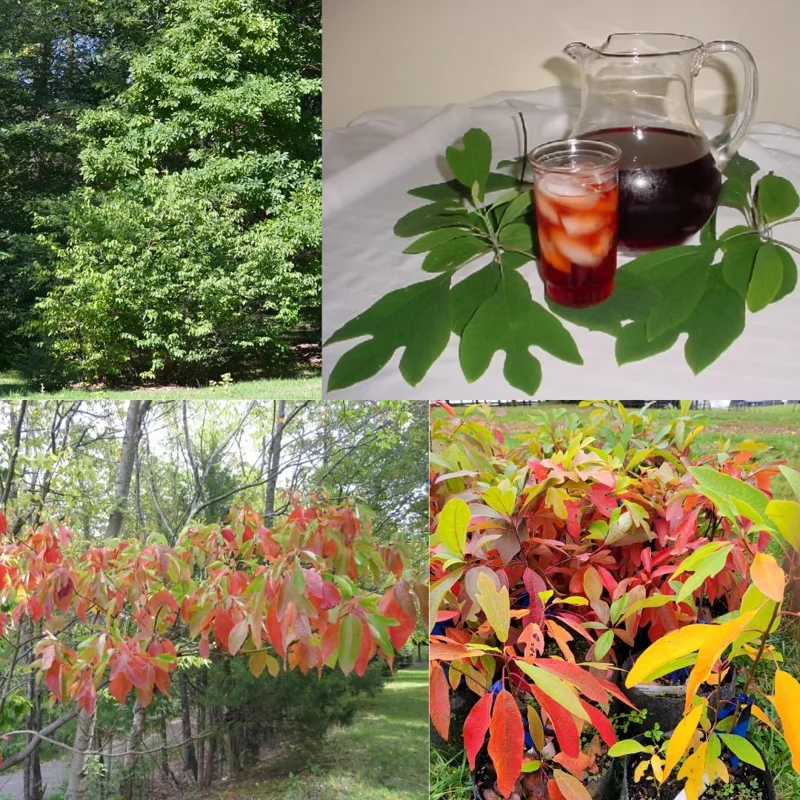
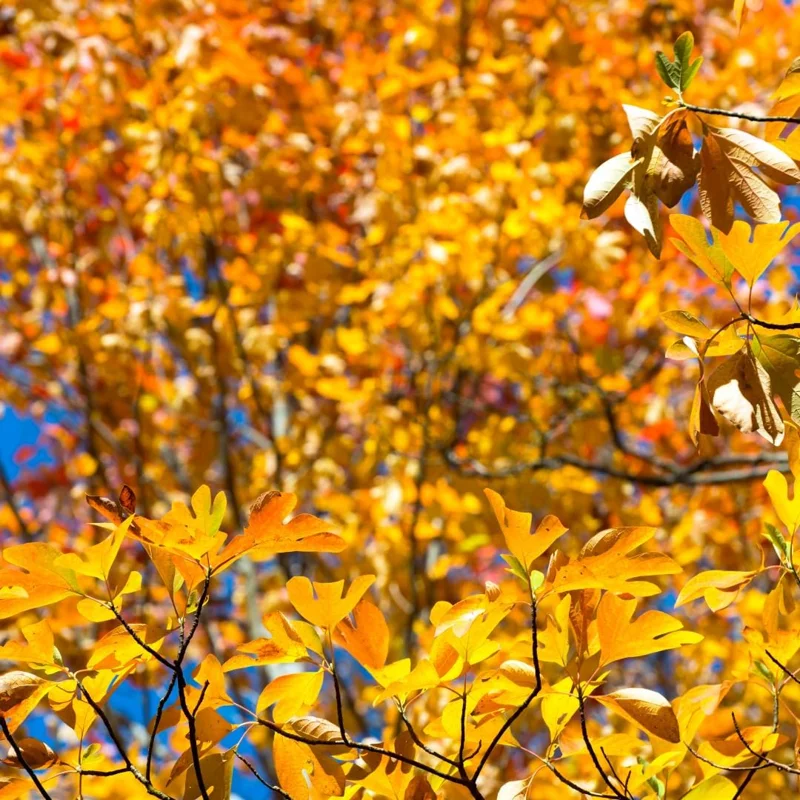
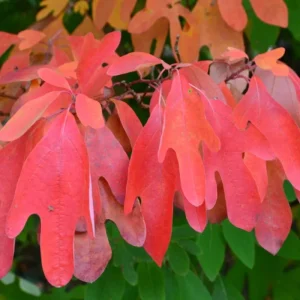
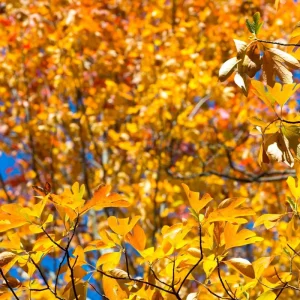
- Distinctive Foliage & Fall Color: Enjoy the unique three-lobed leaves throughout the spring and summer, which transform into a spectacular display of yellow and orange hues in the autumn, adding vibrant color to your landscape.
- Aromatic Qualities: The leaves, bark, and roots of the sassafras tree are highly fragrant, releasing a pleasant, spicy aroma when crushed or disturbed, making your garden a sensory delight.
- Winter Hardy & Resilient: This 1-year-old sassafras tree is naturally winter hardy (Zones 4-9), ensuring it can withstand cold temperatures and establish itself as a long-lasting feature in your garden with minimal fuss.
- Ecological Value: Sassafras trees serve as a host plant for various butterfly species and provide food and shelter for birds and other wildlife, contributing to biodiversity in your outdoor space.
- Low Maintenance & Easy to Grow: Once established, the sassafras tree live plant requires minimal care, thriving in full sun to partial shade with well-drained soil, making it an excellent choice for both novice and experienced gardeners.
- Versatile Planting Options: Ideal for gardens, backyards, or naturalized areas, its adaptable nature allows it to fit into various landscape designs, creating a beautiful and functional space.
Plant Care & Growing Tips
Caring for your sassafras tree live plant is relatively straightforward, making it an excellent choice for a wide range of gardeners. These trees are known for their resilience and adaptability, particularly when given the right conditions from the start. For optimal growth, plant your sassafras in a location that receives full sun to partial shade. Full sun (6+ hours of direct sunlight per day) will encourage the most vigorous growth and the most vibrant fall foliage, but they can tolerate partial shade (4-6 hours) as well.
When it comes to soil, sassafras trees prefer well-drained, slightly acidic to neutral soil. While they are adaptable, avoid heavy clay soils that retain too much moisture, as this can lead to root rot. If your soil is heavy, amend it with organic matter like compost to improve drainage. Water your young common sassafras seedlings regularly during their first year to help them establish a strong root system. Once established, they are quite drought-tolerant, but supplemental watering during prolonged dry spells will be beneficial. Fertilization is generally not heavily required for sassafras trees; a light application of a balanced, slow-release fertilizer in early spring can be beneficial for young trees, but avoid over-fertilizing.
Sassafras trees are hardy in USDA Zones 4 through 9, meaning they are well-suited to a broad range of climates and are quite tolerant of winter conditions. Pruning is typically minimal, focusing on removing any dead, damaged, or crossing branches to maintain a healthy structure. Monitor for common pests and diseases, though sassafras trees are generally quite resistant. Ensuring proper air circulation and avoiding overwatering will help prevent most issues. With these simple care guidelines, your fragrant sassafras tree will flourish and become a cherished part of your landscape.
Size & Details
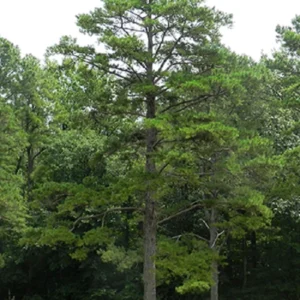
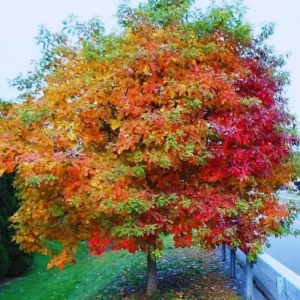
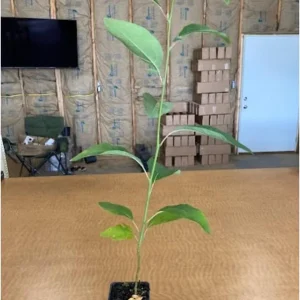
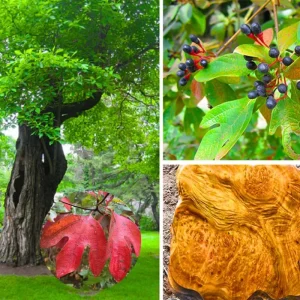
This offering is for a sassafras tree live plant that is approximately 1 year old, arriving in a quart-sized nursery pot. At this stage, the young tree typically measures between 6 to 12 inches tall, depending on growth. It is well-rooted and ready for transplanting into your garden. Sassafras trees are known for their moderate to fast growth rate, potentially adding 1-2 feet of height per year under ideal conditions. In maturity, a sassafras tree can reach heights of 30-60 feet with a spread of 20-40 feet, developing a beautiful, rounded to irregular crown. This makes it an excellent choice for providing shade and visual interest in larger garden spaces. The plant will be shipped securely in its growing container, ensuring minimal stress during transit and a smooth transition to its new home.
Frequently Asked Questions
- Q: How big does this sassafras tree get? A: This particular offering is a 1-year-old sassafras tree live plant in a quart pot, typically 6-12 inches tall. When mature, sassafras trees can reach heights of 30-60 feet with a spread of 20-40 feet, depending on conditions.
- Q: Is this an indoor or outdoor plant? A: The sassafras tree live plant is an outdoor tree. It requires ample space and natural light to thrive and is not suitable for long-term indoor cultivation.
- Q: How much sunlight does it need? A: Sassafras trees perform best in full sun (at least 6 hours of direct sunlight daily) but can tolerate partial shade (4-6 hours). More sun generally leads to better growth and fall color.
- Q: Is this plant easy to care for? A: Yes, once established, the sassafras tree is considered low-maintenance. It’s quite resilient and adaptable, making it a good choice for gardeners of varying experience levels.
- Q: What condition will it arrive in? A: Your common sassafras seedlings will arrive well-rooted in a quart pot, carefully packaged to ensure freshness and minimize shipping stress.
- Q: When is the best time to plant a sassafras tree? A: The best time to plant your winter hardy sassafras tree is in spring or early fall, allowing it ample time to establish its root system before extreme weather.
- Q: Will it survive winter in my zone? A: Yes, this sassafras tree is winter-hardy and suitable for USDA Zones 4-9, meaning it can withstand cold winter temperatures in a wide range of regions.
- Q: Are the leaves and roots really fragrant? A: Absolutely! One of the distinguishing features of the fragrant sassafras tree is its aromatic qualities. The leaves, bark, and roots release a pleasant, spicy scent when bruised or cut.
- Q: What type of soil does it prefer? A: Sassafras trees prefer well-drained, slightly acidic to neutral soil. Good drainage is crucial to prevent root issues.
- Q: How often should I water my young sassafras tree? A: Water regularly during the first year to help establish roots. Once mature, it’s fairly drought-tolerant, but water during extended dry periods.


Reviews
There are no reviews yet.