Overview
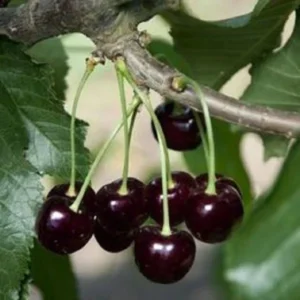
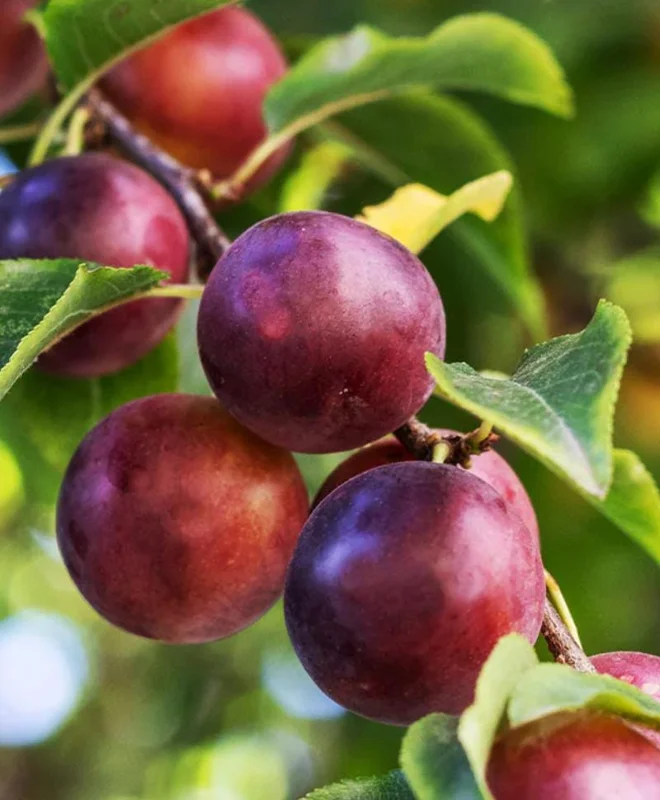
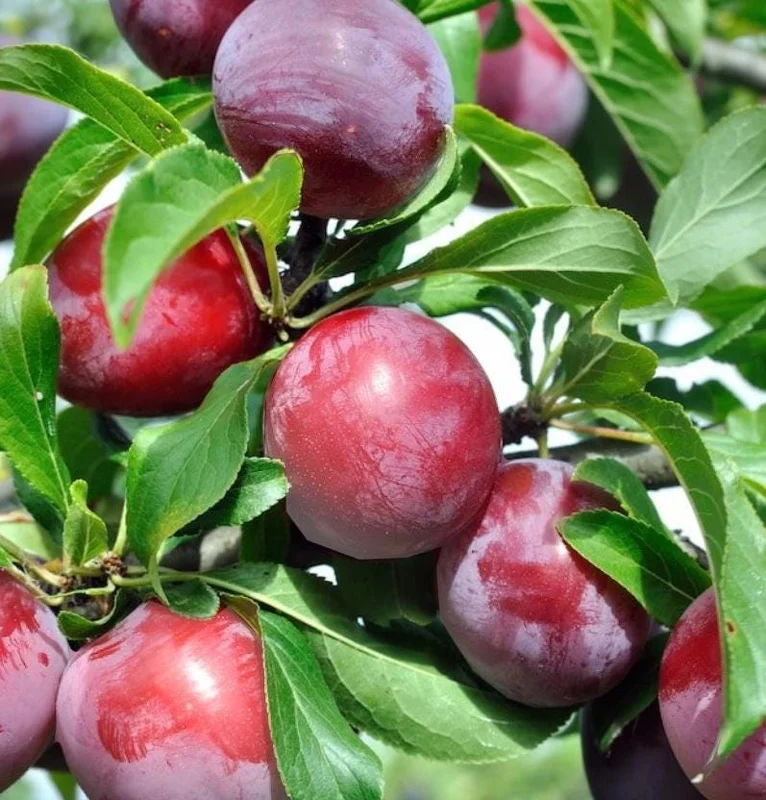
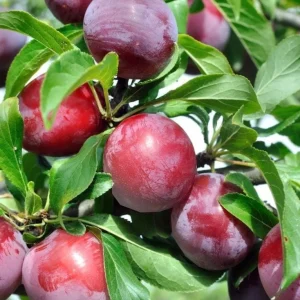
Introduce the delightful taste of homegrown fruit to your garden with a Satsuma plum tree. This live plant offers the promise of abundant, flavorful plums right in your backyard. Known for its deep red flesh and sweet, juicy taste, the Satsuma plum is a popular Japanese plum variety that thrives in various climates. Our Satsuma plum tree ships as a healthy, vibrant specimen, ready to be planted and begin its journey of growth in your garden. Whether you’re an experienced gardener or just starting, this plum tree is a rewarding addition, providing both ornamental beauty and delicious fruit for years to come. Enjoy the satisfaction of harvesting your own fresh, succulent plums.
The Satsuma plum, scientifically known as Prunus salicina ‘Satsuma’, is highly regarded for its exceptional flavor and attractive appearance. These medium-sized plums are perfect for eating fresh, baking, or preserving. Growing your own Satsuma plum tree ensures you have access to organic, tree-ripened fruit, far superior to store-bought varieties. This hardy and productive tree is an excellent choice for anyone looking to cultivate their own fruit supply.
Key Benefits
Adding a Satsuma plum tree to your landscape brings numerous advantages, enhancing both your garden’s beauty and your culinary options. These benefits make it an excellent choice for any fruit enthusiast:
- Delicious Fruit Production: Enjoy a bountiful harvest of sweet, juicy plums with distinct deep red flesh, perfect for fresh eating, jams, jellies, and desserts. The excellent flavor profile of the Satsuma plum tree is a highlight for many gardeners.
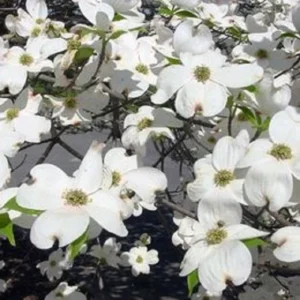
- Ornamental Value: Beyond its fruit, the tree provides attractive seasonal interest with beautiful spring blossoms and lush green foliage throughout the growing season.
- Home Orchard Staple: A classic choice for a home orchard, providing a reliable source of fresh, healthy fruit that can be enjoyed by the whole family. It’s a key component for anyone interested in growing plum trees.
- Healthy Living: Plums are packed with vitamins, antioxidants, and fiber, contributing to a healthy diet and lifestyle. Growing your own ensures pesticide-free fruit.
- Moderate Growth Rate: This tree grows at a manageable pace, reaching a convenient size for harvesting without becoming overly dominant in the landscape.
- Adaptable & Resilient: The Satsuma variety is known for its robust nature and ability to adapt to a range of growing conditions, making it a relatively easy tree to establish.
- Self-Pollinating Option: While cross-pollination can increase yields, Satsuma plums are often considered partially self-fertile, offering flexibility for smaller spaces.
Plant Care & Growing Tips
Caring for your Satsuma plum tree is straightforward, ensuring a healthy plant and a plentiful harvest. These trees thrive with proper attention to their environmental needs. For successful growing plum trees, follow these essential guidelines.
Sunlight requirements: Satsuma plum trees require at least 6-8 hours of direct sunlight per day to produce the best fruit. Choose a location in your garden that receives full sun exposure throughout the day. While they can tolerate partial shade, fruit production may be reduced. Watering schedule and soil moisture preferences: Consistent moisture is crucial, especially during the establishment phase and fruit development. Water deeply once or twice a week, or more frequently during hot, dry periods. The soil should remain consistently moist but never waterlogged. Reduce watering frequency in fall and winter. Soil type and drainage requirements: These trees prefer well-draining, fertile soil with a pH between 6.0 and 7.0. A loamy soil enriched with organic matter is ideal. Avoid heavy clay soils that retain too much moisture, which can lead to root rot. Ensure good drainage by amending heavy soils with compost or sand.
Temperature range and USDA hardiness zone: The Satsuma plum tree is generally hardy in USDA Zones 5-9. It requires a certain number of chill hours (temperatures below 45°F/7°C) to set fruit properly. Protect young trees from extreme cold snaps. Fertilization schedule and type: Fertilize in early spring before new growth begins, using a balanced fertilizer (e.g., 10-10-10) or one formulated for fruit trees. Follow package instructions for application rates. Avoid over-fertilizing, which can promote excessive foliage growth at the expense of fruit. Common problems and solutions: Watch out for common plum tree issues such as aphids, plum curculio, and fungal diseases like brown rot. Regular inspection, proper sanitation, and timely treatment with organic or chemical solutions can help manage these problems effectively. Pruning is also essential for maintaining tree health, shape, and encouraging fruit production.
Size & Details
This Satsuma plum tree arrives as a healthy, vigorously growing live plant, typically measuring 2 to 3 feet tall from the base of the plant to the top. It is shipped in a 1-gallon pot, providing a well-established root system for successful transplanting. The mature size of a Japanese plum tree like the Satsuma can reach 15-20 feet tall and wide, depending on pruning and growing conditions. It has a moderate growth rate, allowing it to establish well in your garden within a few seasons. Expect fruit production within 3-5 years after planting, with increasing yields as the tree matures. This variety is known for its consistent production of the coveted red flesh plum.
Frequently Asked Questions
- Q: How big does this plant get and what size pot does it come in? A: This Satsuma plum tree typically arrives 2 to 3 feet tall and is shipped in a 1-gallon nursery pot. At maturity, with proper care, it can reach heights of 15-20 feet.
- Q: Is this an indoor or outdoor plant? How much sunlight does it need? A: The Satsuma plum is an outdoor tree that requires a location with full sun exposure, meaning at least 6-8 hours of direct sunlight daily, to produce fruit effectively.
- Q: Is this plant easy to care for? Is it good for beginners? A: While growing plum trees requires some attention to watering, sunlight, and occasional pruning, Satsuma plums are generally considered a good choice for intermediate gardeners and can be managed by beginners with consistent care.
- Q: What condition will it arrive in? Is it shipped in soil? A: Your Satsuma plum tree will arrive as a live, healthy plant, carefully packaged in its 1-gallon pot with soil to ensure its well-being during transit.
- Q: Can I grow a Japanese plum tree in a container? A: While possible for a few years, Satsuma plum trees eventually require planting in the ground to reach their full potential and produce ample fruit. If container growing, choose a very large pot and be prepared to transplant.
- Q: How long until it blooms and produces fruit? When is the best time to plant? A: Expect your Satsuma plum tree to start producing fruit within 3-5 years after planting. The best time to plant is in early spring or fall, allowing the roots to establish before extreme temperatures.
- Q: Will it survive winter in my zone? What’s the minimum temperature? A: Satsuma plum trees are hardy in USDA Zones 5-9. They require a certain amount of winter chill but can be damaged by temperatures significantly below 0°F (-18°C) without protection, especially when young.
- Q: Is this a self-pollinating variety? A: While Satsuma plums are often partially self-fertile, planting another Japanese plum variety nearby (like Santa Rosa or Beauty) can significantly increase fruit yield and quality.
- Q: What are the best uses for the red flesh plum? A: The deep red flesh of the Satsuma plum makes it excellent for fresh eating, baking into pies and tarts, making jams, jellies, and preserves, or even drying.
- Q: What kind of fertilizer should I use for my plum tree? A: Use a balanced fertilizer (e.g., 10-10-10) or a fertilizer specifically formulated for fruit trees in early spring. Follow the product’s instructions for application rates.


Reviews
There are no reviews yet.