Overview
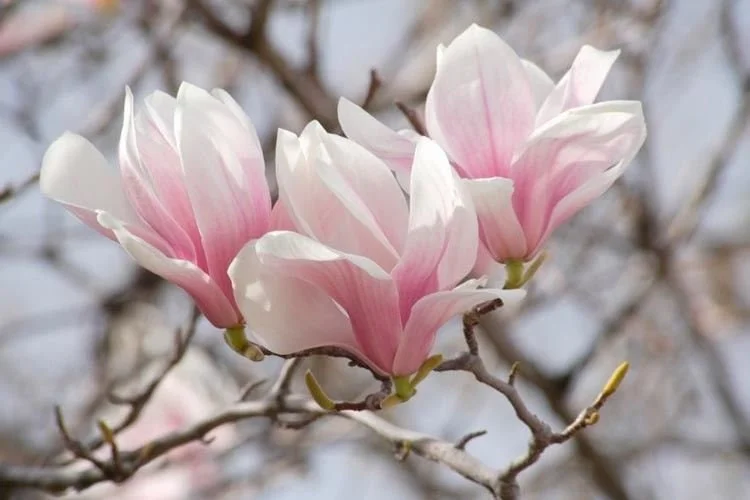
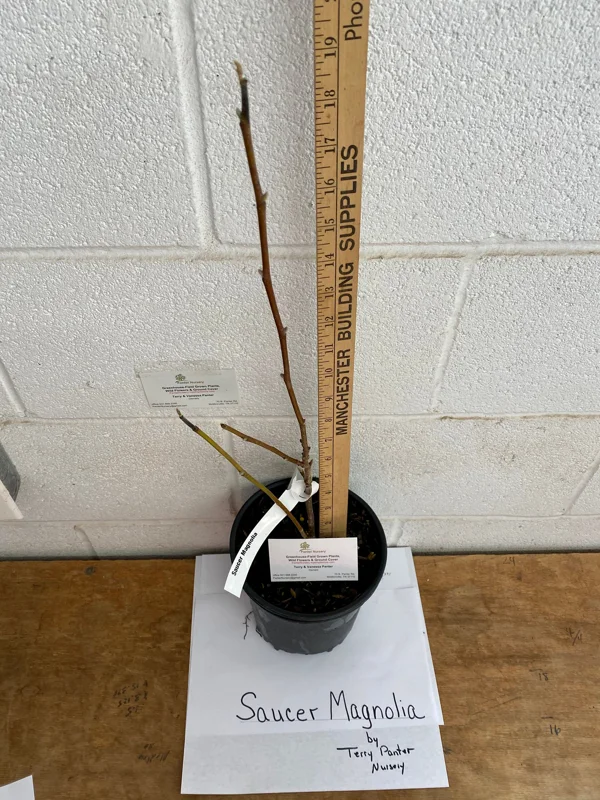
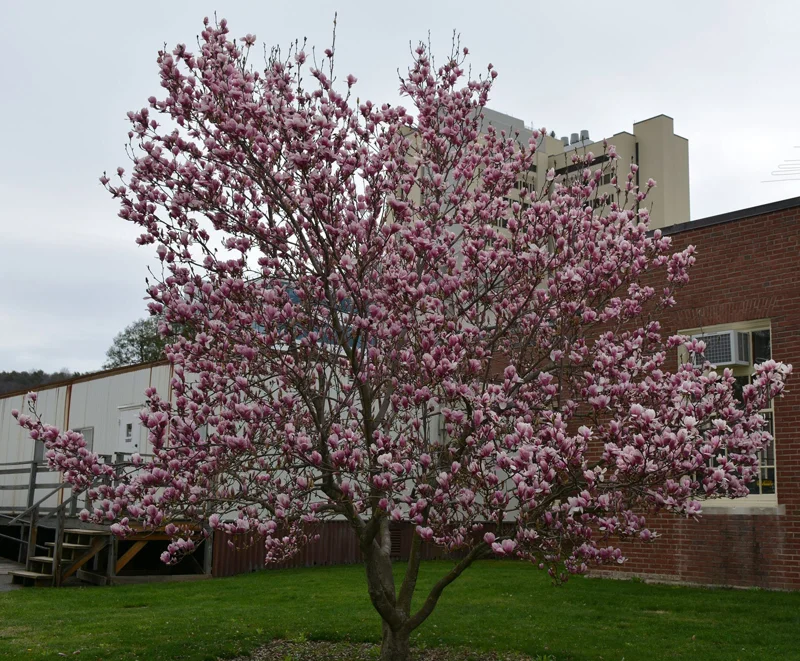
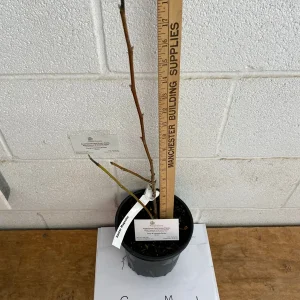
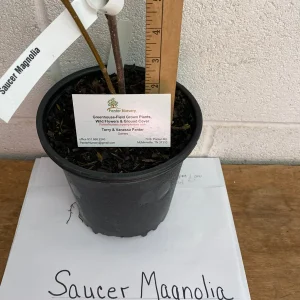
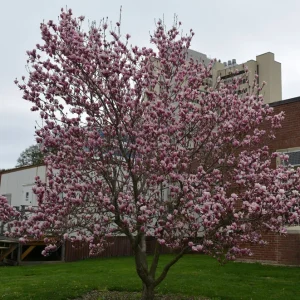
Transform your outdoor space with the magnificent saucer magnolia live tree (Magnolia x soulangeana), a true showstopper renowned for its breathtaking beauty. This deciduous flowering tree, often referred to as a flowering magnolia tree, is celebrated for its early spring blossoms that herald the arrival of warmer weather. Each purchase includes one vigorous plant in a 1-gallon pot, typically measuring 12-18 inches tall, ready to establish itself in your garden. The Saucer Magnolia captivates with its striking pink and white flowers, which can reappear throughout the summer and even into winter in ideal conditions. Beyond its stunning blooms, this tree offers lush summertime leaves that provide a beautiful contrast to its silvery-gray bark, ensuring year-round visual interest. Widely popular in both the United States and Europe, the Saucer Magnolia is a versatile ornamental tree that can be trained as a multi-stemmed shrub or a single-trunk tree, adapting to various landscape designs. Its medium growth rate, adding 13-24 inches per year, means you won’t wait long to enjoy its full splendor.
Key Benefits
The saucer magnolia live tree offers a multitude of benefits, making it an exceptional choice for any garden. Its unique characteristics contribute significantly to both aesthetic appeal and environmental well-being:
-
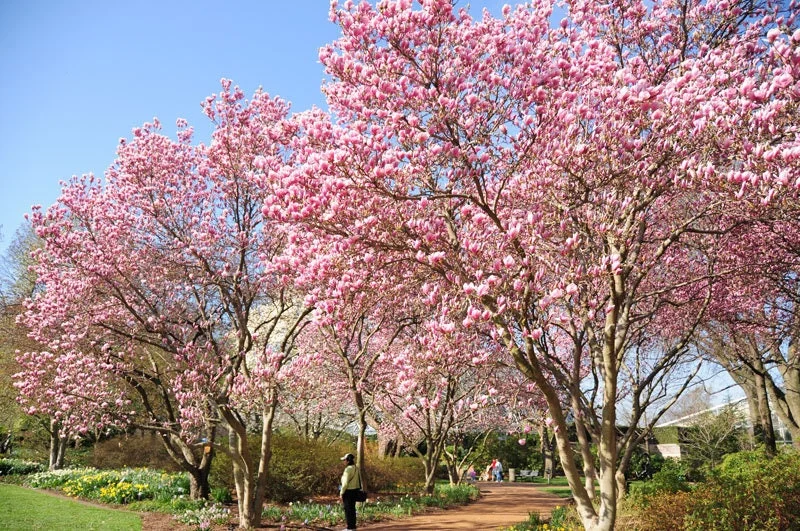
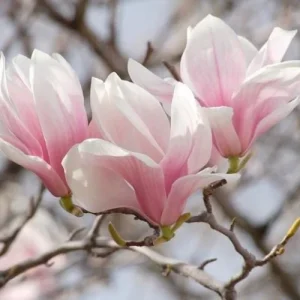
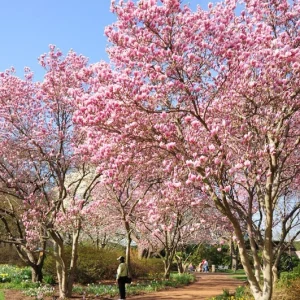
Spectacular Early Spring Blooms: The most prominent feature of the Saucer Magnolia is its profusion of large, saucer-shaped pink and white flowers that burst forth in late February through April, often before the leaves emerge. These vibrant blossoms create an unforgettable display, providing crucial color and fragrance when most other plants are still dormant.
-
Year-Round Visual Interest: While famous for its flowers, this tree also boasts attractive lush green leaves in summer and distinctive silvery-gray bark that adds texture and appeal to the winter landscape. The overall form and structure of a flowering magnolia tree remain captivating throughout the seasons.
-
Versatile Growth Habit: The Saucer Magnolia can be cultivated to suit diverse garden needs. Whether you prefer a multi-stemmed shrub, a small tree with several trunks, or a classic single-trunk specimen, this plant readily adapts to training and pruning, allowing for personalized landscape design.
-
Attracts Pollinators: The early spring flowers provide an important nectar source for early emerging pollinators, contributing to biodiversity in your garden and supporting local ecosystems. This makes it a valuable addition for ecological gardening.
-
Adaptable and Hardy: Resilient and hardy in USDA Zones 4-9, the deciduous magnolia plant can thrive in a wide range of climates. With proper magnolia soulangeana care, it tolerates various soil conditions as long as they are well-drained and acidic.
-
Low Maintenance: Once established, the Saucer Magnolia is relatively low-maintenance. It requires minimal pruning to maintain its shape and remove dead or crossing branches, making it an excellent choice for gardeners seeking high impact with less effort.
-
Enhances Property Value: Adding a mature, well-cared-for pink magnolia flowers tree can significantly increase the curb appeal and overall value of your property, creating a focal point that draws admiration.
Plant Care & Growing Tips
Providing the right care ensures your saucer magnolia live tree flourishes and delivers its spectacular display for years to come. This robust plant thrives with attention to its specific environmental needs. For optimal growth and prolific blooming, plant your Saucer Magnolia in a location that receives full sun, meaning it should get at least 6 hours of direct sunlight per day. While it can tolerate partial shade, full sun promotes the best flowering and strongest growth. Avoid areas with intense afternoon sun in very hot climates, which can scorch the leaves.
When it comes to watering, consistent moisture is key, especially during the establishment phase and dry periods. Water deeply and regularly, ensuring the soil remains evenly moist but never waterlogged. Good drainage is crucial, as magnolias do not tolerate wet feet. The ideal soil for a flowering magnolia tree is acidic, loamy, and well-drained. Amend heavy clay soils with organic matter like compost to improve drainage and aeration. For sandy soils, adding organic matter will help retain moisture and nutrients. Maintaining a slightly acidic pH (5.5-6.5) is beneficial for nutrient uptake.
This deciduous magnolia plant is hardy in USDA Zones 4-9, making it suitable for a broad range of climates. It benefits from a layer of mulch around its base to conserve soil moisture, regulate soil temperature, and suppress weeds. Fertilize in early spring with a balanced, slow-release fertilizer formulated for acid-loving plants, following the product’s instructions. Pruning should be done immediately after flowering to shape the tree and remove any dead, damaged, or crossing branches. Avoid heavy pruning, as magnolias often bleed when cut. Common problems include magnolia scale and powdery mildew, which can be managed with appropriate horticultural oils or fungicides. Proper magnolia soulangeana care involves consistent monitoring and timely intervention to keep your tree healthy.
Size & Details
Each order includes one vibrant saucer magnolia live tree, carefully cultivated and shipped in a 1-gallon nursery pot. At the time of shipping, the plant typically stands 12-18 inches tall, providing a healthy foundation for robust growth in your garden. This flowering magnolia tree exhibits a medium growth rate, adding approximately 13-24 inches of height per year under optimal conditions. Over time, it can reach a mature height of 20-30 feet with a similar spread, creating a substantial and impactful presence in the landscape. The plant is shipped as a rooted, potted specimen, ensuring a smooth transition to your garden soil. Expect the first stunning pink magnolia flowers to appear in late February to April, with potential sporadic re-blooming throughout the summer and occasionally into winter, adding extended periods of beauty. This deciduous magnolia plant will mature into a stately specimen, offering years of enjoyment and seasonal interest.
Frequently Asked Questions
- Q: How big does this saucer magnolia live tree get? A: The Saucer Magnolia is a medium-sized tree that typically grows to a mature height of 20-30 feet with a similar spread. Its growth rate is about 13-24 inches per year.
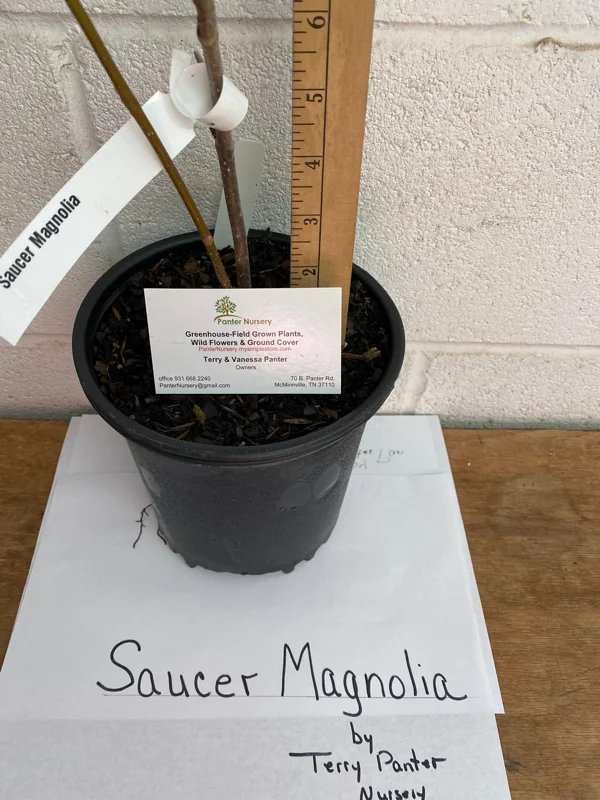
- Q: What size pot does it come in? A: Each flowering magnolia tree is shipped in a 1-gallon nursery pot, and the plant itself is usually 12-18 inches tall upon arrival.
- Q: Is this an indoor or outdoor plant? A: The Saucer Magnolia is an outdoor ornamental tree, best suited for landscape planting in appropriate USDA hardiness zones. It is not recommended for long-term indoor cultivation.
- Q: How much sunlight does it need? A: For the best flowering and overall health, your magnolia soulangeana care should include planting it in full sun, meaning it needs at least 6 hours of direct sunlight daily.
- Q: Is this plant easy to care for? A: Yes, once established, the Saucer Magnolia is relatively low-maintenance. It primarily requires consistent watering, well-draining soil, and occasional feeding and pruning.
- Q: What condition will it arrive in? A: Your deciduous magnolia plant will arrive as a healthy, rooted plant in a 1-gallon pot, carefully packaged to ensure its safe transit and readiness for planting.
- Q: When is the best time to plant a Saucer Magnolia? A: The best time to plant a Saucer Magnolia is in early spring or early fall, allowing the plant sufficient time to establish its root system before extreme weather conditions.
- Q: Will it survive winter in my zone? A: The Saucer Magnolia is hardy in USDA Zones 4-9, meaning it can tolerate winter conditions within these zones. In colder zones, winter protection may be beneficial.
- Q: What kind of soil does this pink magnolia flowers tree prefer? A: It thrives in well-drained, acidic, loamy soil. Good drainage is crucial, so amending heavy clay soils with organic matter is recommended.
- Q: How often should I water my newly planted Saucer Magnolia? A: During the first year after planting, water regularly to keep the soil consistently moist but not waterlogged. Once established, it can tolerate some drought but performs best with consistent moisture.


Reviews
There are no reviews yet.