Overview
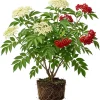
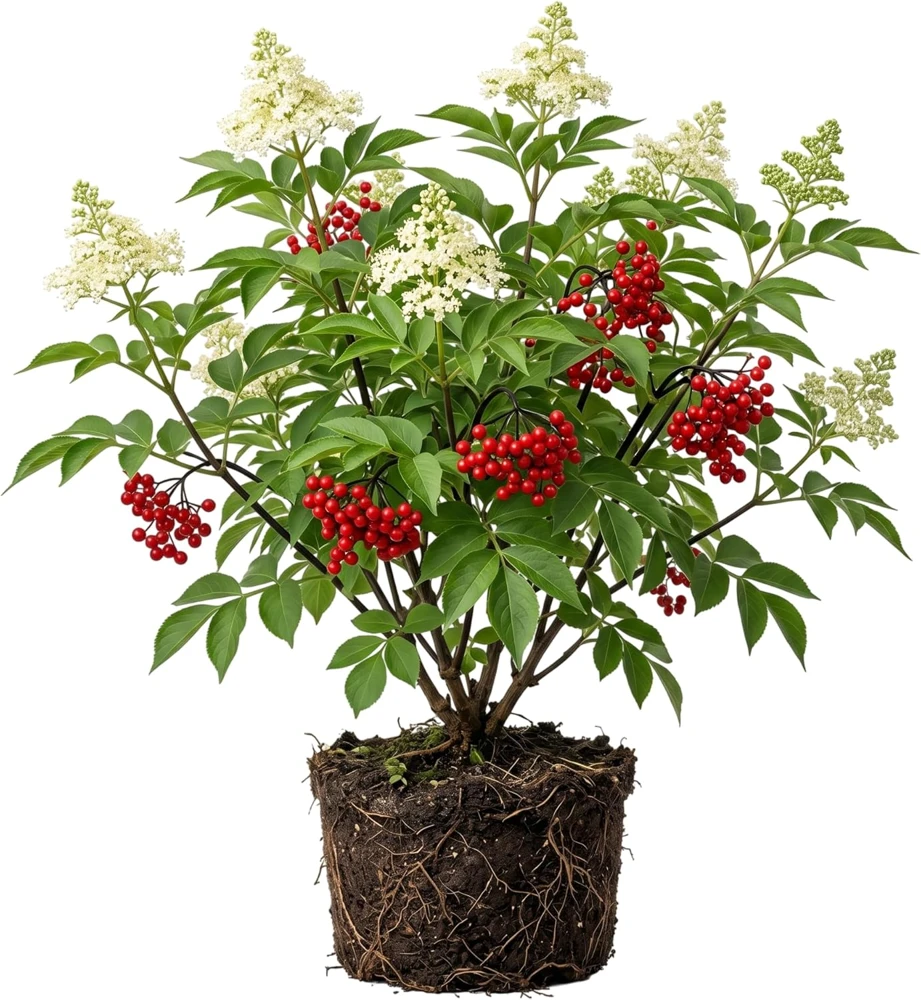
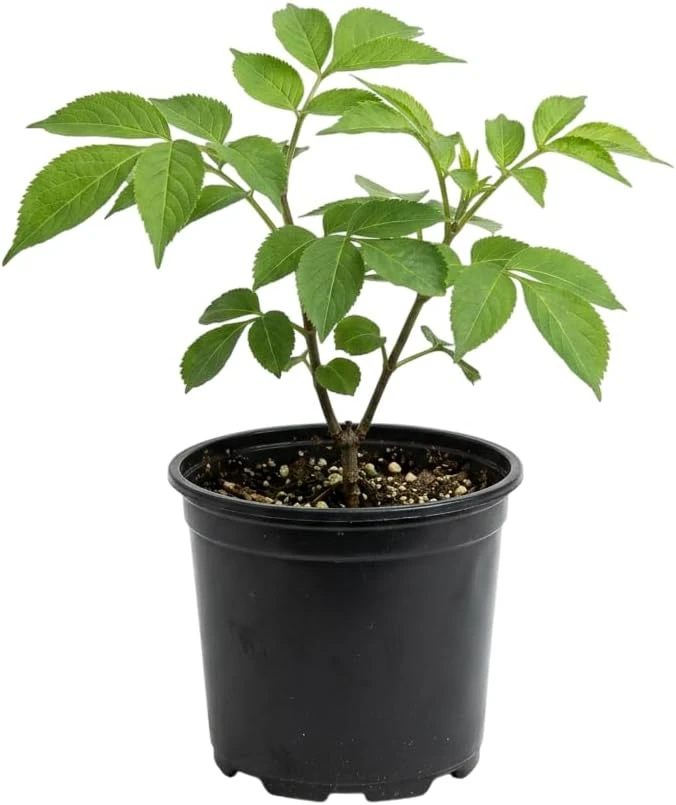
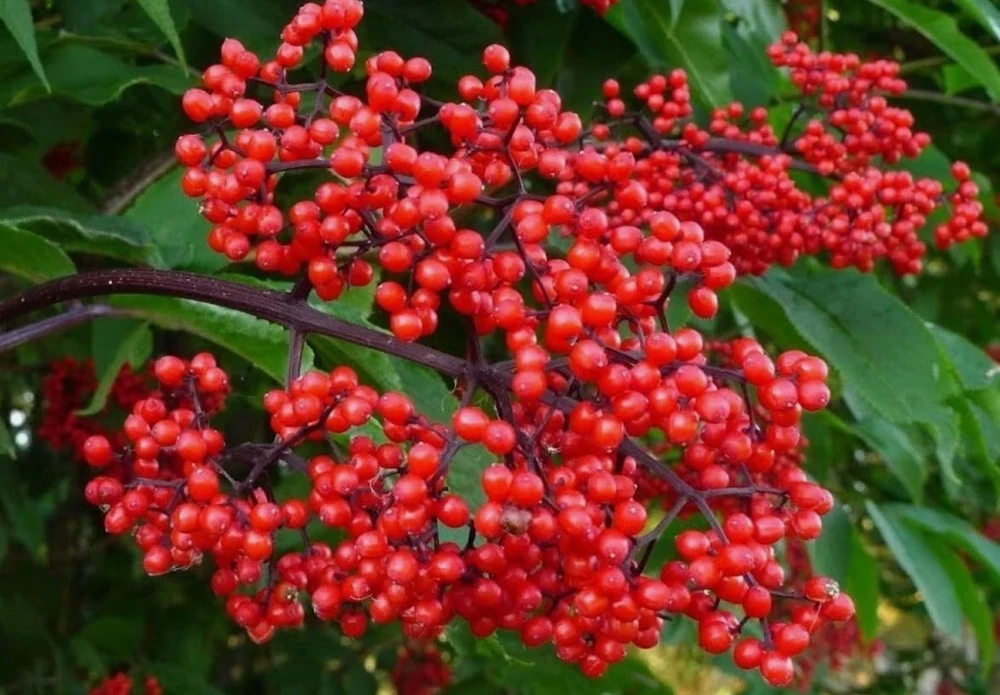
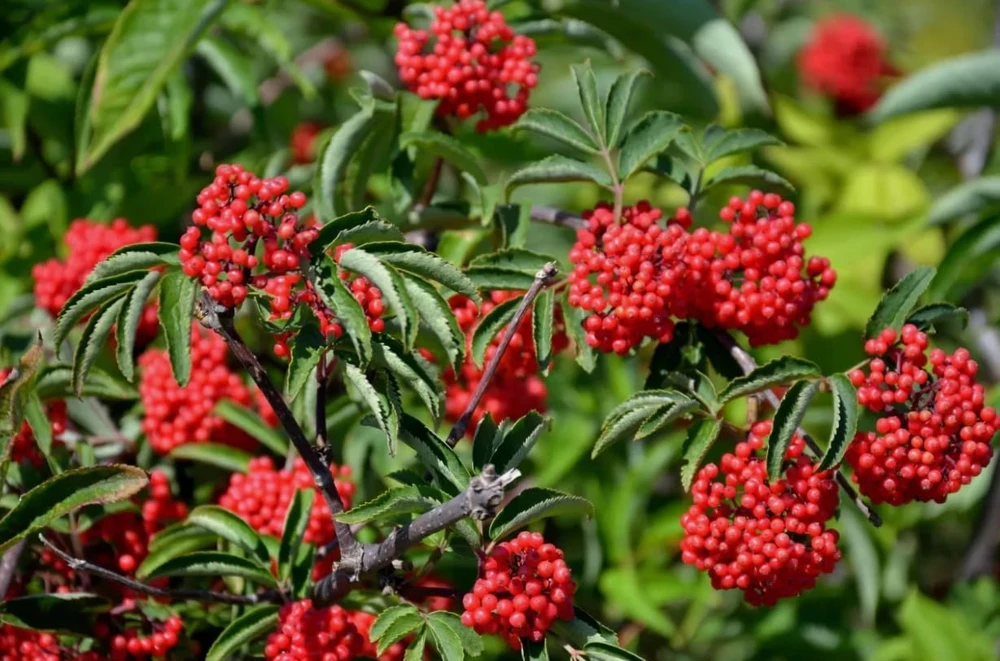
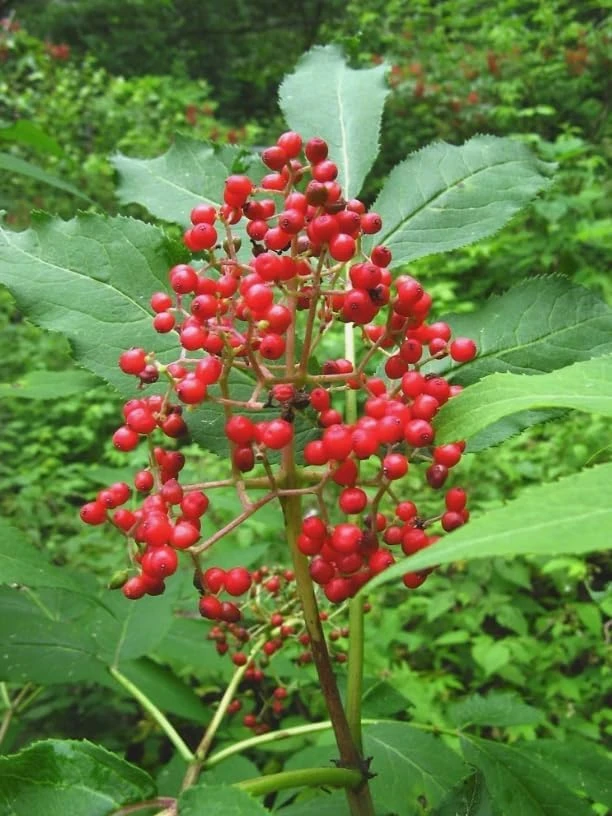
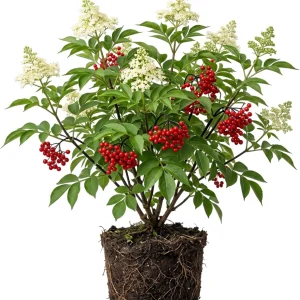
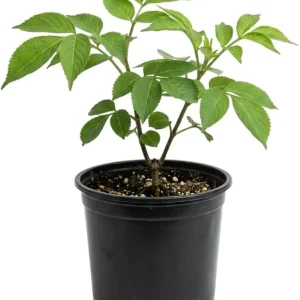
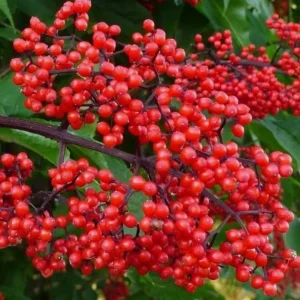
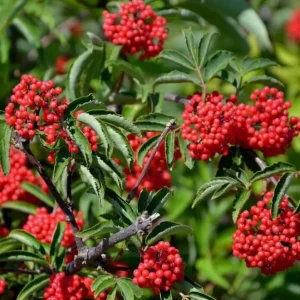
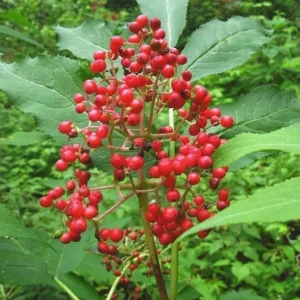
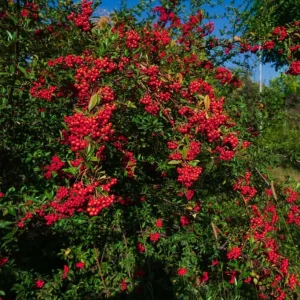
Cultivate your own edible landscape with this vibrant scarlet elderberry live plant. This young american elderberry bush, a species of Sambucus, arrives as an early-stage starter plant, approximately 5-8 inches tall and rooted in a 4-inch pot. Known for its vigorous growth and adaptability, the american elderberry bush is a fantastic addition to home gardens, landscapes, and edible plant collections across various climates. While it will not arrive with flowers or berries, this juvenile plant has strong roots, ready to establish and mature into a productive, berry-producing shrub with proper care and time. Create a stunning and fruitful addition to your outdoor space with this adaptable and rewarding plant. The red elderberry plant is celebrated not only for its ornamental value but also for the sweet, clusters of red berries it produces once mature. These berries are often used in jams, jellies, wines, and other culinary delights. Planting a sambucus elderberry for garden offers the joy of watching it transform from a small starter into a robust, fruit-bearing shrub, enhancing your garden’s biodiversity and offering a sustainable source of fresh produce. This adaptable plant is an excellent choice for anyone interested in growing elderberry plants.
Key Benefits
Adding a scarlet elderberry live plant to your garden offers numerous advantages, from aesthetic appeal to the joy of harvesting your own fruit. This versatile shrub is a valuable investment for any gardening enthusiast, providing a beautiful and productive element to your outdoor space.
- Produces Edible Berries: Once mature, this american elderberry bush will yield clusters of vibrant red berries, perfect for making delicious jams, jellies, pies, and beverages. Enjoy fresh, homegrown fruit right from your garden. These berries are a key reason to plant a red elderberry plant.
- Vigorous & Adaptable Growth: Known for its hardiness and resilience, the red elderberry plant thrives in a wide range of conditions, making it an excellent choice for various USDA hardiness zones. It establishes quickly and grows robustly, making it a reliable sambucus elderberry for garden.
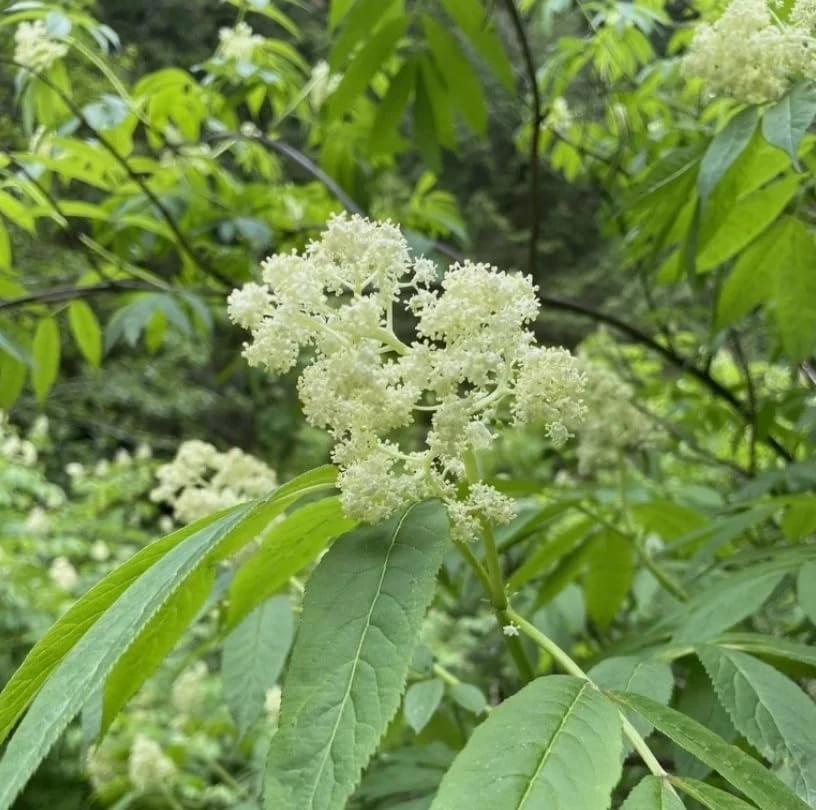
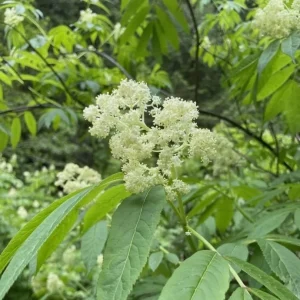
- Attracts Pollinators: The flowers that precede the berries are attractive to bees, butterflies, and other beneficial pollinators, contributing to a healthy garden ecosystem. This enhances the overall health and productivity of your garden.
- Low Maintenance: This scarlet elderberry live plant is relatively easy to care for, requiring minimal attention once established. It’s a great option for both experienced gardeners and those new to cultivating fruit-bearing plants, offering a rewarding experience without excessive effort.
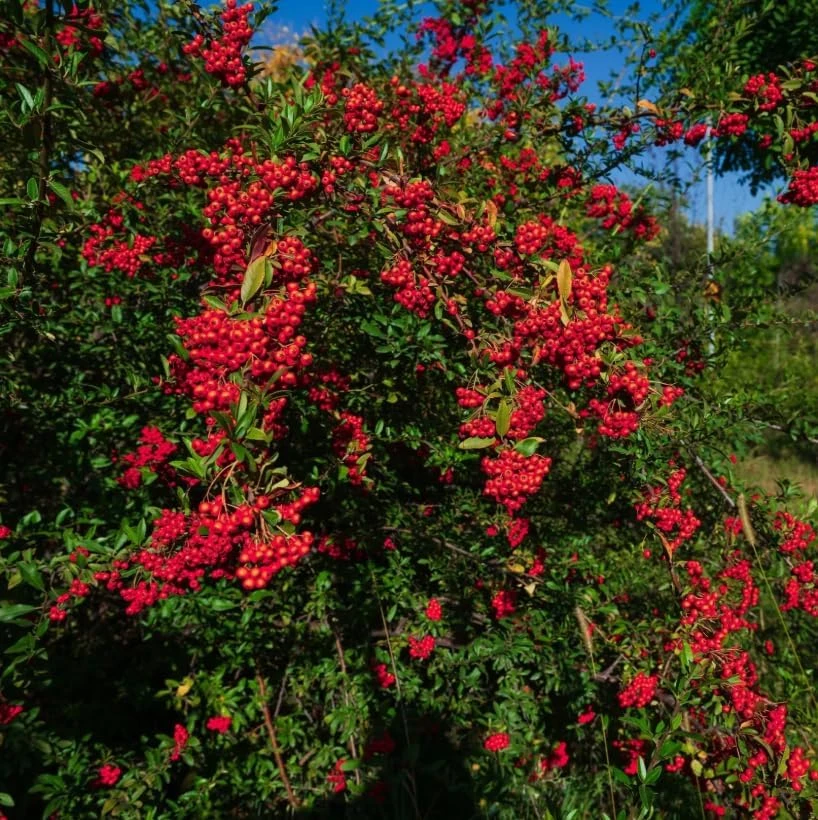
- Enhances Landscape: Beyond its fruit, the plant’s lush foliage and eventual clusters of red berries provide significant ornamental value, adding beauty and interest to your garden design. It’s a striking plant that stands out and adds visual appeal.
- Wildlife Friendly: The berries are also a food source for local bird populations, making your garden a haven for diverse wildlife. This contributes to a balanced natural environment around your home.
- Medicinal Properties: Elderberries are often used in traditional remedies for their potential health benefits, adding another dimension to their appeal.
Plant Care & Growing Tips
Caring for your scarlet elderberry live plant is straightforward, ensuring it establishes well and grows into a productive shrub. This american elderberry bush prefers full sun to partial shade, ideally receiving at least 6 hours of direct sunlight per day for optimal berry production. While adaptable, consistent sunlight will yield the best results for your plant. It is hardy in USDA Zones 3-8, demonstrating its resilience across various climates, making it a robust choice for many regions. For soil, elderberries thrive in well-draining, fertile soil with a pH between 5.5 and 6.5. Amend heavy clay soils with organic matter to improve drainage and aeration. Regular watering is crucial during the first year of establishment, keeping the soil consistently moist but not waterlogged. Once established, the plant is more drought-tolerant but will benefit from supplemental watering during dry spells, particularly when berries are forming. Fertilize in early spring with a balanced, slow-release granular fertilizer or compost to encourage healthy growth and fruit production. Pruning can be done in late winter or early spring to remove dead or weak branches and to shape the bush, promoting better air circulation and light penetration. Understanding how to care for your red elderberry plant is key to successful growing elderberry plants.
Common problems to watch for include powdery mildew in humid conditions, which can be managed with proper air circulation and fungicide if necessary. Pests are generally not a major issue, but occasional aphid infestations can be treated with insecticidal soap. By following these care guidelines, your sambucus elderberry for garden will flourish, providing you with years of beautiful foliage and delicious fruit.
Size & Details
This offering is for one scarlet elderberry live plant, shipped as a young starter plant. It measures approximately 5-8 inches in height from the top of the soil and comes rooted in a 4-inch nursery pot. The plant is juvenile and will not arrive with flowers or berries, focusing its energy on root establishment. Elderberry plants are known for their fast growth rate once established, typically reaching a mature height of 6-12 feet and a spread of 6-10 feet, depending on variety and growing conditions. It will develop into a multi-stemmed shrub, providing a substantial presence in your garden. The berries typically appear in late summer to early fall once the plant reaches maturity, which can take 1-3 years from a starter plant. This american elderberry bush is carefully packaged to ensure it arrives healthy and ready for planting.
Frequently Asked Questions
- Q: How big does this plant get? A: This scarlet elderberry live plant is shipped 5-8 inches tall in a 4-inch pot. Once mature, it can reach a height of 6-12 feet and a spread of 6-10 feet, forming a robust shrub.
- Q: Is this an indoor or outdoor plant? A: This is an outdoor plant, best suited for garden landscapes. It thrives when planted directly in the ground, benefiting from ample space to grow and mature.
- Q: How much sunlight does it need? A: The red elderberry plant prefers full sun to partial shade, ideally receiving at least 6 hours of direct sunlight daily for optimal berry production.
- Q: Is this plant easy to care for? A: Yes, the american elderberry bush is considered low-maintenance once established, making it suitable for both experienced and novice gardeners interested in growing elderberry plants.
- Q: What condition will it arrive in? A: Your plant will arrive as a healthy, rooted starter plant in a 4-inch pot, carefully packaged to minimize stress during transit. It will not have flowers or berries upon arrival.
- Q: When is the best time to plant a sambucus elderberry for garden? A: The best time to plant is typically in spring or early fall, allowing the plant to establish its root system before extreme weather.
- Q: Will it survive winter in my zone? A: This elderberry is hardy in USDA Zones 3-8, meaning it is resilient and can withstand winter temperatures within these zones.
- Q: How long until it produces berries? A: Your scarlet elderberry live plant will typically begin producing berries within 1-3 years after planting, once it has established and matured.
- Q: Can the berries be eaten fresh? A: While generally safe, red elderberries are often cooked before consumption for best flavor and to break down certain compounds. They are excellent for jams, jellies, and pies.
- Q: What kind of soil does it prefer? A: It thrives in well-draining, fertile soil with a slightly acidic to neutral pH (5.5-6.5).


Reviews
There are no reviews yet.