Overview
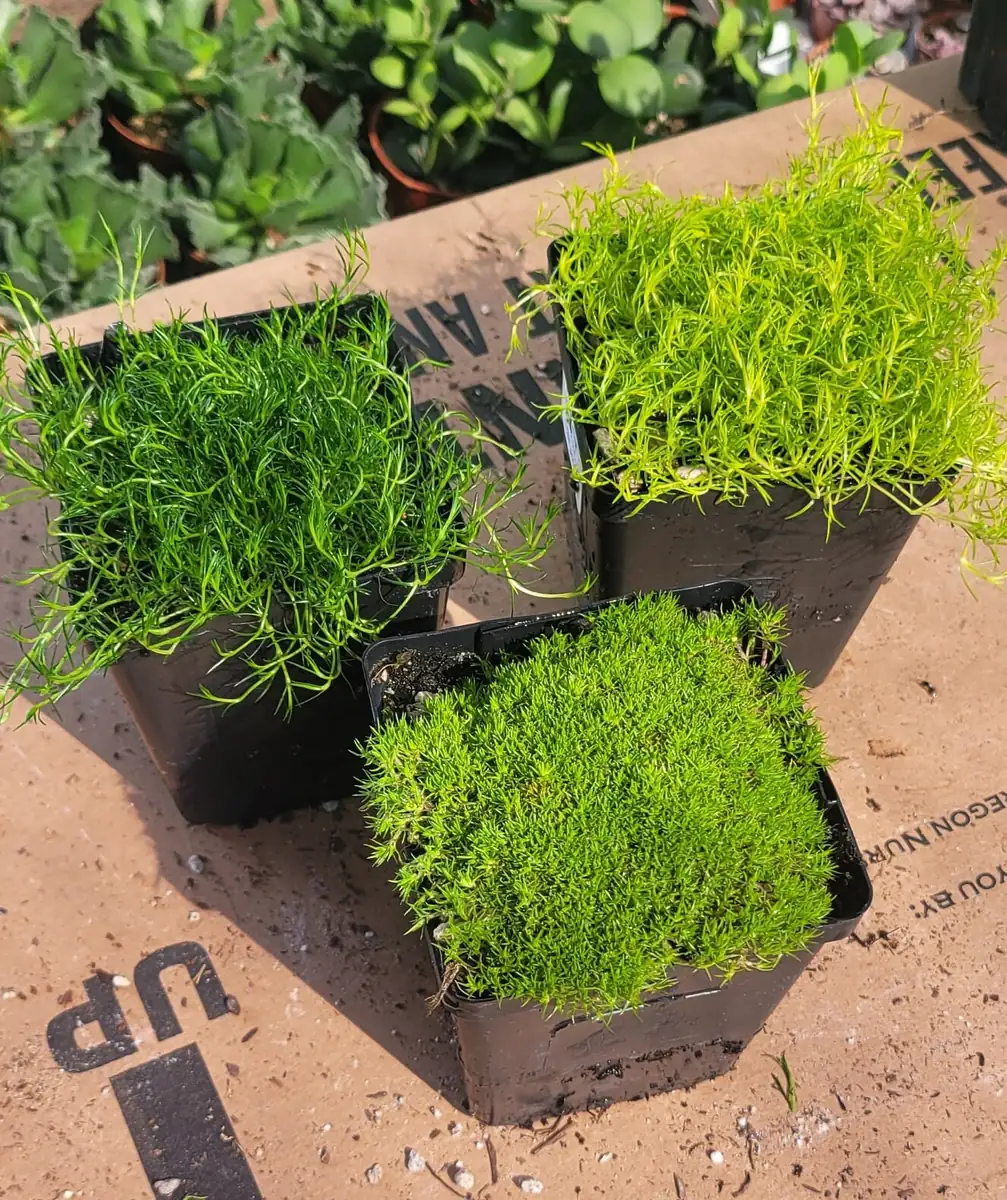
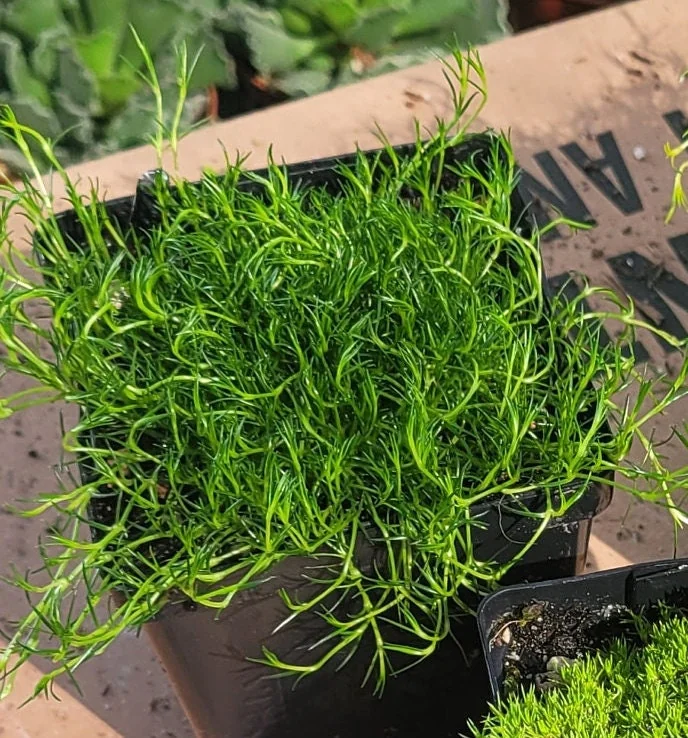
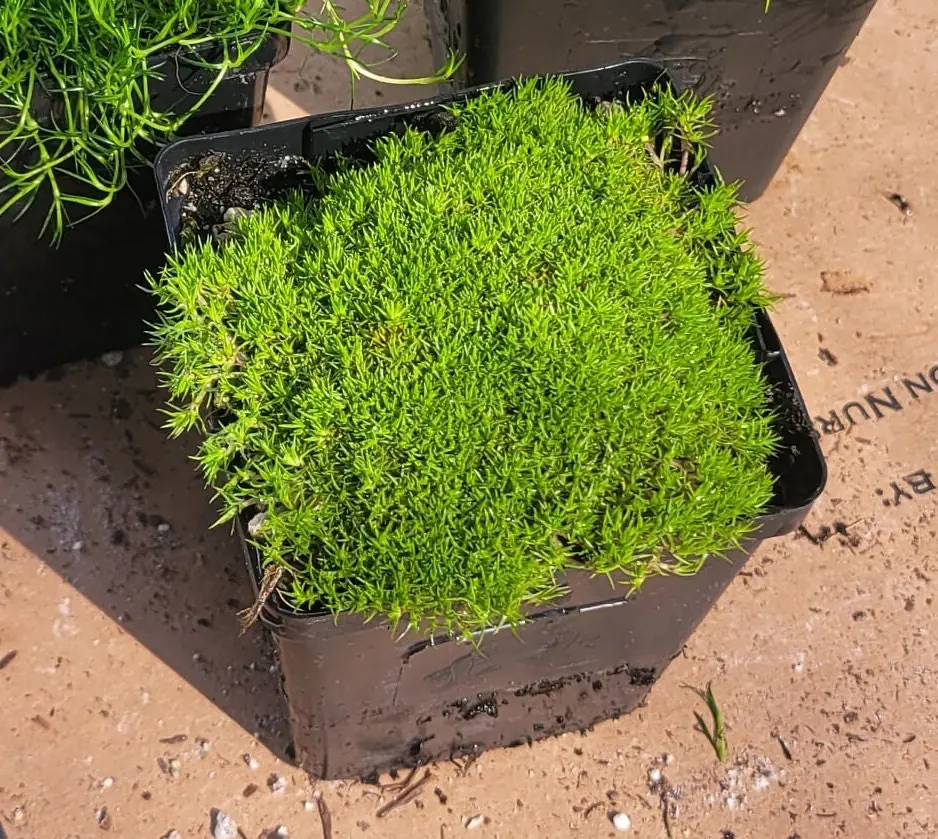
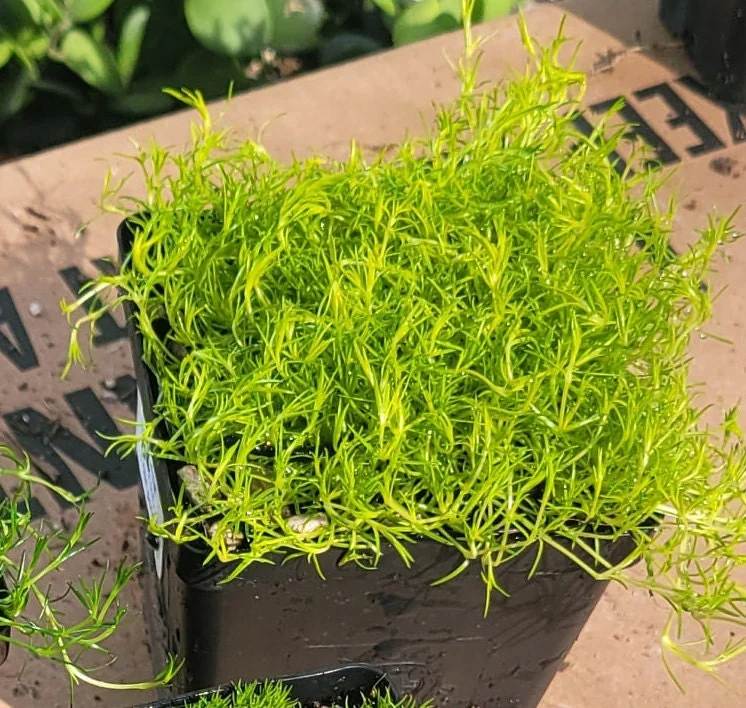
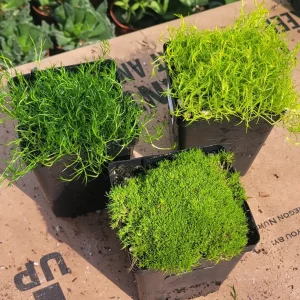
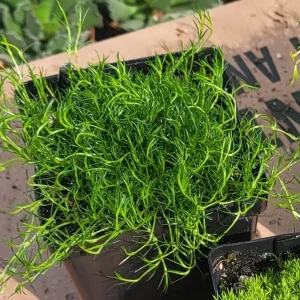
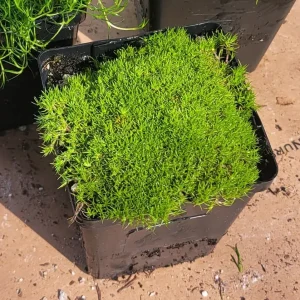
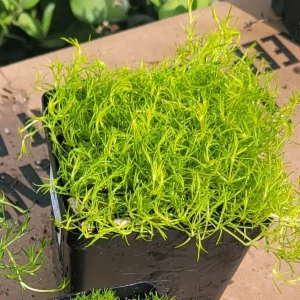
Transform your garden into a lush, verdant paradise with this collection of moss live plant varieties. This offering includes the vibrant golden-green foliage of Sagina subulata ‘Aurea’, commonly known as Scotch Moss, the classic emerald green of Sagina subulata, known as Irish Moss, and the unique, dense texture of Scleranthus uniflorus, or Gnarled Cushion. These beautiful, low-growing plants are ideal for creating a soft, carpet-like effect in your landscape, adding intricate detail to fairy gardens, or softening the edges of pathways and stepping stones. Each moss live plant arrives in a 3.5-inch nursery pot, perfectly sized for immediate integration into your outdoor or indoor projects. Their fine textures and rich colors provide an excellent contrast to other plants and hardscaping elements, making them a versatile choice for various design aesthetics. Explore the unique appeal of these ground covers and elevate your garden’s aesthetic with minimal effort. This selection is perfect for anyone looking to add a touch of natural elegance and year-round greenery.
Whether you’re aiming for a tranquil Japanese garden feel, a whimsical fairy garden, or simply seeking an attractive, low-maintenance ground cover, these moss varieties are an excellent choice. Their dense growth habit also helps suppress weeds, making them a practical addition to your garden beds. The delicate appearance belies their hardy nature, allowing them to thrive in various conditions when given proper care. Introduce the charm and serenity of these moss live plant options to your home and enjoy the verdant beauty they bring.
Key Benefits
These exquisite moss varieties offer a multitude of benefits, making them a popular choice for gardeners and landscapers alike. Their unique characteristics contribute to both the aesthetic appeal and practical functionality of any space. Incorporating a moss live plant into your design brings natural elegance and a host of advantages:
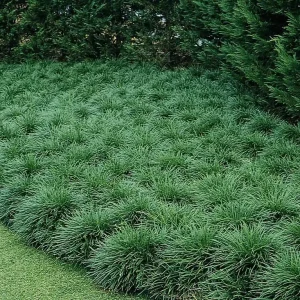
- Stunning Ground Cover: Both Scotch moss plant care and Irish moss are renowned for forming dense, carpet-like mats that provide an attractive, lush green ground cover. This creates a visually appealing base for other plants or a soft, walkable surface in low-traffic areas, enhancing the overall beauty of your garden.
- Weed Suppression: The thick growth of these mosses effectively smothers weeds, reducing the need for constant weeding and maintenance. This natural weed barrier helps your garden stay tidy and allows your other plants to thrive without competition.
- Erosion Control: Their extensive root systems help to stabilize soil, preventing erosion on slopes or in areas prone to water runoff. This makes them an excellent choice for problematic areas where soil retention is a concern, protecting your landscape.
- Versatile Landscaping: Ideal for rock gardens, fairy gardens, between stepping stones, or as an alternative to traditional lawns in certain areas. Their adaptability allows them to fit into diverse garden designs, from formal to whimsical.
- Low Maintenance: Once established, these mosses require minimal care, making them perfect for busy gardeners. They generally need less water than traditional lawns and are resistant to many pests and diseases, simplifying your gardening tasks.
- Year-Round Greenery: Unlike many perennial plants that die back in winter, these mosses often retain their vibrant green or golden foliage throughout the year, providing continuous color and interest in your garden, even in colder months.
- Unique Texture and Color: The fine, intricate texture and varying shades of green, including the golden hue of Sagina subulata ‘Aurea’, add depth and visual interest to your garden. The unique form of scleranthus uniflorus, or Gnarled Cushion, provides an especially distinctive focal point.
Plant Care & Growing Tips
Proper care ensures your moss live plant varieties thrive and establish themselves as healthy, vibrant additions to your garden. While generally low-maintenance, understanding their specific needs will lead to the best results. For scotch moss plant care and Irish moss, consistent moisture and appropriate light are key. These plants generally prefer a location with partial shade to full sun, depending on your climate. In hotter regions, more shade is beneficial to prevent scorching, while in cooler areas, they can tolerate more direct sun. Aim for at least 4-6 hours of indirect sunlight or dappled shade daily. The Gnarled Cushion (scleranthus uniflorus) also appreciates similar conditions, often performing best with some afternoon shade.
When it comes to watering, these mosses prefer consistently moist, but not waterlogged, soil. Regular watering is crucial, especially during dry spells and in the initial establishment phase. Well-draining soil is paramount to prevent root rot. A sandy-loam soil enriched with organic matter is ideal. Avoid heavy clay soils that retain too much water. For optimal growth, ensure good air circulation around the plants. Fertilization is typically not a high priority for these ground covers; a light application of a balanced, slow-release granular fertilizer in early spring can encourage vigorous growth, but too much can harm them. These plants are generally hardy in USDA zones 4-9, making them suitable for a wide range of climates. Protect them from extreme winter winds in colder zones to prevent desiccation. Understanding these basic care principles will help your irish moss ground cover and other varieties flourish.
Pest and disease issues are rare for these resilient plants. However, watch out for slugs and snails, which can occasionally munch on their tender foliage. Hand-picking or organic slug bait can manage these pests. Overwatering is the most common issue, leading to fungal problems, so always ensure good drainage. Propagation is straightforward through division; simply separate clumps and replant them to expand your moss carpet. With consistent attention to light, water, and soil, your sagina subulata and other mosses will provide years of beautiful, verdant ground cover.
Size & Details
Each order includes a selection of moss live plant varieties, specifically Sagina subulata ‘Aurea’ (Scotch Moss), Sagina subulata (Irish Moss), and Scleranthus uniflorus (Gnarled Cushion), each provided in its own 3.5-inch nursery pot. These plants are cultivated to be vigorous and healthy, ready for immediate planting upon arrival. The 3.5in pot size is ideal for transplanting into garden beds, containers, or for creating intricate designs in miniature landscapes. Typically, these mosses will spread to form a dense mat, with individual plants reaching a height of approximately 1-2 inches. The spread can vary significantly depending on growing conditions and the specific variety, but they are known for their ability to fill in spaces effectively, creating a seamless green carpet. The Gnarled Cushion (scleranthus uniflorus) tends to form tighter, mounded cushions, while the Sagina subulata varieties are more spreading.
Expect these plants to establish quickly when provided with adequate moisture and appropriate light conditions. While they are relatively fast growers, the exact rate of spread will depend on environmental factors. They are shipped as established plants in their original nursery pots, ensuring minimal transplant shock. The foliage remains vibrant throughout the growing season and often into winter, providing continuous interest. For best results, plant them in prepared soil as soon as possible after receiving them. The compact nature of these plants makes them excellent for small spaces or for adding detailed ground cover around larger plants or garden features. Ensure you provide sufficient space for their natural spreading habit to develop fully over time.
Frequently Asked Questions
- Q: How big does this plant get? A: These moss varieties typically grow to a height of 1-2 inches, forming a dense, carpet-like mat. Their spread can vary, but they are known for covering areas effectively. The Gnarled Cushion (scleranthus uniflorus) forms tighter mounds.
- Q: What size pot does it come in? A: Each moss live plant is shipped in a standard 3.5-inch nursery pot, providing a good root system for successful transplanting.
- Q: Is this an indoor or outdoor plant? A: While primarily used outdoors as ground cover, these mosses can also be grown indoors in terrariums or shallow containers, provided they receive adequate light and humidity. For outdoor planting, they are hardy in USDA zones 4-9.
- Q: How much sunlight does it need? A: These mosses prefer partial shade to full sun. In hotter climates, more shade is recommended, while in cooler regions, they can tolerate more direct sunlight. Aim for at least 4-6 hours of indirect or dappled sun daily.
- Q: Is this plant easy to care for? A: Yes, once established, these mosses are considered low-maintenance. Their scotch moss plant care and Irish moss care routines mostly involve ensuring consistent moisture and good drainage.
- Q: What condition will it arrive in? A: Your moss live plant will arrive wrapped to protect it during transit, in its original 3.5in nursery pot with soil. While some soil shifting may occur, the plants are carefully packaged to minimize damage.
- Q: Is it shipped in soil? A: Yes, all plants are shipped in their original 3.5-inch nursery pots with soil to ensure their health and vitality during transit.
- Q: When is the best time to plant? A: The best time to plant these mosses is in spring or early fall, allowing them time to establish before extreme summer heat or winter cold. However, they can be planted any time the ground is workable.
- Q: Will it survive winter in my zone? A: These moss varieties are generally hardy in USDA zones 4-9. In colder zones, they may benefit from winter protection like a layer of mulch. Ensure your zone is within this range for outdoor survival.
- Q: Can I use irish moss ground cover in high-traffic areas? A: While they can tolerate some light foot traffic, they are best suited for low-traffic areas or between stepping stones where occasional walking occurs, rather than a primary lawn replacement for heavy use.
- Q: How often should I water my sagina subulata? A: Water regularly to keep the soil consistently moist, especially during dry periods and when first planted. Avoid letting the soil dry out completely or become waterlogged.


Reviews
There are no reviews yet.