Overview
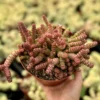
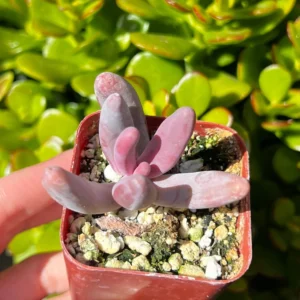
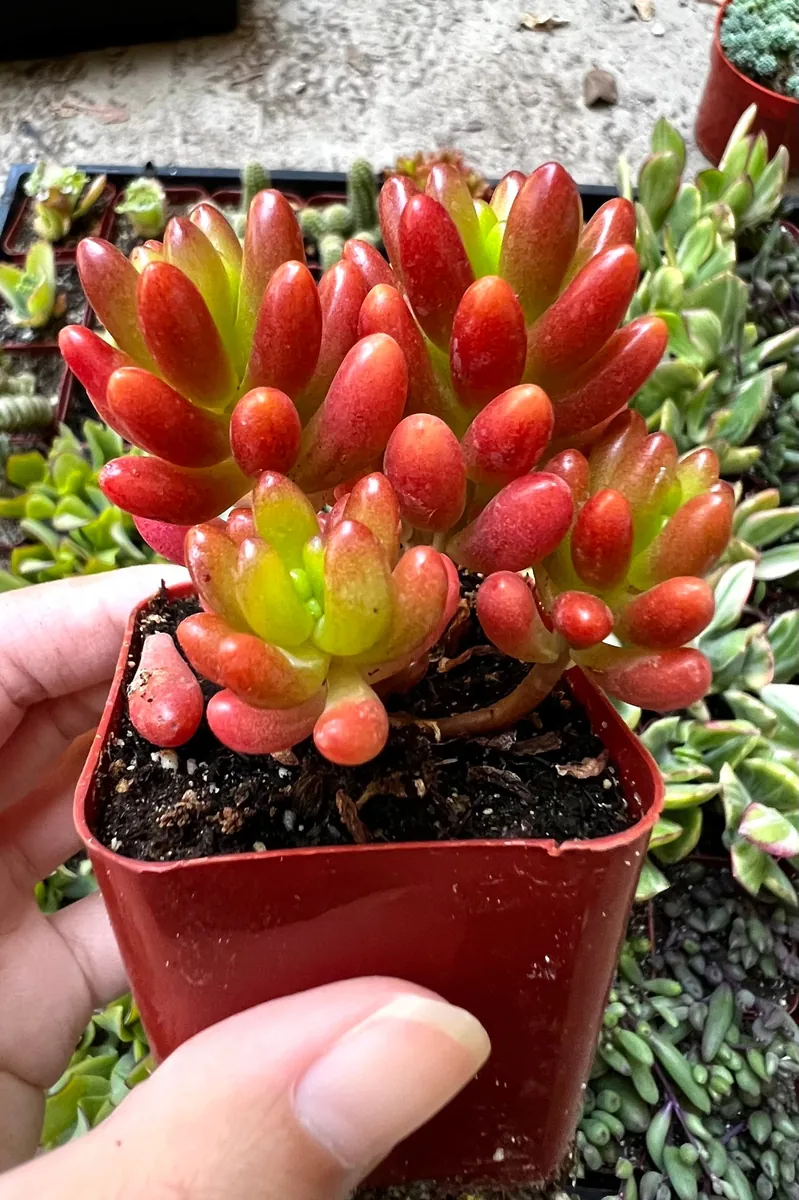
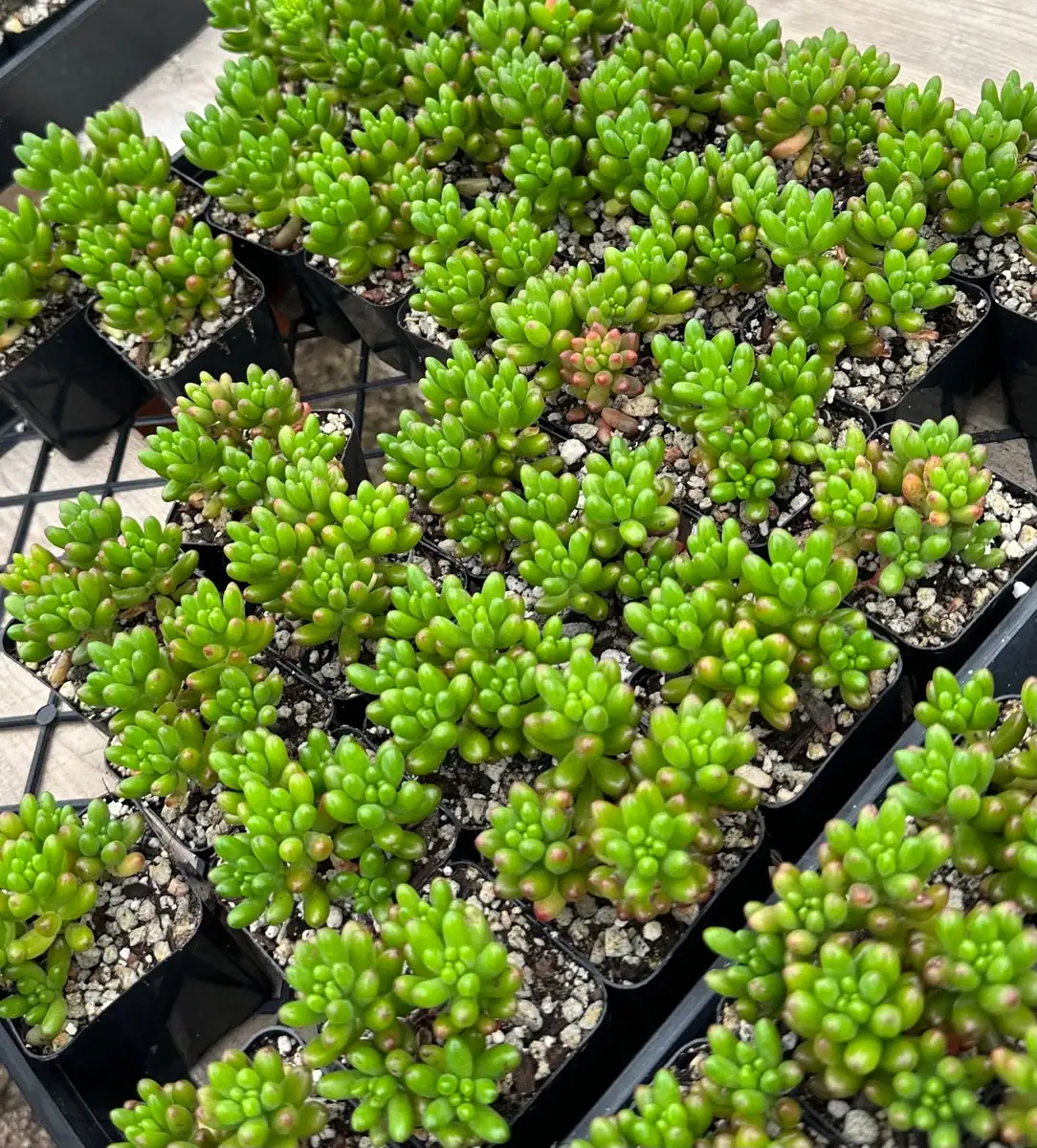
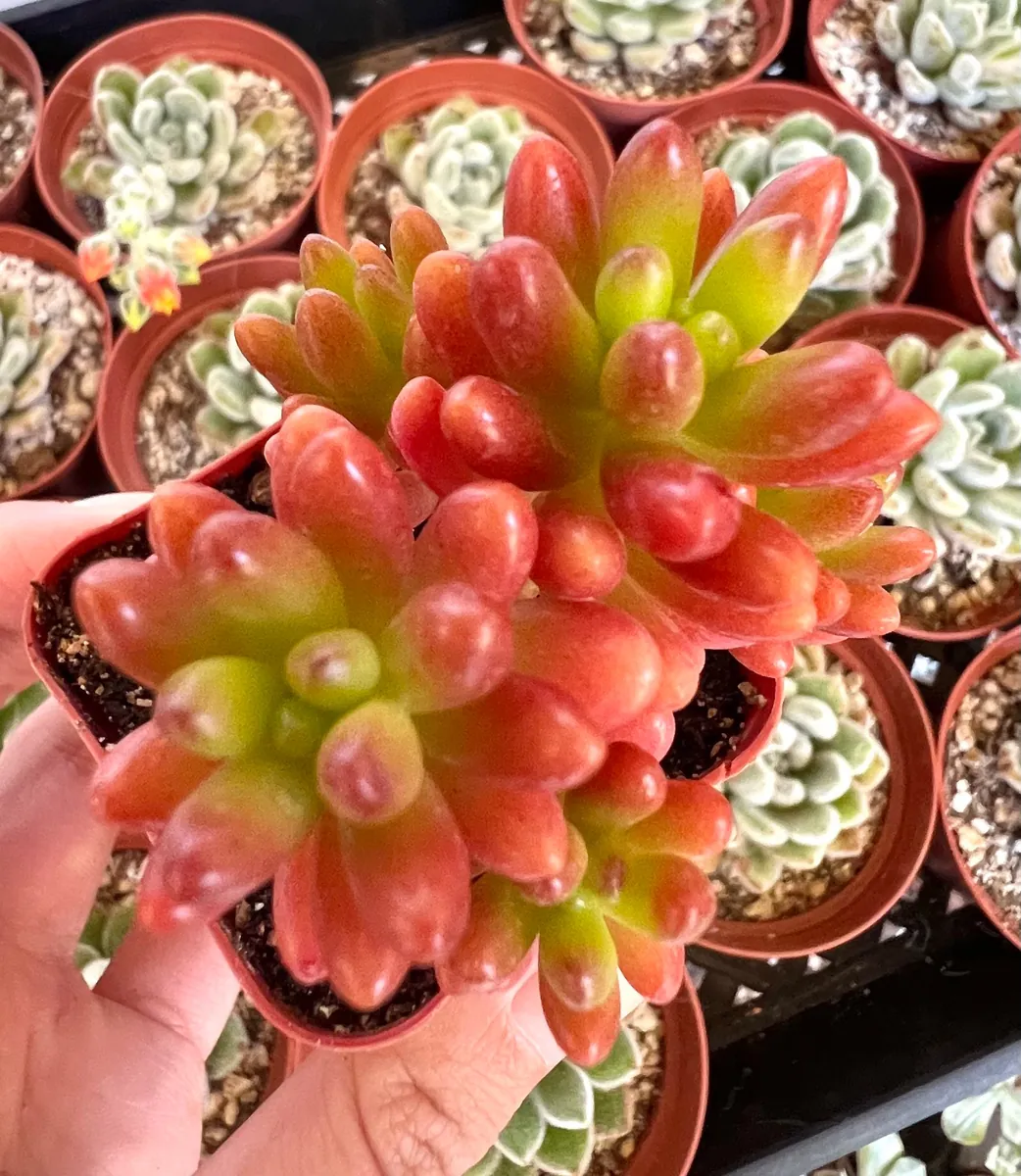
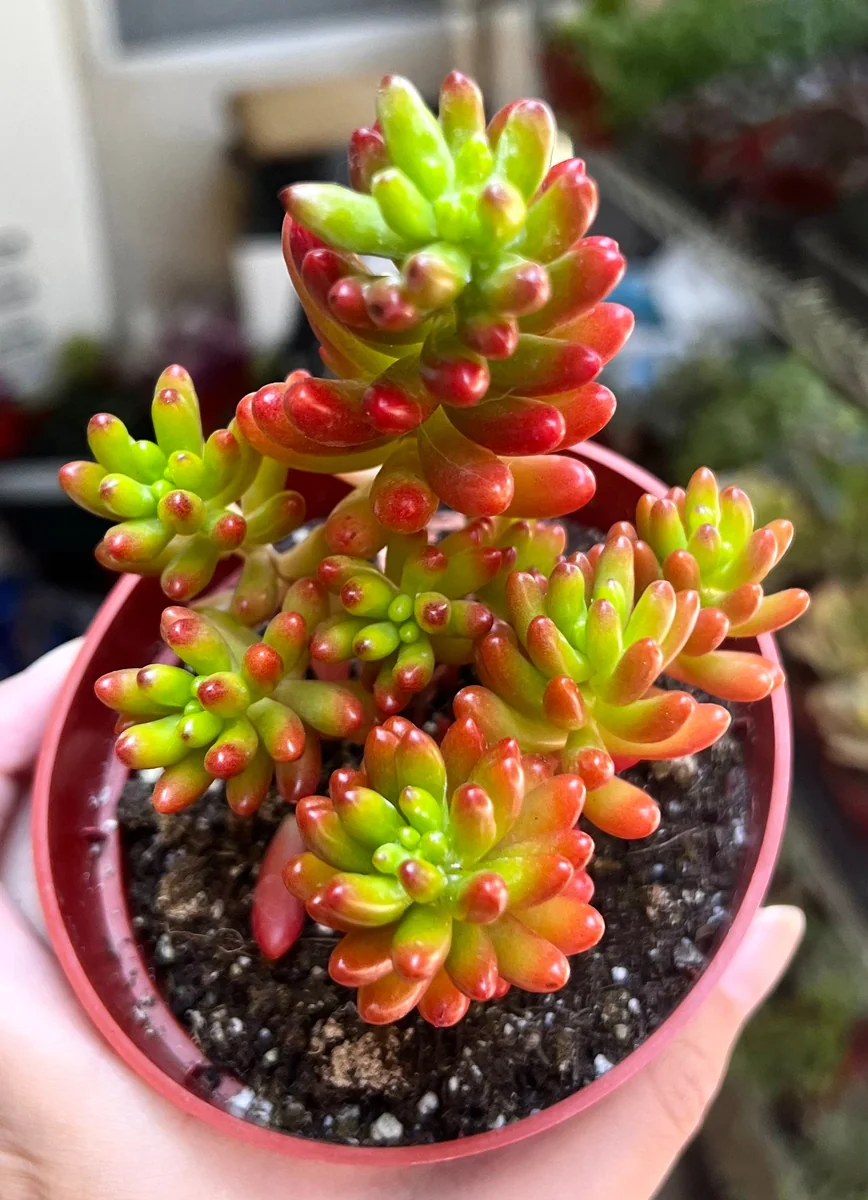
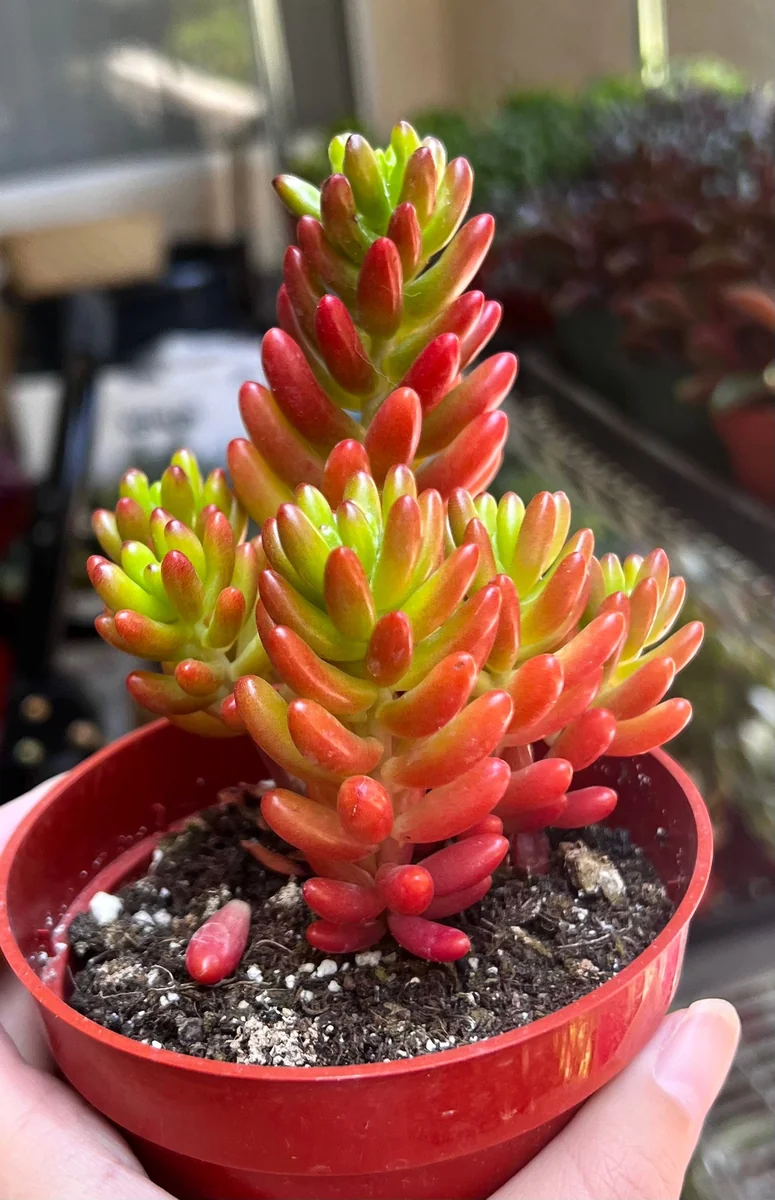
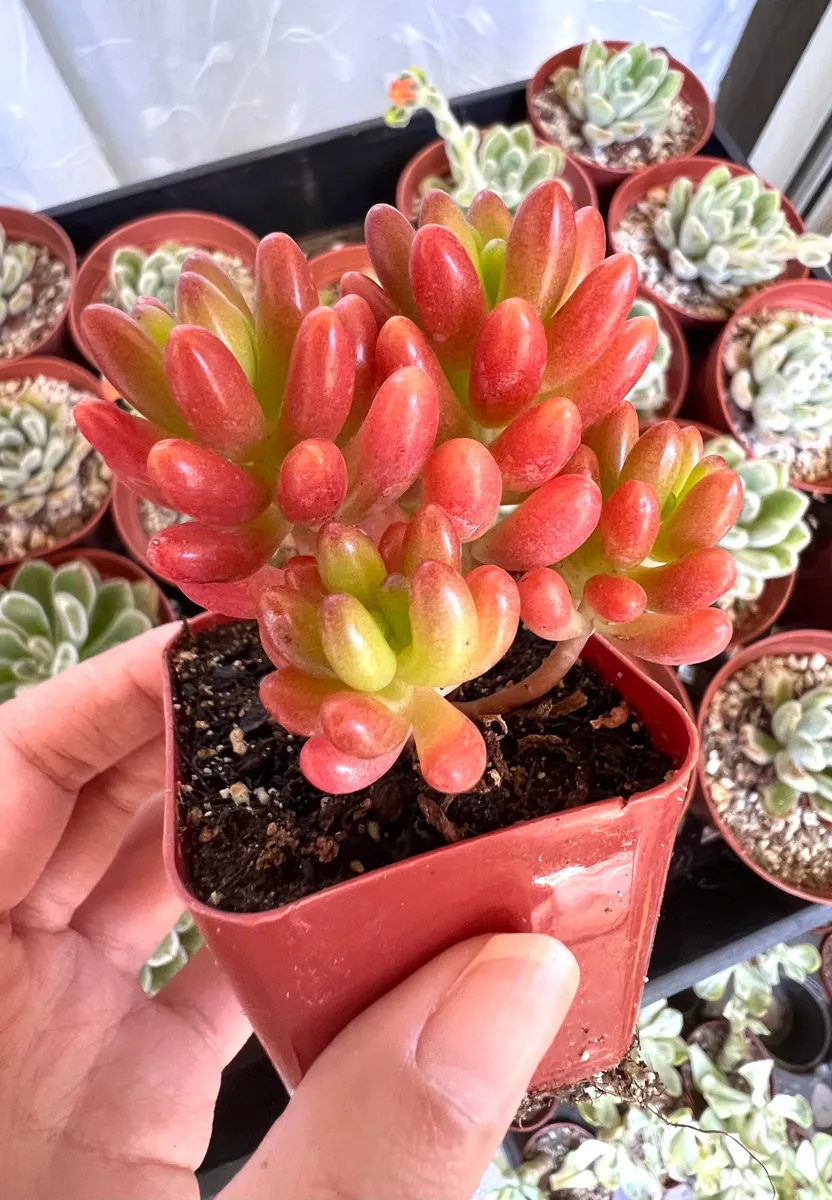
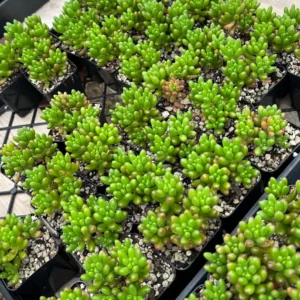
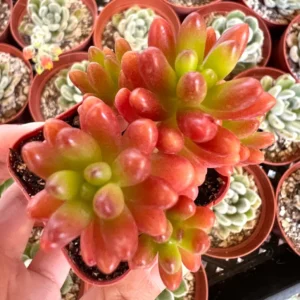
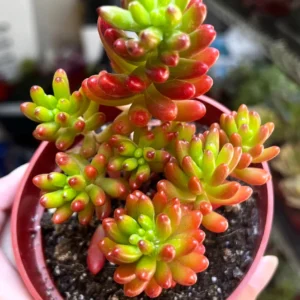
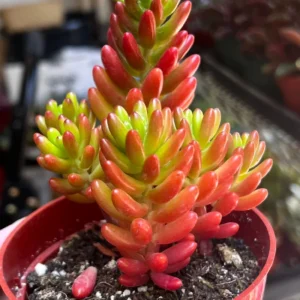
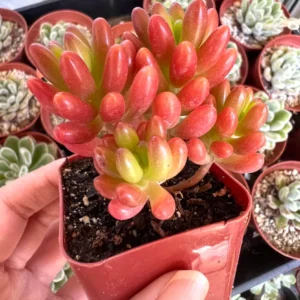
Introduce a touch of playful charm to your plant collection with the delightful Sedum Jelly Bean plant. This captivating live succulent, scientifically known as Sedum rubrotinctum, is celebrated for its distinctive, plump, bean-shaped leaves that transition from a vibrant green to a striking red when exposed to sufficient sunlight and temperature variations. Often referred to as “Pork and Beans” or “Stonecrop,” this resilient plant is native to Mexico and thrives as an ornamental addition to gardens, rockeries, and as an engaging houseplant. Its unique appearance makes it a conversation starter, and its robust nature ensures it’s a joy to cultivate for gardeners of all experience levels. Whether you’re a seasoned succulent enthusiast or just beginning your green journey, the Sedum Jelly Bean plant offers an attractive and low-maintenance option.
This particular offering provides a healthy succulent plant live, ready to be integrated into your home or garden. The plant’s ability to store water in its fleshy leaves makes it exceptionally drought-tolerant, requiring minimal attention once established. Its compact size, typically growing up to 6 inches tall, allows for versatile placement in various decorative settings. Embrace the beauty of nature with this charming succulent that promises to bring vibrant color and unique texture to your living space.
Key Benefits
The Sedum Jelly Bean plant offers a multitude of advantages, making it a popular choice for plant lovers. Its ease of care and striking appearance are just a few reasons why this succulent stands out:
- Visually Appealing Foliage: The most distinctive feature of the Jelly Bean succulent is its plump, bean-shaped leaves. These leaves boast a beautiful color spectrum, ranging from light green to a vivid red, especially when happily sun-stressed, adding dynamic visual interest to any setting.
- Low Maintenance: This is an incredibly easy care succulent, perfect for busy individuals or those new to gardening. It requires minimal watering and infrequent feeding, allowing you to enjoy its beauty without constant upkeep.
- Drought-Tolerant: Thanks to its succulent nature, the Sedum rubrotinctum stores water in its leaves, making it highly tolerant of dry conditions. This feature ensures it can withstand periods of neglect, making it a resilient choice.
- Versatile Placement: Suitable for both indoor and outdoor environments, this plant can adorn windowsills, desks, rock gardens, or succulent arrangements. Its compact size makes it ideal for small spaces.
- Air Purification: Like many plants, the Sedum Jelly Bean plant contributes to a healthier indoor environment by converting carbon dioxide into oxygen, subtly improving air quality.
- Compact Growth Habit: Growing up to 6 inches tall, it maintains a neat and compact form, which is excellent for container gardening, terrariums, or as a groundcover in arid landscapes.
- Attracts Pollinators: In summer months, the plant produces small yellow flowers, which can attract beneficial pollinators to your garden, contributing to local biodiversity.
Plant Care & Growing Tips
Caring for your Sedum Jelly Bean plant is straightforward, ensuring a rewarding experience with this resilient succulent. To encourage the vibrant red coloration, provide plenty of bright light. This plant thrives in full sun to partial shade, meaning it prefers at least 6 hours of direct sunlight per day, especially if you want to see those characteristic red tips. If grown indoors, a south-facing window is ideal; otherwise, consider supplementing with a grow light. Adequate light exposure is key to vibrant foliage and healthy growth for your Jelly Bean succulent.
When it comes to watering, less is more for this drought-tolerant species. Allow the soil to dry out completely between waterings, then water thoroughly until it drains from the bottom. Overwatering is the most common cause of problems for succulents, leading to root rot. During winter months, reduce watering frequency significantly. The ideal soil for this plant is a well-draining succulent or cactus mix, which prevents waterlogging and ensures proper aeration for the roots. A good substrate is crucial for healthy Sedum Rubrotinctum care.
The Sedum Jelly Bean plant is hardy and can tolerate a range of temperatures, but it prefers warmer conditions, typically between 65-80°F (18-27°C). It is generally hardy in USDA zones 9-11 for outdoor cultivation. If temperatures drop below 40°F (4°C), it’s best to bring outdoor plants inside to protect them from frost damage. Fertilization is rarely needed; if you choose to fertilize, do so sparingly during the growing season (spring and summer) with a diluted succulent-specific fertilizer. Watch out for common pests like mealybugs, which can be treated with insecticidal soap. Providing these optimal conditions will ensure your succulent plant live and thrives for years to come.
Size & Details
This offering includes a healthy Sedum Jelly Bean plant, available in either a 2 inch or 4 inch nursery pot, providing a perfect starting size for your collection. The plant’s mature height typically reaches up to 6 inches (15 cm), with a similar spread, forming attractive clumps over time. The leaves themselves are small, round, and fleshy, resembling miniature jelly beans. Growth rate is moderate, allowing you to observe its development without it quickly outgrowing its space. These plants are shipped rooted in their nursery pots, ensuring a smooth transition to your home or garden. Expect a robust and vibrant specimen, ready to grow and flourish in its new environment. The compact nature of this easy care succulent makes it an excellent choice for various display options.
Frequently Asked Questions
- Q: How big does this Sedum Jelly Bean plant get? A: The Sedum Jelly Bean plant typically grows to about 6 inches (15 cm) in height and can spread similarly. Its compact size makes it ideal for small spaces and container gardening.
- Q: What size pot does it come in? A: This succulent plant live is available in either a 2 inch or 4 inch nursery pot, providing a good base for growth. You can choose the size that best fits your needs.
- Q: Is this an indoor or outdoor plant? A: The Jelly Bean succulent is versatile and can thrive both indoors and outdoors. Outdoors, it prefers warmer climates (USDA zones 9-11) and can be used in rock gardens or as groundcover. Indoors, it makes an excellent houseplant.
- Q: How much sunlight does it need? A: For optimal health and to encourage its beautiful red coloration, the Sedum Jelly Bean plant requires plenty of sunshine. Aim for full sun to partial shade, meaning at least 6 hours of direct sunlight daily.
- Q: Is this plant easy to care for? A: Yes, the Sedum Jelly Bean plant is considered an easy care succulent. It is drought-tolerant and requires minimal watering, making it perfect for beginners or those with busy schedules.
- Q: What condition will it arrive in? A: Your succulent plant live will arrive well-rooted in its nursery pot, carefully packaged to ensure its safety during transit. It will be ready for immediate placement or repotting.
- Q: How often should I water my Sedum Jelly Bean plant? A: Water sparingly. Allow the soil to completely dry out between waterings, then water thoroughly. Reduce watering significantly during cooler months to prevent root rot. This is a key aspect of proper Sedum Rubrotinctum care.
- Q: Can I propagate this plant? A: Yes, the Sedum Jelly Bean plant is very easy to propagate from leaf or stem cuttings. Simply allow the cuttings to callus for a few days before placing them on well-draining soil.
- Q: Will its leaves turn red? A: The leaves of the Sedum Jelly Bean plant will turn a vibrant red when exposed to ample sunshine and significant temperature differences, especially cooler nights. More sun equals more red!
- Q: Is it pet-safe? A: Sedum species are generally considered non-toxic to pets, but it’s always best to prevent pets from ingesting plants to avoid any potential mild digestive upset.


Reviews
There are no reviews yet.