Overview
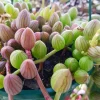
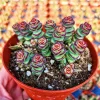
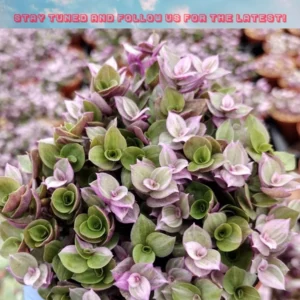
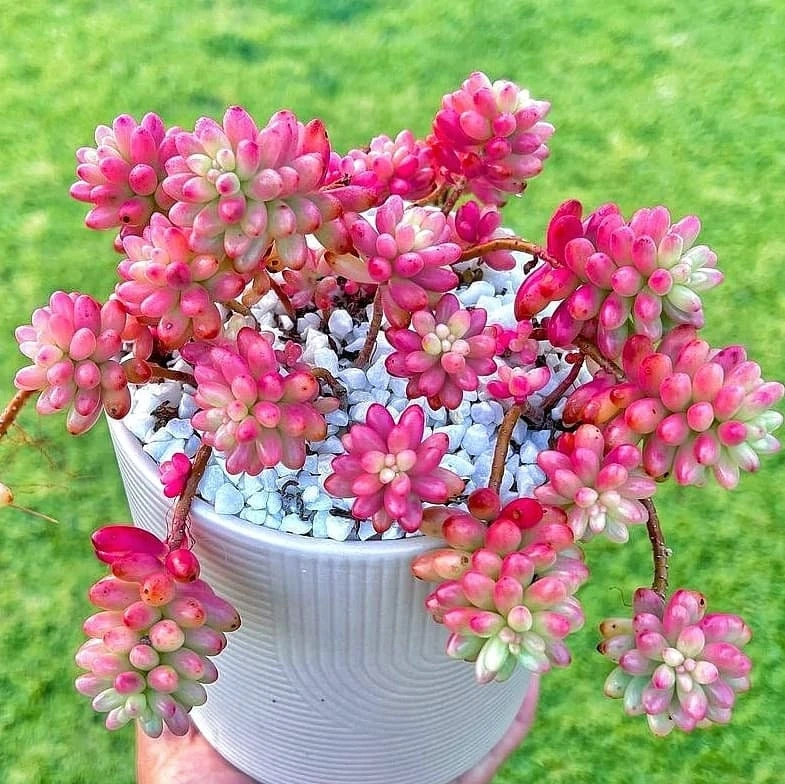
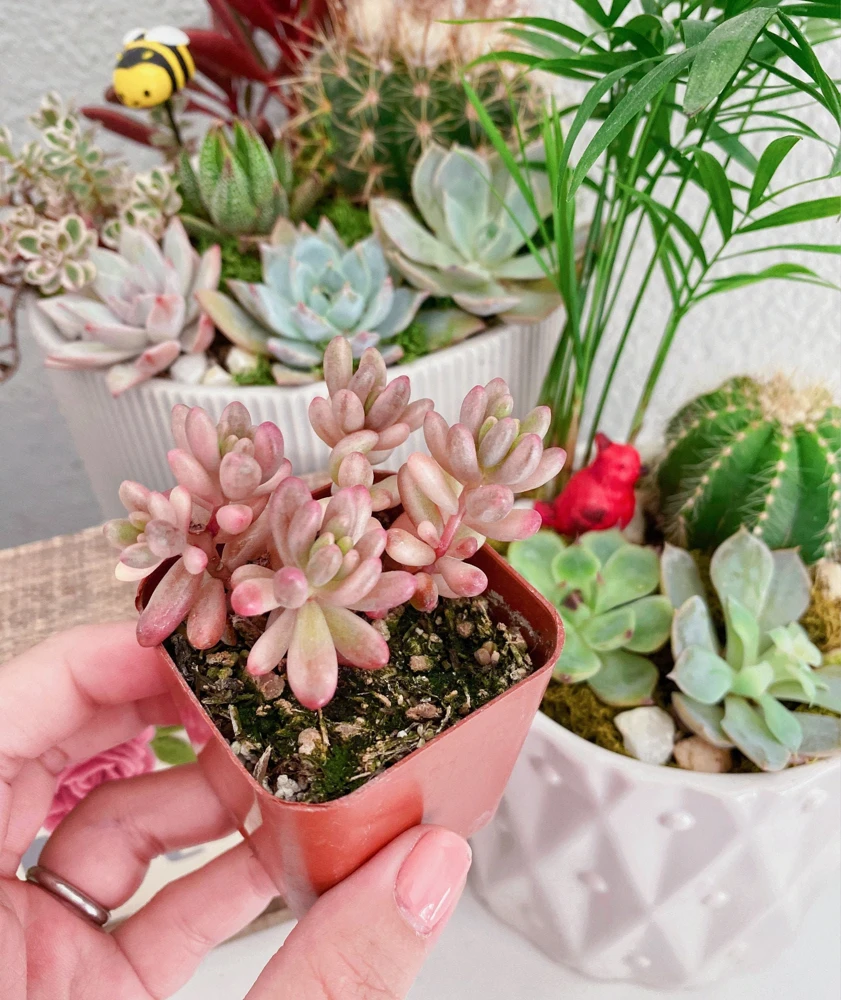
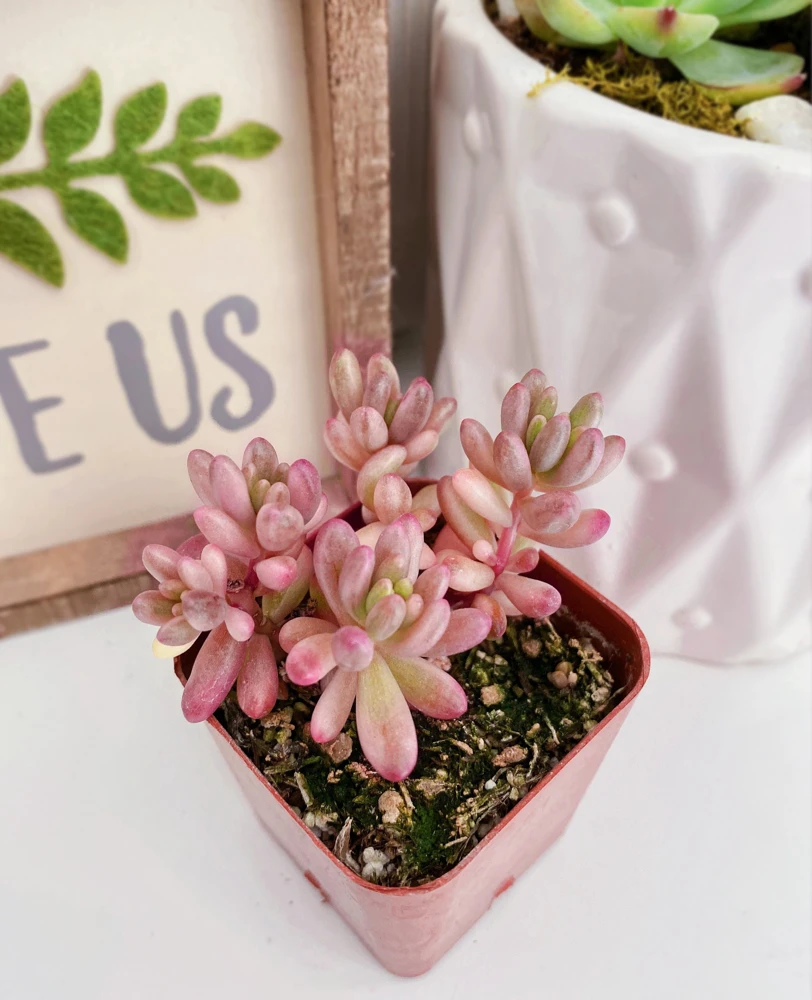
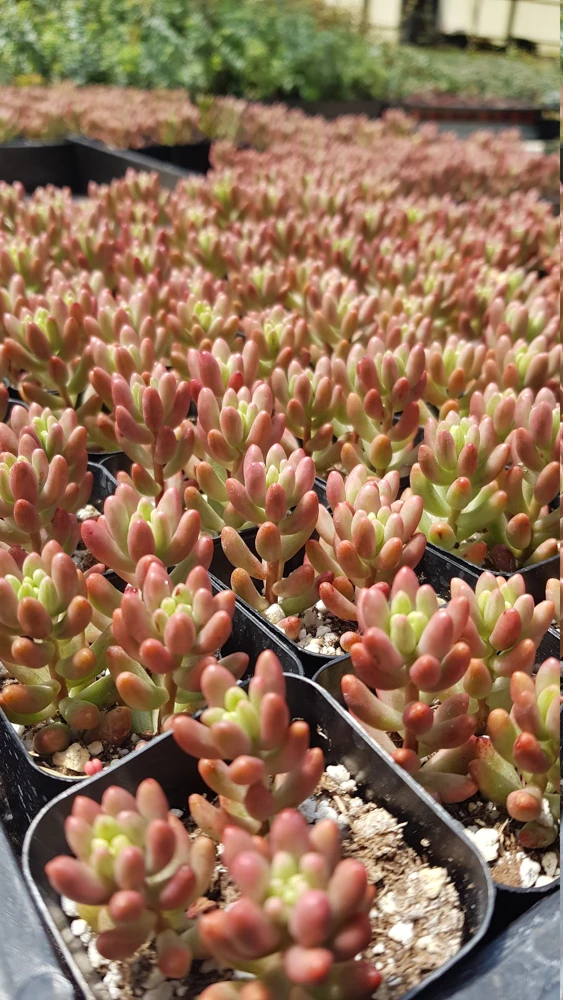
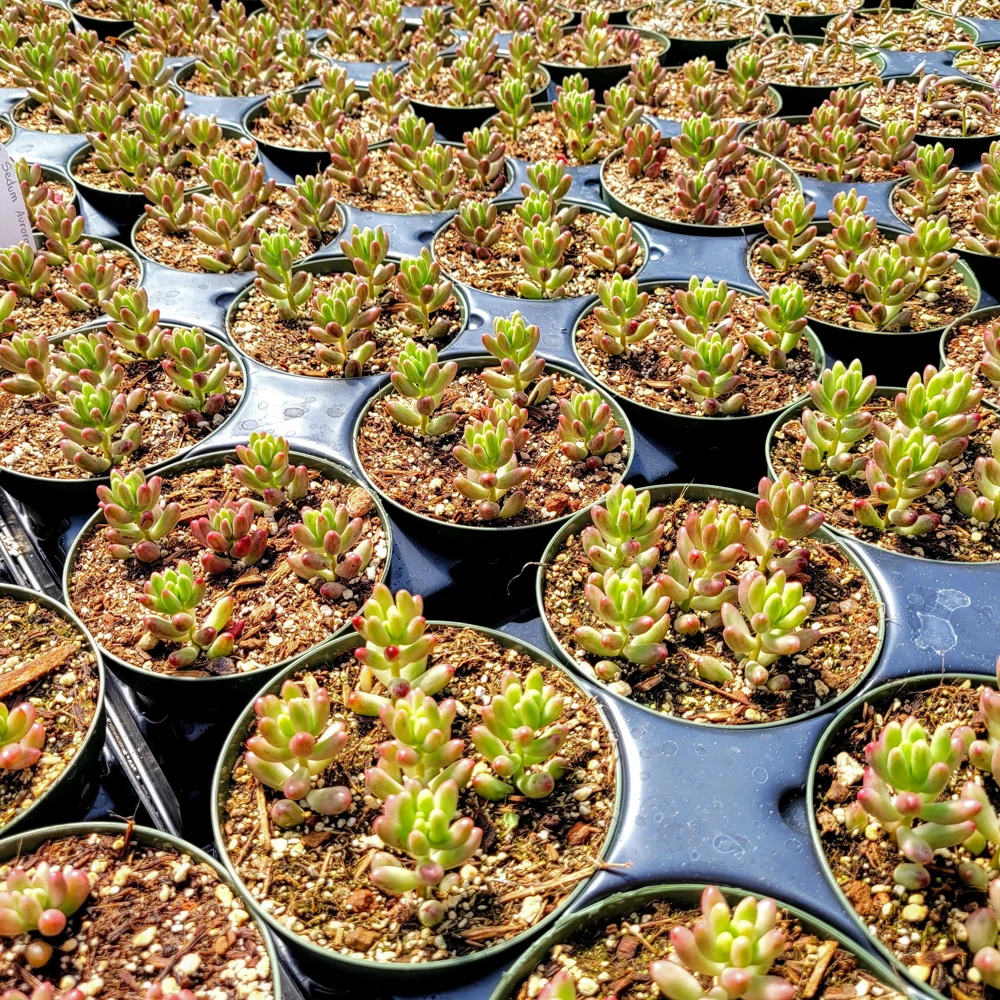
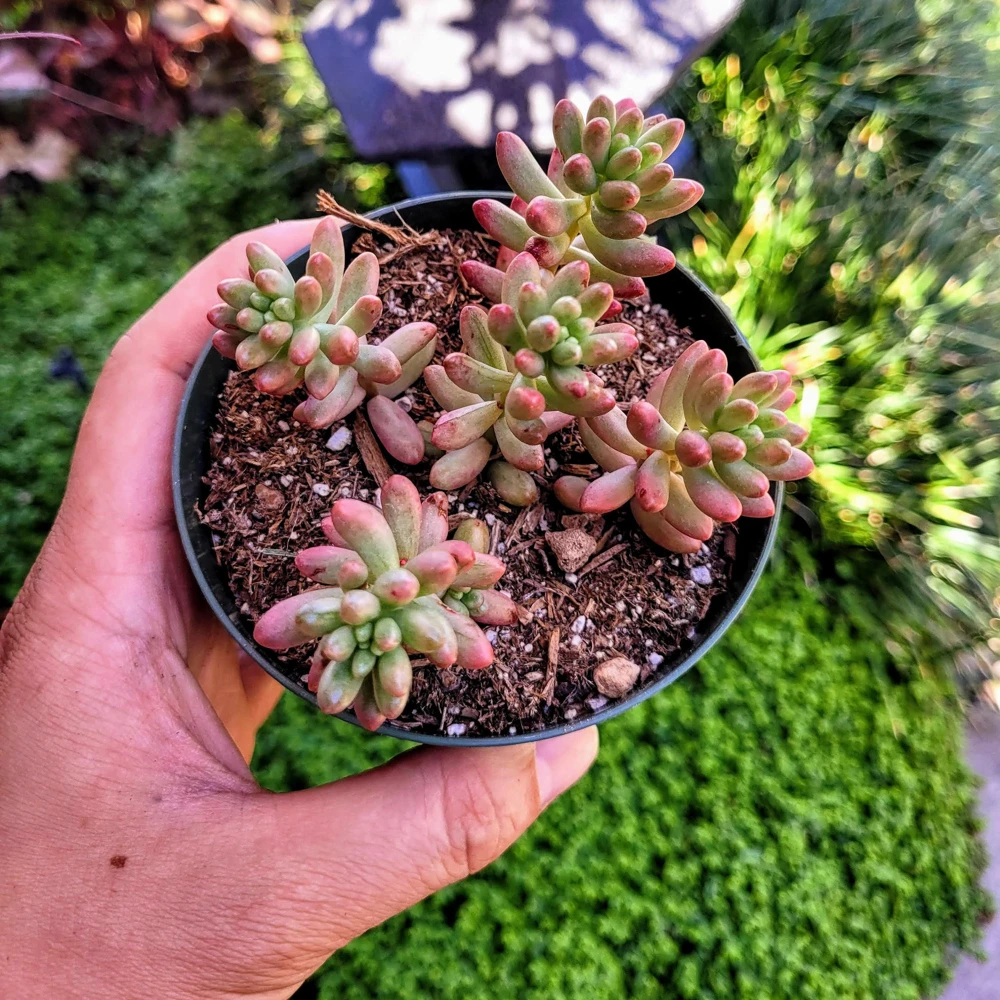
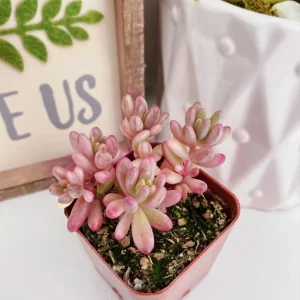
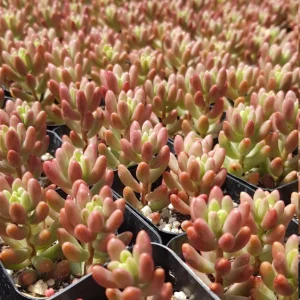
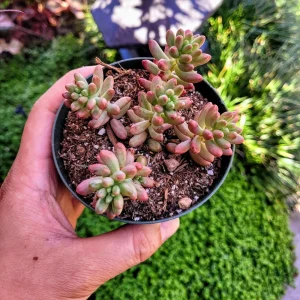
Introduce a delightful splash of color and unique texture to your plant collection with the sedum rubrotinctum aurora, commonly known as Pink Jelly Beans Succulent. This charming live plant, a cultivar of Sedum rubrotinctum, originates from Mexico and is celebrated for its distinctive, round, fleshy leaves that spiral gracefully up its stems. The foliage presents a captivating gradient of colors, ranging from soft pale green to vibrant shades of pink and creamy white, with the most intense hues developing under ample bright sunlight. It’s a fantastic choice for enhancing the visual appeal of potted arrangements, rock gardens, or as a vibrant groundcover in suitable climates. Its ease of care makes it an excellent option for those seeking an easy care succulent that provides year-round beauty.
The ‘Aurora’ variety is particularly prized for its pastel pink and cream variegation, making it a standout among other sedums. This pink jelly beans succulent is not only visually appealing but also incredibly resilient, thriving in conditions that many other plants would struggle in. It’s a true gem for anyone looking to add a touch of whimsy and enduring charm to their indoor or outdoor spaces.
Key Benefits
The sedum rubrotinctum aurora offers a multitude of benefits, making it a highly desirable addition to any plant enthusiast’s collection. Its unique characteristics contribute to both aesthetic appeal and ease of maintenance.
- Vibrant Coloration: The most striking feature of this succulent is its stunning array of colors. The leaves transition from pale green to beautiful pinks and creams, intensifying with sun exposure, providing a dynamic visual interest that brightens any space.
- Low Maintenance: As an easy care succulent, the pink jelly beans succulent requires minimal attention. It is highly tolerant of drought and can thrive with infrequent watering, making it perfect for busy individuals or those new to plant care.
- Versatile Decor: Its compact size and cascading growth habit make it ideal for various display options. Use it in small pots, terrariums, mixed succulent arrangements, or as a charming trailing plant from hanging baskets.
- Drought Tolerant: This plant is well-adapted to dry conditions, requiring water only when its soil is completely dry. This resilience reduces the frequency of watering and makes it suitable for xeriscaping or arid garden designs.
- Easy Propagation: The sedum rubrotinctum aurora is incredibly easy to propagate from stem cuttings or even individual leaves. This allows you to easily expand your collection or share with friends and family.
- Attracts Pollinators: In spring, it produces small clusters of cheerful yellow flowers that are known to attract beneficial pollinators like bees, adding ecological value to your garden.
- Compact Growth: It forms dense clumps over time, and its stems can grow long enough to cascade gracefully, adding an elegant touch to containers and creating a fuller, more lush appearance.
Plant Care & Growing Tips
Caring for your sedum rubrotinctum aurora is straightforward, especially if you understand its basic needs. This pink jelly beans succulent thrives with proper light, soil, and watering practices, ensuring it maintains its vibrant coloration and healthy growth. For optimal results, mastering jelly bean plant care is essential.
Sunlight: This succulent absolutely loves bright sunlight. To achieve the most vibrant pink and cream hues, place your pink jelly beans succulent in a location where it receives at least 6 hours of direct sunlight per day. Indoors, a south-facing window is ideal. Outdoors, full sun is tolerated, but in very hot climates, some afternoon shade can prevent scorching. Insufficient light will cause the plant to stretch (etiolate) and lose its intense coloration.
Watering: The key to successful jelly bean plant care is infrequent and thorough watering. Allow the soil to dry out completely between waterings. When you do water, soak the soil thoroughly until water drains from the bottom of the pot. During winter months or in cooler climates, reduce watering significantly, as the plant’s metabolic rate slows down. Overwatering is the most common cause of succulent demise, leading to root rot. Always check the soil moisture before watering.
Soil: Use a fast-draining soil mix that prevents water from sitting around the roots. A specialized succulent and cactus mix is highly recommended, often supplemented with perlite, pumice, or coarse sand to enhance drainage. Heavy, water-retentive soils should be avoided. Good drainage is crucial for the health of your sedum rubrotinctum aurora.
Temperature & Hardiness: The pink jelly beans succulent is not frost-tolerant. It thrives in warm temperatures and is best suited for USDA Hardiness Zones 9-11 outdoors. If you live in a colder region, it can be overwintered indoors in a container. Protect it from temperatures below 40°F (4°C). When grown indoors, typical room temperatures are perfectly suitable.
Fertilization: Fertilize sparingly, if at all. Succulents generally do not require heavy feeding. If you choose to fertilize, do so once a month during the active growing season (spring and summer) using a diluted, balanced liquid fertilizer specifically formulated for houseplants or succulents. Avoid fertilizing during the dormant winter months.
Size & Details
This offering includes one live sedum rubrotinctum aurora plant, commonly known as pink jelly beans succulent, supplied in a 2-inch nursery pot. The plant will be carefully packaged in a shipping box with appropriate filler to ensure its safe arrival. While the plant’s exact size and color may vary slightly from images due to natural growth and seasonal changes, you can expect a healthy specimen ready to thrive in your home or garden. These plants are known for their relatively fast growth rate under ideal conditions, forming dense clumps and eventually cascading from containers. They are typically compact, making them an excellent succulent plant for sale for windowsills, desks, or small outdoor arrangements. The delicate leaves can easily fall off during transit, but these can often be propagated to create new plants, showcasing the plant’s robust nature.
Frequently Asked Questions
- Q: How big does this plant get? A: The sedum rubrotinctum aurora typically grows to about 6-8 inches tall and can spread to form dense clumps. Its stems can trail gracefully, reaching lengths of 12 inches or more when mature, making it perfect for cascading from pots.
- Q: What size pot does it come in? A: This pink jelly beans succulent is shipped in a 2-inch nursery pot, providing a good starting point for its growth. You can repot it into a slightly larger terracotta pot with drainage once it outgrows its initial container.
- Q: Is this an indoor or outdoor plant? A: The sedum rubrotinctum aurora can be grown both indoors and outdoors. It thrives outdoors in USDA Zones 9-11, but can be an excellent indoor houseplant in all climates, especially when given ample bright light.
- Q: How much sunlight does it need? A: For the best color and compact growth, this easy care succulent requires at least 6 hours of bright, direct sunlight daily. Indoors, place it in the sunniest window available, and outdoors, a full sun to partial sun location is ideal.
- Q: Is this plant easy to care for? A: Yes, the sedum rubrotinctum aurora is considered an easy care succulent, making it suitable for beginners. Its drought tolerance and minimal feeding requirements simplify its maintenance, especially once you understand basic jelly bean plant care.
- Q: What condition will it arrive in? A: Your succulent plant for sale will arrive as one live potted plant, carefully packed to minimize damage during transit. While some delicate leaves may detach, this is normal for this species and they can often be propagated.
- Q: Is it shipped in soil? A: Yes, the plant is shipped in its nursery pot with soil, ensuring it stays hydrated and healthy during its journey to you. We recommend allowing it to acclimate before repotting.
- Q: How often should I water my pink jelly beans succulent? A: Water only when the soil is completely dry to the touch. This could be every 1-3 weeks depending on your climate, humidity, and the season. Always err on the side of underwatering rather than overwatering.
- Q: Will it survive winter in my zone? A: If you are outside of USDA Zones 9-11, your pink jelly beans succulent will need to be brought indoors during winter to protect it from frost. It is not cold-hardy.
- Q: Can I propagate this plant easily? A: Absolutely! This succulent plant for sale is famous for being incredibly easy to propagate. You can root both stem cuttings and individual leaves to grow new plants.


Reviews
There are no reviews yet.