Overview
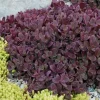
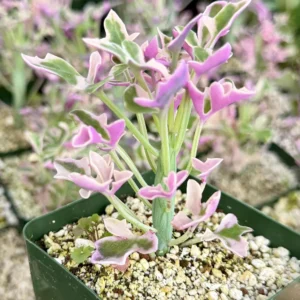
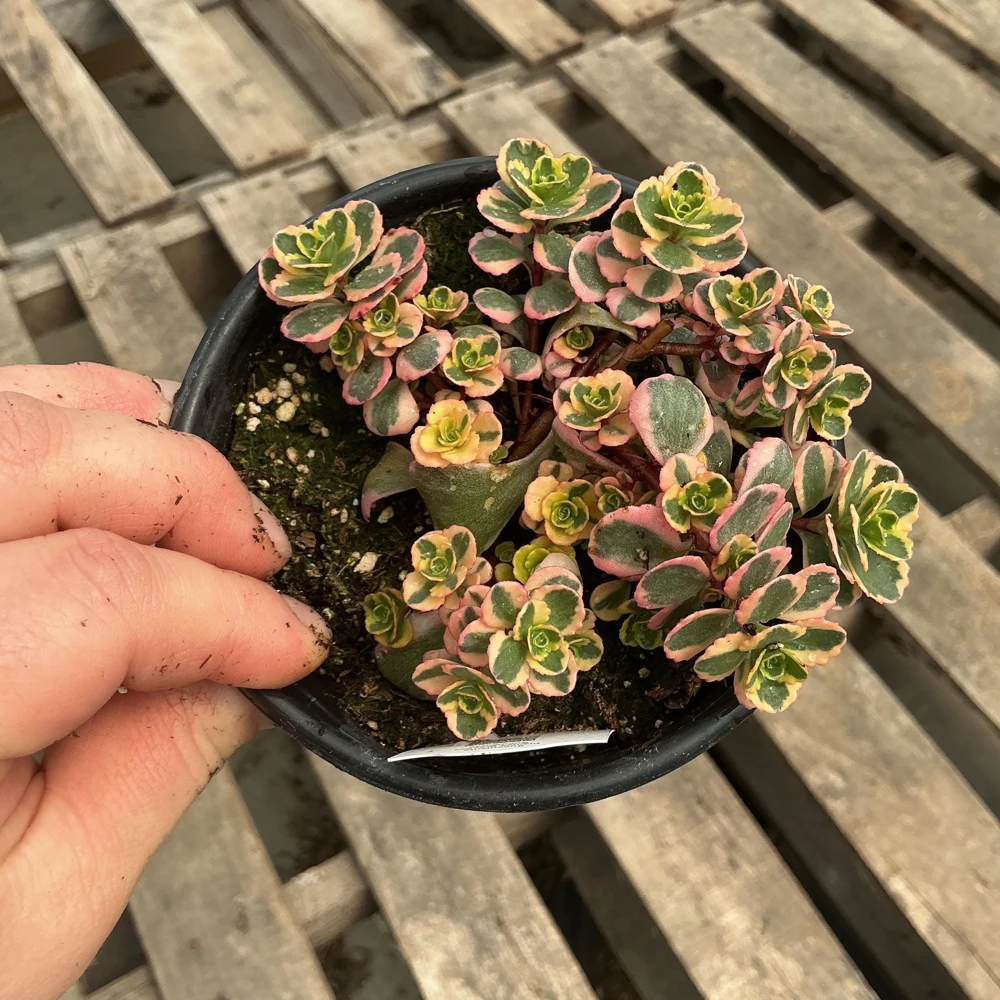
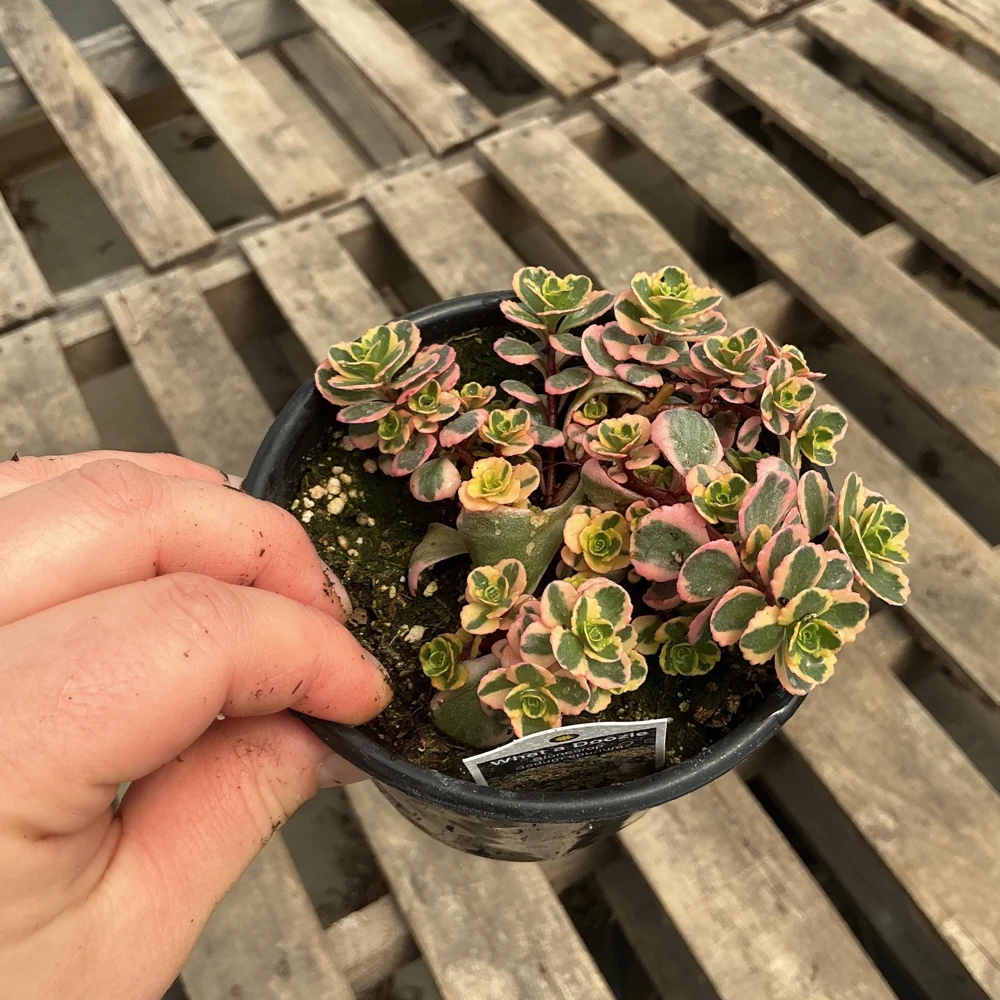
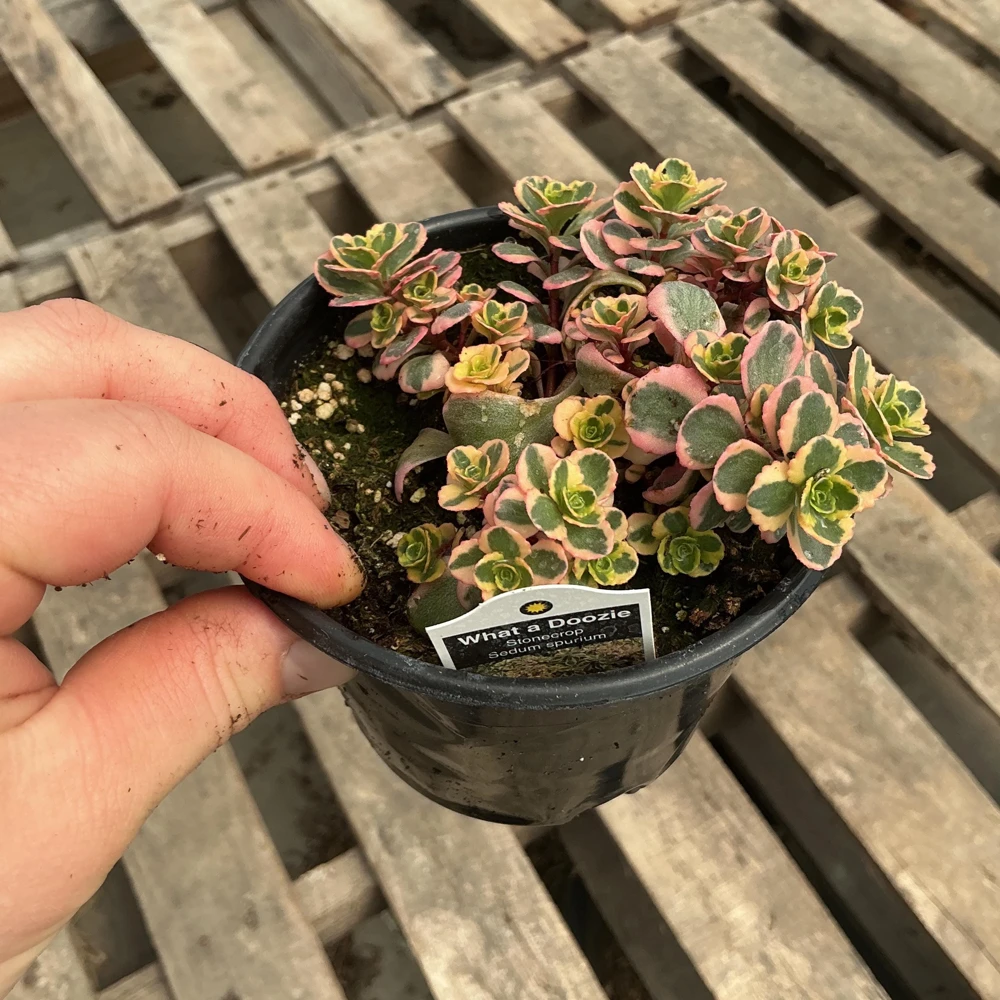
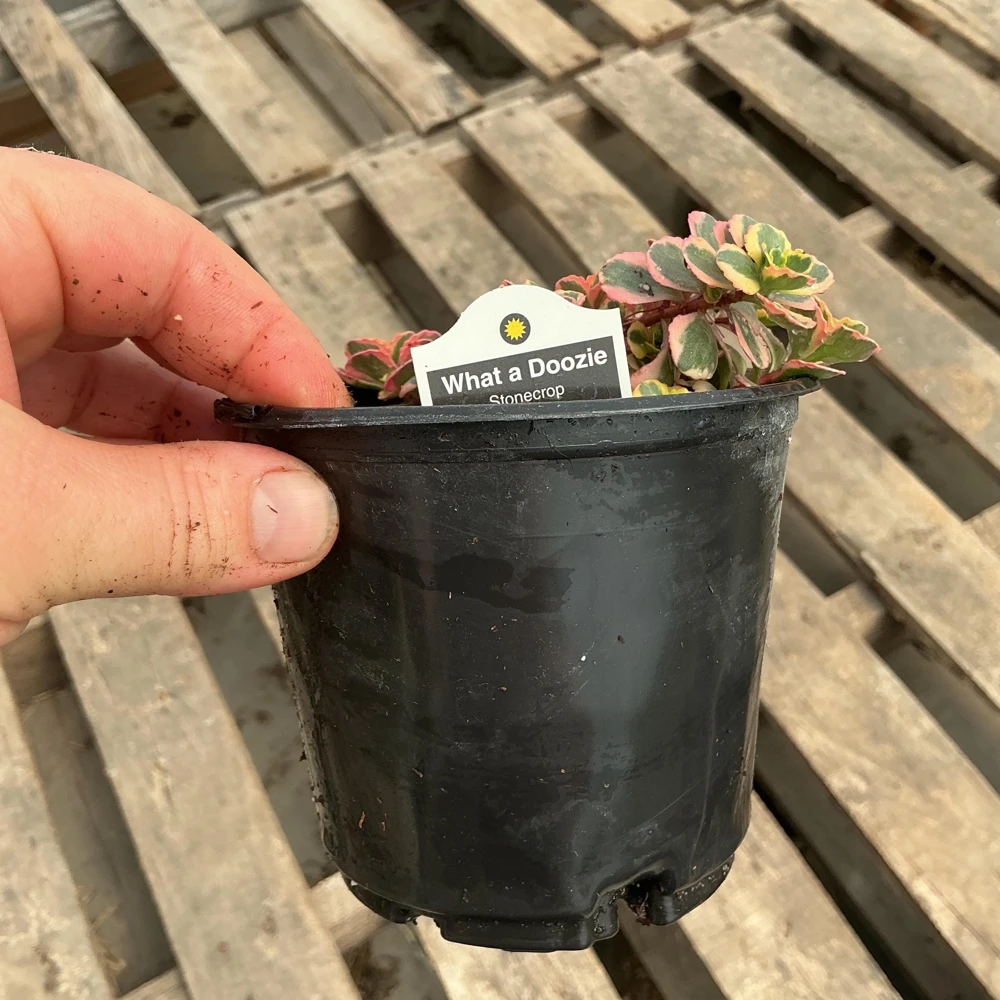
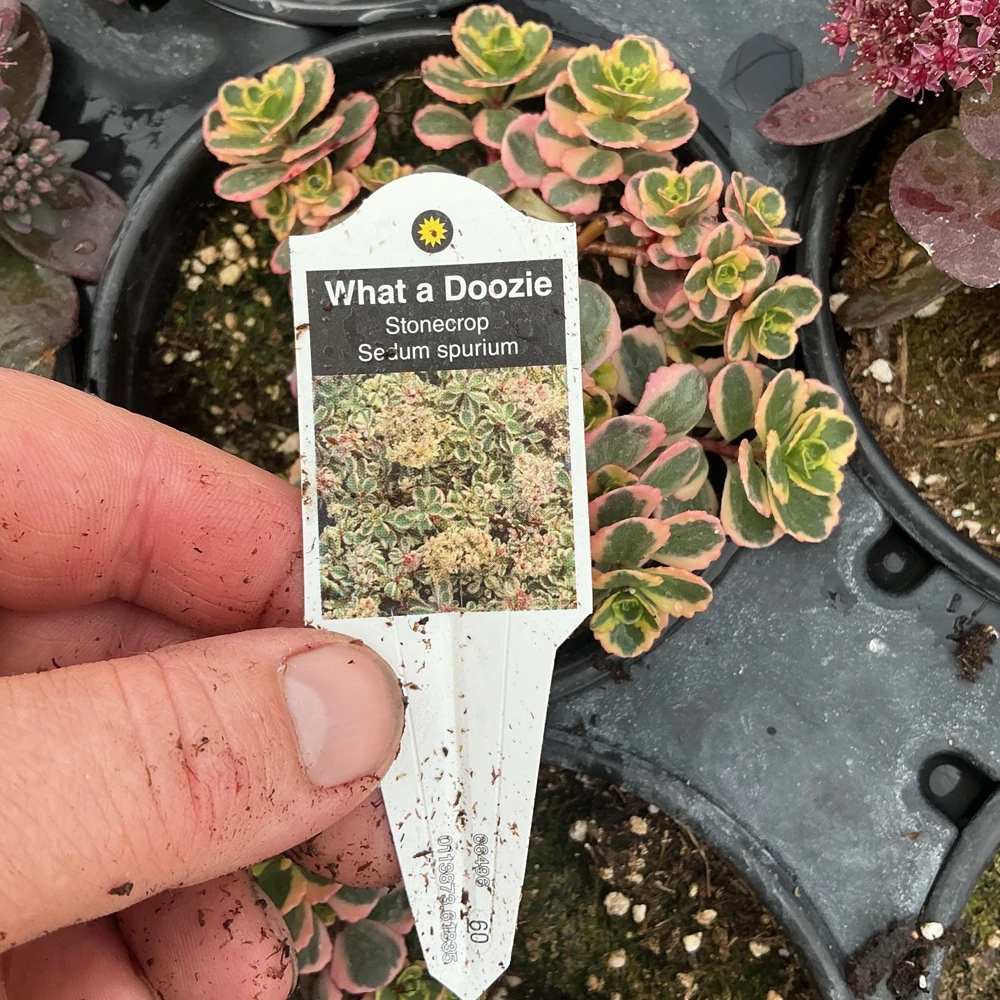
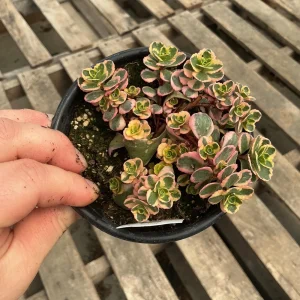
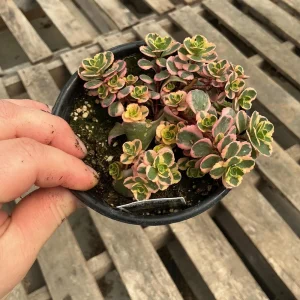
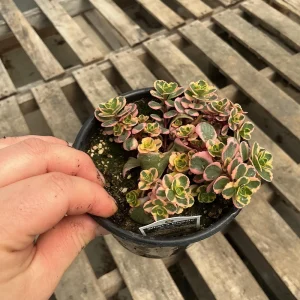
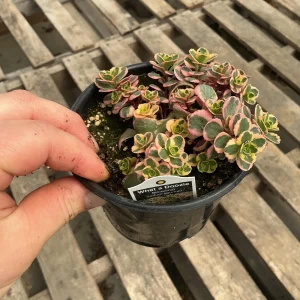
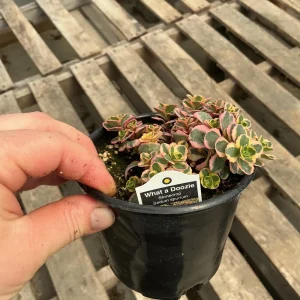
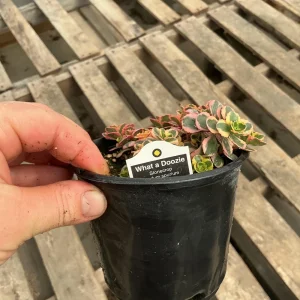
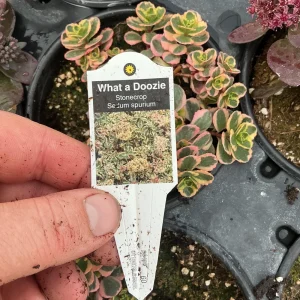
Introduce a splash of vibrant color and robust texture to your garden with the exquisite Sedum Stonecrop ‘What A Doozie’ live plant. This unique succulent, scientifically known as Sedum spurium ‘What A Doozie’, is celebrated for its striking variegated foliage and charming pink flowers that bloom in late summer. As a low-growing, spreading perennial, it forms a beautiful mat of greenery, making it an ideal choice for groundcover, rock gardens, or spilling over the edges of containers. Our healthy Sedum spurium live plant arrives well-established in a 4.5-inch nursery pot, ready to thrive in your outdoor landscape. Known for its exceptional hardiness and drought tolerance, ‘What A Doozie’ is a superb selection for gardeners seeking beauty with minimal effort.
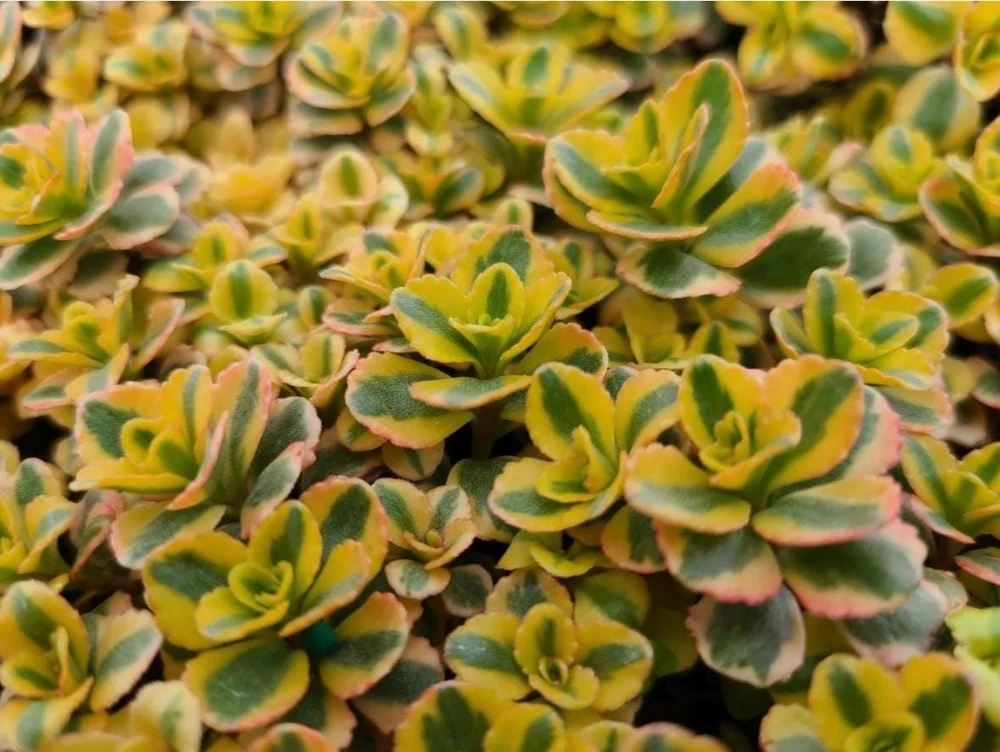
The ‘What A Doozie’ cultivar stands out with its dynamic leaf coloration, transitioning through shades of green, cream, and pink, often intensifying in cooler temperatures or with more sun exposure. This dynamic visual appeal ensures year-round interest in your garden. Whether you’re a seasoned gardener or just starting, this easy-to-grow sedum promises to deliver consistent beauty and resilience, making it a truly rewarding addition to any sunny spot.
Key Benefits
The Sedum Stonecrop ‘What A Doozie’ offers a multitude of advantages for any garden setting, combining aesthetic appeal with practical benefits. Its robust nature and captivating appearance make it a favorite among landscape designers and home gardeners alike.
- Stunning Variegated Foliage: Enjoy year-round visual interest with leaves that display a beautiful mix of green, cream, and pink hues. The colors can deepen and become more vibrant with increased sun exposure, providing a dynamic display.
- Excellent Groundcover: This spreading sedum forms a dense, attractive mat, effectively suppressing weeds and covering bare spots in the garden. It creates a lush carpet of color that enhances any landscape.
- Drought-Tolerant and Low Maintenance: Once established, the drought-tolerant sedum requires very little water, making it perfect for xeriscaping or gardens in dry climates. It’s an ideal plant for busy individuals who desire beauty without constant care.
- Attractive Late Summer Blooms: Delicate pink star-shaped flowers emerge in late summer, providing a lovely contrast to the colorful foliage and attracting pollinators like bees and butterflies to your garden.
- Versatile Landscape Use: Perfect for rock gardens, borders, containers, green roofs, or as an accent plant. Its adaptability allows it to thrive in various settings, adding charm wherever it’s placed.
- Hardy and Resilient: Tolerant of a wide range of conditions, including poor soil and temperature fluctuations, making it a reliable performer in many different climates and garden styles.
- Erosion Control: Its spreading habit and fibrous root system help to stabilize soil on slopes and embankments, preventing erosion and maintaining soil integrity.
Plant Care & Growing Tips
Caring for your Sedum Stonecrop ‘What A Doozie’ is remarkably straightforward, making it an excellent choice for gardeners of all experience levels. These resilient succulents thrive on neglect, preferring conditions that mimic their natural arid habitats. The primary key to success is providing ample sunlight and ensuring excellent drainage to prevent root rot.
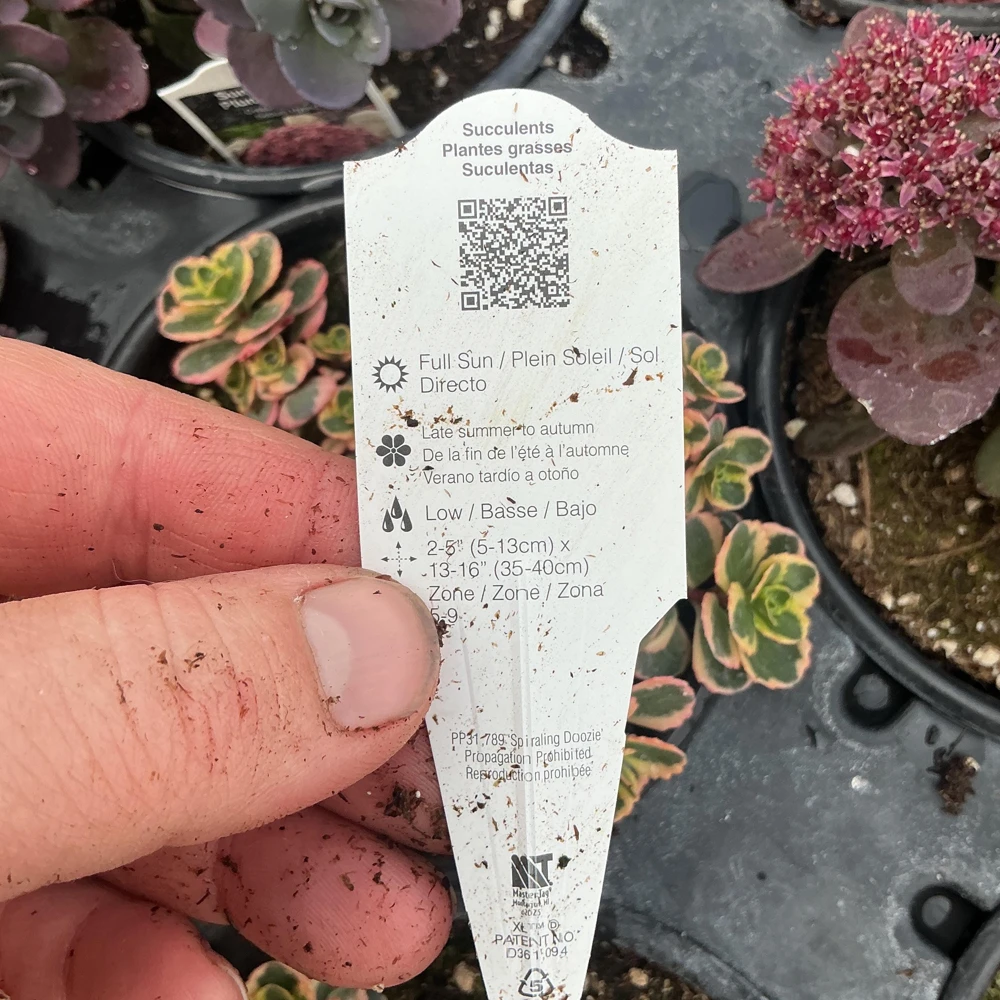
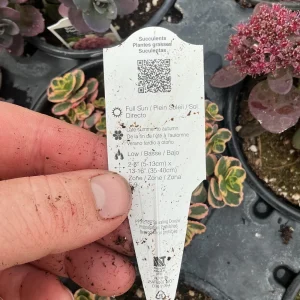
For optimal growth, plant your ‘What A Doozie’ stonecrop in a location that receives at least 6 hours of full sun per day. While it can tolerate some partial shade, especially in hotter climates, full sun encourages the most vibrant foliage coloration and abundant flowering. Well-draining soil is crucial; sandy or gravelly soils are ideal. If your garden soil is heavy clay, amend it with organic matter and grit to improve drainage. Water sparingly, allowing the soil to dry out completely between waterings. Overwatering is the most common cause of problems for sedums. During prolonged dry spells, especially in its first year, occasional deep watering is beneficial, but established plants are highly drought-tolerant. This groundcover sedum is generally hardy and does not require frequent fertilization. A light application of a balanced, slow-release fertilizer in spring can promote vigorous growth, but it’s often not necessary in average garden soils. Protect from extreme winter wetness in colder zones to prevent crown rot.
This sedum is quite cold-hardy and can withstand winter temperatures in many regions. In late winter or early spring, you can prune back any dead or leggy stems to encourage new, compact growth. Propagation is also very easy; simply take stem cuttings or divide established clumps in spring or early fall. Pests and diseases are rarely an issue for this robust plant, though occasional problems with aphids or mealybugs can be addressed with insecticidal soap. Ensuring good air circulation and proper watering practices will help prevent most common issues, allowing your Sedum Stonecrop ‘What A Doozie’ to flourish with minimal intervention.
Size & Details
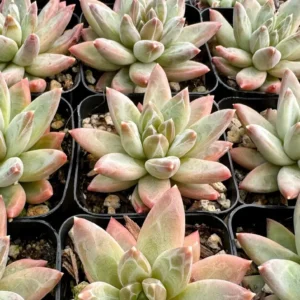
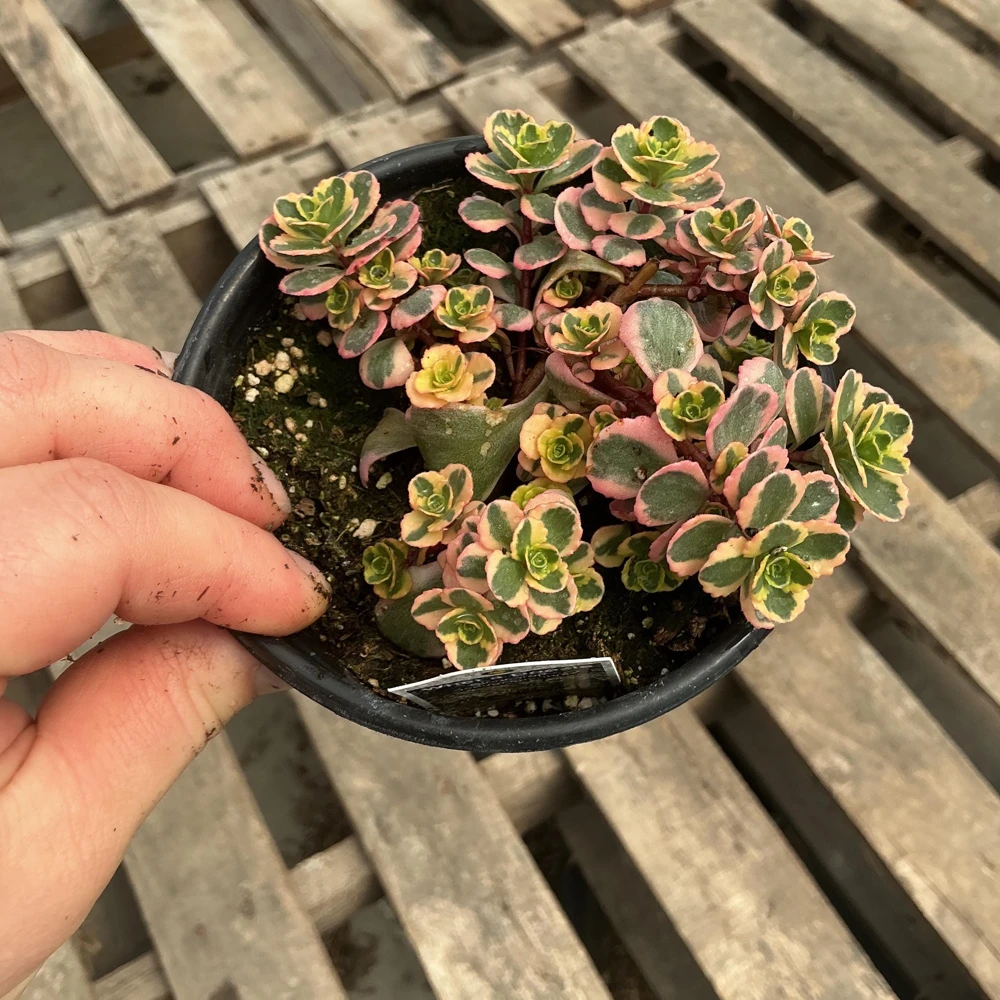
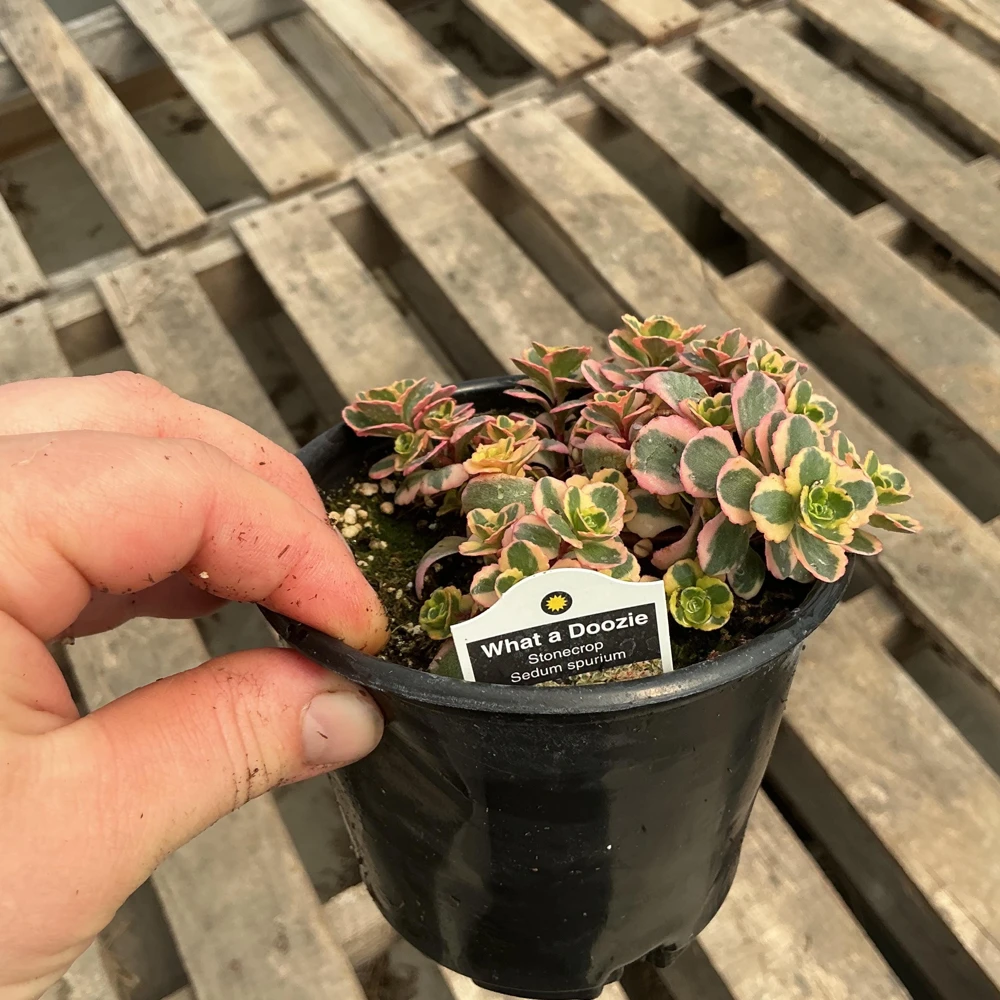
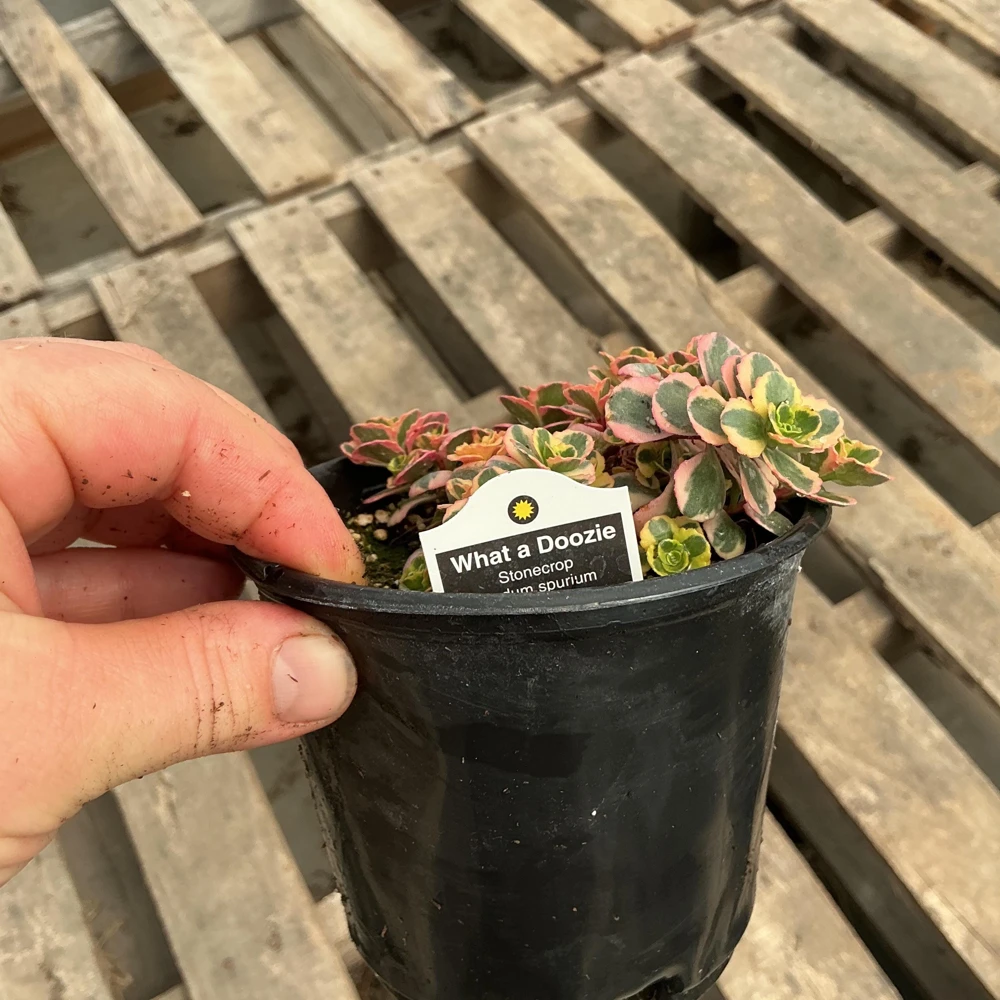
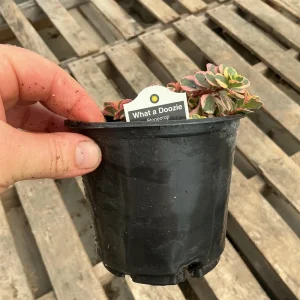
Your Sedum Stonecrop ‘What A Doozie’ will arrive as a well-established live plant, actively growing in a 4.5-inch plastic nursery pot. This size ensures a robust root system, allowing for easy transplanting and quick establishment in your garden or container. Typically, this variety of sedum grows to about 4-6 inches in height with a spread of 12-18 inches, forming a dense, creeping mat. Its growth rate is moderate, quickly filling in spaces to create a lush groundcover effect.
The plant is shipped fresh from our greenhouse, carefully packaged to ensure it arrives healthy and ready to thrive. Expect to see its characteristic variegated foliage upon arrival, with colors that will intensify as it acclimates to its new environment and receives adequate sunlight. The charming pink blooms typically appear in late summer to early fall, adding another layer of beauty to its already attractive appearance. This resilient succulent is built to last, providing years of vibrant color and texture to your outdoor spaces.
Frequently Asked Questions
- Q: How big does this plant get? A: The Sedum Stonecrop ‘What A Doozie’ typically grows to a height of 4-6 inches and spreads out to about 12-18 inches wide, forming a beautiful, dense mat. Its low-growing, spreading habit makes it an excellent groundcover.
- Q: What size pot does it come in? A: Each Sedum spurium live plant is shipped well-established in a 4.5-inch plastic nursery pot, ensuring a healthy root system for successful transplanting.
- Q: Is this an indoor or outdoor plant? A: This sedum is primarily an outdoor plant, ideal for gardens, rockeries, and containers that receive plenty of sunlight. While it can be grown indoors in very bright, sunny conditions, it truly thrives outdoors.
- Q: How much sunlight does it need? A: For the best growth and most vibrant foliage color, your ‘What A Doozie’ stonecrop needs at least 6 hours of full sunlight per day. It can tolerate some partial shade, especially in very hot climates, but full sun is preferred.
- Q: Is this plant easy to care for? A: Yes, this sedum is considered very easy to care for and is an excellent choice for beginners. It’s drought-tolerant and requires minimal attention once established, making it a low-maintenance addition to any garden.
- Q: What condition will it arrive in? A: Your plant will arrive as a live, well-established specimen, carefully packaged to ensure it reaches you in excellent condition, ready for planting.
- Q: Is it shipped in soil? A: Yes, the plant is shipped actively growing in its 4.5-inch nursery pot with its original soil, ensuring minimal transplant shock.
- Q: How long until it blooms? A: The Sedum Stonecrop ‘What A Doozie’ typically produces its charming pink flowers in late summer to early fall, adding beautiful seasonal interest.
- Q: When is the best time to plant? A: This sedum can be planted anytime from spring through early fall. If planting in very hot weather, ensure it receives adequate water until established.
- Q: Will it survive winter in my zone? A: This variety is quite cold-hardy, generally thriving in USDA Zones 3-9. It is deciduous in colder climates, with foliage re-emerging in spring.


Reviews
There are no reviews yet.