Overview
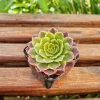
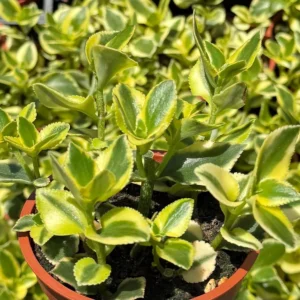
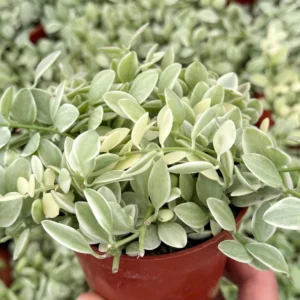
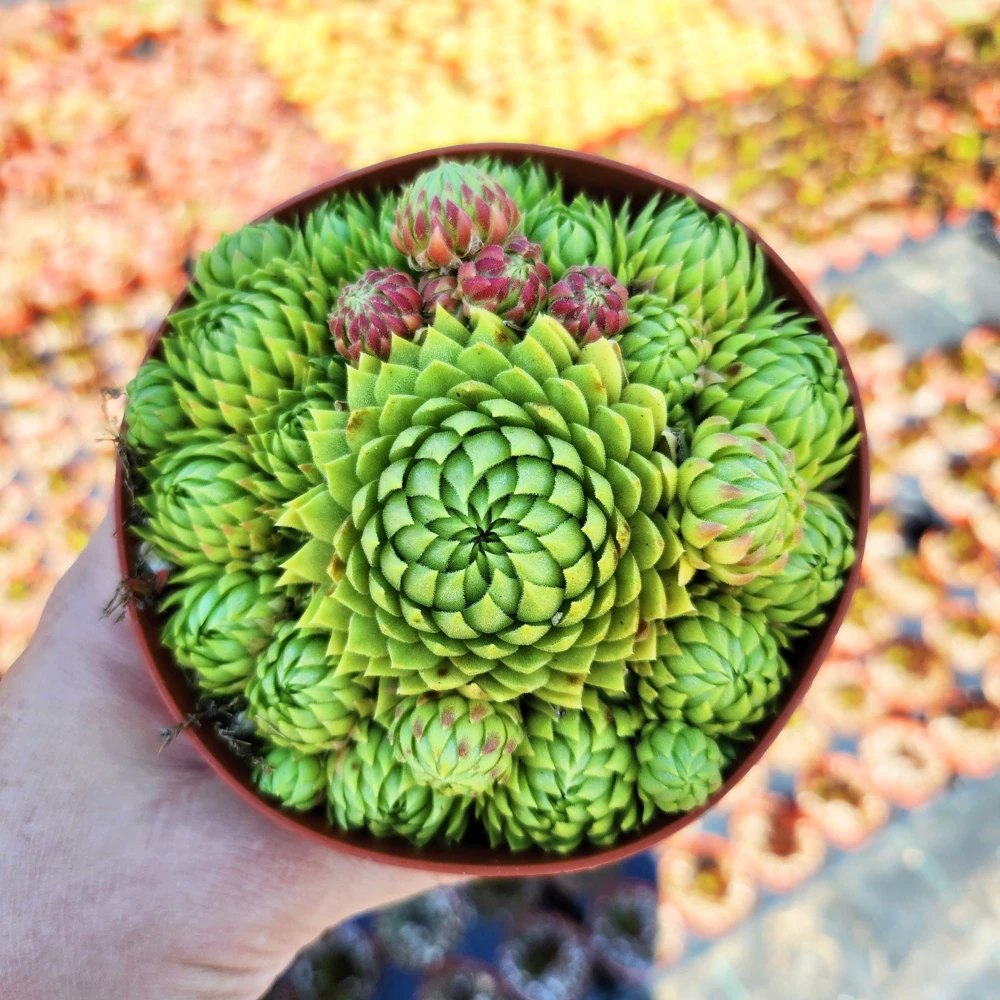
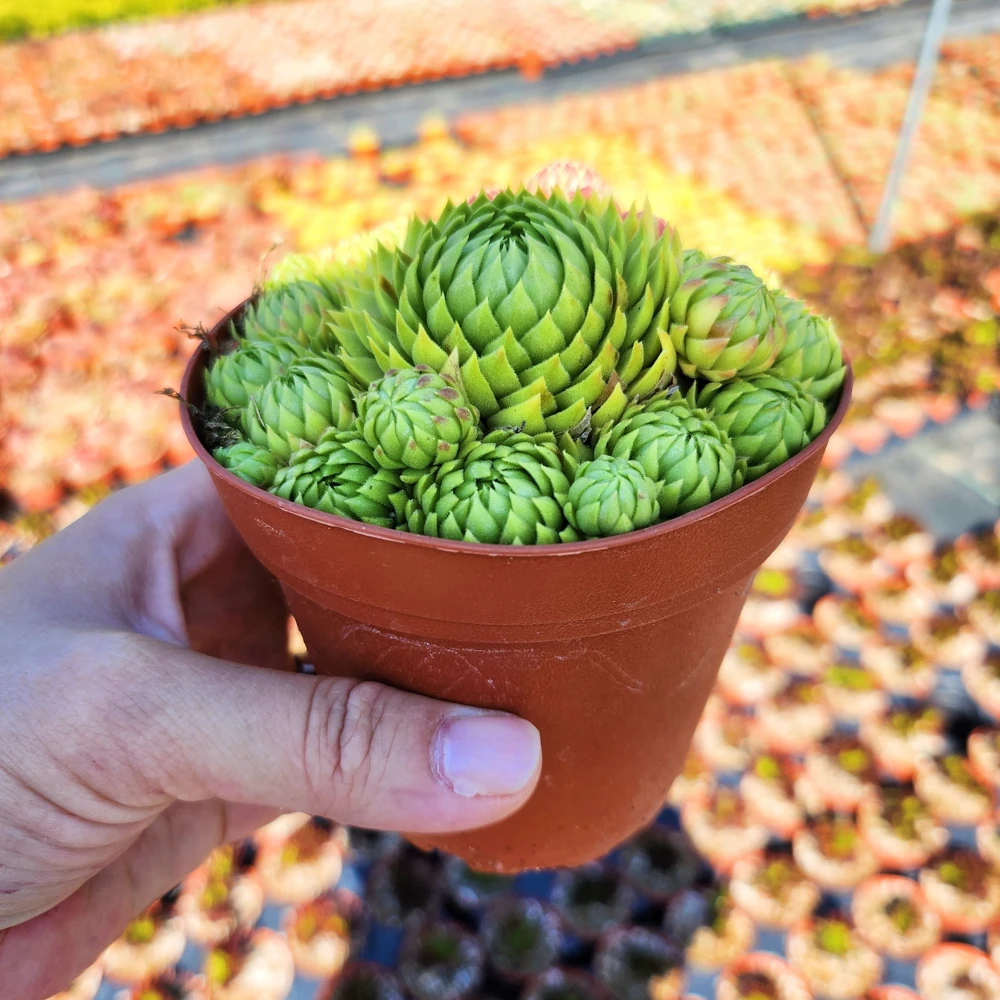
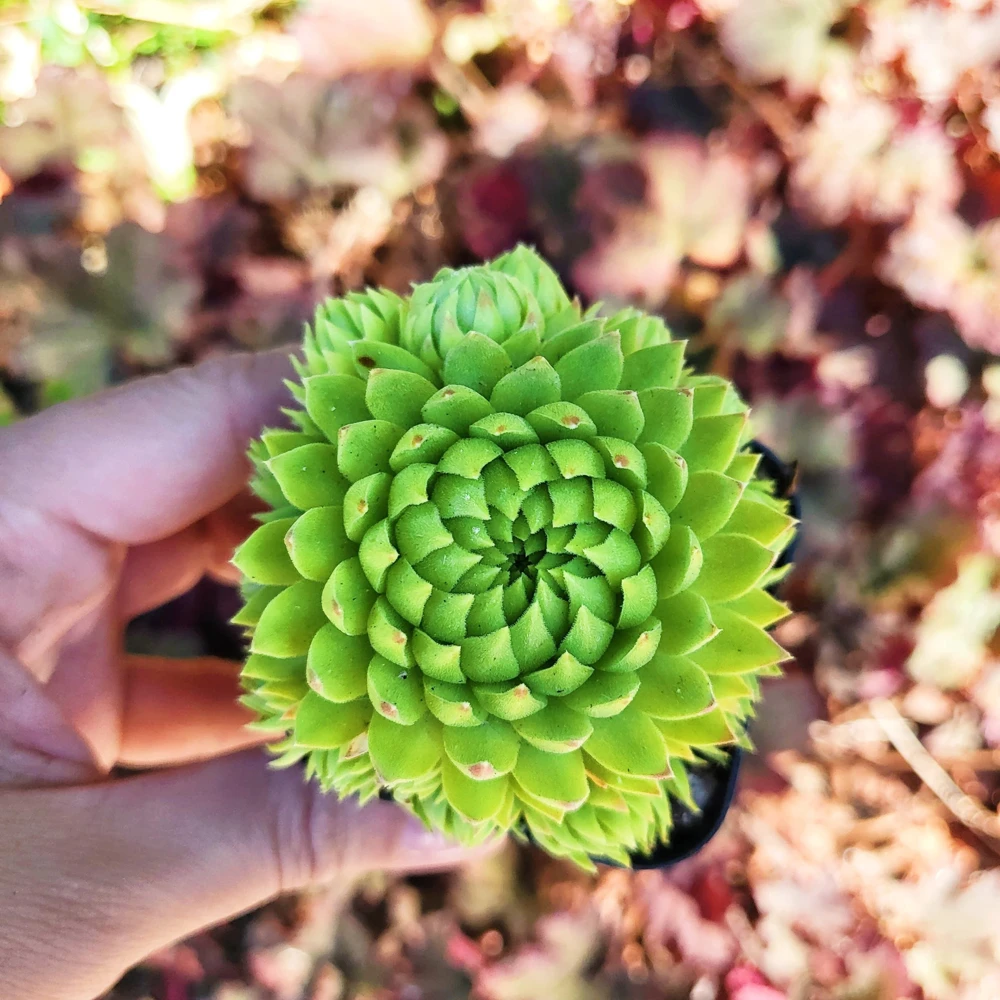
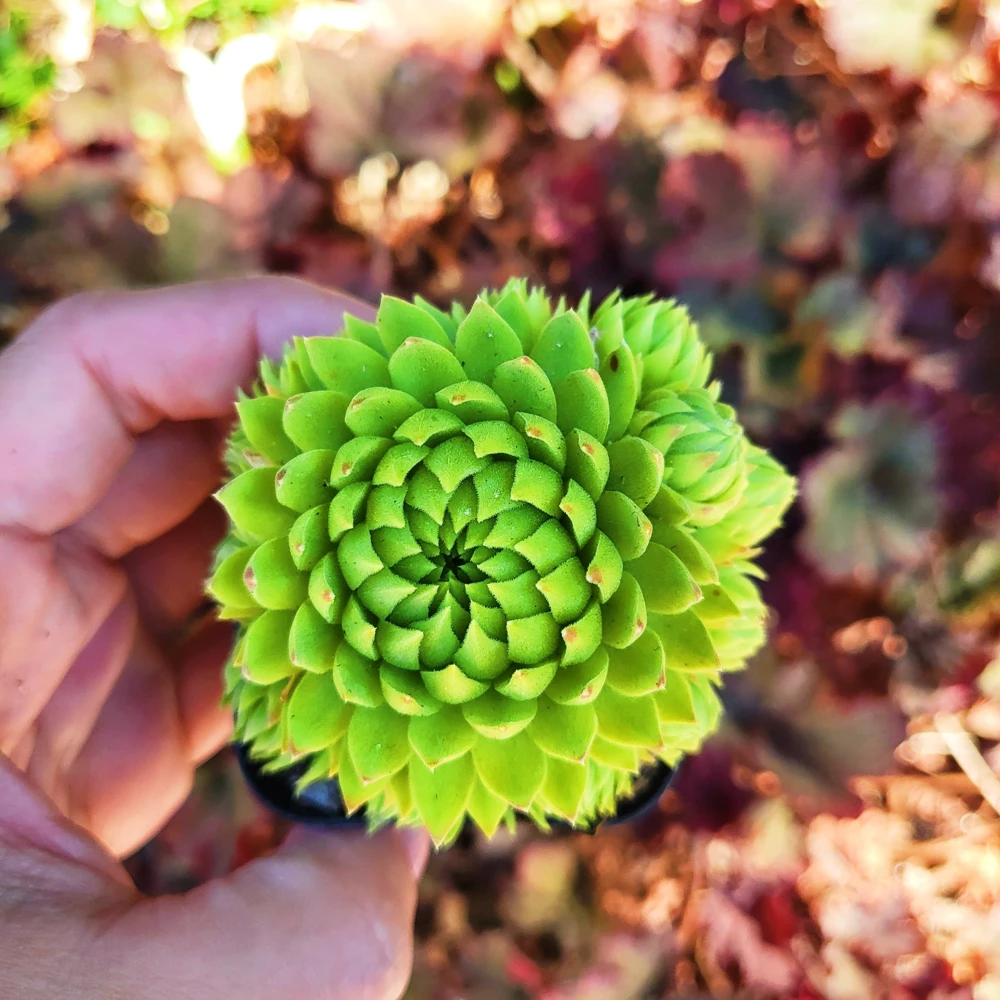
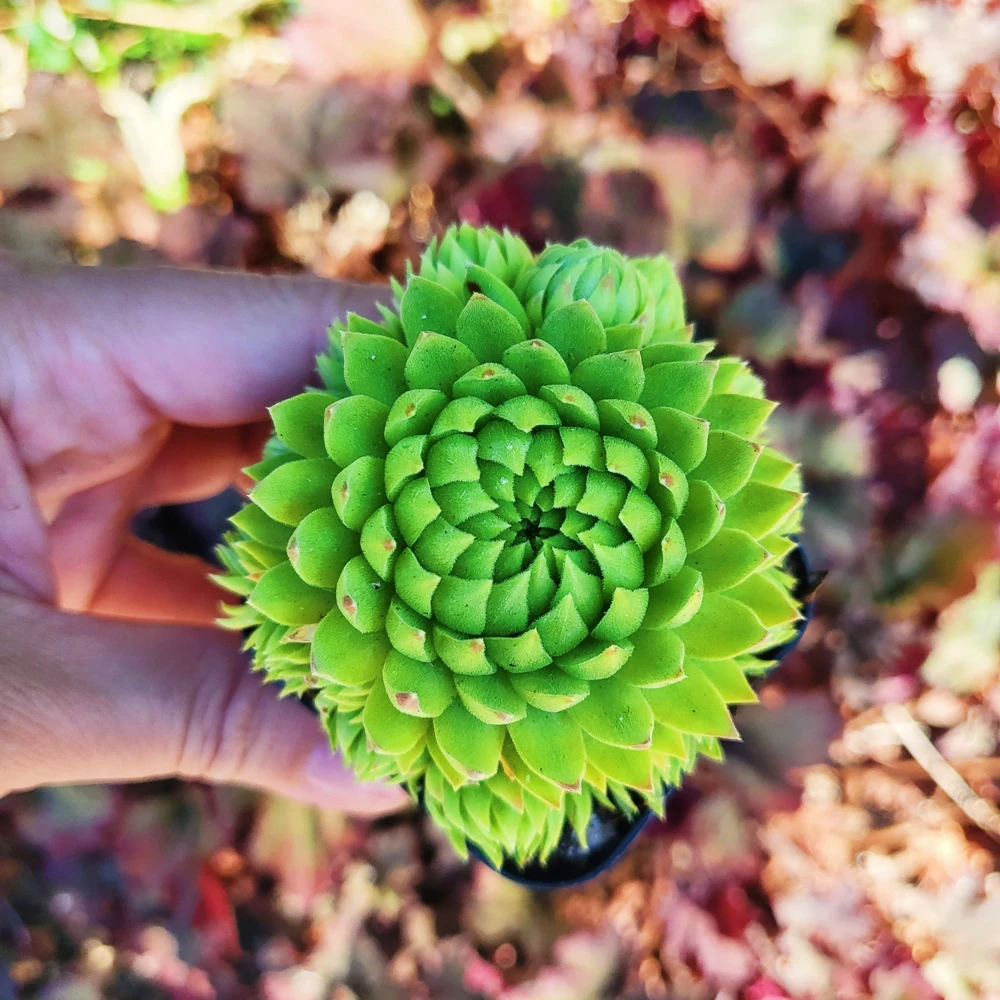
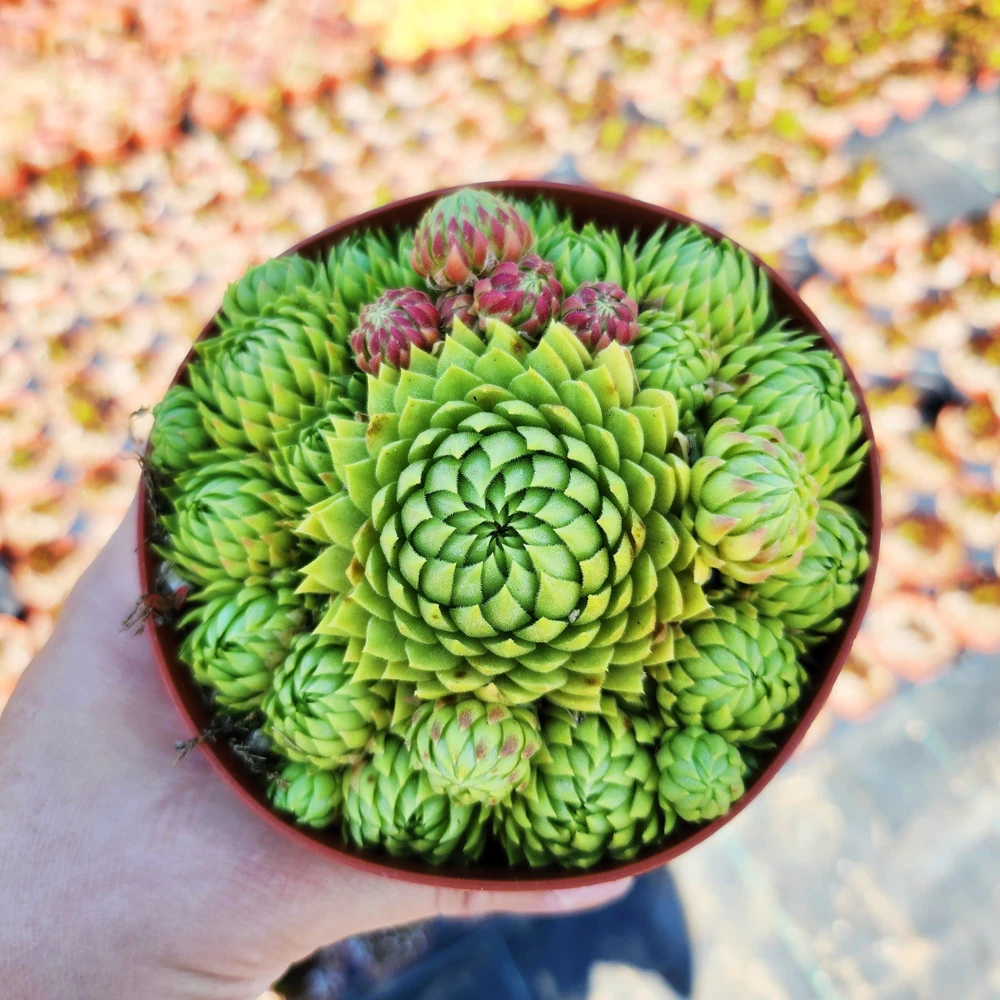
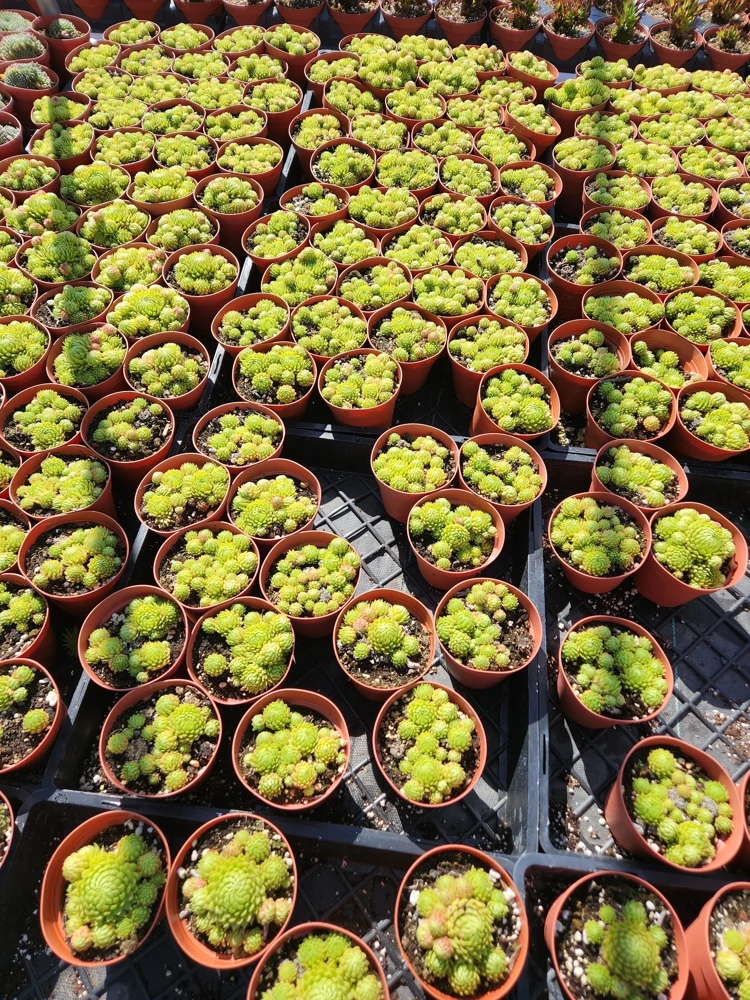
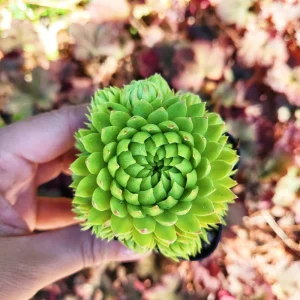
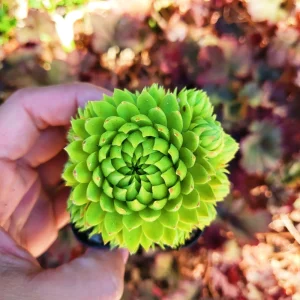
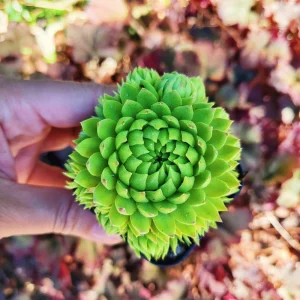
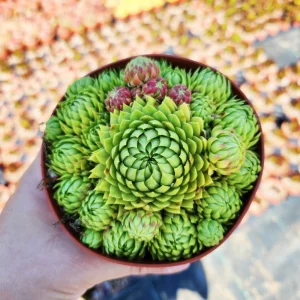
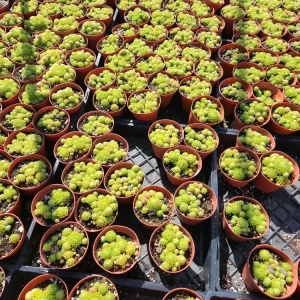
Introducing the stunning sempervivum allionii live plant, a distinctive succulent renowned for its captivating appearance and resilience. This particular variety, Sempervivum globiferum ssp. allionii, commonly known as hens and chicks succulent, produces a tight, spiky lime green rosette that often develops beautiful reddish tips when exposed to sufficient sunlight. As a “roller” variety, it’s particularly fascinating: it propagates by sending out numerous small, round offsets on delicate stolons. These “chicks” easily detach and roll away from the mother plant, readily putting down roots to form new colonies. This makes it an excellent choice for ground covers, rock gardens, containers, or even living walls, offering a dynamic and ever-expanding display. Whether you’re a seasoned gardener or just starting your succulent journey, this sempervivum allionii live plant provides both visual interest and an engaging growth habit.
Key Benefits
The sempervivum allionii live plant offers a multitude of benefits, making it a highly desirable addition to any plant collection. Its unique characteristics contribute to both aesthetic appeal and ease of care.
- Unique Aesthetic Appeal: The spiky lime green rosettes with potential red tips provide a striking visual texture, making it a focal point in any arrangement. Its compact size and intricate form are perfect for detailed garden designs.
- Drought Tolerance: As a succulent, this plant is exceptionally water-wise. It stores water in its leaves, allowing it to thrive with infrequent watering, making it an excellent choice for xeriscaping or busy individuals. This drought tolerant sempervivum significantly reduces water consumption.
- Easy Propagation: The “roller” characteristic means it naturally produces abundant offsets that are simple to root, allowing you to easily expand your collection or share with friends without complex propagation techniques. It’s a true joy to watch new chicks emerge and establish themselves.
- Low Maintenance: This sempervivum allionii live plant requires minimal care once established. It’s forgiving of neglect and doesn’t demand constant attention, fitting seamlessly into various lifestyles.
- Versatile Placement: Suitable for both indoor and outdoor environments, it excels in rock gardens, alpine troughs, container arrangements, or as a charming windowsill accent. Its adaptability makes it a versatile garden choice.
- Hardy and Resilient: Sempervivums are known for their hardiness, able to withstand a range of temperatures and conditions, making them a robust and long-lasting addition to your garden.
- Natural Groundcover: With its prolific offsetting, this roller sempervivum plant can quickly spread to create a beautiful, textured groundcover, suppressing weeds and adding continuous interest to neglected areas.
Plant Care & Growing Tips
Caring for your sempervivum allionii live plant is straightforward, ensuring a thriving and beautiful display with minimal effort. These succulents are remarkably resilient, making them perfect for both novices and experienced gardeners. The key to success lies in understanding their specific needs regarding soil, light, and water.
For soil, always use a fast-draining mix. A primary composition of peat moss and/or a succulent and cactus mix, supplemented with plenty of perlite, is ideal. This ensures that excess water drains away quickly, preventing root rot, which is a common issue for succulents. Good drainage is paramount for a healthy hens and chicks succulent. In terms of light, place your plant in bright, indirect light indoors or in shaded areas outdoors. While they appreciate light, prolonged direct sunlight, especially during the hottest parts of the day, can cause scorching. If growing indoors, a south or west-facing window with some sheer curtain protection is often perfect. Outdoors, morning sun with afternoon shade is usually best.
Watering should be done infrequently. Aim for no more than once a week, and adjust based on your local climate and the humidity levels. The most important rule is to ensure the soil appears and feels completely dry before watering again. Overwatering is the quickest way to harm your sempervivum allionii live plant. When potting, especially for indoor plants, a well-draining terracotta pot is highly recommended. Terracotta is porous and allows the soil to dry out more efficiently, promoting healthy root growth. Fertilize sparingly; once a month during the active growing season (spring and summer) with a suitable houseplant food diluted to half strength is sufficient. Avoid fertilizing in fall and winter when the plant is dormant. Following this simple sempervivum care guide will help your plant flourish.
Size & Details
Each order includes one live sempervivum allionii live plant, carefully potted in your choice of a 2 or 4 inch nursery pot. These plants are shipped with a balanced root system, ready for immediate planting upon arrival. The rosettes typically measure between 1 to 3 inches in diameter, but will grow larger and produce numerous offsets over time. As a ‘roller’ type, it exhibits a moderate to fast growth rate, especially in optimal conditions, quickly forming clusters of new plants. The offsets, or ‘chicks,’ will develop on delicate stolons and can be easily removed and replanted to expand your succulent collection. Expect mature plants to reach a height of approximately 2-4 inches, with a spread that can reach 6-12 inches or more as it colonizes. This hens and chicks succulent is an ideal choice for creating living mats or for filling small spaces with vibrant, textured greenery.
Frequently Asked Questions
- Q: How big does this sempervivum allionii live plant get? A: The main rosette typically grows to be 1 to 3 inches in diameter. With its “roller” propagation, it can spread horizontally, forming colonies that can cover a significant area over time, reaching a spread of 6-12 inches or more.
- Q: What size pot does it come in? A: Your sempervivum allionii live plant will arrive in either a 2-inch or 4-inch nursery pot, depending on your selection. This gives it a good start before you decide to repot it into a larger container or plant it directly in your garden.
- Q: Is this an indoor or outdoor plant? A: This versatile hens and chicks succulent can thrive both indoors and outdoors. Outdoors, it’s excellent for rock gardens or ground cover. Indoors, it makes a charming windowsill plant, provided it receives adequate bright, indirect light.
- Q: How much sunlight does it need? A: It prefers bright, indirect light. Outdoors, morning sun and afternoon shade are ideal. Indoors, place it in a spot that gets several hours of bright, filtered light daily. Avoid intense, prolonged direct sunlight to prevent scorching.
- Q: Is this plant easy to care for? A: Yes, Sempervivum allionii is considered a very easy-care plant, making it perfect for beginners. Its drought-tolerant nature and minimal needs contribute to its low-maintenance appeal. This makes it an excellent choice if you’re looking for a low-fuss drought tolerant sempervivum.
- Q: What condition will it arrive in? A: Your plant will arrive in a shipping box with filler, carefully packaged to minimize damage during transit. While some minor imperfections may occur due to shipping, the plant is typically robust and will quickly recover.
- Q: How often should I water my sempervivum allionii live plant? A: Water infrequently, only when the soil is completely dry to the touch. This could be once a week or less, depending on humidity and temperature. Overwatering is the biggest risk for succulents.
- Q: When is the best time to plant or repot this succulent? A: The best time to plant or repot is during the spring or early summer, which is its active growing season. This allows the plant to establish its roots before the stress of winter or intense summer heat.
- Q: What kind of soil is best for this roller sempervivum plant? A: A well-draining soil mix is crucial. Use a succulent and cactus mix, or create your own by adding plenty of perlite or pumice to a standard potting mix to enhance drainage.
- Q: Is this plant suitable for USDA hardiness zones? A: Sempervivums are generally very hardy. While specific hardiness can vary, this sempervivum is typically suitable for USDA zones 4-9, making it quite resilient to colder temperatures when planted outdoors.


Reviews
There are no reviews yet.