Overview
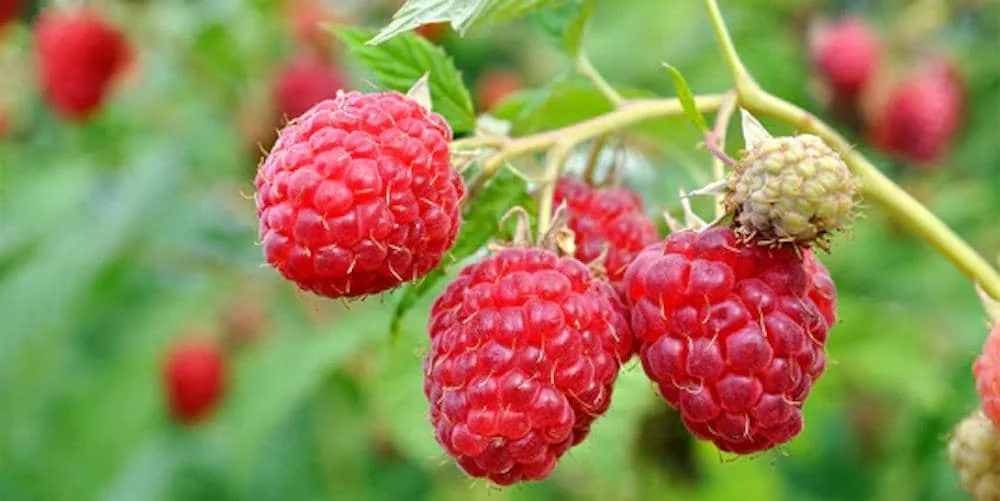
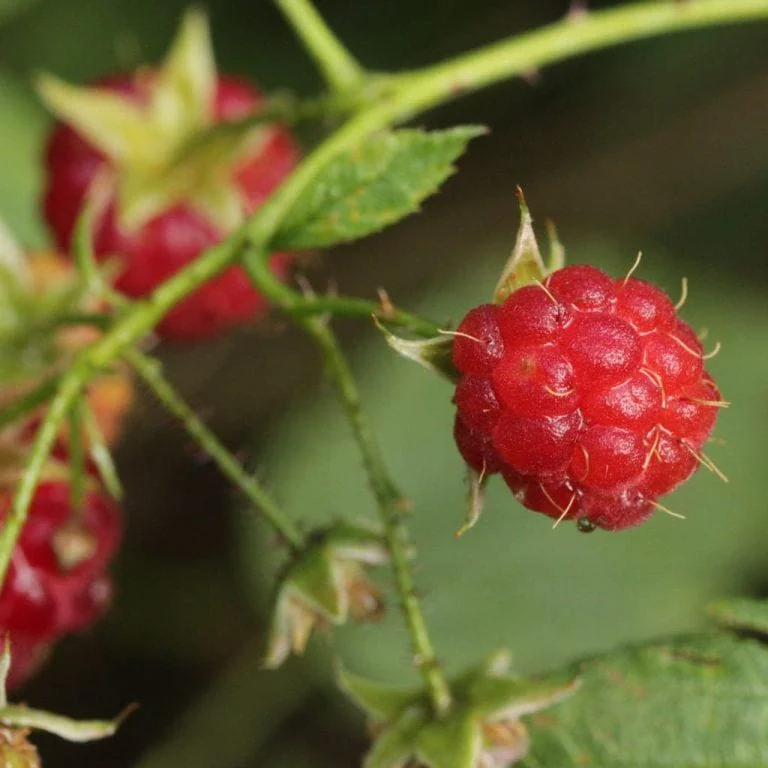
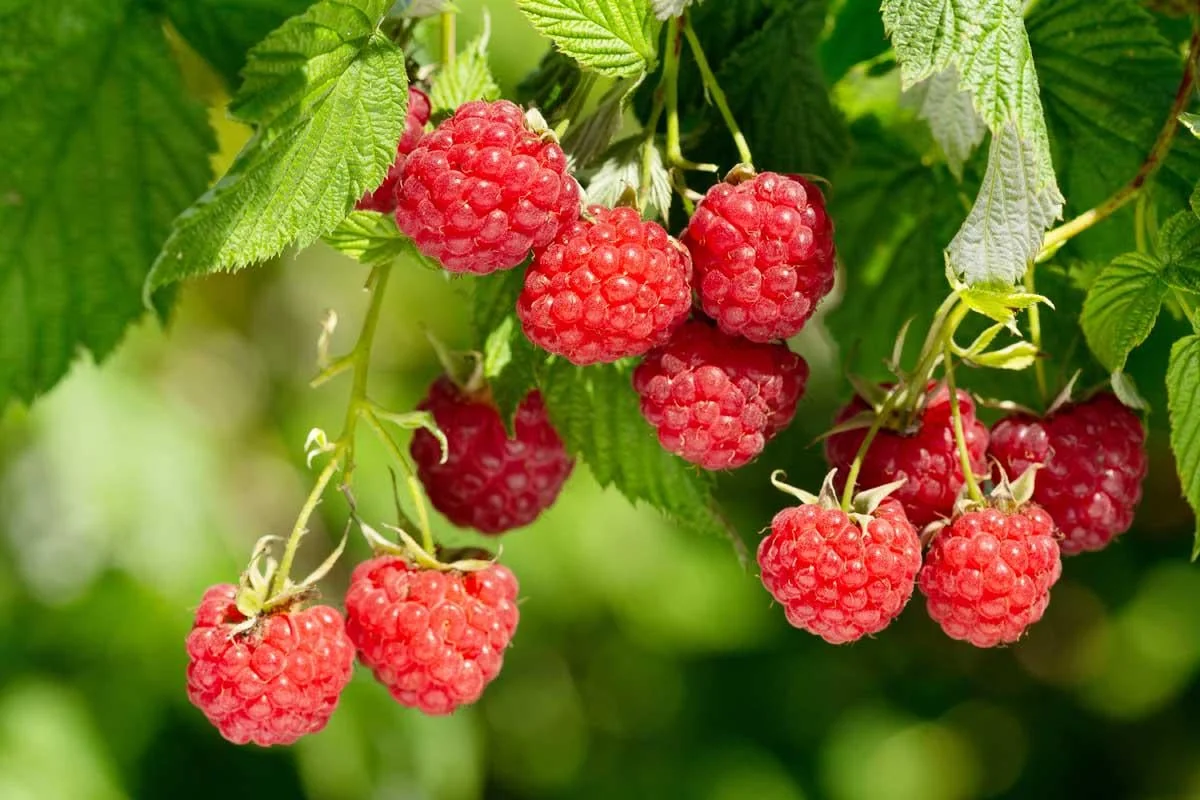
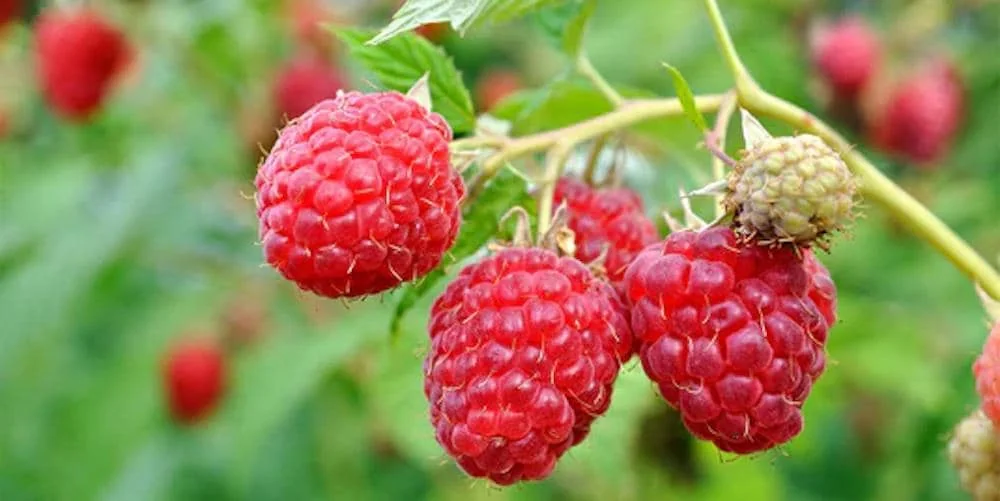
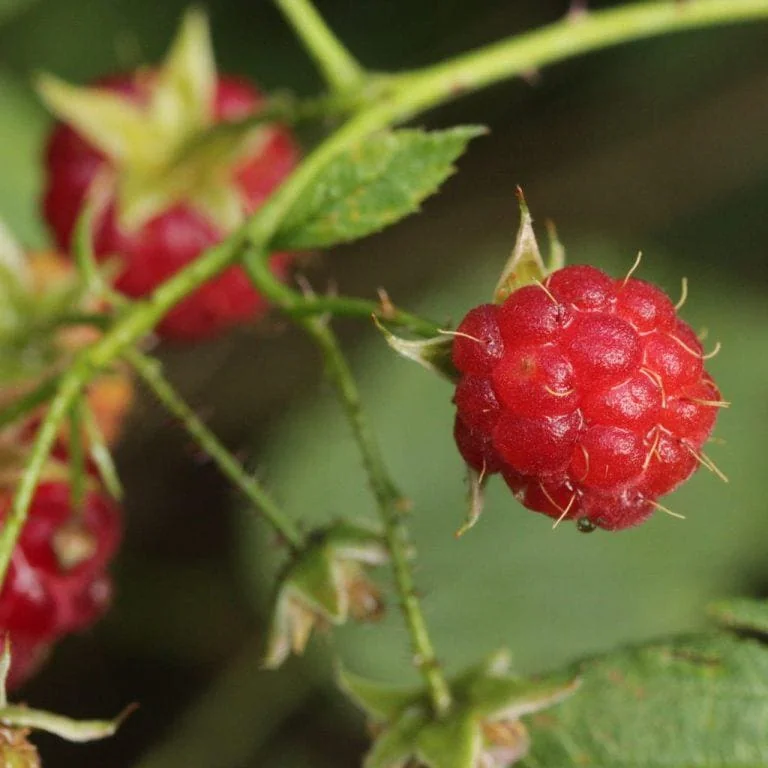
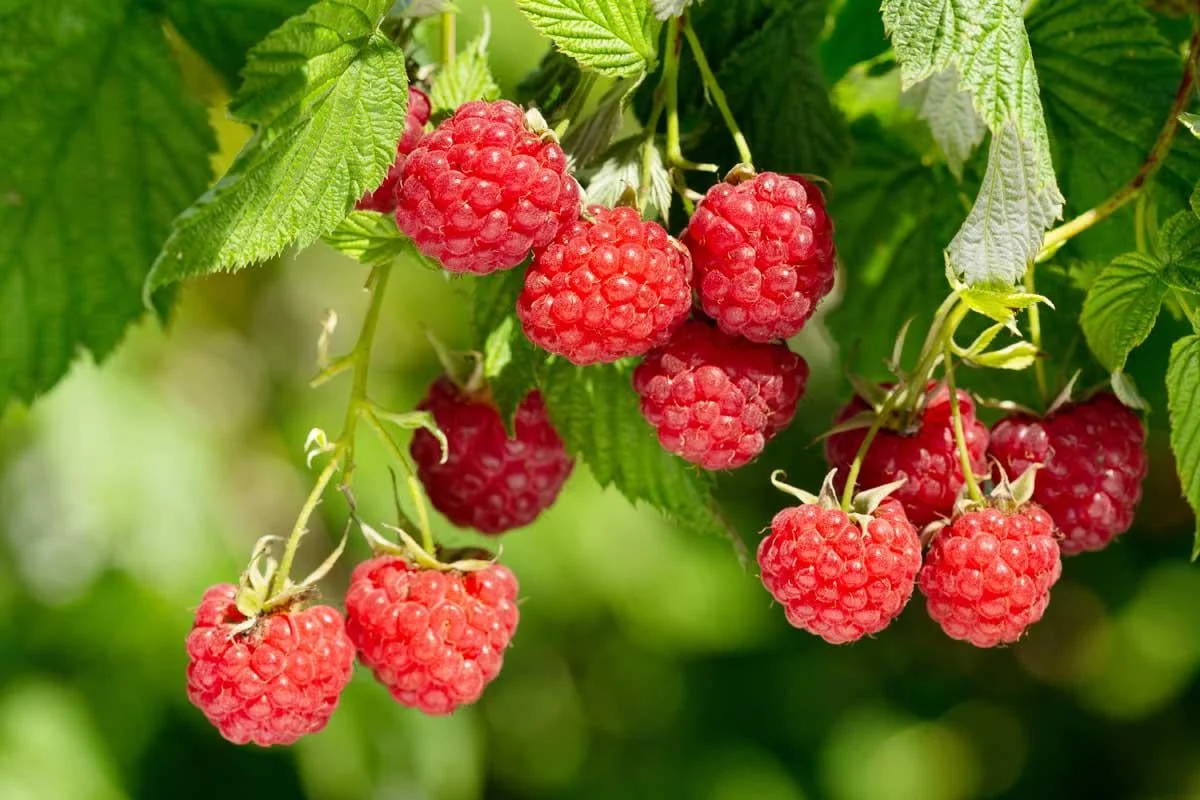
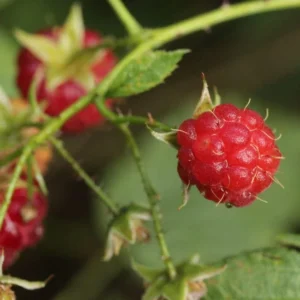
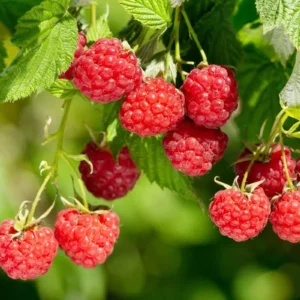
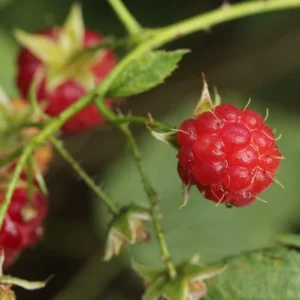
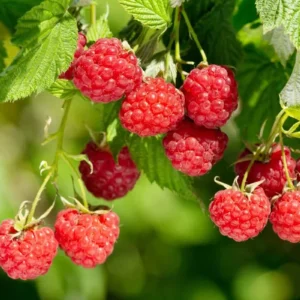
Experience the joy of harvesting your own sweet, juicy fruit with the September Red Raspberry plant. This exceptional variety, scientifically known as Rubus idaeus September Red, is a highly sought-after addition to any home garden, known for its remarkable cold hardiness and everbearing nature. Unlike many other raspberry types, the September Red produces two distinct crops each year: a lighter harvest in early summer (around July) and a more substantial, bountiful yield from late summer through fall (August to October). This extended fruiting period ensures a continuous supply of fresh raspberries for a longer season. Grown as a vigorous, upright shrub, it is a self-pollinating plant, making it a convenient choice for gardeners who may only have space for one plant. Whether you’re an experienced gardener or just starting, this robust live plant offers a rewarding and delicious experience.
The September Red Raspberry plant is particularly valued for its adaptability and resilience. It’s a fantastic option for those in northern climates, given its impressive cold tolerance. This bare root plant will establish quickly, developing into a productive shrub that not only provides delectable fruit but also adds a touch of natural beauty to your landscape. Get ready to enjoy fresh-picked raspberries right from your backyard!
Key Benefits
Adding the September Red Raspberry plant to your garden brings a multitude of advantages beyond just its delicious fruit. This variety is designed for success and enjoyment, offering both culinary delight and ease of cultivation:
- Extended Harvest Season: Enjoy two distinct crops of raspberries annually – a light summer harvest and a heavy fall harvest. This everbearing nature means fresh fruit for months, maximizing your yield from a single plant.
- Exceptional Cold Hardiness: Thriving in USDA hardiness zones 4 through 8, this raspberry is incredibly cold-tolerant, making it an ideal choice for a wide range of climates, especially those with harsh winters.
- Self-Pollinating Convenience: As a self-pollinating variety, you only need one plant to produce fruit, simplifying planting and ensuring a successful harvest even in smaller gardens.
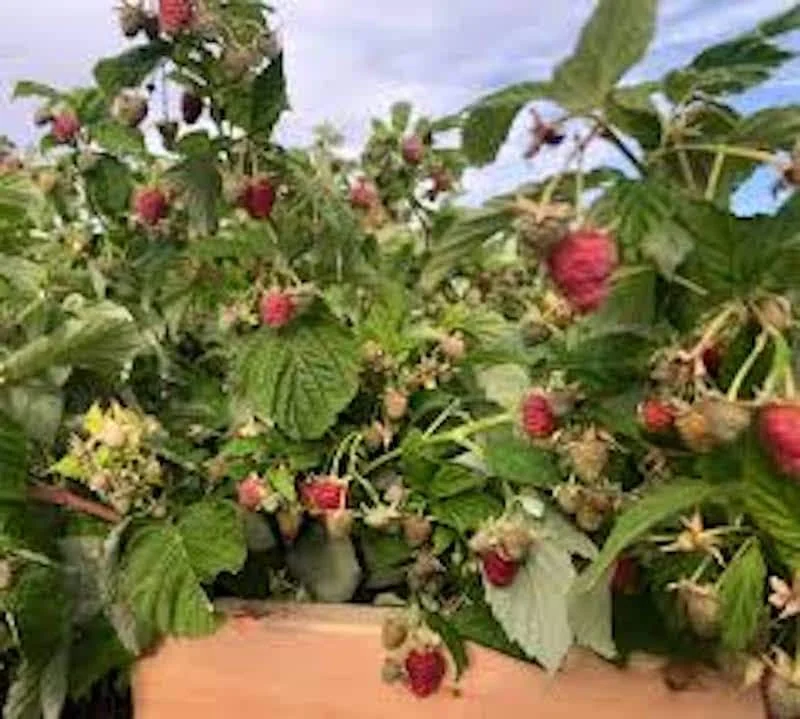
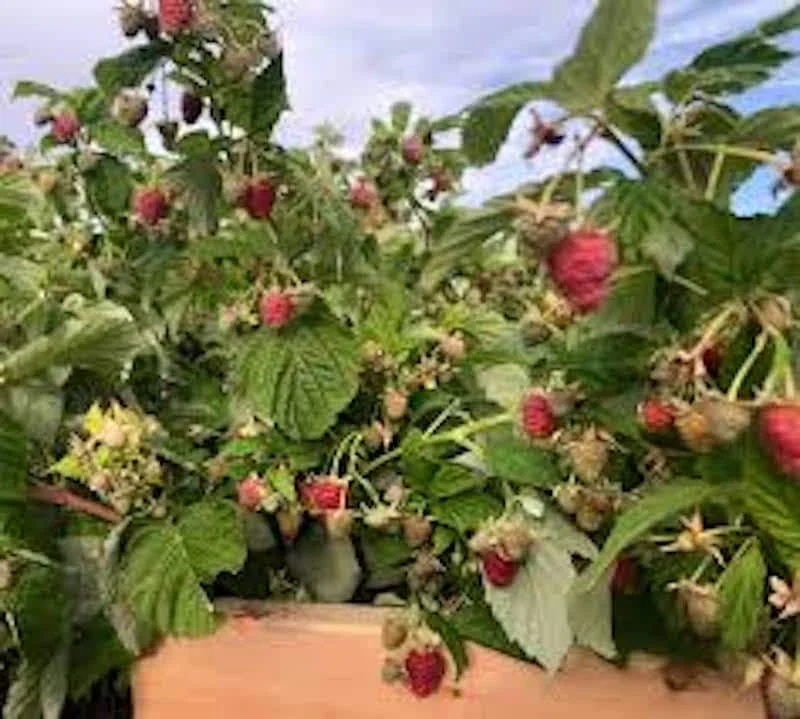
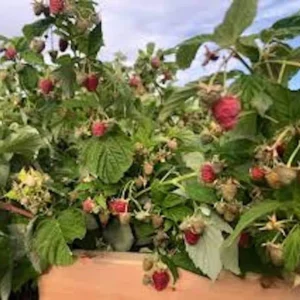
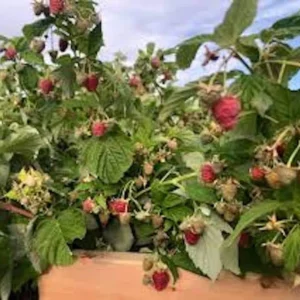
- Vigorous & Upright Growth: The plants develop into upright, bushy shrubs, typically reaching 3 to 5 feet tall and wide. This growth habit makes them relatively easy to manage and harvest.
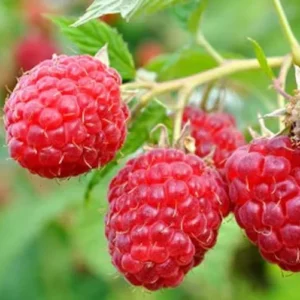
- Delicious & Versatile Fruit: The sweet red raspberries are perfect for fresh eating, baking, jams, jellies, or freezing. Having your own supply ensures the freshest, most flavorful berries.
- Low Maintenance: Once established, this cold hardy raspberry requires minimal ongoing care, making it suitable for gardeners of all experience levels looking for a productive yet easy-to-grow fruit.
- Attractive Garden Addition: Beyond its fruit, the vigorous green foliage and charming berries make it an attractive shrub that enhances the aesthetic appeal of your garden or edible landscape.
Plant Care & Growing Tips
Caring for your September Red Raspberry plant is straightforward, ensuring a bountiful harvest with proper attention. These plants thrive in full sun, meaning they need at least 6-8 hours of direct sunlight per day for optimal fruit production. Ensure they are planted in well-draining soil that is rich in organic matter. A slightly acidic to neutral pH (6.0-7.0) is ideal. Before planting, amend your soil with compost or well-rotted manure to improve fertility and drainage. When you receive your bare root plant, soak the roots in water for a few hours before planting.
Watering is crucial, especially during establishment and fruiting periods. Keep the soil consistently moist but never waterlogged. Deep watering once or twice a week, depending on weather conditions, is generally sufficient. Reduce watering during dormancy. Fertilize in early spring with a balanced slow-release fertilizer or a granular fertilizer formulated for berries. Pruning is essential for maximizing yields. For everbearing varieties like the everbearing raspberry, you can choose to prune for one large fall crop or two smaller crops. For two crops, prune only the tips of canes that have fruited in the fall, allowing them to produce a second crop in early summer. For a single, larger fall crop, cut all canes down to the ground in late winter or early spring. Monitor for common raspberry pests and diseases, and address them promptly with organic or appropriate treatments. This Rubus idaeus September Red is impressively resilient, but good cultural practices will maintain its health and productivity.
Size & Details
This offering is for a September Red Raspberry plant provided as a bare root starter plug. Bare root plants are shipped without soil or a pot, which allows for easier transplanting and often results in more robust growth once established. This method ensures the plant focuses its energy on root development in its new home. Upon planting, the vigorous cold hardy raspberry shrub will quickly establish itself and develop into an upright, bushy form. Mature plants typically reach a height of 3 to 5 feet and spread equally wide, creating a substantial and productive footprint in your garden. With proper care, you can expect the first light crop in July, followed by the main, heavy crop from August through October. The grow red raspberries experience will be greatly enhanced by the plant’s robust growth.
Frequently Asked Questions
- Q: How big does this September Red Raspberry plant get? A: The September Red Raspberry plant typically grows to an upright, bushy size of 3 to 5 feet tall and 3 to 5 feet wide, making it a manageable shrub for most garden spaces.
- Q: What condition will the plant arrive in? A: Your everbearing raspberry will arrive as a bare root starter plug, meaning it will be shipped without soil or a pot. This is a common and effective method for establishing fruit plants.
- Q: Is this an indoor or outdoor plant? A: This is an outdoor plant, specifically a fruiting shrub designed to thrive in garden settings. It requires full sun exposure and is best suited for planting directly in the ground or a very large container outdoors.
- Q: How much sunlight does it need? A: The September Red Raspberry plant requires full sun, meaning at least 6 to 8 hours of direct sunlight per day, to produce the best fruit yields.
- Q: Is this plant easy to care for? A: Yes, once established, this cold hardy raspberry is relatively low-maintenance. Key care involves proper watering, annual fertilization, and appropriate pruning for optimal fruit production.
- Q: When is the best time to plant this bare root raspberry? A: The best time to plant bare root raspberries is typically in early spring, after the danger of hard frost has passed, allowing the plant ample time to establish its root system before the growing season.
- Q: Will it survive winter in my zone? A: Yes, the September Red Raspberry is known for its excellent cold hardiness and thrives in USDA hardiness zones 4 through 8, making it suitable for many northern climates.
- Q: How long until it produces fruit? A: While you might get a small crop in the first year, significant fruit production from your Rubus idaeus September Red typically begins in the second year after planting, with two crops per season thereafter.
- Q: Can I grow red raspberries in a container? A: While possible, raspberries prefer to spread in the ground. If growing in a container, choose a very large pot (at least 20-gallon capacity), ensure excellent drainage, and be diligent with watering and feeding.
- Q: Is this variety self-pollinating? A: Yes, the September Red Raspberry plant is self-pollinating, meaning you only need one plant to successfully produce fruit.


Reviews
There are no reviews yet.