Overview
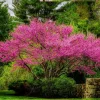
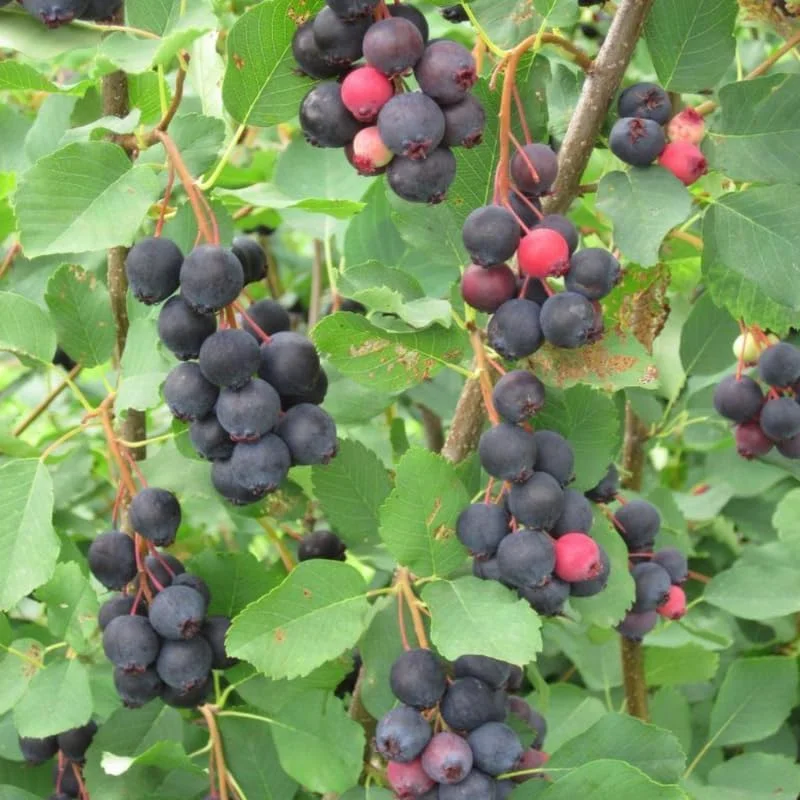
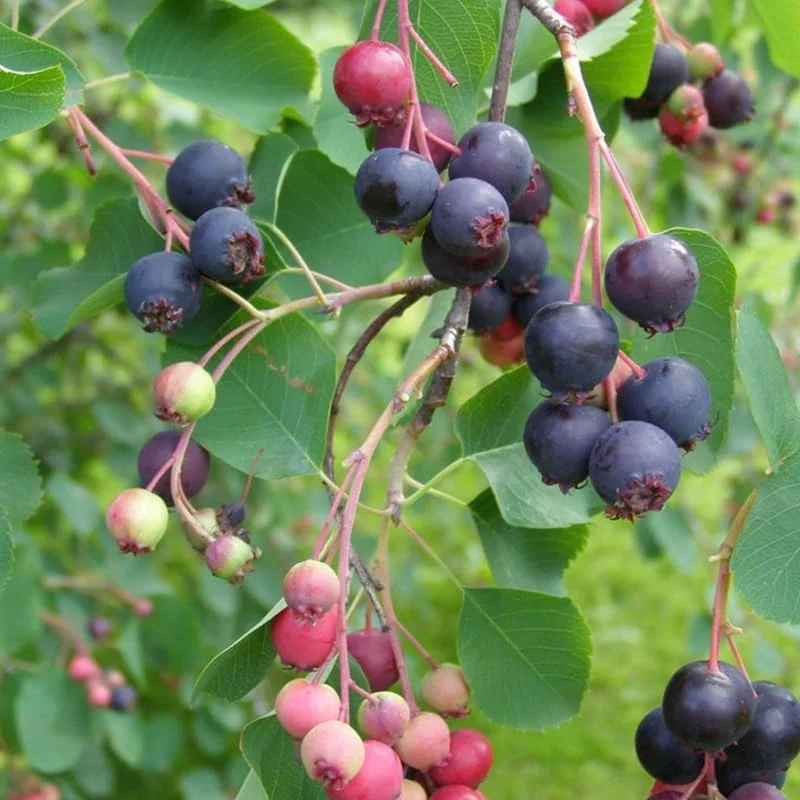
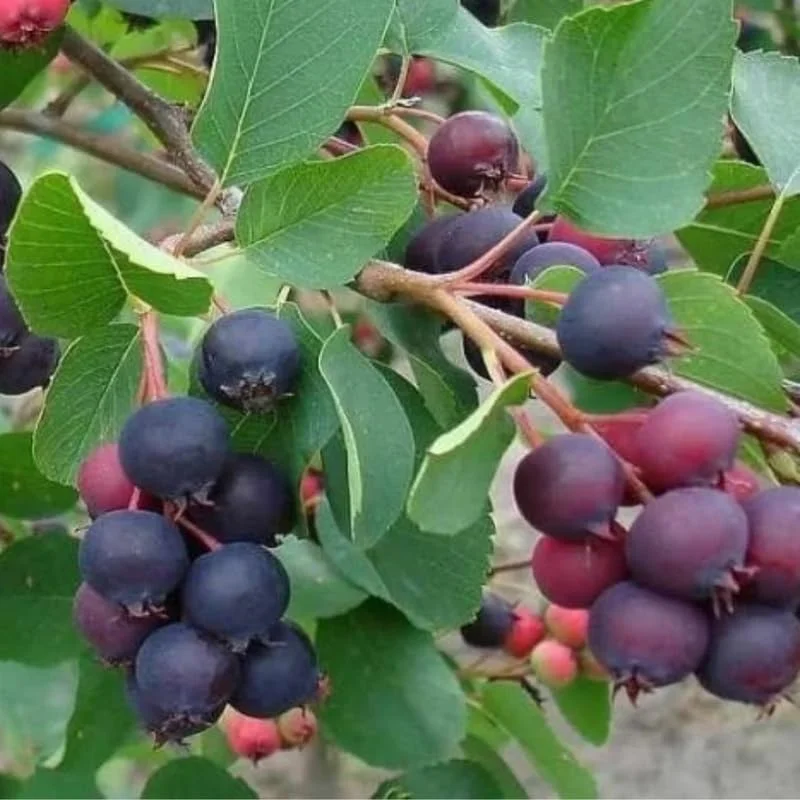
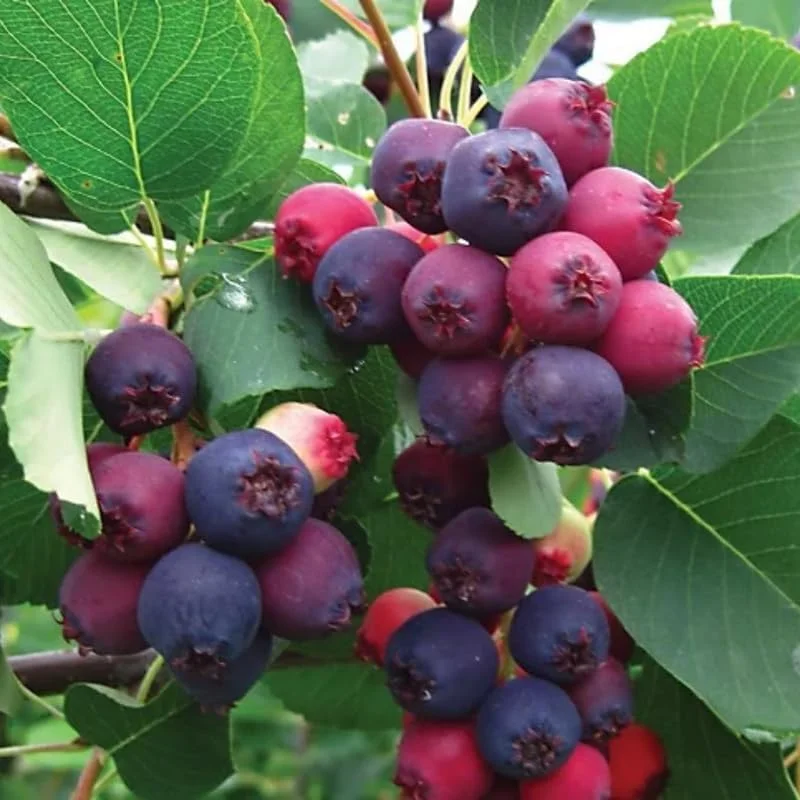
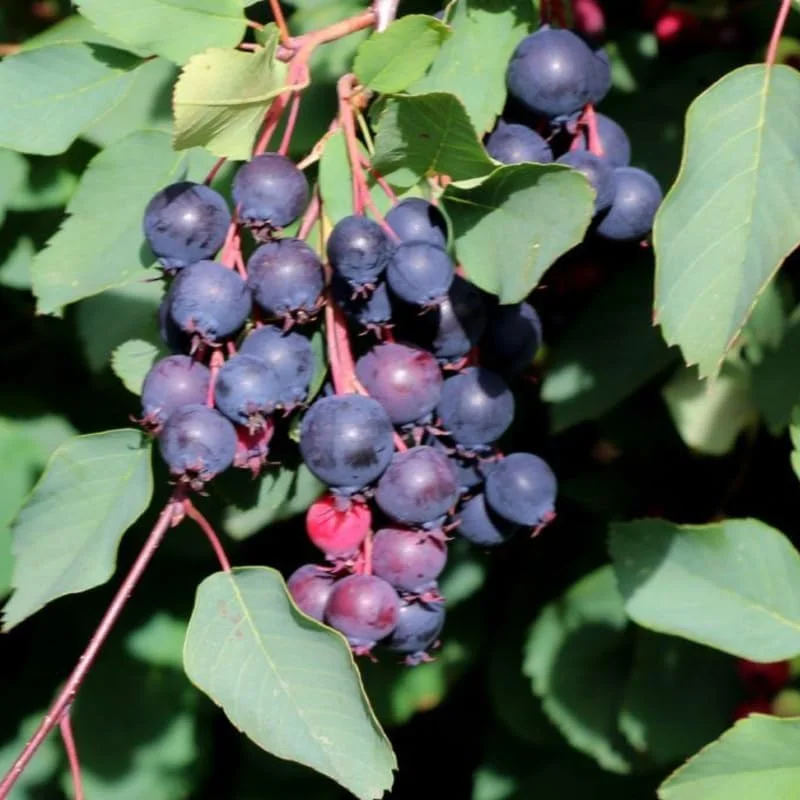
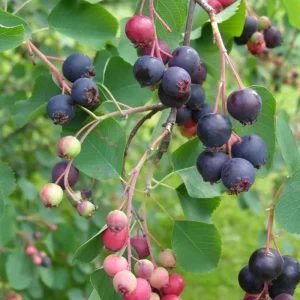
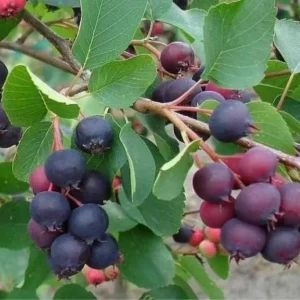
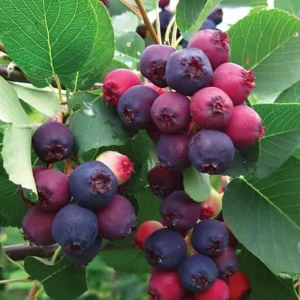
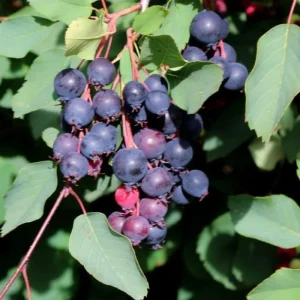
Introduce a touch of natural elegance and year-round interest to your landscape with this beautiful serviceberry tree live plant. Serviceberry trees, also known by their botanical name Amelanchier, are deciduous trees renowned for their four-season appeal. In early spring, the branches are adorned with delicate white flowers, providing a stunning visual display. These blossoms are soon followed by small, sweet, blue-purple berries in early summer, which are both delicious for human consumption and a favorite among local wildlife. As the seasons progress, the foliage transforms into breathtaking shades of orange, red, and gold, offering a spectacular autumn show. This hardy berry tree is delivered as a 12-18 inch plant in a quart pot, ready to establish itself in your garden and provide years of beauty and bounty.
Key Benefits
The serviceberry tree live plant offers a multitude of benefits, making it an excellent addition to almost any landscape. Its versatility and low-maintenance nature ensure it will be a cherished part of your outdoor space.
- Seasonal Beauty: Enjoy a continuous display of natural beauty throughout the year, from white spring flowers to vibrant fall colors. This tree provides visual interest in every season.
- Edible & Wildlife-Friendly Berries: The sweet, blue-purple berries ripen in early summer, perfect for fresh eating, jams, or attracting birds and other wildlife, enhancing your garden’s ecosystem.
- Compact & Versatile Size: Typically reaching 15-25 feet tall, this tree is well-suited for various garden settings, including small yards, urban landscapes, or as part of mixed borders.
- Cold-Hardy & Adaptable: Thriving in USDA Zones 4-9, the amelanchier tree is remarkably cold-hardy and can adapt to a wide range of soil types and moisture levels once established.
- Low-Maintenance: Once rooted, this tree requires minimal care, making it an ideal choice for gardeners seeking a beautiful yet easy-to-manage plant. Its long-lived nature ensures lasting enjoyment.
- Excellent Fall Foliage: Experience a vibrant autumn spectacle as the leaves turn brilliant shades of orange, red, and gold, adding a dramatic flair to your landscape.
- Perfect for Serviceberry for Gardens: Whether you’re looking for an ornamental tree, a source of fruit, or a plant to attract pollinators and birds, the serviceberry fits perfectly into diverse garden designs.
Plant Care & Growing Tips
Caring for your serviceberry tree live plant is straightforward, ensuring it thrives and provides years of enjoyment. This hardy tree is known for its resilience and adaptability, making it suitable for various growing conditions. For optimal growth, plant your serviceberry in an area that receives full sun, meaning at least six hours of direct sunlight per day. While it tolerates some partial shade, full sun promotes the best flowering and fruiting.
Regarding soil, the serviceberry is not overly particular but prefers well-drained soil. It can adapt to a range of soil types, including sandy, loamy, or clay soils, as long as they are not waterlogged. Moderate watering is essential, especially during the establishment phase. Once the tree is established, it becomes quite drought-tolerant, though consistent moisture during dry spells will benefit fruit production. The serviceberry plant care routine is minimal; fertilize sparingly in spring with a balanced, slow-release fertilizer if your soil is poor. Pruning should be done in late winter or early spring to remove any dead, damaged, or crossing branches, and to maintain desired shape and size.
This hardy berry tree is incredibly robust, thriving in USDA Zones 4-9, demonstrating excellent cold-hardiness. It can withstand a wide range of temperatures, making it a reliable choice for many climates. While generally disease-resistant, keep an eye out for common issues like powdery mildew or rust, which can be managed with good air circulation and appropriate fungicides if necessary. With proper care, your amelanchier tree will flourish, providing beauty, fruit, and wildlife habitat for decades.
Size & Details
Your new serviceberry tree live plant arrives as a healthy, young specimen, measuring between 12-18 inches in height. It is carefully grown and shipped in a quart-sized pot, ensuring its root system is well-established for successful transplanting into your garden. During late fall and winter, it is natural for the plant to be dormant and leafless, which is a normal part of its growth cycle and does not indicate an unhealthy plant. This is the ideal time for planting as the tree can focus its energy on root development before spring.
These trees typically reach a mature height of 15-25 feet with a spread of 10-15 feet, making them a versatile choice for various landscape designs. They have a moderate growth rate and are long-lived, providing many years of enjoyment. The tree’s size upon arrival makes it easy to handle and plant, and with proper care, it will quickly establish itself and begin to showcase its beautiful seasonal attributes, making it an excellent choice for serviceberry for gardens.
Frequently Asked Questions
- Q: How big does this plant get? A: This serviceberry tree live plant typically reaches a mature height of 15-25 feet and a spread of 10-15 feet. It’s a moderate-sized tree suitable for many garden spaces.
- Q: What size pot does it come in? A: The serviceberry plant is shipped in a quart-sized pot, providing a well-established root system for successful planting upon arrival.
- Q: Is this an indoor or outdoor plant? A: The serviceberry tree is an outdoor plant, best suited for gardens, landscapes, and mixed borders where it can receive adequate sunlight and space to grow.
- Q: How much sunlight does it need? A: For best results, the hardy berry tree requires full sun exposure, meaning at least 6 hours of direct sunlight per day. It can tolerate partial shade but may have reduced flowering and fruiting.
- Q: Is this plant easy to care for? A: Yes, once established, the serviceberry tree is considered low-maintenance and long-lived. Basic serviceberry plant care involves occasional watering and minimal pruning.
- Q: What condition will it arrive in? A: Your serviceberry tree will arrive as a live plant in a quart pot. During late fall and winter, it will be dormant and leafless, which is normal for this deciduous tree.
- Q: When is the best time to plant? A: Serviceberry trees can be planted in spring or fall. If planting in fall, ensure you do so several weeks before the first hard frost to allow roots to establish.
- Q: Will it survive winter in my zone? A: This amelanchier tree is cold-hardy and thrives in USDA Zones 4-9, making it suitable for a wide range of climates and able to withstand winter conditions in those zones.
- Q: Can the berries be eaten? A: Yes, the small, blue-purple berries produced in early summer are sweet and edible. They can be enjoyed fresh, used in pies, jams, or left for local wildlife.
- Q: What kind of soil does it prefer? A: The serviceberry tree prefers well-drained soil but is adaptable to various soil types, including sandy, loamy, and clay, as long as drainage is adequate.


Reviews
There are no reviews yet.