Overview
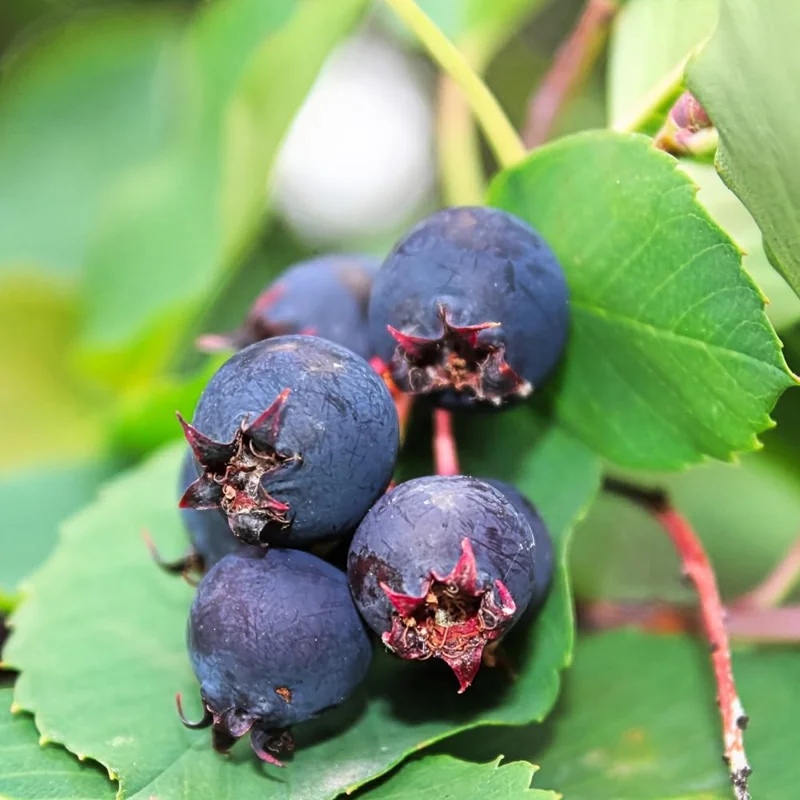
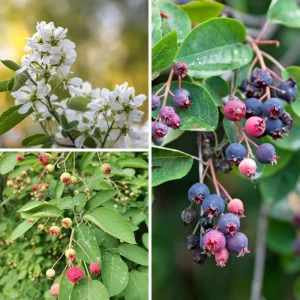
Bring the beauty and bounty of nature to your garden with this exceptional serviceberry tree live plant. Known botanically as Amelanchier, the serviceberry is a versatile and attractive deciduous tree or large shrub celebrated for its early spring blooms, delicious edible berries, and vibrant fall foliage. This particular specimen is a healthy, well-rooted live plant, measuring between 12 to 18 inches in height, making it an ideal size for successful transplanting and establishment in your garden. Perfect for those looking to enhance their outdoor space with a plant that offers multi-seasonal interest and provides a source of tasty fruit, this serviceberry tree live plant is ready to thrive. Whether you’re an experienced gardener or just starting, adding an amelanchier tree can transform your landscape.
Key Benefits
The serviceberry tree live plant offers a wealth of benefits, making it a superb choice for a variety of garden settings. From its aesthetic appeal to its practical uses, this plant is a true garden gem.
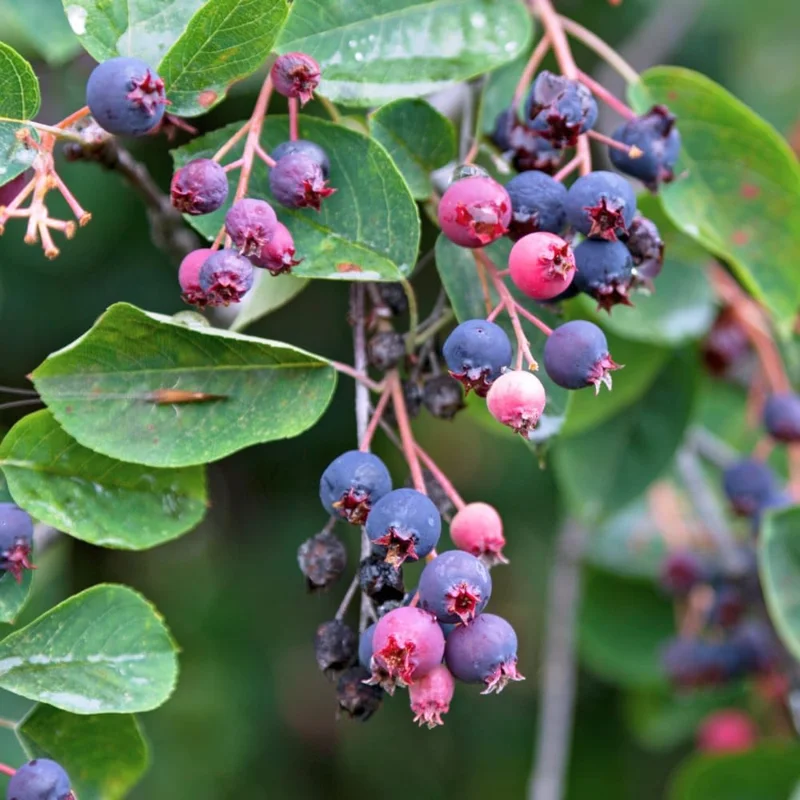
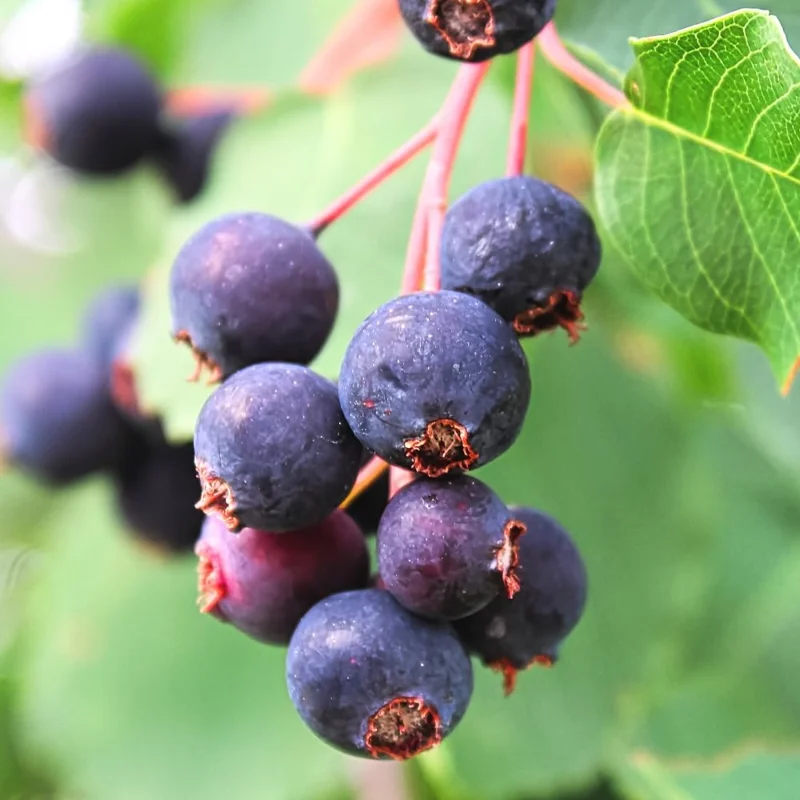
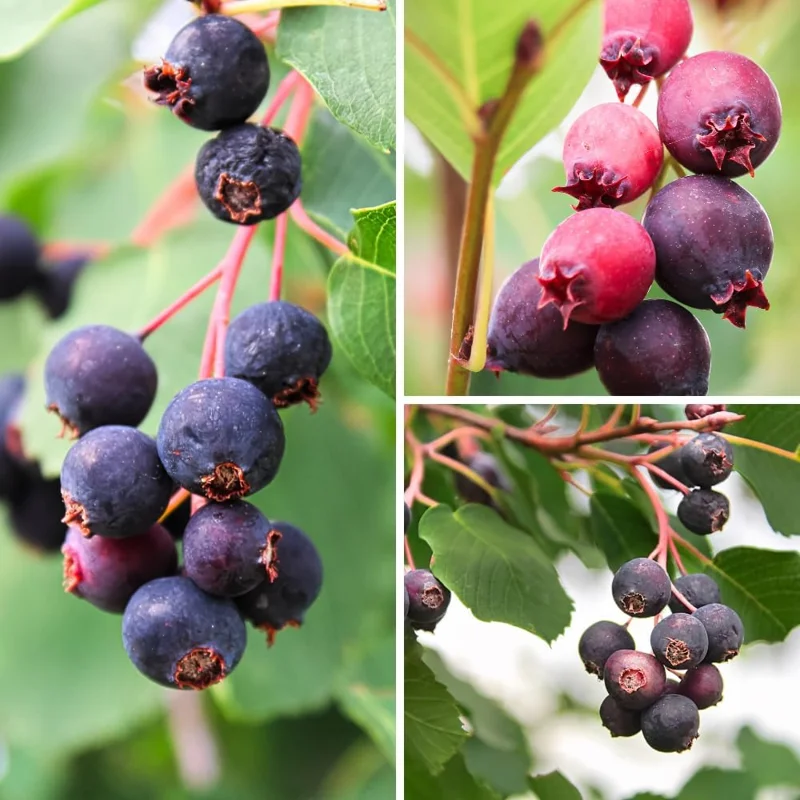
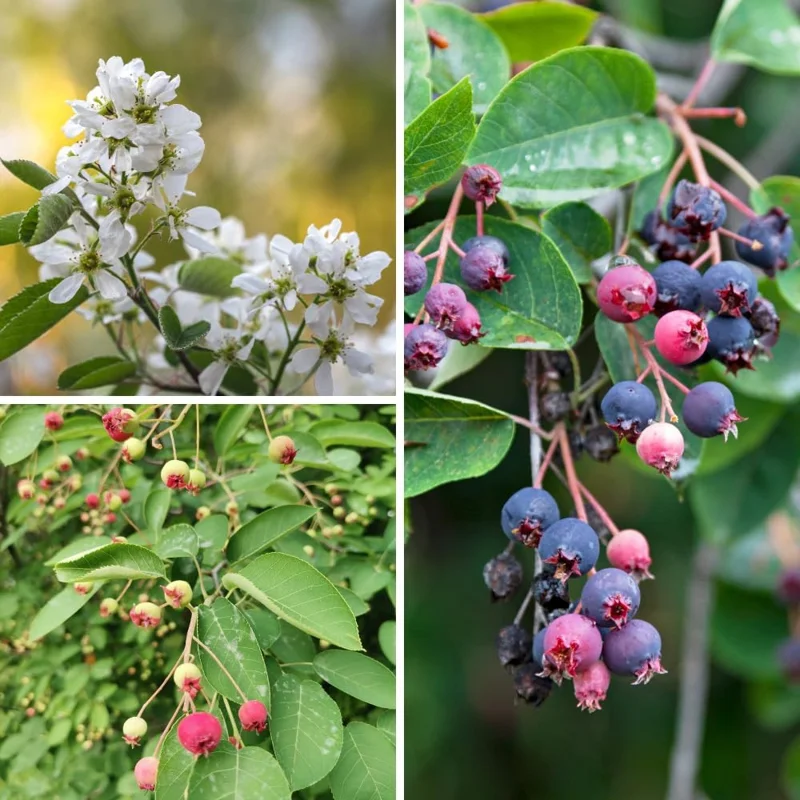
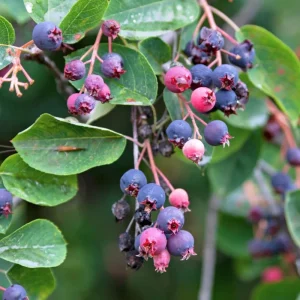
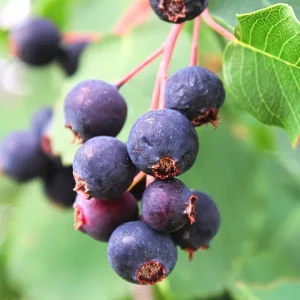
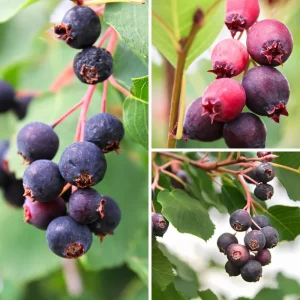
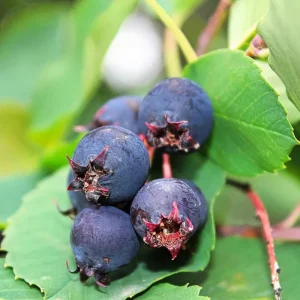
- Edible & Delicious Berries: Enjoy a harvest of small, sweet, and juicy berries that can be eaten fresh, used in pies, jams, and jellies, or shared with local wildlife. These berries ripen in late spring to early summer, providing a delightful treat.
- Stunning Ornamental Value: This tree boasts delicate white flowers in early spring, attractive green foliage throughout summer, and brilliant orange-red fall colors. It provides visual interest across multiple seasons, enhancing your garden’s curb appeal.
- Wildlife Attraction: The berries are a favorite food source for birds and other small wildlife, making your garden a lively habitat. The flowers also attract pollinators, contributing to local biodiversity.
- Adaptable & Resilient: Serviceberry trees are known for their hardiness and ability to adapt to a range of soil types and light conditions, thriving in USDA zones 4-9. This makes them a reliable choice for many climates.
- Manageable Size: While maturing to 15-25 feet tall, its rounded form makes it suitable for various landscape designs, from specimen planting to use in naturalized areas or mixed borders.
- Low Maintenance: Once established, the serviceberry tree live plant requires minimal care, making it an excellent option for gardeners seeking beauty without constant upkeep.
- Drought Tolerance: It exhibits moderate drought tolerance once established, reducing the need for frequent watering in drier periods.
Plant Care & Growing Tips
Caring for your serviceberry tree live plant is straightforward, ensuring a healthy and productive addition to your garden. To ensure your tree flourishes, understanding its basic needs is key. This amelanchier tree prefers full sun exposure, meaning at least 6 hours of direct sunlight per day, but it can also tolerate partial shade. While partial shade is acceptable, full sun will encourage the best berry production and most vibrant fall color. Ensure the planting location has adequate air circulation to prevent fungal issues.
When it comes to soil, serviceberry trees are quite adaptable but perform best in evenly moist, well-drained soil. Avoid heavy clay soils that retain too much water or extremely sandy soils that drain too quickly. A slightly acidic to neutral pH (6.0-7.0) is ideal. Upon planting, water thoroughly to settle the soil around the roots. During its first year, consistent watering is crucial, especially during dry spells, to help the root system establish. Once established, it is moderately drought-tolerant but will benefit from supplemental watering during prolonged dry periods. Fertilize in early spring with a balanced, slow-release granular fertilizer formulated for trees and shrubs. Follow the product instructions for application rates.
This berry tree for garden is hardy in USDA zones 4-9, making it suitable for a wide range of climates. Pruning is generally minimal, focusing on removing dead, damaged, or crossing branches to maintain a healthy structure and shape. Prune in late winter or early spring before new growth emerges. Watch out for common pests like aphids or borers, and diseases such as powdery mildew or rust, treating them promptly with organic or chemical solutions if they appear. Providing proper care will ensure your how to grow serviceberry efforts result in a beautiful and fruitful tree for years to come.
Size & Details
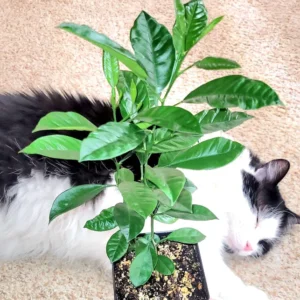
This offering is for one healthy serviceberry tree live plant, which measures approximately 12 to 18 inches in height from the top of the soil to the tip of the plant. It arrives well-rooted, typically in a nursery pot, ready for transplanting into your garden or a larger container. These plants are shipped dormant during winter months, which is a natural and healthy state for deciduous trees, ensuring a smooth transition to their new environment in spring. The mature size of a serviceberry tree can range from 15 to 25 feet tall with a rounded spread, depending on the specific variety and growing conditions. Expect a moderate growth rate, with berries appearing within a few years of planting. This serviceberry plant care guide will help you nurture it to its full potential.
The plant’s dimensions at maturity will provide excellent structure and interest to your landscape. It’s important to note that due to agricultural regulations, we are unable to ship this live plant to California (CA). Please confirm your USDA hardiness zone is within 4-9 for optimal growth. This berry tree for garden is a fantastic investment for long-term enjoyment and ecological benefit.
Frequently Asked Questions
- Q: How big does this serviceberry tree live plant get? A: This particular live plant is 12 to 18 inches tall upon arrival. When mature, serviceberry trees typically reach a height of 15 to 25 feet with a rounded canopy, making them a significant landscape feature.
- Q: Is this an indoor or outdoor plant? A: The serviceberry tree live plant is an outdoor plant, suited for garden beds, landscapes, or large outdoor containers where it can grow to its full mature size and thrive in natural light conditions.
- Q: How much sunlight does the serviceberry tree need? A: Serviceberry trees prefer full sun exposure, which means at least 6 hours of direct sunlight per day. They can tolerate partial shade, but full sun will result in the best flowering and berry production.
- Q: Is this plant easy to care for? A: Yes, serviceberry trees are generally considered low-maintenance once established. They are adaptable and resilient, making them a good choice for both experienced and novice gardeners looking for an amelanchier tree.
- Q: What condition will the serviceberry arrive in? A: Your serviceberry tree live plant will arrive well-rooted, typically in a nursery pot, and may be dormant if ordered during colder months. This dormant state is normal and healthy for deciduous plants.
- Q: How long until it produces berries? A: While the exact timeline can vary, serviceberry trees typically begin producing berries within 2 to 4 years after planting, given proper care and growing conditions.
- Q: What’s the best time to plant a serviceberry tree? A: The best time to plant a serviceberry tree is in early spring or fall when temperatures are moderate. This allows the plant to establish its root system before extreme heat or cold.
- Q: Will it survive winter in my zone? A: This serviceberry tree live plant is hardy in USDA zones 4-9, meaning it is well-equipped to survive winter temperatures within this range. Ensure your specific location falls within these zones.
- Q: What kind of soil does a serviceberry tree prefer? A: Serviceberry trees thrive in evenly moist, well-drained soil. They are tolerant of various soil types but prefer a slightly acidic to neutral pH. Good drainage is crucial for root health.
- Q: Can I use the berries in cooking? A: Absolutely! The small, sweet berries produced by the berry tree for garden are delicious and can be used in a variety of culinary applications, including jams, jellies, pies, muffins, or eaten fresh.


Reviews
There are no reviews yet.