Overview
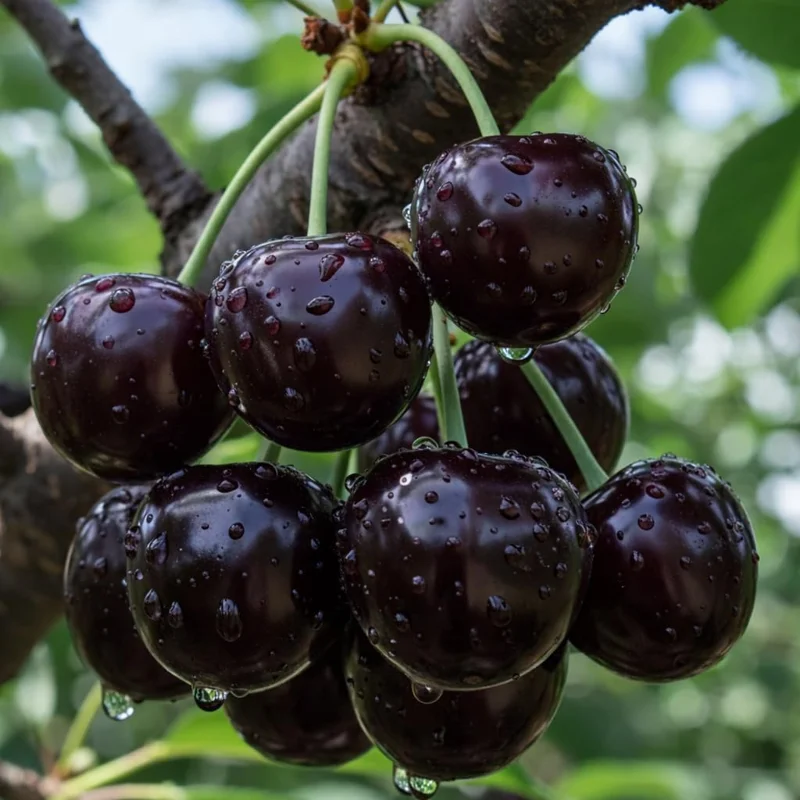
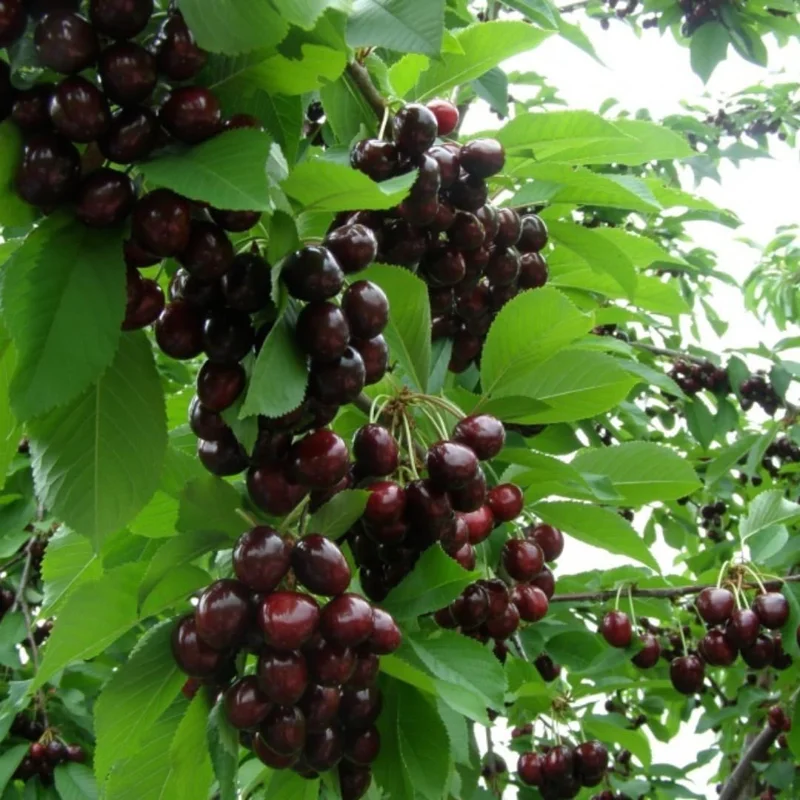
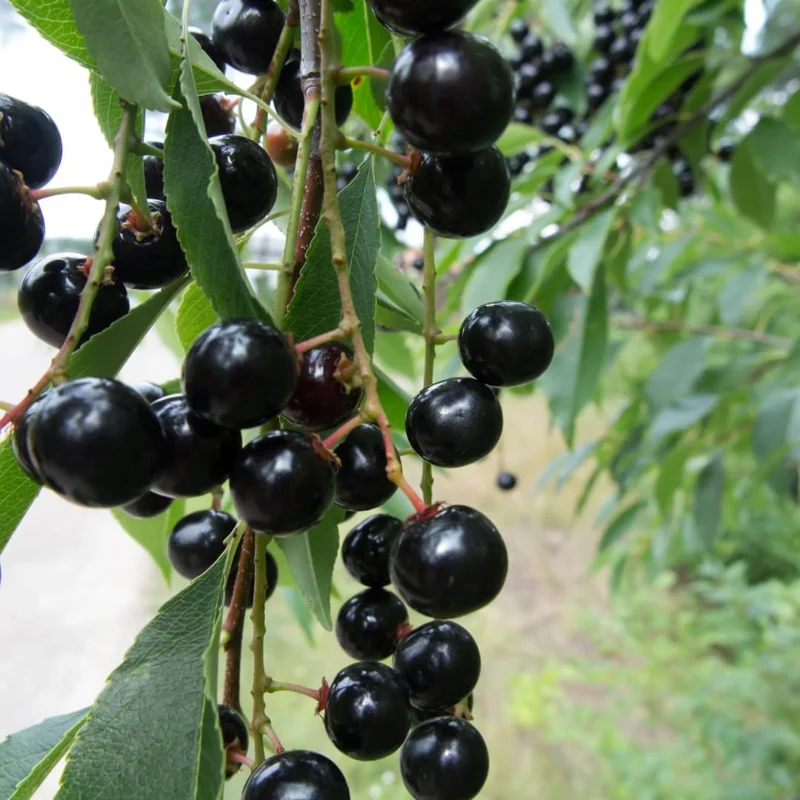
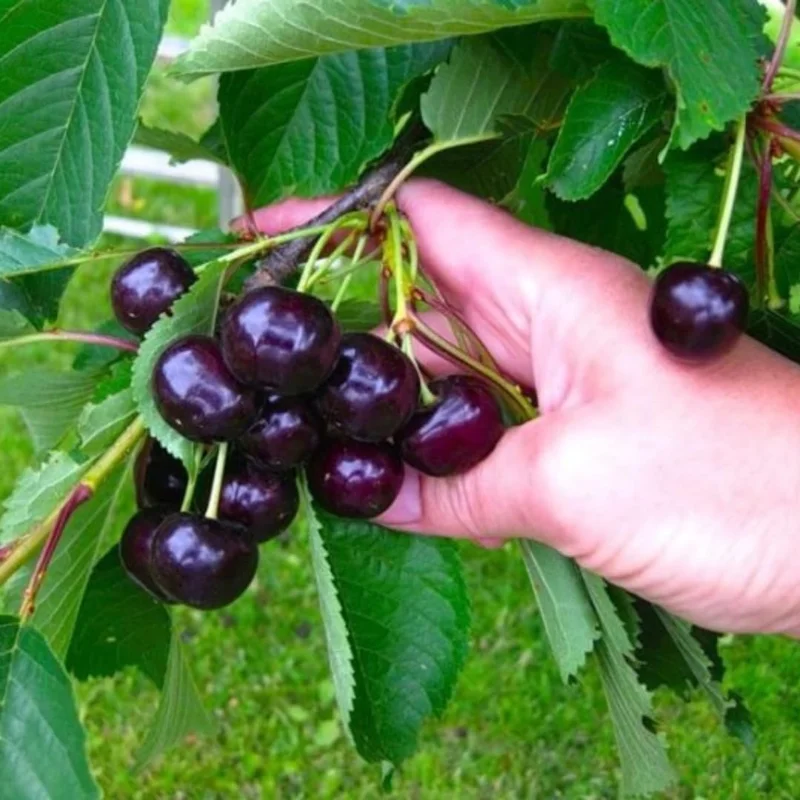
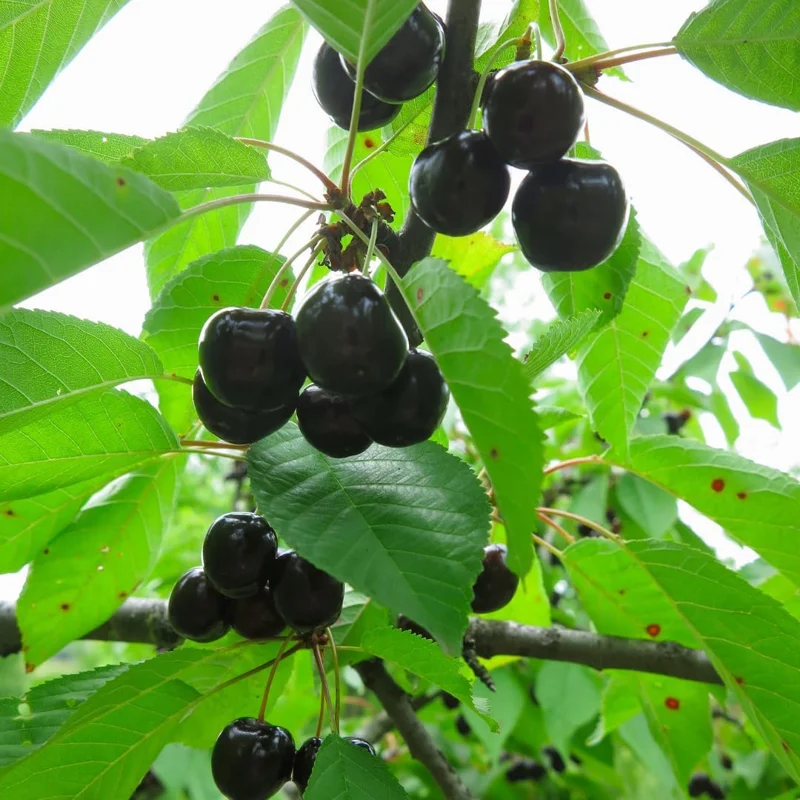
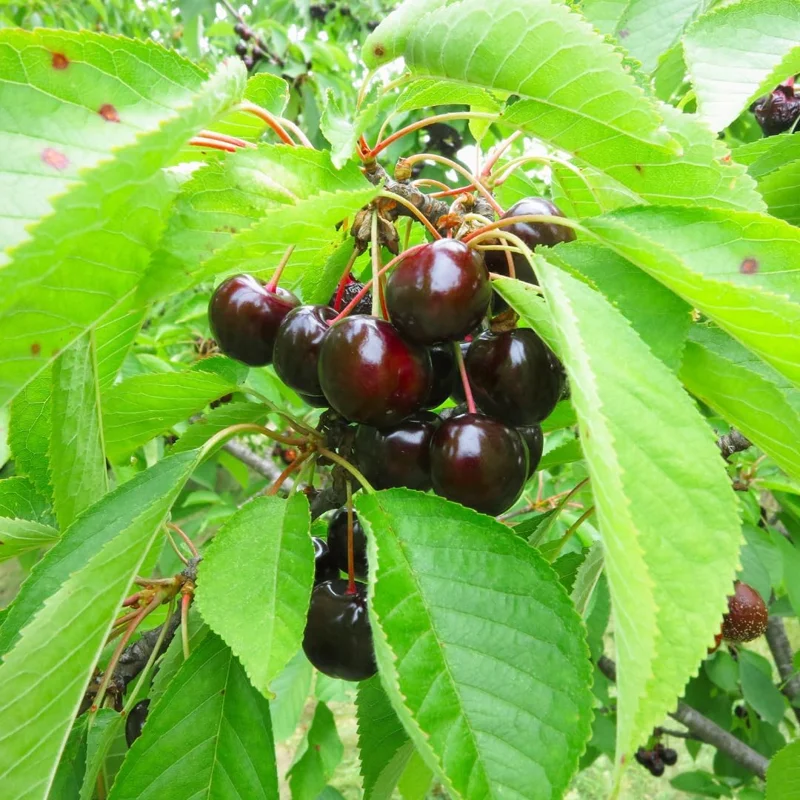
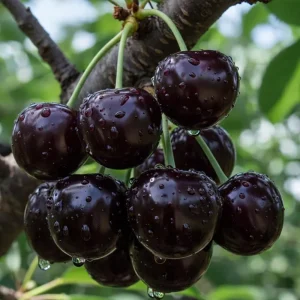
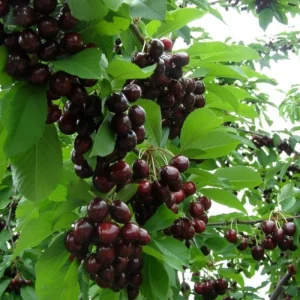
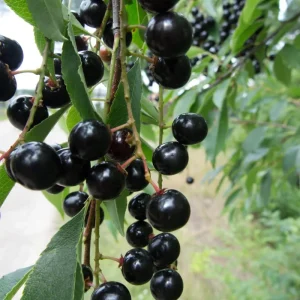
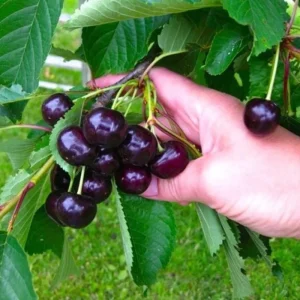
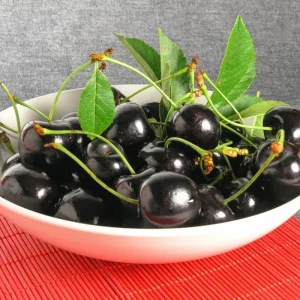
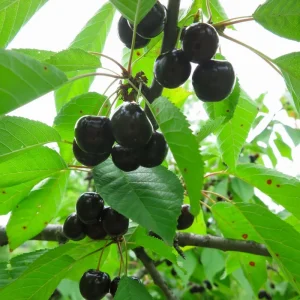
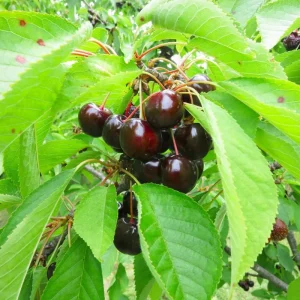
Bring the joy of fresh, homegrown fruit to your landscape with this exceptional set of two black cherry tree bare root plants. These dormant, 12-15 inch tall specimens are ready for immediate planting and promise a rewarding gardening experience. Known for their sweet, succulent fruit, black cherry tree varieties are a favorite among home gardeners and commercial growers alike. These cold-hardy perennial fruit trees are specifically selected to thrive in a wide range of climates, making them an excellent choice for many regions across the United States. Planting bare root trees offers several advantages, including ease of establishment and a strong start in your garden. Prepare to enjoy bountiful harvests of delicious black cherries for years to come.
Our black cherry tree plants are carefully packaged to ensure they arrive in prime condition, ready to be nurtured into thriving fruit-bearing trees. Whether you’re an experienced horticulturist or a budding gardener, these trees provide a fantastic opportunity to cultivate your own fruit supply. With proper care and attention, you’ll be able to harvest your very own sweet cherries, perfect for eating fresh, baking, or preserving. This set of two ensures you have a good start to establishing a productive cherry patch.
Key Benefits
Investing in a black cherry tree offers numerous advantages for your garden and your palate. These trees are not only productive but also add significant aesthetic value to your outdoor space.
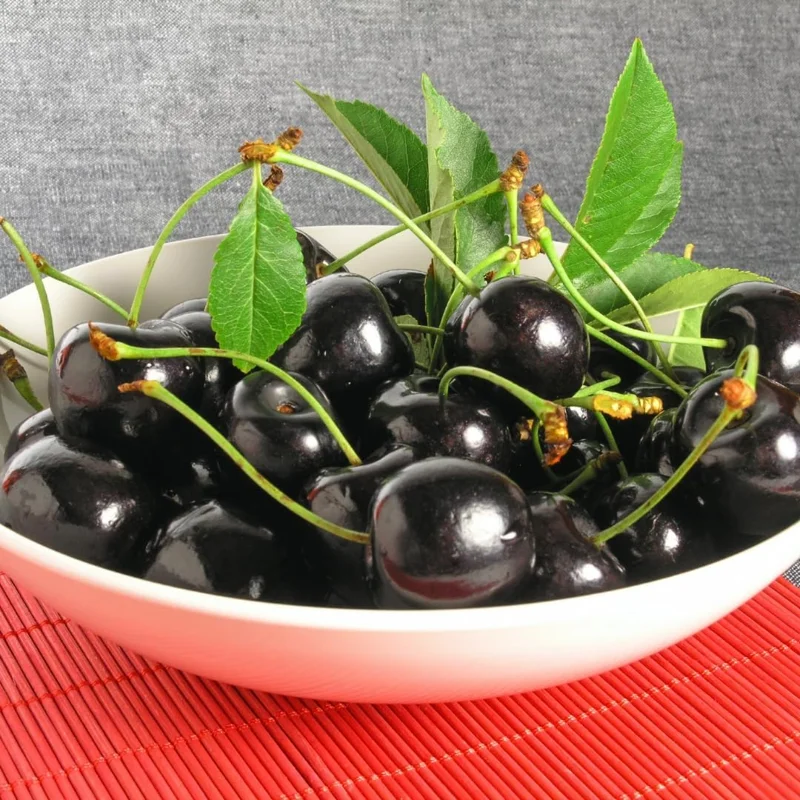
- Delicious Homegrown Fruit: Enjoy the unparalleled taste of fresh, sweet black cherries straight from your own garden. Perfect for snacking, pies, jams, and more, the flavor far surpasses store-bought options.
- Cold Hardy & Resilient: These perennial fruit trees are selected for their robust nature and ability to withstand cold temperatures, making them suitable for a wide range of USDA Hardiness Zones (3-9). This ensures a higher success rate in diverse climates.
- Attractive Landscape Addition: Beyond their fruit-bearing capabilities, black cherry tree plants develop into beautiful, mature trees that enhance the visual appeal of any yard or larger landscape with their seasonal foliage and blossoms.
- Environmental Benefits: Planting fruit trees contributes to local ecosystems, providing food and habitat for beneficial wildlife while also helping to improve air quality.
- Sustainable & Rewarding Hobby: Growing your own fruit is a deeply satisfying and sustainable practice, allowing you to control the quality and freshness of your produce. Watching your perennial cherry plant mature and bear fruit is incredibly rewarding.
- Excellent for Culinary Use: The sweet cherries produced are versatile in the kitchen, ideal for a variety of culinary creations from desserts to savory dishes, or simply enjoyed fresh off the branch.
- Long-Term Investment: A well-cared-for black cherry tree can produce fruit for many decades, offering a long-term return on your initial planting effort and providing a legacy for your garden.
Plant Care & Growing Tips
To ensure your black cherry tree thrives and produces abundant fruit, proper care is essential. These bare root plants require specific attention during establishment and ongoing maintenance. Upon arrival, soak the bare roots in water for a few hours before planting. Choose a site with well-draining soil and ample sunlight. Dig a hole wide enough to spread the roots comfortably and deep enough so the graft union (if present) is above the soil line. Backfill with soil, gently tamping down to remove air pockets, and water thoroughly.
Sunlight Exposure: Black cherry tree plants perform best in full sun, meaning at least 6-8 hours of direct sunlight per day. While they can tolerate partial sun, optimal fruit production and tree health are achieved with maximum sun exposure. Ensure they are not shaded by other large trees or buildings as they grow.
Watering & Soil: Consistent moisture is crucial, especially during the first few years as the tree establishes. Water deeply and regularly, ensuring the soil remains moist but not waterlogged. Moderate watering is recommended. These trees prefer well-draining, loamy soil with a slightly acidic to neutral pH (6.0-7.0). Avoid heavy clay soils that retain too much water, as this can lead to root rot. Amending the soil with compost can improve drainage and nutrient content.
Temperature & Hardiness: These are cold hardy fruit tree varieties suitable for USDA Hardiness Zones 3-9. They require a certain number of chill hours (periods of cold temperatures) during winter to properly set fruit. Protect young trees from extreme winter winds if you are in the colder end of their hardiness range. Fertilize in early spring with a balanced fruit tree fertilizer, following package directions. Prune your perennial cherry plant during late winter or early spring while it is dormant to shape the tree, remove dead or diseased branches, and encourage fruit production.
Size & Details
This offering includes a set of two sweet cherry bare root plants, each measuring approximately 12-15 inches tall upon arrival. These are dormant, juvenile trees, meaning they will have no leaves when they first arrive, indicating they are in their natural resting state, ideal for planting. Bare root plants are lightweight and easy to handle, allowing for quick establishment in your garden. The exact mature size of your black cherry tree will depend on variety, growing conditions, and pruning practices, but most sweet cherry trees can reach heights of 18-35 feet with a similar spread. They typically begin bearing fruit within 3-5 years after planting, with full production achieved in 7-10 years. These trees are shipped without soil or pots to minimize shipping stress and ensure a healthy start.
Frequently Asked Questions
- Q: How big will these black cherry trees get? A: A mature black cherry tree can typically reach heights of 18-35 feet and have a similar spread, depending on the specific variety, your local growing conditions, and how you prune it. Regular pruning can help manage its size.
- Q: What condition will the bare root plants arrive in? A: Your sweet cherry bare root plants will arrive dormant, meaning they will not have leaves. This is a normal and healthy state for bare root trees, indicating they are ready for planting and will begin to leaf out when conditions are right.
- Q: How much sunlight does a black cherry tree need? A: For optimal growth and fruit production, a black cherry tree requires full sun exposure, which means at least 6-8 hours of direct sunlight per day. While they can tolerate partial sun, fruit yield may be reduced.
- Q: Is this an indoor or outdoor plant? A: These are outdoor fruit trees. They require the natural seasonal cycles, including a period of winter dormancy, to thrive and produce fruit. They are not suitable for indoor cultivation.
- Q: When is the best time to plant these bare root cherry trees? A: The best time to plant sweet cherry bare root trees is in early spring, after the last hard frost but before the trees begin to leaf out significantly. This allows them to establish roots before the heat of summer.
- Q: How long until these trees start producing fruit? A: Typically, you can expect these cold hardy fruit tree plants to start bearing fruit within 3-5 years after planting. Full production will generally be achieved around 7-10 years.
- Q: What USDA Hardiness Zones are suitable for this perennial cherry plant? A: These perennial cherry plant varieties are cold hardy and suitable for USDA Hardiness Zones 3-9, making them adaptable to a wide range of climates across the United States.
- Q: What kind of soil is best for black cherry trees? A: Black cherry tree plants prefer well-draining, loamy soil with a slightly acidic to neutral pH (6.0-7.0). Good drainage is crucial to prevent root rot.
- Q: How often should I water my newly planted bare root cherry trees? A: During the first year of establishment, water your sweet cherry bare root trees deeply and regularly, ensuring the soil stays consistently moist but never waterlogged. Once established, they are more tolerant of moderate watering.
- Q: Are these trees self-pollinating or do I need more than one? A: While some cherry varieties are self-fertile, many sweet cherries benefit from cross-pollination to achieve the best fruit set. Having two trees, especially from different but compatible varieties, can significantly increase your yield, making this set of two an ideal choice.


Reviews
There are no reviews yet.