Overview
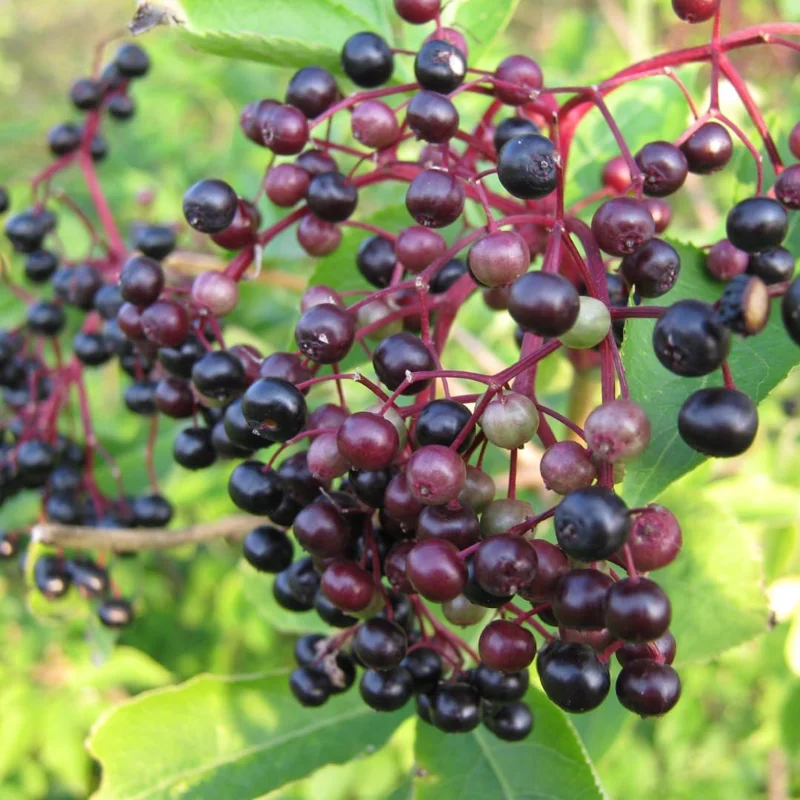
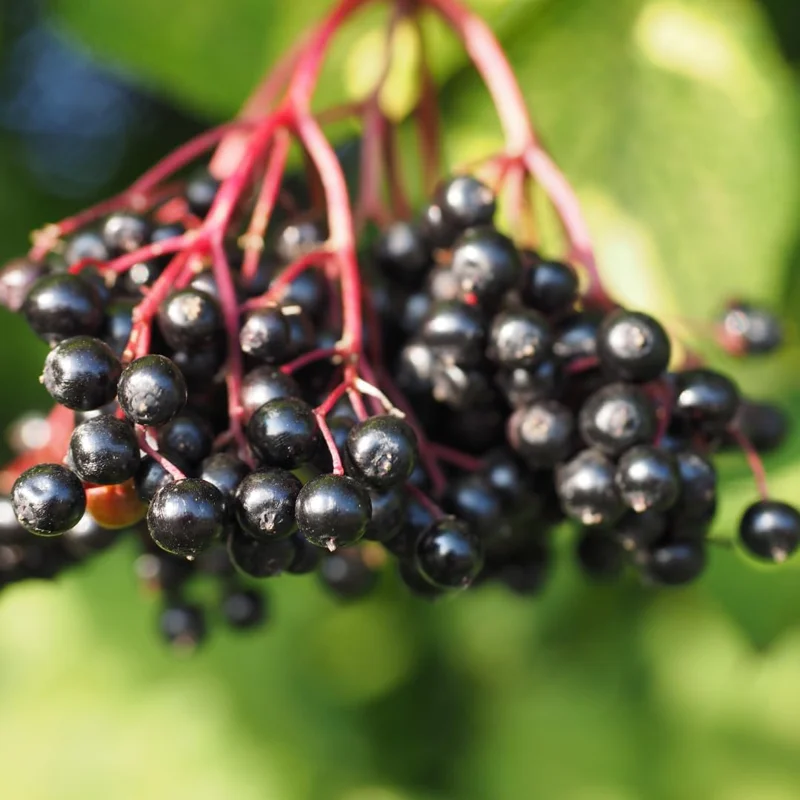
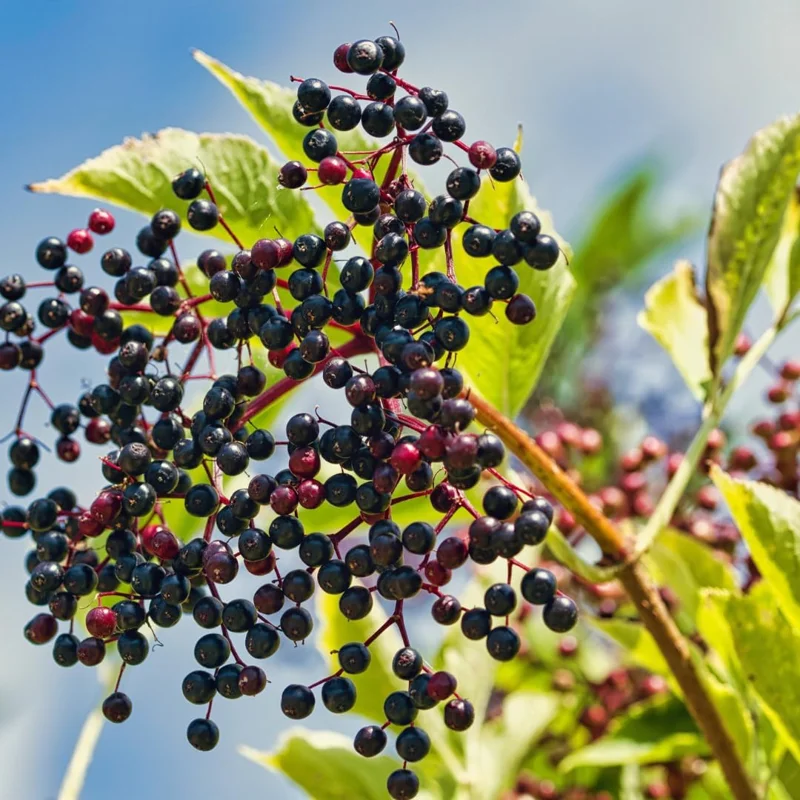
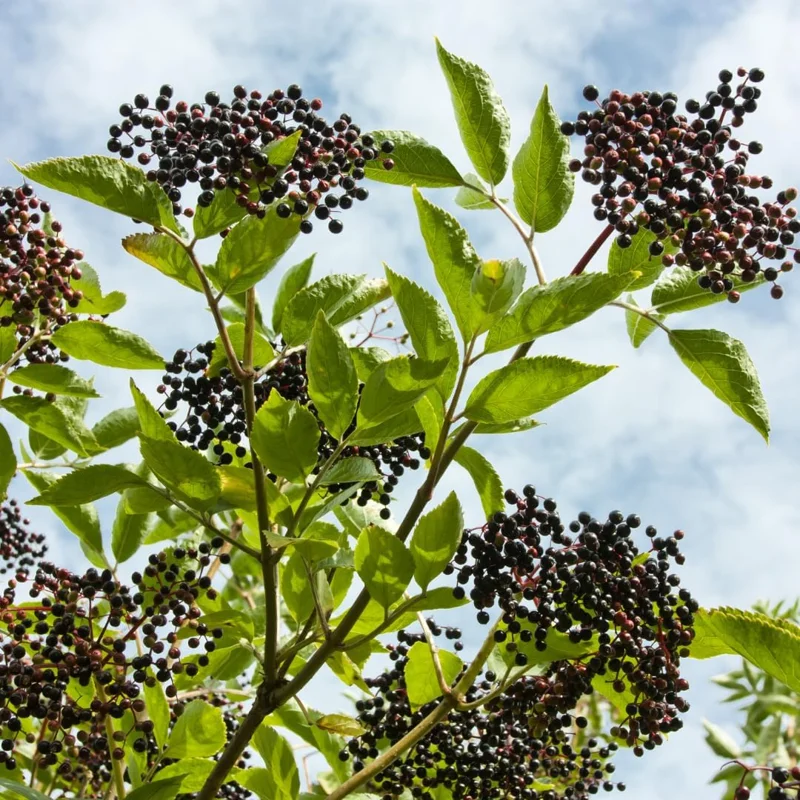
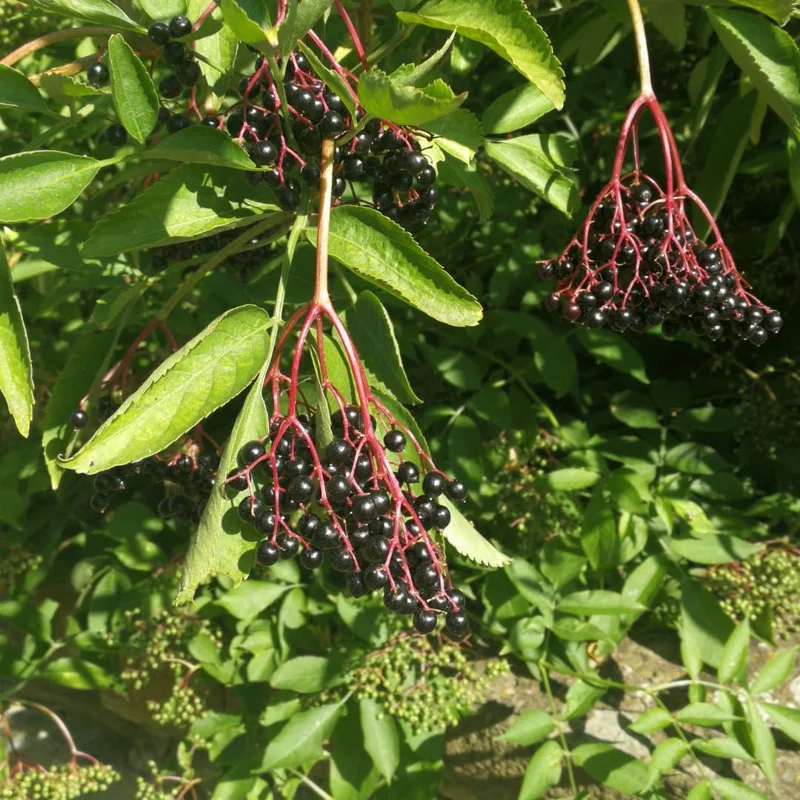
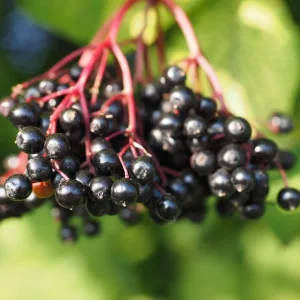
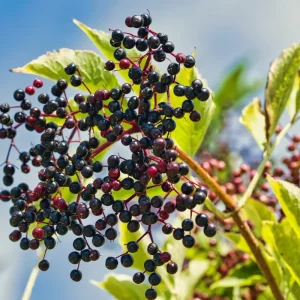
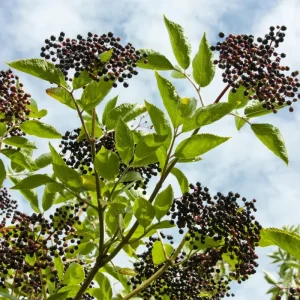
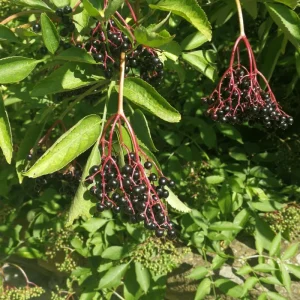
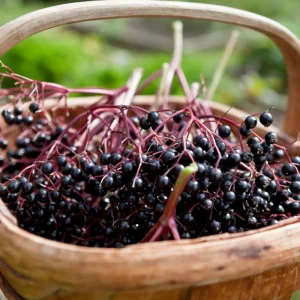
Embark on your gardening journey with this exceptional elderberry live plant offering. You will receive a set of two vibrant black elderberry rooted cuttings, each measuring between 8 and 12 inches tall, perfectly prepared for successful outdoor cultivation. Elderberries, scientifically known as Sambucus nigra, are renowned for their attractive foliage, delicate white flower clusters, and, most notably, their nutrient-rich dark purple berries. These versatile plants are a fantastic addition to any garden, providing both ornamental beauty and a bountiful harvest of fruit. Whether you’re an experienced horticulturist or a budding gardener, these black elderberry cuttings offer an accessible entry point into growing your own edible landscape. They are a robust and resilient choice, promising years of growth and delicious yields.
Key Benefits
Adding an elderberry live plant to your garden provides numerous advantages, from aesthetic appeal to practical benefits. These plants are a rewarding investment for any outdoor space.
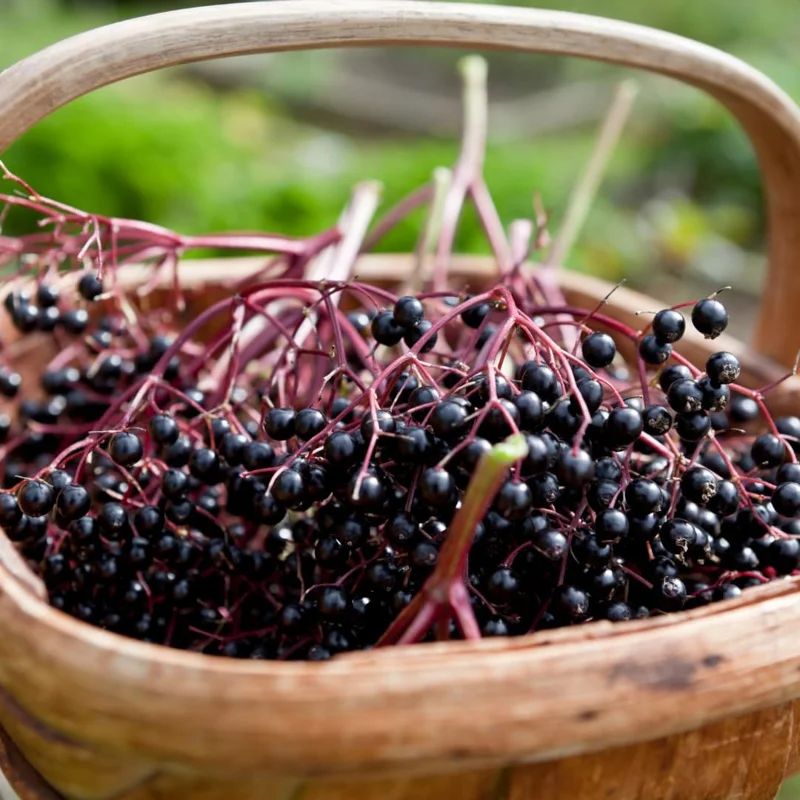
- Productive Fruit Yield: Enjoy a generous harvest of dark, antioxidant-rich elderberries, perfect for making jams, jellies, pies, or elderberry syrup. Growing your own ensures the freshest, most natural ingredients for your culinary creations.
- Attractive Landscape Addition: With their lush green foliage, delicate white flower clusters in spring, and dark berries in late summer, elderberry plants provide year-round visual interest, enhancing the beauty of your garden.
- Drought Tolerant: Once established, these elderberry plants exhibit good drought tolerance, making them a low-maintenance option for various climates and reducing the need for frequent watering.
- Adaptable to Various Zones: Suitable for USDA Hardiness Zones 3-9, these plants are incredibly versatile and can thrive in a wide range of temperate environments across the United States, making them a popular choice for many gardeners.
- Supports Local Wildlife: The flowers attract pollinators like bees and butterflies, while the berries provide a food source for birds, contributing to a healthy and vibrant ecosystem in your backyard. This makes growing elderberry a great way to support biodiversity.
- Easy to Grow: These rooted cuttings are ready to plant and establish quickly, making the process of growing elderberry straightforward even for beginners. With minimal care, they will flourish and produce fruit.
- Potential for Medicinal Uses: Elderberries have a long history of use in traditional medicine, particularly for their immune-boosting properties. Having a supply of fresh berries allows you to explore these benefits.
Plant Care & Growing Tips
To ensure your elderberry live plant thrives, proper care and attention to its specific needs are essential. These plants are generally hardy, but understanding their preferences will lead to a more successful harvest. Elderberries prefer a location that receives full sun to partial shade, meaning at least 6 hours of direct sunlight per day for optimal fruit production, though they can tolerate some afternoon shade in hotter climates. They are adaptable to a variety of soil types but perform best in moist, well-drained soil rich in organic matter. Avoid planting in areas where water tends to collect, as elderberries do not like consistently wet feet.
Watering is crucial during the establishment phase. Keep the soil consistently moist but not waterlogged for the first year after planting. Once established, elderberry plants are surprisingly drought tolerant, but supplemental watering during prolonged dry spells will benefit fruit production. Fertilize in early spring with a balanced, all-purpose fertilizer or a layer of compost around the base of the plant. Pruning is best done in late winter or early spring while the plant is dormant. Remove any dead, damaged, or weak canes, and thin out older, less productive stems to encourage new growth and better fruit yields. You’ll find that elderberry plant care is quite manageable.
These plants are suitable for USDA Zones 3-9, meaning they can withstand a wide range of winter temperatures. In colder zones, ensure they have sufficient mulch around the base for winter protection. While generally robust, keep an eye out for common pests like aphids or diseases like powdery mildew, which can usually be managed with organic sprays or proper air circulation. With these guidelines, your fruit producing plants will flourish and provide a continuous supply of delicious berries.
Size & Details
This offering includes a set of two individual elderberry live plant rooted cuttings. Each cutting measures approximately 8 to 12 inches in height upon arrival, providing a substantial start for your garden. These cuttings are specifically chosen for their robust root systems, ensuring a higher success rate when planted. When fully mature, black elderberry plants can reach an impressive height of 6 to 10 feet and spread equally wide, forming a large shrub or small tree. They have a moderately fast growth rate, allowing you to see significant development in just a few years. The plants are shipped as bare-root or minimal soil rooted cuttings, ready for immediate planting in your chosen outdoor location. Expect your elderberry plants to typically begin producing fruit within 2-3 years, with yields increasing as they mature. These are excellent fruit producing plants for sustainable gardening.
Frequently Asked Questions
- Q: How big does this elderberry live plant get? A: When fully mature, these elderberry plants can reach a height of 6-10 feet and spread equally wide, forming a substantial shrub. Their size can be managed with annual pruning.
- Q: Is this an indoor or outdoor plant? A: These are outdoor plants. Elderberry live plant varieties thrive in garden settings, requiring ample space and natural light to produce fruit effectively.
- Q: How much sunlight does an elderberry plant need? A: Elderberries prefer full sun to partial shade. For the best fruit production, aim for at least 6 hours of direct sunlight per day.
- Q: Is this plant easy to care for? A: Yes, elderberry plants are relatively easy to care for, especially once established. They are known for their hardiness and drought tolerance, making elderberry plant care suitable for gardeners of all experience levels.
- Q: What condition will the black elderberry cuttings arrive in? A: You will receive two healthy, rooted cuttings, each 8-12 inches tall. They are carefully packaged to ensure they arrive in good condition, ready for planting.
- Q: When is the best time to plant elderberry cuttings? A: The best time to plant these black elderberry cuttings is typically in spring after the last frost, or in early fall before the ground freezes, allowing them ample time to establish their root system.
- Q: Will these elderberry plants survive winter in my zone? A: These elderberry plants are suitable for USDA Hardiness Zones 3-9, meaning they are well-equipped to handle a wide range of winter temperatures in most of the United United States.
- Q: Can I use the fruit from these elderberry plants for culinary purposes? A: Absolutely! The berries from these fruit producing plants are excellent for making jams, jellies, pies, wines, and syrups. Ensure berries are cooked before consumption.
- Q: What kind of soil is best for growing elderberry? A: Elderberries prefer moist, well-drained soil that is rich in organic matter. They can tolerate various soil types but avoid heavy, waterlogged conditions.
- Q: How long until I get berries from my elderberry live plant? A: You can typically expect your elderberry plants to start producing berries within 2-3 years after planting, with yields increasing significantly as the plants mature.


Reviews
There are no reviews yet.