
Overview
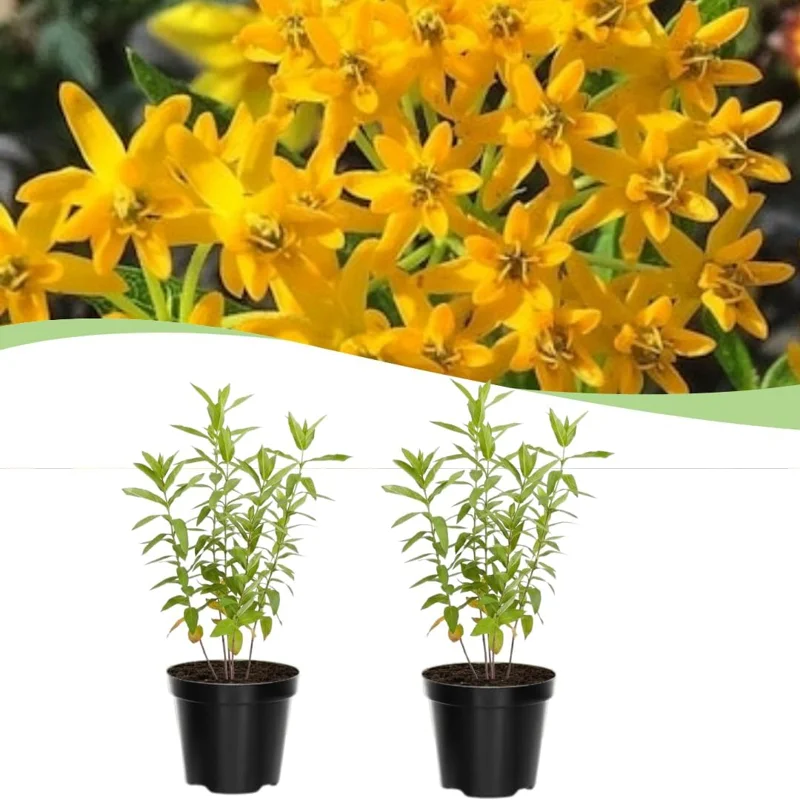
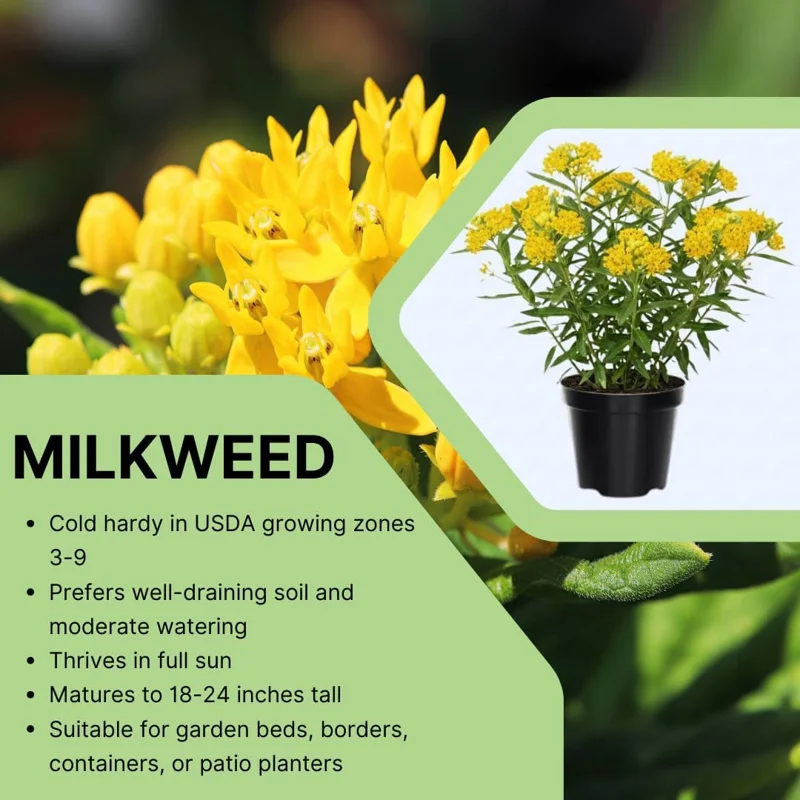
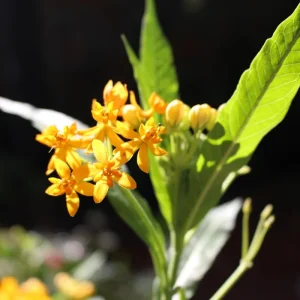
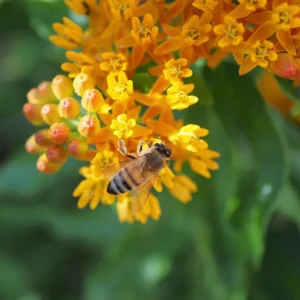
Transform your garden into a vibrant haven for pollinators with this exquisite set of live milkweed plants. Specifically, these are asclepias tuberosa yellow varieties, renowned for their brilliant, long-lasting yellow-orange blooms and their crucial role in supporting monarch butterfly populations. Each order includes two healthy, actively growing milkweed plants, typically ranging from 5 to 8 inches in height, ready to be transplanted into your garden beds, containers, or patio planters. Known also as butterfly milkweed, these perennials are a must-have for any eco-conscious gardener looking to make a significant impact on local ecosystems. Our perennial milkweed plants are carefully cultivated to arrive in optimal condition, ensuring a smooth transition to their new home and providing a rewarding gardening experience for both novice and experienced plant enthusiasts.
The Asclepias Tuberosa is celebrated for its low-maintenance nature and its ability to thrive in a variety of conditions once established. Unlike some other milkweed species, this variety is not aggressive and forms a well-behaved clump, making it an excellent choice for mixed borders or smaller gardens. Its bright flowers are not only visually appealing but also a vital nectar source for a wide array of beneficial insects, making these live milkweed plants an ecological powerhouse. When you introduce milkweed for monarchs into your landscape, you are directly contributing to the conservation efforts of these iconic butterflies, providing them with essential food and breeding grounds. Prepare to witness your garden come alive with the mesmerizing dance of butterflies and other pollinators drawn to these beautiful and beneficial plants.
Key Benefits
Cultivating these live milkweed plants offers a multitude of advantages, both aesthetic and ecological. Beyond their striking beauty, they serve vital functions in a healthy garden ecosystem.
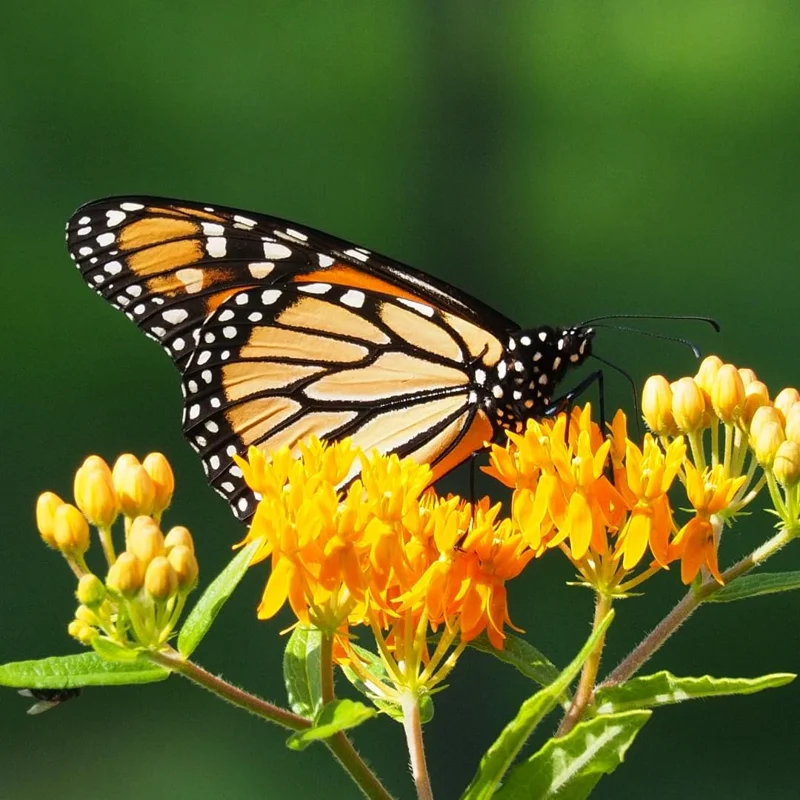
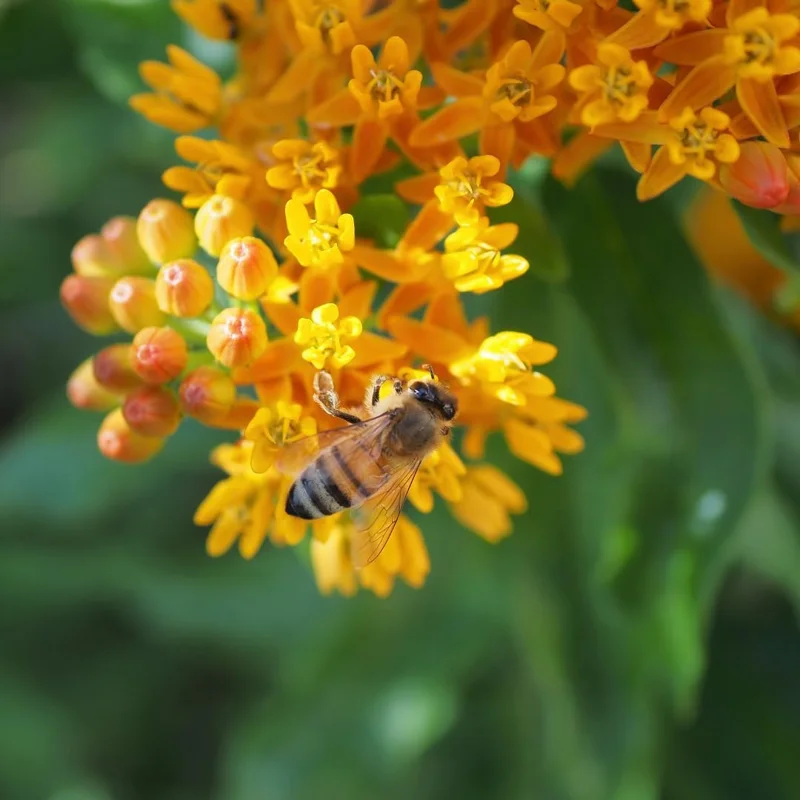
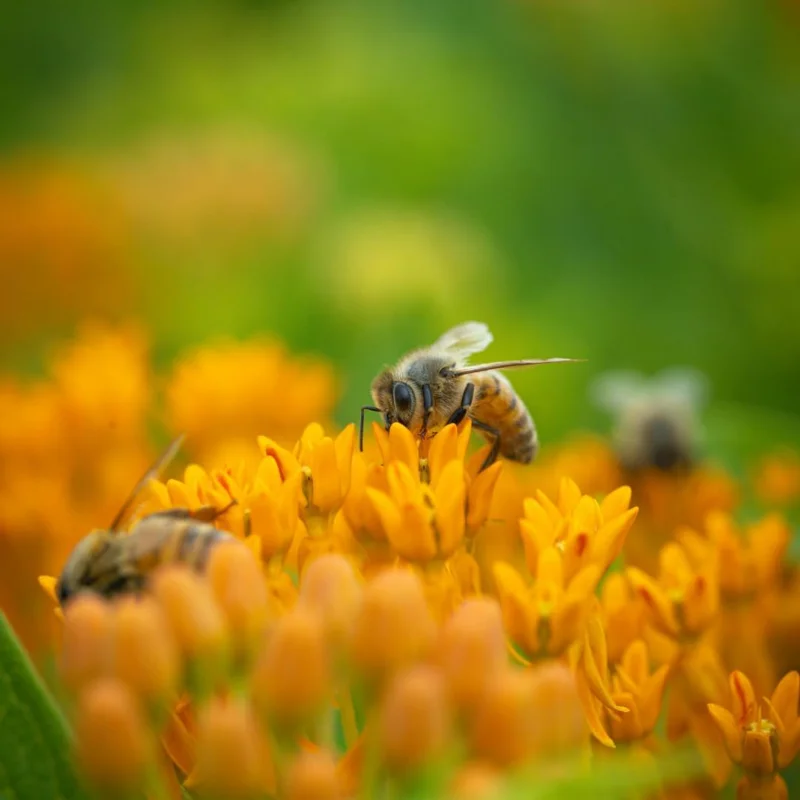
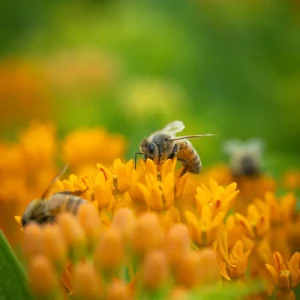
- Pollinator Magnetism: These asclepias tuberosa yellow plants are an irresistible draw for a wide range of pollinators, including bees, hummingbirds, and especially monarch butterflies. The vibrant yellow flowers provide abundant nectar, ensuring a lively and bustling garden space.
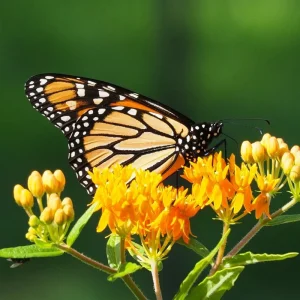
- Monarch Butterfly Habitat: As true butterfly milkweed plant specimens, they are the sole host plant for monarch butterfly caterpillars. By planting these, you provide critical food and shelter for monarch larvae, directly supporting their life cycle and conservation.
- Low Maintenance & Drought Tolerant: Once established, these perennial plants are remarkably resilient. They prefer well-draining soil and are quite drought-tolerant, requiring minimal fuss and making them an ideal choice for busy gardeners or those in drier climates.
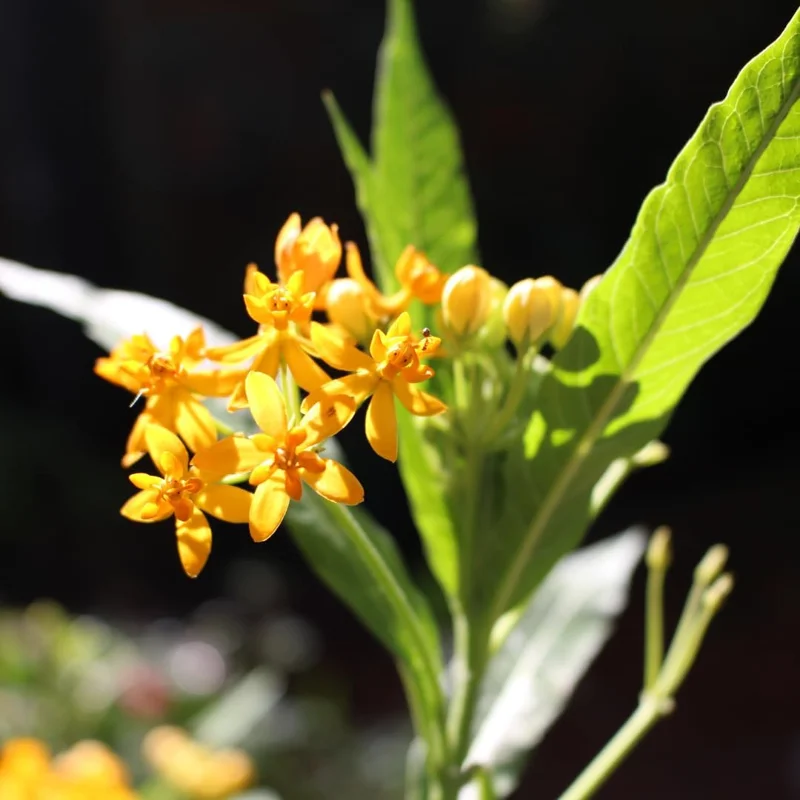
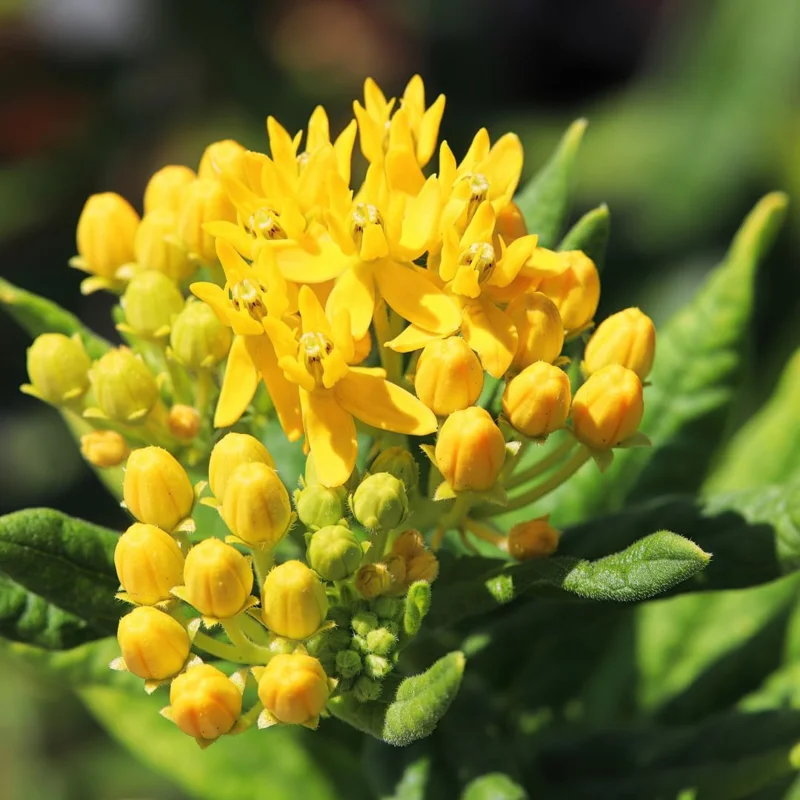
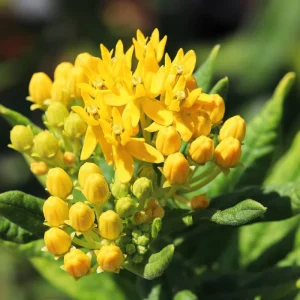
- Vibrant Garden Color: The cheerful, bright yellow to orange flowers of Asclepias Tuberosa add a spectacular splash of color to any garden from early summer through fall. Their long blooming period ensures continuous visual appeal.
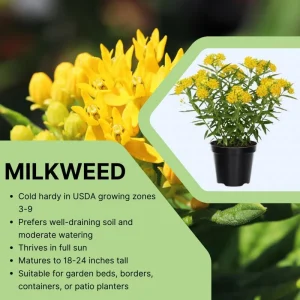
- Cold Hardiness: These perennial milkweed plants are cold hardy in USDA growing zones 3-9, meaning they will return year after year, providing reliable beauty and ecological benefits without the need for annual replanting.
- Versatile Landscaping Use: Suitable for a variety of garden settings, from mixed perennial beds and borders to rock gardens, prairies, and even large containers. Their mature height of 18-24 inches makes them a versatile addition.
- Educational Opportunity: Growing milkweed for monarchs offers a fantastic educational experience for children and adults alike, allowing observation of the monarch life cycle from egg to butterfly in your own backyard.
Plant Care & Growing Tips
Caring for your live milkweed plants is straightforward, and with a few key considerations, they will flourish and bring joy to your garden for years to come. These asclepias tuberosa yellow plants thrive in conditions that mimic their native habitats, primarily sunny, open areas. For optimal growth and abundant blooms, choose a location that receives full sun, meaning at least 6-8 hours of direct sunlight per day. While they can tolerate some partial shade, too little sun will result in leggy growth and fewer flowers. When planting, ensure the soil is well-draining. Asclepias Tuberosa is particularly sensitive to wet feet, so avoid heavy, waterlogged soils. Amending clay soils with organic matter or sand can significantly improve drainage. Once established, these plants are quite drought-tolerant, but regular watering during prolonged dry spells, especially in their first year, will encourage robust growth. Overwatering is a common mistake and should be avoided.
Regarding soil, these butterfly milkweed plant specimens are not particularly fussy, but they do prefer a sandy or loamy, well-drained soil with a neutral to slightly acidic pH. They are adapted to poor soils and generally do not require heavy fertilization. A light application of a balanced, slow-release fertilizer in early spring can be beneficial, but excessive nutrients can lead to lush foliage at the expense of flowers. Deadheading spent blooms can encourage a second flush of flowers and prevent self-seeding if desired. As a perennial milkweed, it’s important to leave the foliage intact through the fall and winter, as it provides shelter for beneficial insects and helps insulate the plant’s crown. Cut back the old stems in early spring before new growth emerges. These plants are cold hardy in USDA zones 3-9, meaning they can withstand significant winter temperatures and reliably return each spring, providing consistent support as milkweed for monarchs.
Size & Details
This offering includes a set of two healthy live milkweed plants, each standing approximately 5-8 inches tall upon arrival. These young plants are cultivated to ensure they are robust and ready for transplanting into your garden or larger containers. The Asclepias Tuberosa typically matures to a height of 18-24 inches with a similar spread, forming an attractive clump of upright stems adorned with narrow, lance-shaped leaves. They are generally moderate growers, establishing themselves well within the first season and reaching their mature size over a few years. The cheerful yellow to orange flowers appear in clusters, creating a striking display from early summer through fall, providing continuous nectar for pollinators.
Your asclepias tuberosa yellow plants will arrive carefully packaged to minimize stress during transit. They are shipped as young, potted plants, ensuring that their root systems are intact and ready for immediate planting. Expect these butterfly milkweed plant specimens to begin attracting monarch butterflies and other pollinators soon after planting, with their full ecological benefits becoming more apparent as they mature. The lifespan of this perennial milkweed is quite long, often returning for many years in suitable climates. Planting these milkweed for monarchs is a long-term investment in the beauty and biodiversity of your outdoor space, offering sustained support for local wildlife.
Frequently Asked Questions
- Q: How big do these live milkweed plants get? A: These live milkweed plants typically mature to a height of 18-24 inches with a similar spread. They form an upright, bushy clump in your garden.
- Q: What size pot does it come in? A: The plants are shipped as young, potted specimens, usually in 2-4 inch nursery pots, ensuring their root systems are established for successful transplanting.
- Q: Is this an indoor or outdoor plant? A: While they can be started indoors, these asclepias tuberosa yellow plants are primarily outdoor perennials. They thrive in full sun conditions in garden beds, borders, and outdoor containers.
- Q: How much sunlight does it need? A: For best growth and most abundant blooms, your butterfly milkweed plant requires full sun, meaning at least 6-8 hours of direct sunlight per day.
- Q: Is this plant easy to care for? A: Yes, once established, perennial milkweed is considered low-maintenance. It is drought-tolerant and adaptable to various soil conditions as long as drainage is good.
- Q: Is it good for beginners? A: Absolutely! Its resilience and minimal care requirements make it an excellent choice for beginner gardeners looking to attract pollinators.
- Q: What condition will it arrive in? A: Your live milkweed plants will arrive carefully packaged, healthy, and actively growing, with intact root systems, ready for planting.
- Q: Is it shipped in soil? A: Yes, these are shipped as potted plants, meaning they come with their root ball nestled in soil to ensure their health during transit.
- Q: Can I use milkweed for monarchs to help butterflies? A: Yes, this specific variety, Asclepias Tuberosa, is vital for monarch butterflies as it is their primary host plant for laying eggs and providing food for caterpillars. Planting milkweed for monarchs directly supports their conservation.
- Q: How long until it blooms? A: Depending on when they are planted, these young plants may bloom in their first year, but will typically produce abundant flowers in their second season and subsequent years.
- Q: When is the best time to plant? A: The best time to plant these milkweed plants is in spring after the last frost, or in early fall in warmer climates.
- Q: Will it survive winter in my zone? A: This perennial milkweed is cold hardy in USDA zones 3-9, meaning it will go dormant in winter and reliably return in spring in these regions.
- Q: What’s the minimum temperature it can tolerate? A: Being hardy in USDA Zone 3, it can tolerate winter temperatures down to approximately -40°F (-40°C) once established.


Reviews
There are no reviews yet.