Overview
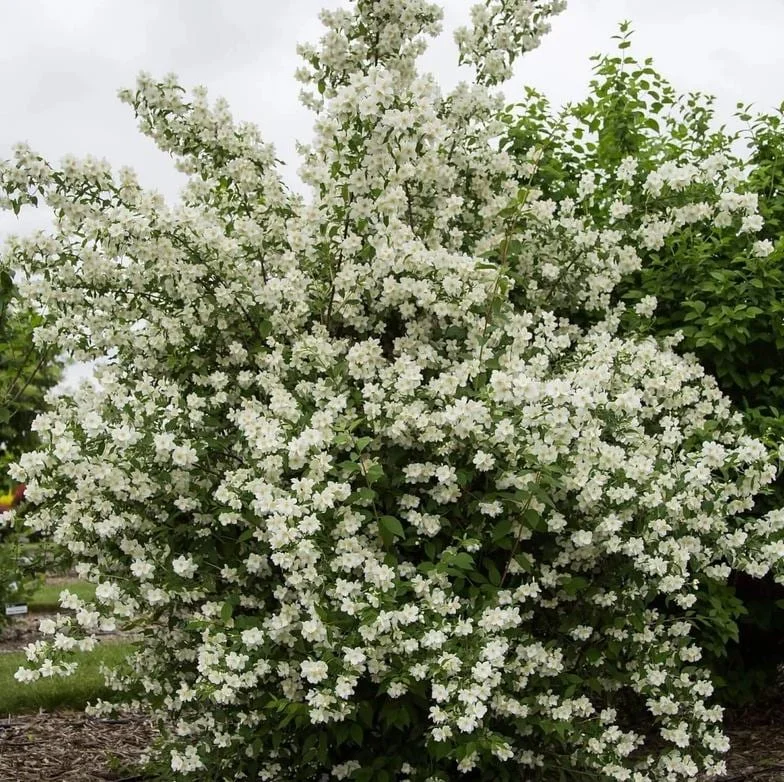
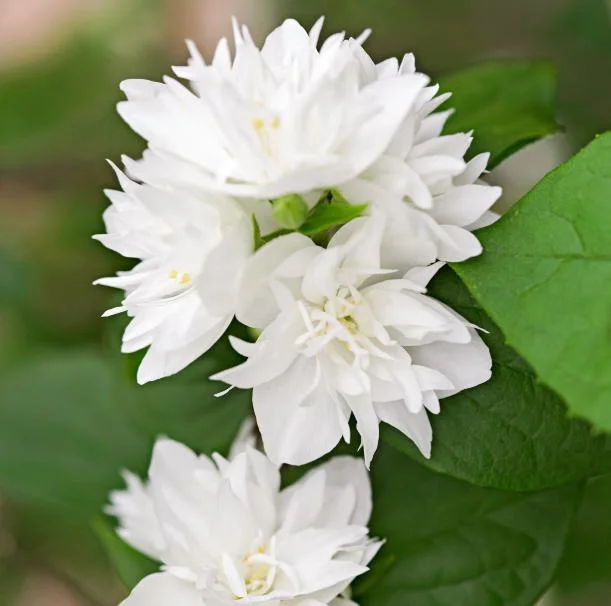
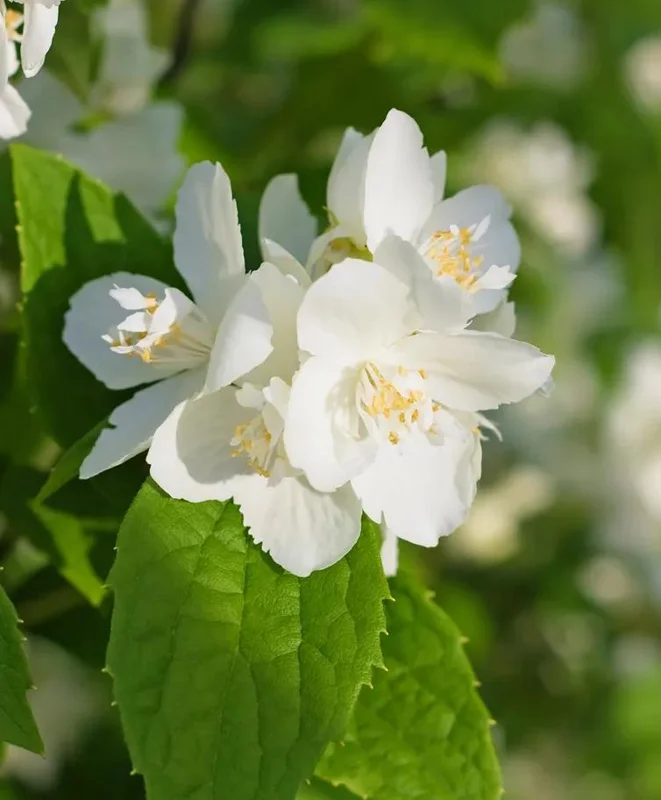
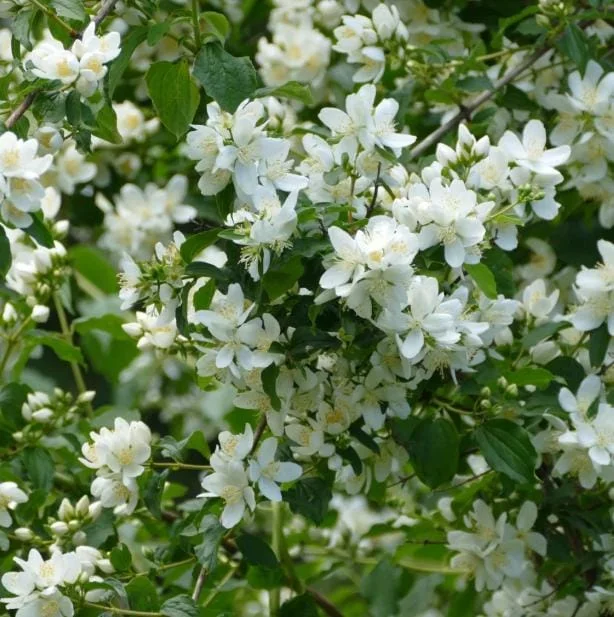
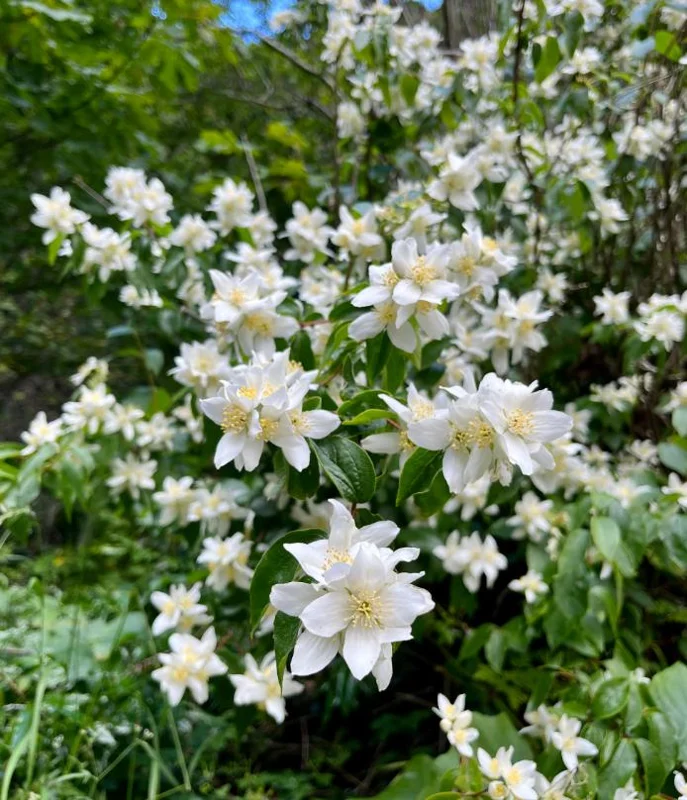
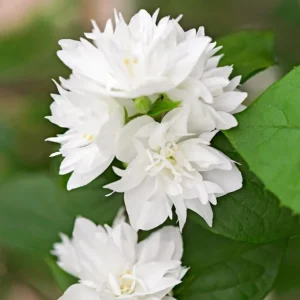
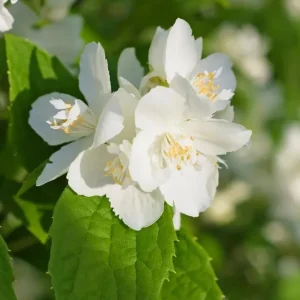
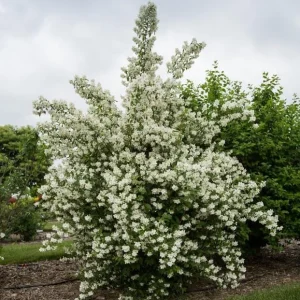
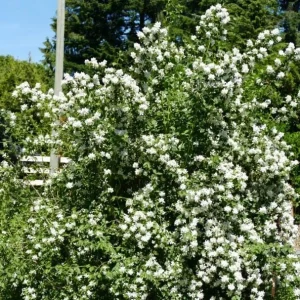
Introduce timeless elegance and intoxicating fragrance to your garden with this set of 2 Mock Orange bare roots. These premium bare root plants, typically 1-2 feet tall upon arrival, are ready for planting to establish quickly and grow into beautiful, mature shrubs. The Mock Orange (Philadelphus coronarius) is a beloved deciduous shrub, highly prized for its spectacular display of pure white, four-petaled flowers. Blooming profusely from late spring through early summer, these flowers release a sweet, citrus-like aroma that can perfume an entire garden, making it a favorite for planting near patios, windows, or walkways where its scent can be fully appreciated. Its dark green, ovate leaves provide an attractive backdrop throughout the growing season, and its rounded growth habit adds a classic touch to any landscape design. This fragrant mock orange is an excellent choice for gardeners looking for both visual appeal and sensory delight.
Our mock orange bare roots are shipped dormant, which is the optimal time for planting, ensuring they can focus their energy on root establishment once in the ground. While they may arrive without leaves, this is a natural state for bare root plants during winter and early spring, indicating they are healthy and ready to burst into life with the warmth of the season. These robust shrubs are known for their resilience and adaptability, making them a fantastic addition for both experienced gardeners and those new to shrub cultivation. They provide excellent structure, privacy, and a burst of seasonal beauty.
Key Benefits
The mock orange bare roots offer numerous advantages for enhancing your outdoor space, providing both aesthetic beauty and natural charm. Their easy-care nature makes them a rewarding choice for any gardener.
- Exquisite Fragrance: Enjoy the delightful, sweet, citrus-like scent emitted by the abundant white flowers, particularly strong in late spring and early summer. This makes the fragrant mock orange a sensory highlight in your garden.
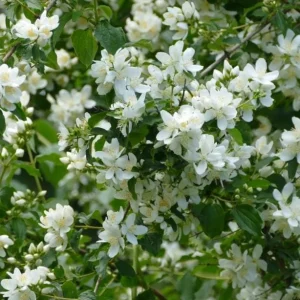
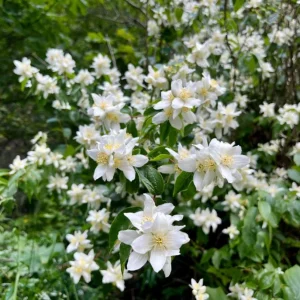
- Stunning Blooms: Features a profusion of pure white, four-petaled flowers that create a striking visual impact against the deep green foliage.
- Attracts Pollinators: The fragrant blossoms are a magnet for bees, butterflies, and other beneficial pollinators, contributing to a healthy garden ecosystem.
- Low Maintenance: Once established, these shrubs are relatively low-maintenance, requiring minimal care to thrive and bloom beautifully year after year. This is a key aspect of mock orange shrub care.
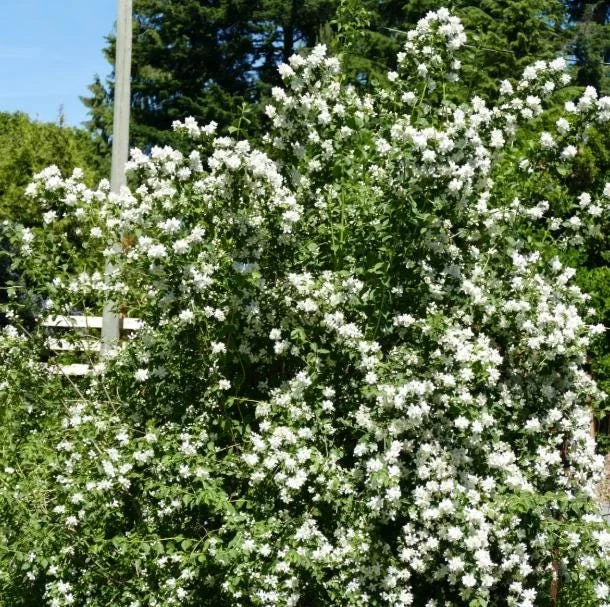
- Versatile Landscaping: Ideal for hedges, borders, foundation plantings, or as a standalone specimen plant, providing structure and interest to various garden designs.
- Hardy and Adaptable: Thrives across a wide range of climates (USDA Zones 4-8) and tolerates various soil conditions, making it a reliable choice for many regions.
- Deer Resistant: Generally not favored by deer, offering a good option for gardens in areas where deer browsing is a concern.
Plant Care & Growing Tips
Proper care is essential for ensuring your mock orange bare roots establish well and flourish into magnificent shrubs. Understanding their needs will lead to a thriving display of fragrant blooms. This guide on mock orange shrub care will help you achieve the best results.
Upon arrival, if you cannot plant immediately, keep the bare roots cool and moist. Plant in well-drained, fertile soil. While Mock Orange tolerates clay or sandy soils, excellent drainage is crucial to prevent root rot. Dig a hole wide enough to accommodate the spread of the roots and deep enough so that the crown (where the roots meet the stem) is at soil level. Spread the roots out, backfill with soil, and water thoroughly to settle the soil around the roots. For optimal growth and flowering, plant your Mock Orange in full sun to partial shade. Full sun (at least 6 hours of direct sunlight per day) will result in the most abundant blooms, while partial shade (2-4 hours of direct sun) is acceptable, especially in hotter climates.
Watering should be moderate. Keep the soil consistently moist, especially during the first growing season to encourage strong root development. Once established, Mock Orange is relatively drought-tolerant but will benefit from occasional deep watering during prolonged dry spells. Fertilize in early spring with a balanced slow-release fertilizer if your soil is poor, but generally, these shrubs do not require heavy feeding. Pruning is best done immediately after flowering to shape the plant and remove any dead or weak branches. This also encourages new growth for the following season’s blooms. The plant thrives in temperatures between -30°F and 95°F, making it suitable for a wide range of climates. Understanding the specifics of philadelphus coronarius care ensures a healthy and vibrant plant. For a comprehensive overview, refer to a reliable mock orange planting guide.
Size & Details
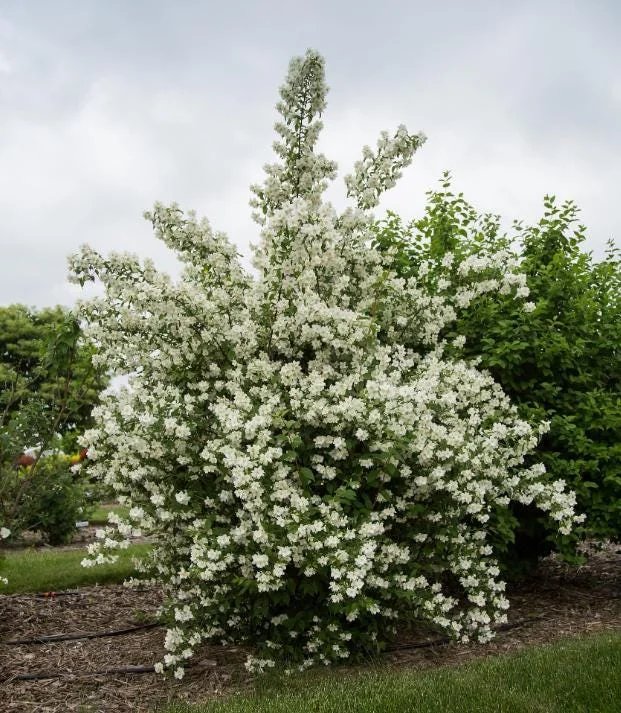
Our mock orange bare roots are shipped dormant, typically measuring 1-2 feet in height, making them easy to handle and plant. These young plants are ready to be established in your garden and will begin to show new growth as temperatures rise. Mock Orange is a moderate to fast grower, generally reaching a mature height and spread of 5-8 feet within a few years, depending on growing conditions and pruning. The bare root form ensures that the plant’s energy is concentrated on root development once planted, leading to a robust and healthy shrub. Expected blooming season is late spring to early summer, usually beginning in the second year after planting.
The deciduous nature means the plant will shed its leaves in winter and arrive in a dormant state, which is ideal for planting. It has a rounded growth habit, making it an excellent choice for a variety of garden uses, from informal hedges to specimen plantings. The dark green ovate leaves provide a lush appearance throughout the warmer months. These plants are grown for their exceptional fragrance and beautiful white flowers, providing a stunning display year after year with minimal effort.
Frequently Asked Questions
- Q: How big does this Mock Orange shrub get? A: A: Our mock orange bare roots typically grow into a mature shrub reaching 5-8 feet tall and wide. The exact size can vary depending on growing conditions, climate, and pruning practices, but it generally maintains a rounded, bushy form.
- Q: What condition will the bare roots arrive in? A: The bare roots will arrive dormant, meaning they will have no leaves, which is normal and healthy for this type of plant during its shipping season. This ensures the plant’s energy is conserved for root establishment.
- Q: How much sunlight does Mock Orange need? A: For the best flowering display, Mock Orange prefers full sun, which means at least 6 hours of direct sunlight per day. It can tolerate partial shade, especially in hotter climates, but may produce fewer blooms. This is a crucial aspect of mock orange shrub care.
- Q: When is the best time to plant these bare roots? A: The best time to plant dormant bare roots is in late winter or early spring, as soon as the soil is workable and before new growth begins. This allows the roots to establish before the stresses of summer heat.
- Q: Is this plant easy to care for? A: Yes, Mock Orange is considered a relatively low-maintenance shrub. Once established, it is quite hardy and adaptable, making it a good choice for both experienced and novice gardeners looking for a fragrant mock orange.
- Q: What USDA Zones is Mock Orange suitable for? A: This Mock Orange variety is hardy in USDA Zones 4 through 8, making it suitable for a wide range of climates across the United States. Ensure your zone falls within this range for optimal growth.
- Q: How long until the Mock Orange blooms? A: While some flowers might appear in the first year, you can typically expect a more significant and robust bloom display from your philadelphus coronarius in its second growing season after planting.
- Q: What kind of soil does Mock Orange prefer? A: Mock Orange prefers well-drained, fertile soil. It can tolerate a variety of soil types including clay or sandy soils, as long as drainage is adequate. Good drainage is key to preventing root issues.
- Q: Can I prune Mock Orange? If so, when? A: Yes, pruning is beneficial for shaping the shrub and encouraging new growth. The best time to prune Mock Orange is immediately after it has finished flowering in late spring or early summer. This helps maintain its form and ensures blooms for the following year. A good mock orange planting guide will detail pruning techniques.
- Q: Is the Mock Orange deer resistant? A: Mock Orange is generally considered deer resistant, meaning deer typically do not prefer to browse on it. This can be a significant advantage in areas with high deer populations.


Reviews
There are no reviews yet.