Overview
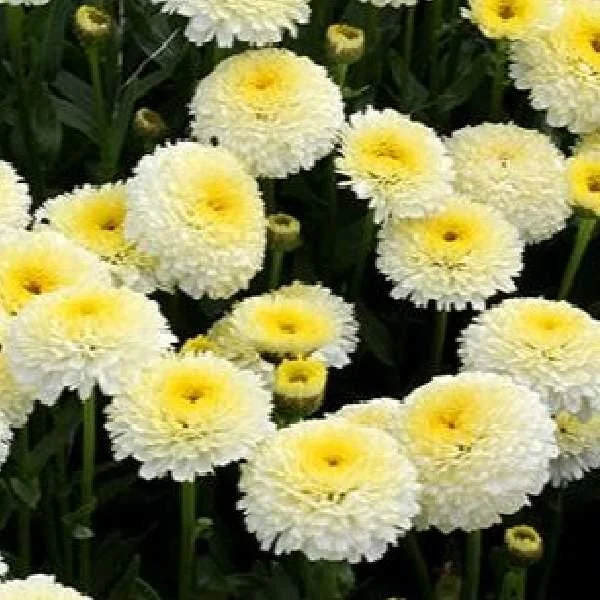
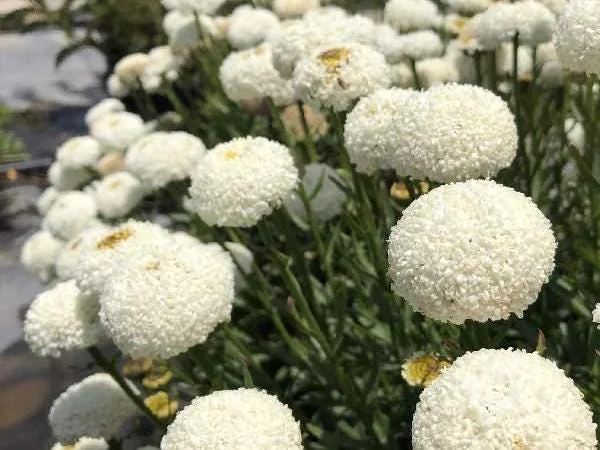
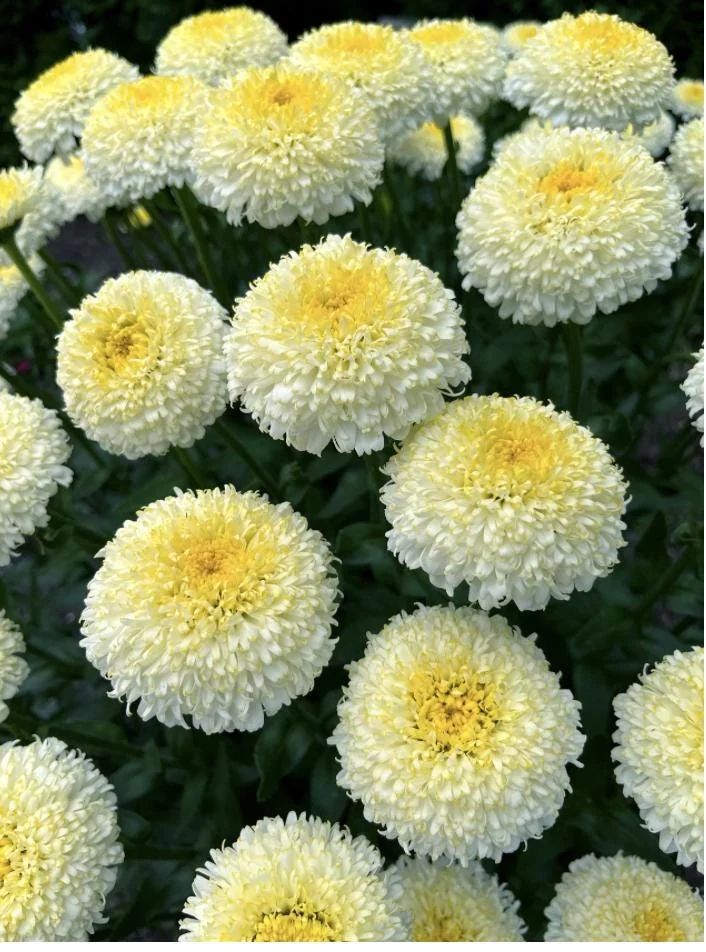
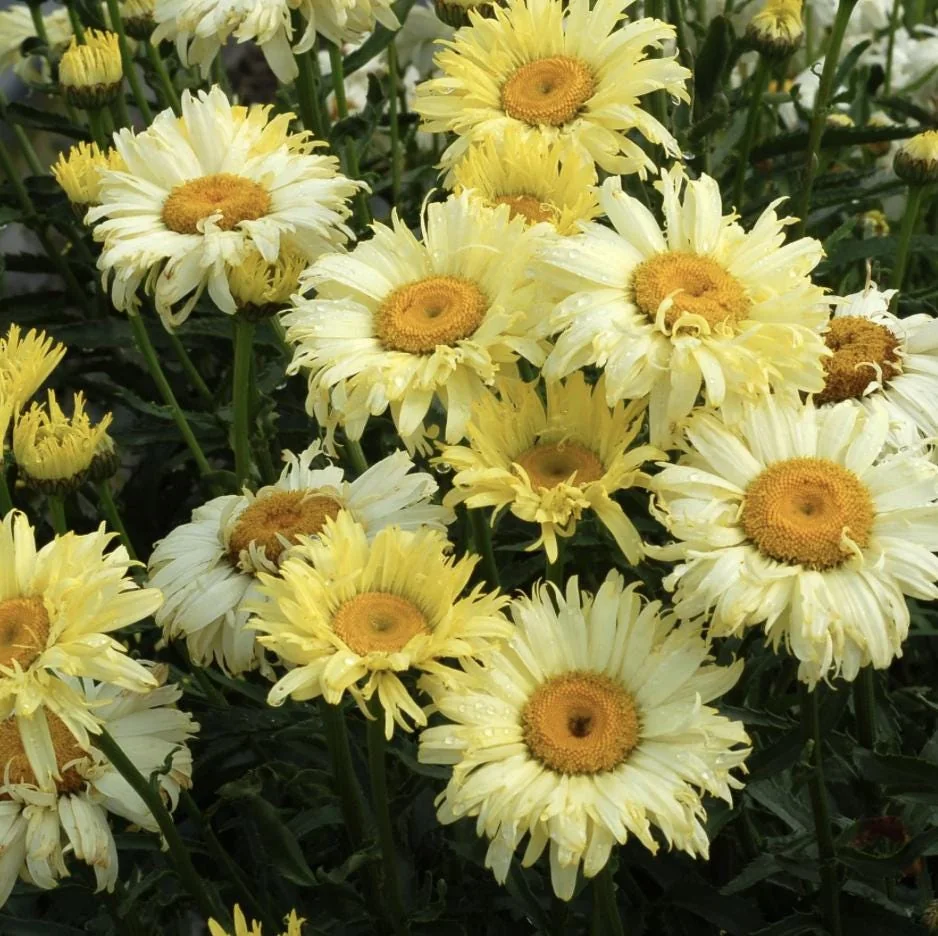
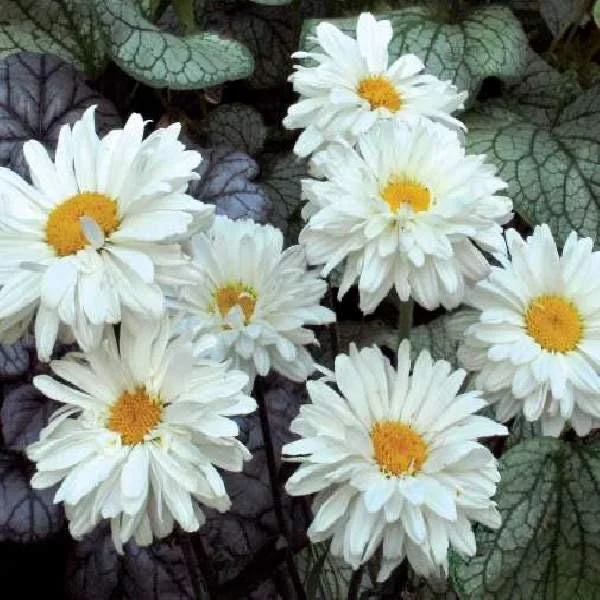
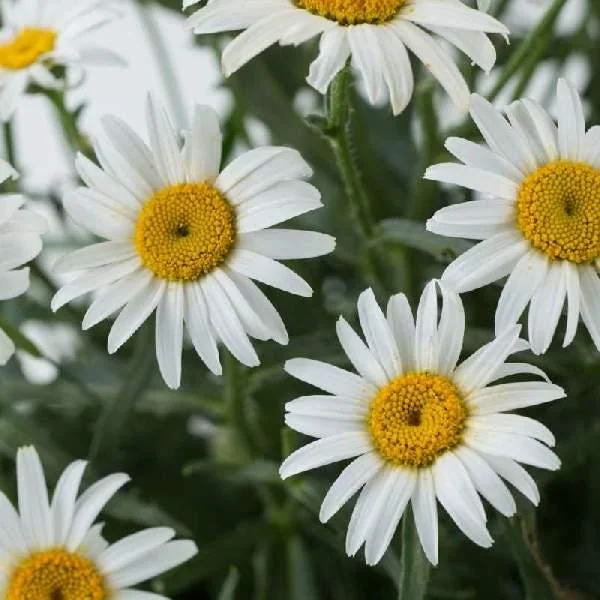
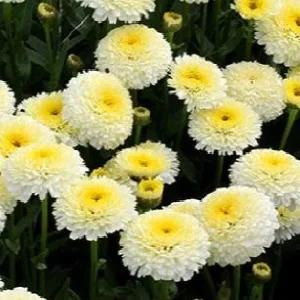
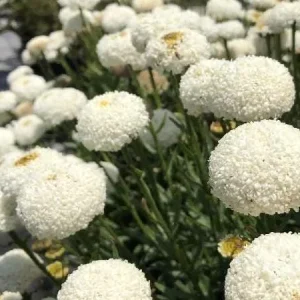
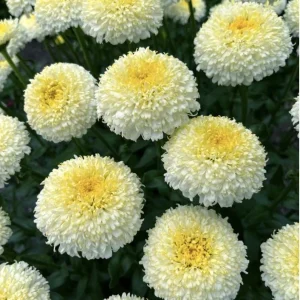
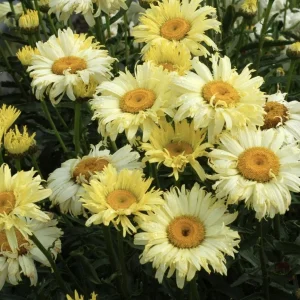
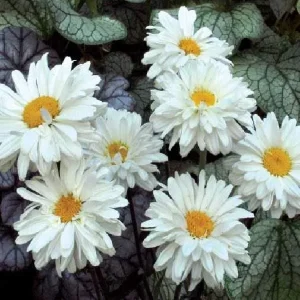
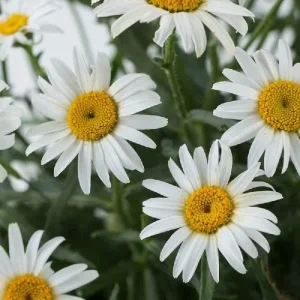
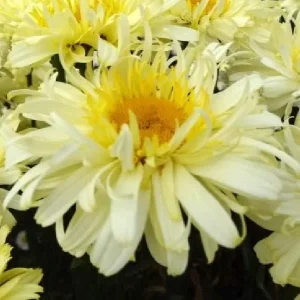
Bring classic charm to your landscape with the shasta daisy live plant, Leucanthemum Superbum. This delightful perennial is renowned for its bright, cheerful, daisy-like flowers that grace gardens from early to late summer. A member of the Asteraceae family, the Shasta Daisy is a highly floriferous and robust plant, celebrated for its abundant floral display and natural disease resistance. Perfect for adding a touch of timeless beauty to any outdoor space, this shasta daisy live plant is delivered as a healthy starter, ready to establish and flourish in your garden. Its pristine white petals surrounding a golden yellow center create a striking contrast, making it a favorite for both gardeners and pollinators alike.
The Leucanthemum genus, commonly known as daisy, encompasses several well-loved species, with Superbum being a standout for its vigor and prolific blooming. These plants are mainly distributed across southern and central Europe, with many cultivated as ornamental plants worldwide. If you’re looking for an easy-to-grow, low-maintenance flower that provides continuous color, the shasta daisy live plant is an excellent choice. It adapts well to various garden designs, from formal borders to more relaxed cottage gardens, and even provides beautiful cut flowers for indoor arrangements.
Key Benefits
Choosing the shasta daisy live plant for your garden offers a multitude of advantages, enhancing both the aesthetic appeal and ecological health of your outdoor space. These robust perennials are not only beautiful but also incredibly beneficial.
- Long-Lasting Blooms: Enjoy weeks of continuous flowering from early to late summer, providing consistent color and beauty when many other plants have faded. The shasta daisy live plant ensures a vibrant display throughout the warmer months.
- Attracts Pollinators: The cheerful flowers are a magnet for various beneficial insects, including beetles, flies, wasps, and butterflies, contributing to a healthy garden ecosystem.
- Easy to Grow & Low Maintenance: This perennial is known for its resilience and ease of care, making it an excellent option for both novice and experienced gardeners. Minimal effort yields maximum reward.
- Versatile Garden Use: Ideal for perennial borders, cottage gardens, cut flower gardens, or naturalized prairies and meadows, offering flexibility in landscape design.
- Disease Resistant: Leucanthemum Superbum boasts strong disease resistance, ensuring healthier plants and fewer problems for gardeners.
- Excellent Cut Flowers: The classic beauty of Shasta Daisies makes them perfect for creating charming bouquets that brighten any indoor space.
- Drought Tolerant Once Established: While preferring consistent moisture, established plants show good tolerance to drier periods, reducing the need for constant watering.
Plant Care & Growing Tips
Caring for your shasta daisy live plant is straightforward, ensuring a spectacular display year after year. These resilient perennials thrive with minimal fuss when provided with the right conditions. For optimal growth, plant your Leucanthemum superbum care in a location that receives full sun, meaning at least 6 hours of direct sunlight per day. While they can tolerate light shade, particularly in hotter climates, full sun encourages the most prolific blooming. Space plants approximately 18 inches apart to allow for good air circulation and mature growth.
The ideal soil for a shasta daisy live plant is moderately fertile, moist, and, critically, well-drained. Avoid heavy, waterlogged soils, as this can lead to root rot. If your soil is clay-heavy, amend it with organic matter like compost to improve drainage. Water the plants regularly, about once a week, or more frequently during periods of extreme heat or drought. Ensure the soil remains consistently moist but not soggy. To encourage more blooms and extend the flowering season, practice deadheading by removing spent flowers. This prevents the plant from putting energy into seed production and redirects it into producing new flowers. For robust growth and abundant blooms, consider a light application of balanced fertilizer in spring, though these plants are generally not heavy feeders. Understanding growing shasta daisy involves providing consistent care, especially during the establishment phase.
Winter care for the perennial daisy flowers involves cutting back the foliage after the first hard frost. In colder zones, a layer of mulch can help protect the crown of the plant from extreme temperatures. These plants are hardy in USDA Zones 5-9, making them suitable for a wide range of climates. With proper care, your long-lasting daisy blooms will return faithfully each year, becoming a cherished part of your garden. Keep an eye out for common garden pests, though Shasta Daisies are generally quite resistant to most issues.
Size & Details
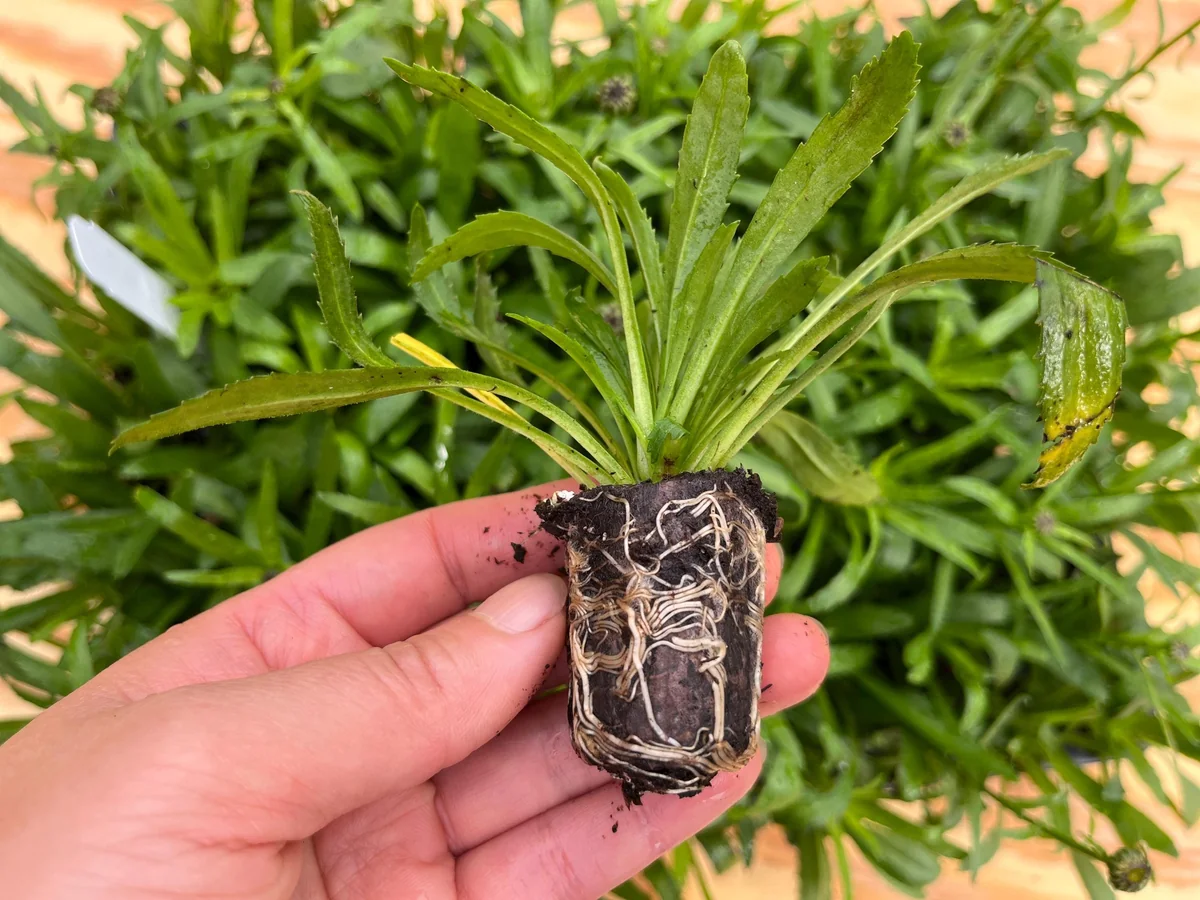
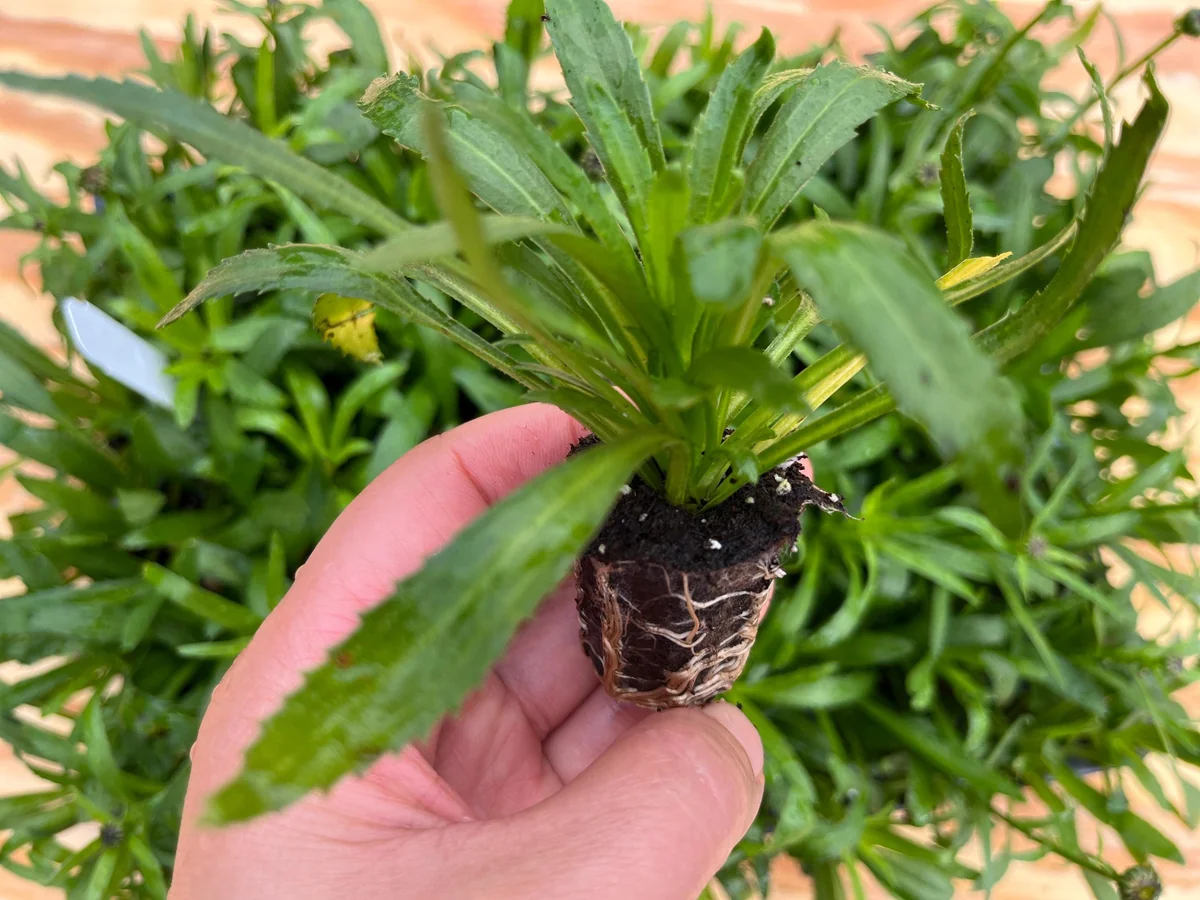
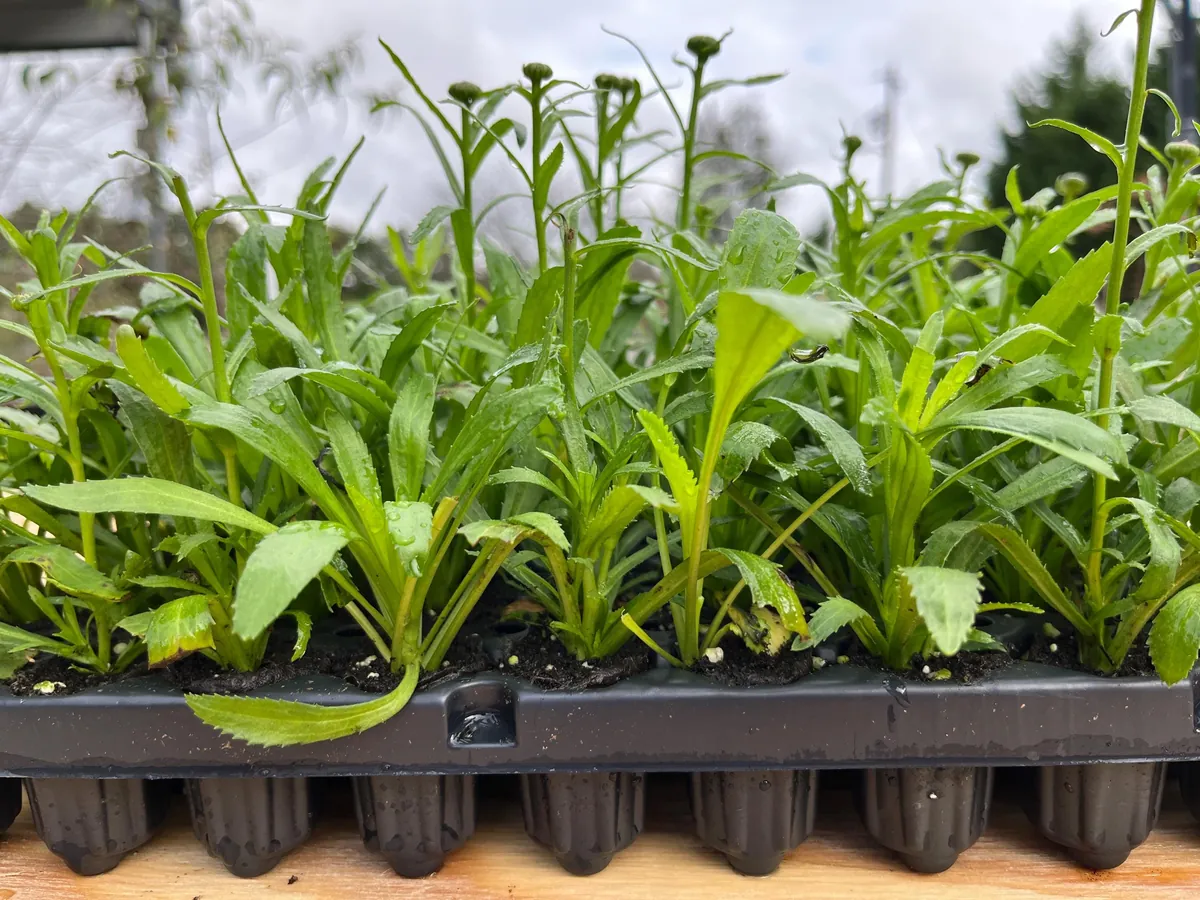
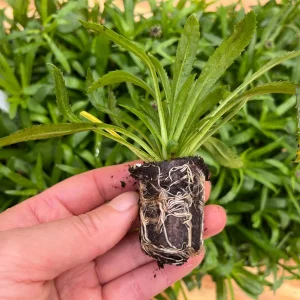
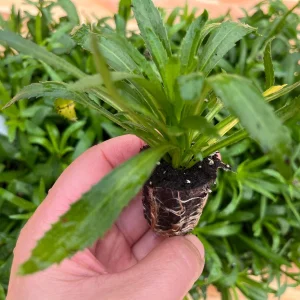
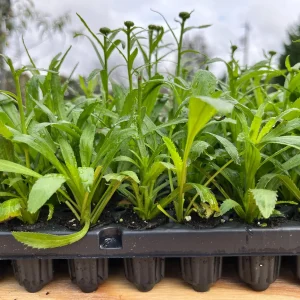
Each shasta daisy live plant is provided as a healthy starter seedling, carefully grown to ensure successful transplantation and establishment in your garden. These young plants come in a small plug-size container, typically measuring 1 inch by 1 inch by 1 1/4 inches. While plant sizes may vary slightly due to their natural growth, each starter is selected for its strong, healthy root system, which is crucial for vigorous future growth. Upon planting, these perennials will begin to establish, gradually increasing in size. A mature shasta daisy live plant typically reaches a height of 2 to 3 feet and spreads about 18 to 24 inches wide, forming attractive clumps.
Expect your plants to begin blooming in their first or second year, providing those characteristic long-lasting daisy blooms. The growth rate is moderate, allowing the plant to fill out and produce an impressive floral display over time. They are hardy perennials, meaning they will return year after year, growing larger and more floriferous with each season. The compact size of the starter plug makes them easy to plant and allows them to quickly adapt to their new environment. For best results, plant them in spring or early summer to give them ample time to establish before winter.
Frequently Asked Questions
- Q: How big does a Shasta Daisy plant get? A: A mature shasta daisy live plant typically grows to a height of 2 to 3 feet (60-90 cm) and spreads about 18 to 24 inches (45-60 cm) wide, forming a dense clump of foliage and flowers.
- Q: Is this an indoor or outdoor plant? A: The shasta daisy live plant is primarily an outdoor perennial, best suited for garden beds, borders, and containers where it can receive adequate sunlight and space to grow.
- Q: How much sunlight does a Shasta Daisy need? A: Growing shasta daisy requires full sun, meaning at least 6 hours of direct sunlight per day, for the best blooming performance. They can tolerate light shade but may produce fewer flowers.
- Q: Is this plant easy to care for? A: Yes, Shasta Daisies are considered very easy to grow and maintain, making them an excellent choice for gardeners of all experience levels. Their robust nature means less fuss.
- Q: What condition will the plant arrive in? A: Your shasta daisy live plant will arrive as a healthy starter seedling in a small plug-size container, ready for planting. While some foliage yellowing may occur during transit, the strong root system ensures quick recovery.
- Q: How long until it blooms? A: Depending on the planting time and growing conditions, your perennial daisy flowers may bloom in their first year, or more commonly, they will establish and produce abundant blooms in their second growing season.
- Q: What is the best time to plant Shasta Daisies? A: The ideal time to plant your shasta daisy live plant is in spring or early summer after the last frost, allowing it ample time to establish its root system before extreme heat or cold.
- Q: Will it survive winter in my zone? A: Shasta Daisies are hardy in USDA Zones 5-9. If you are within these zones, your plant should successfully overwinter and return in spring. In colder zones, winter protection may be beneficial.
- Q: What kind of soil does Leucanthemum Superbum prefer? A: Leucanthemum superbum care thrives in moderately fertile, moist, but well-drained soil. Good drainage is crucial to prevent root issues.
- Q: Do I need to deadhead Shasta Daisies? A: Yes, deadheading spent flowers encourages the plant to produce more blooms and extends the flowering season, providing you with more long-lasting daisy blooms.


Reviews
There are no reviews yet.