Overview
Introduce a touch of natural elegance to your garden with our shining sumac bare root seedlings. Each purchase includes two healthy shining sumac bare root seedlings, measuring approximately 12-24 inches (1-2 feet) tall, ready for planting. The shining sumac bare root, botanically known as Rhus copallinum, is a remarkable deciduous tree native to eastern North America. Also commonly referred to as winged sumac plant, dwarf sumac, or flameleaf sumac, this species is cherished for its dynamic seasonal interest and resilience. It’s an excellent choice for those looking to add vibrant fall color and provide habitat for local wildlife. These robust seedlings will establish quickly, transforming your outdoor space with their distinctive foliage and beautiful berry clusters, making them a cornerstone of any natural or informal landscape design.
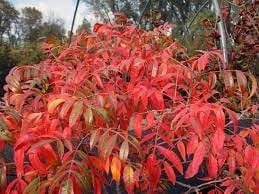
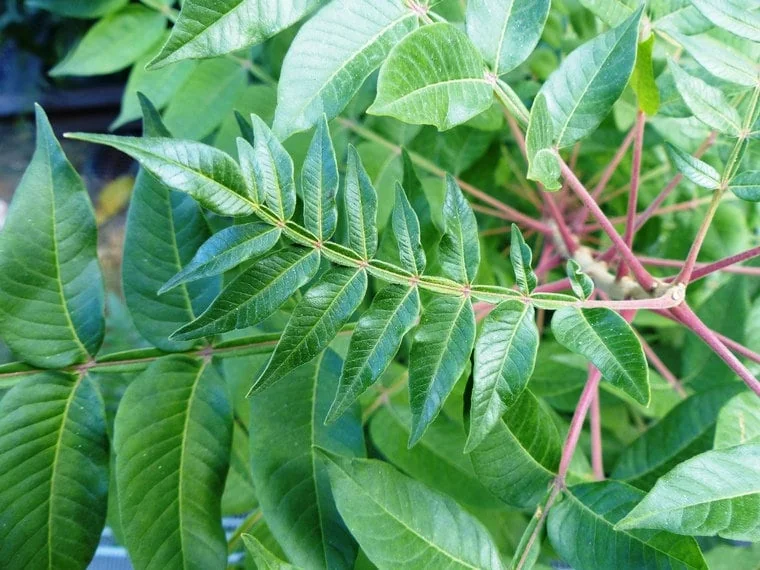
The winged sumac plant is highly adaptable, thriving across a wide range of conditions, which makes it a fantastic addition for gardeners of varying experience levels. Its ability to colonize disturbed sites speaks to its hardiness and vigor, ensuring a successful planting experience. The lustrous dark green leaves provide a lush backdrop throughout the summer before erupting into a brilliant orange-red display in autumn, a spectacle often admired along highways and in natural settings. Choosing these shining sumac bare root seedlings allows you to cultivate a piece of native beauty that offers both aesthetic appeal and ecological benefits.
Key Benefits
Our winged sumac plant provides a multitude of benefits, enhancing both the beauty and biodiversity of your outdoor space. These trees are not just ornamental; they are ecological powerhouses that contribute significantly to a healthy garden ecosystem, especially with their remarkable fall color and wildlife support. The shining sumac bare root is an exceptional choice for sustainable landscaping.
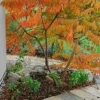
- Spectacular Fall Foliage: Enjoy an unrivaled autumn display as the lustrous dark green leaves transform into brilliant orange-red hues. This vibrant color makes the shining sumac bare root a standout feature in any fall landscape, creating a dramatic visual impact that lasts for weeks.
- Wildlife Attraction: The tiny, greenish-yellow flowers, borne in compact panicles during summer, are followed by showy red clusters of berries. These persistent berries remain on the tree through winter, providing a crucial food source for birds and other wildlife, enhancing your garden’s biodiversity.
- Erosion Control and Groundcover: The winged sumac plant spreads via underground runners, forming dense, shrubby cover. This natural growth habit makes it an excellent choice for stabilizing slopes, preventing erosion, and providing naturalized groundcover in informal landscapes.
- Low Maintenance and Adaptable: Once established, the Rhus copallinum seedling is incredibly hardy and requires minimal care. It tolerates a variety of soil conditions and is well-suited to different environments, making it a robust and forgiving plant for busy gardeners.
- Natural Landscape Suitability: Its natural growth habit and stunning seasonal changes make it perfectly suited for natural and informal landscapes, offering a wild, untamed beauty that complements native plantings.
- Attractive Bark and Form: While primarily known for its foliage and fruit, the structure and bark of the dwarf sumac benefits from its naturally spreading, rounded crown, adding winter interest after the leaves have fallen.
- No Significant Litter: Despite its abundant berries, the fruit of the flameleaf sumac care attracts birds efficiently, leading to no significant litter problem, maintaining a tidy appearance in your garden.
Plant Care & Growing Tips
Caring for your shining sumac bare root seedlings is straightforward, thanks to their robust nature and adaptability. These plants thrive with minimal intervention once established, making them an excellent choice for both novice and experienced gardeners. For optimal growth, plant your winged sumac plant in an area that receives full sun to partial shade. While it can tolerate some shade, the most vibrant fall color will develop in locations with ample sunlight. Ensure the planting site has well-draining soil, as sumacs do not like consistently wet feet. They are adaptable to a range of soil types, including sandy, loamy, and clay soils, as long as drainage is adequate.
Upon arrival, rehydrate your shining sumac bare root seedlings by soaking them in water for a few hours before planting. Dig a hole wide enough to accommodate the roots without bending them, and plant at the same depth as the root collar. Backfill with soil, gently firming it around the roots to remove air pockets, and water thoroughly. During the first growing season, consistent watering is crucial to help the Rhus copallinum seedling establish. Once mature, it is quite drought-tolerant. This plant is hardy in USDA Zones 3-9, indicating its ability to withstand a wide range of winter temperatures. Fertilization is generally not necessary in established plants, especially in rich soils. If growth appears stunted, a balanced, slow-release fertilizer can be applied in early spring.
Pruning for the dwarf sumac benefits from selective removal of dead or damaged branches, as well as shaping to maintain desired size and form. This species tends to grow with multiple trunks but can be trained to a single trunk if preferred. Be aware that the bark is thin and can be easily damaged by mechanical impact, so exercise caution when working around the base of the tree. If branches droop and impede pedestrian or vehicular clearance, they can be pruned. The resilience of the flameleaf sumac care makes it a rewarding plant that will provide years of beauty with relatively little fuss.
Size & Details
Each purchase includes two shining sumac bare root seedlings, with an approximate height of 1-2 feet (12-24 inches) upon arrival. These bare root plants are sent dormant, which is ideal for transplanting and reduces transplant shock, allowing for vigorous growth once established. The winged sumac plant is a deciduous tree that typically grows to a mature height of 12-18 feet (3.5-5.5 meters) with an equal spread, forming a handsome rounded crown. Its growth rate is moderate to fast, allowing it to quickly fill in desired areas of your landscape. The lustrous dark green foliage provides a dense appearance throughout the summer, transitioning to its signature brilliant orange-red in the fall. The small, greenish-yellow flowers appear in summer, followed by striking red berry clusters that persist into the winter months, offering extended seasonal interest.
The form of the Rhus copallinum seedling is naturally multi-stemmed, creating a shrubby and full appearance, although it can be trained to a single trunk if a more tree-like structure is desired. These plants are known for their ability to spread through underground runners, making them excellent for naturalizing and creating dense thickets for wildlife. They are thornless, making them safe for various landscape applications. When planning your planting, consider the mature size and spread to ensure adequate space for this beautiful and beneficial tree to flourish. Expect these shining sumac bare root plants to establish well and begin showing significant growth in their first full growing season.
Frequently Asked Questions
- Q: How big will the shining sumac bare root seedlings be when they arrive? A: You will receive two bare root seedlings, each approximately 1-2 feet (12-24 inches) tall. They are shipped dormant, carefully packaged to ensure successful establishment.
- Q: Is this an indoor or outdoor plant? A: The winged sumac plant is an outdoor deciduous tree, ideally suited for landscaping and garden environments. It thrives in open spaces where it can reach its full mature size and spread.
- Q: How much sunlight does the Rhus copallinum seedling need? A: For the best growth and most vibrant fall color, this plant prefers full sun. It can tolerate partial shade, but the autumn foliage may not be as intense.
- Q: Is this plant easy to care for? A: Yes, the dwarf sumac benefits from being a very low-maintenance and hardy plant once established. It’s known for its adaptability to various soil types and its drought tolerance, making it suitable for beginners.
- Q: What condition will the bare root seedlings arrive in? A: Your shining sumac bare root seedlings will arrive in a dormant state, carefully packaged to ensure their roots remain healthy during transit. This is the ideal condition for planting.
- Q: When is the best time to plant flameleaf sumac care? A: Bare root plants are best planted in early spring or late fall when the plant is dormant. This allows the roots to establish before the stress of summer heat or deep winter cold.
- Q: What USDA Zones is this plant suitable for? A: This sumac is incredibly hardy and suitable for USDA Hardiness Zones 3 through 9, meaning it can withstand a broad range of winter temperatures.
- Q: Will the winged sumac plant spread? A: Yes, Rhus copallinum is known to spread through underground runners, forming dense thickets. This makes it excellent for naturalizing areas or for erosion control.
- Q: Does the shining sumac bare root produce berries? A: Yes, it produces clusters of showy red berries that persist into winter, providing a valuable food source for birds and adding ornamental appeal.
- Q: Does this plant have thorns? A: No, the winged sumac plant is thornless, making it a safe choice for areas with foot traffic or children.


Reviews
There are no reviews yet.