


Overview
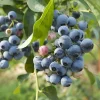
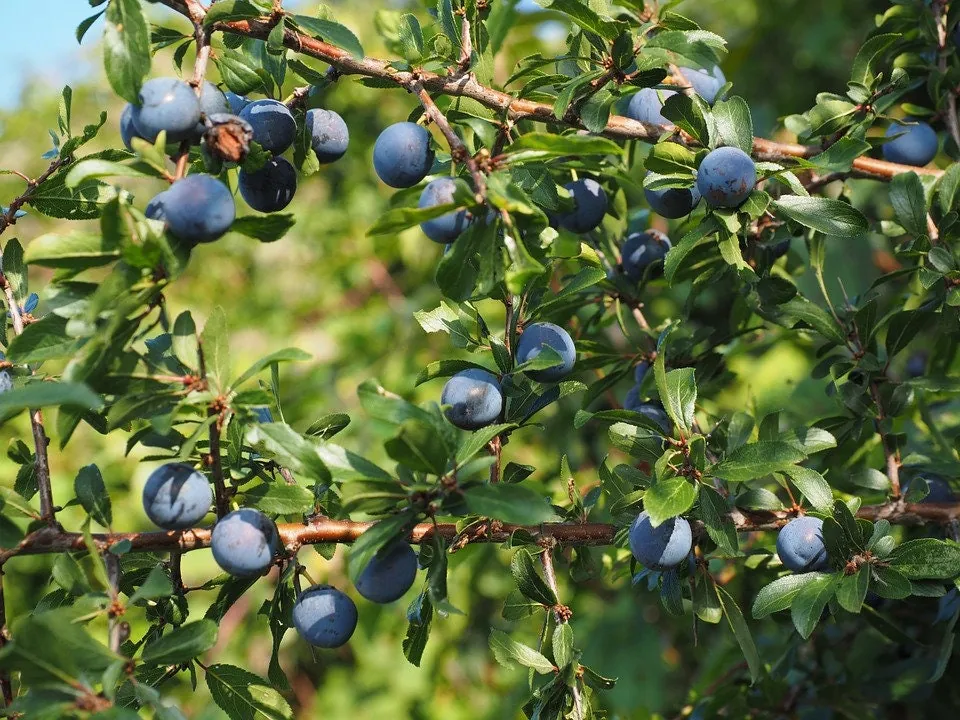
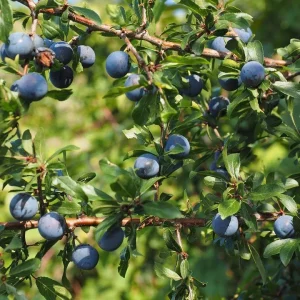
Bring the joy of fresh, homegrown fruit to your garden with the Sierra Northern Highbush blueberry plant. This robust 2-year-old bare root specimen, typically measuring 10 to 12 inches in size, is ready to establish itself and begin producing delicious berries. The Sierra variety is renowned for its early-season harvest of large, flavorful, and aromatic fruit, making it a highly desirable addition for any fruit enthusiast. As a Northern Highbush blueberry, it thrives in a wide range of climates and offers excellent cold hardiness. Its attractive open, spreading habit and fiery red to orange foliage in the fall also make it a superb choice for both ornamental landscape use and productive container gardening.
The Sierra Northern Highbush blueberry plant is known for its adaptability and consistent yields. Whether you’re an experienced gardener or just starting your journey into growing fruit, this plant provides a rewarding experience with minimal fuss. Its early ripening period ensures you’ll be enjoying sweet berries while other varieties are still developing. Plant multiple cultivars within 5 feet of each other to encourage cross-pollination, which leads to larger and more abundant berries, extending your harvest season.
Key Benefits
The Sierra Northern Highbush blueberry plant offers numerous advantages for the home gardener, blending aesthetic appeal with bountiful harvests. These benefits make it a standout choice for anyone looking to cultivate their own fruit.
- Delicious Early Harvest: Enjoy large, aromatic, and tasty blueberries early in the season, providing fresh fruit when you crave it most. This variety is celebrated for its excellent flavor profile.
- Versatile Use: Perfectly suited for both container gardening on patios or balconies and integration into landscape designs. Its compact size and attractive form enhance any outdoor space.
- Stunning Seasonal Color: Beyond its fruit production, the plant offers significant ornamental value with its vibrant fiery red to orange foliage in the fall, adding a splash of color to your garden.
- Cold Hardy & Adaptable: As a cold hardy blueberry, the Sierra variety is widely adaptable to various climates, making it a reliable choice for many regions. This resilience ensures successful growth across a broad range of USDA zones.
- Compact Growth Habit: Growing to a manageable height of 3-5 feet, these bushes have an attractive open, spreading habit that makes harvesting easy and keeps the plant from becoming overgrown.
- Encourages Pollination: While self-fertile, planting multiple blueberry cultivars nearby promotes cross-pollination, leading to larger and more abundant fruit, enhancing your overall yield.
- Nutrient-Rich Fruit: Blueberries are packed with antioxidants and vitamins, offering a healthy and delicious snack straight from your garden.
Plant Care & Growing Tips
Proper care is essential for a thriving Sierra Northern Highbush blueberry plant. These plants require specific conditions to produce their best fruit. They flourish in acidic soil with a high organic matter content, which is crucial for their shallow, fibrous root system. Good drainage is paramount, as roots can easily be starved of oxygen in waterlogged conditions. However, blueberries are not drought-tolerant and need consistent moisture, especially during fruiting. Ensure the soil remains moist but never soggy. A sunny location, receiving at least 6-8 hours of direct sunlight daily, will encourage the best fruit production and overall plant health. Consider soil amendments like peat moss, pine bark, or compost to achieve the ideal acidic environment and improve drainage.
When it comes to watering, consistent moisture is key, particularly during dry spells and fruit development. Drip irrigation or soaker hoses are excellent methods to ensure deep watering without wetting the foliage excessively, which can lead to fungal issues. Fertilize your growing blueberry bushes with an acid-loving plant fertilizer in early spring, before new growth begins, and again after the first fruit set. Avoid fertilizers containing nitrates, which can be harmful to blueberries. Pruning should be done in late winter or early spring to remove old, weak, or dead canes and to encourage new, productive growth. This helps maintain the plant’s shape and maximizes fruit yield for your early season blueberry harvest. Protecting plants from birds with netting as berries ripen is also advisable.
Understanding Northern Highbush blueberry care involves monitoring soil pH regularly, ideally keeping it between 4.5 and 5.5. If your soil is naturally alkaline, you may need to apply sulfur or other acidifiers annually. Mulching around the base of the plant with pine needles, wood chips, or shredded leaves helps retain moisture, suppress weeds, and slowly acidify the soil. While the Sierra variety is cold-hardy, in regions with very harsh winters, providing winter protection with a thick layer of mulch or burlap can be beneficial for younger plants. Watch out for common pests like fruit worms or birds, and address them promptly to protect your harvest.
Size & Details
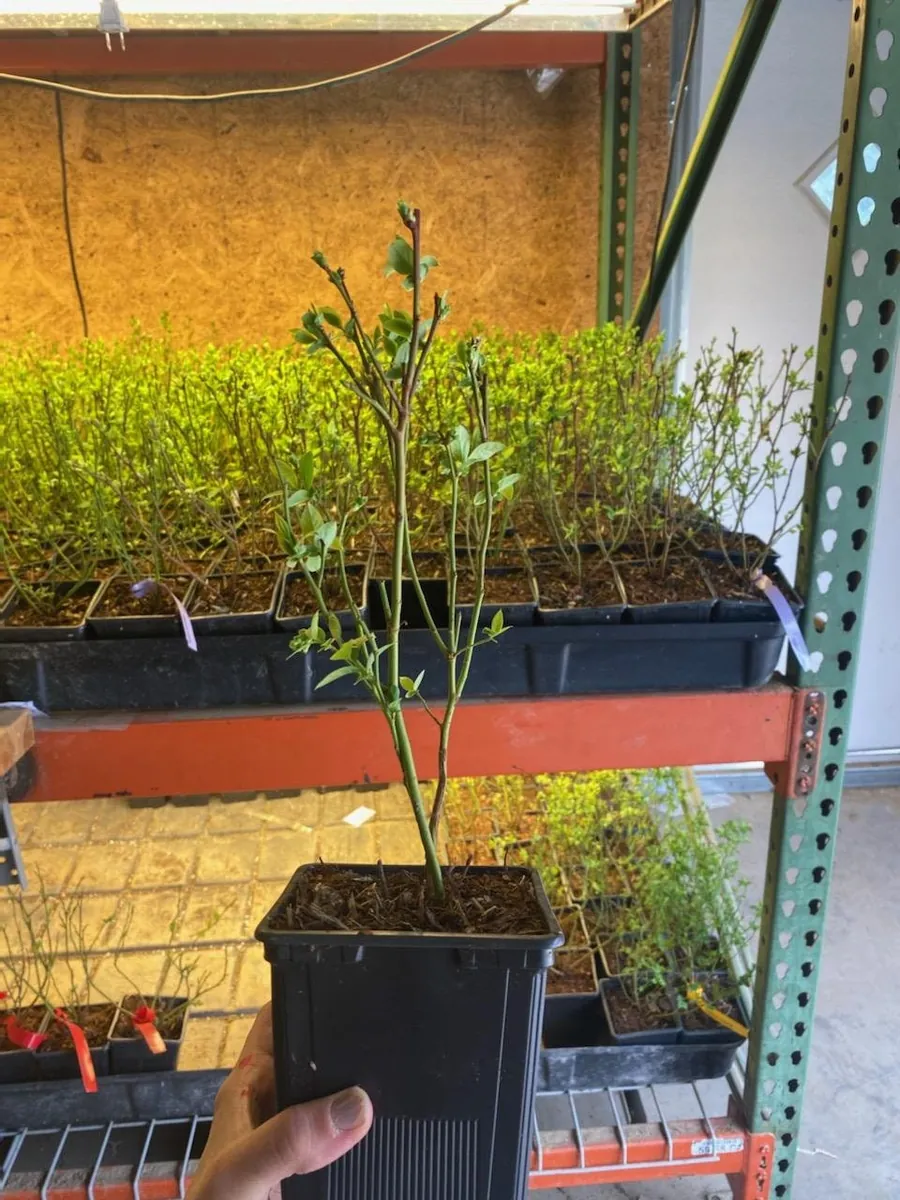
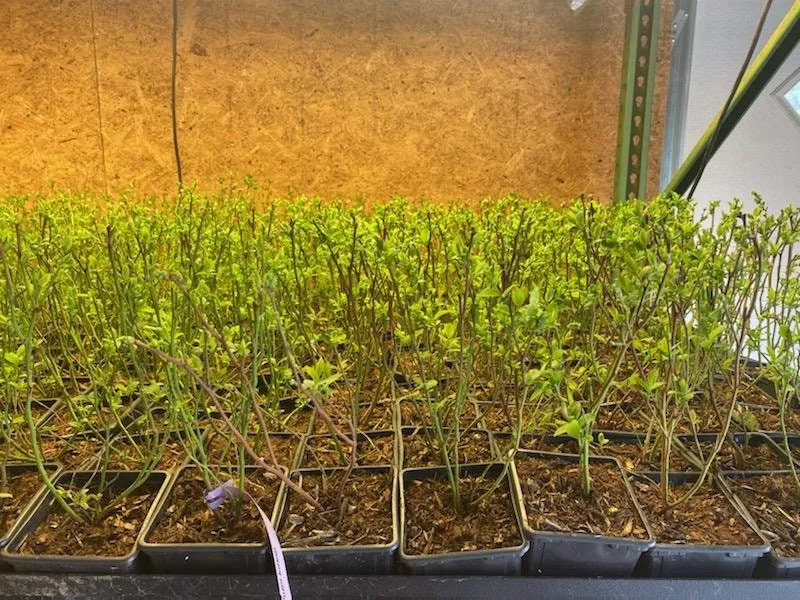
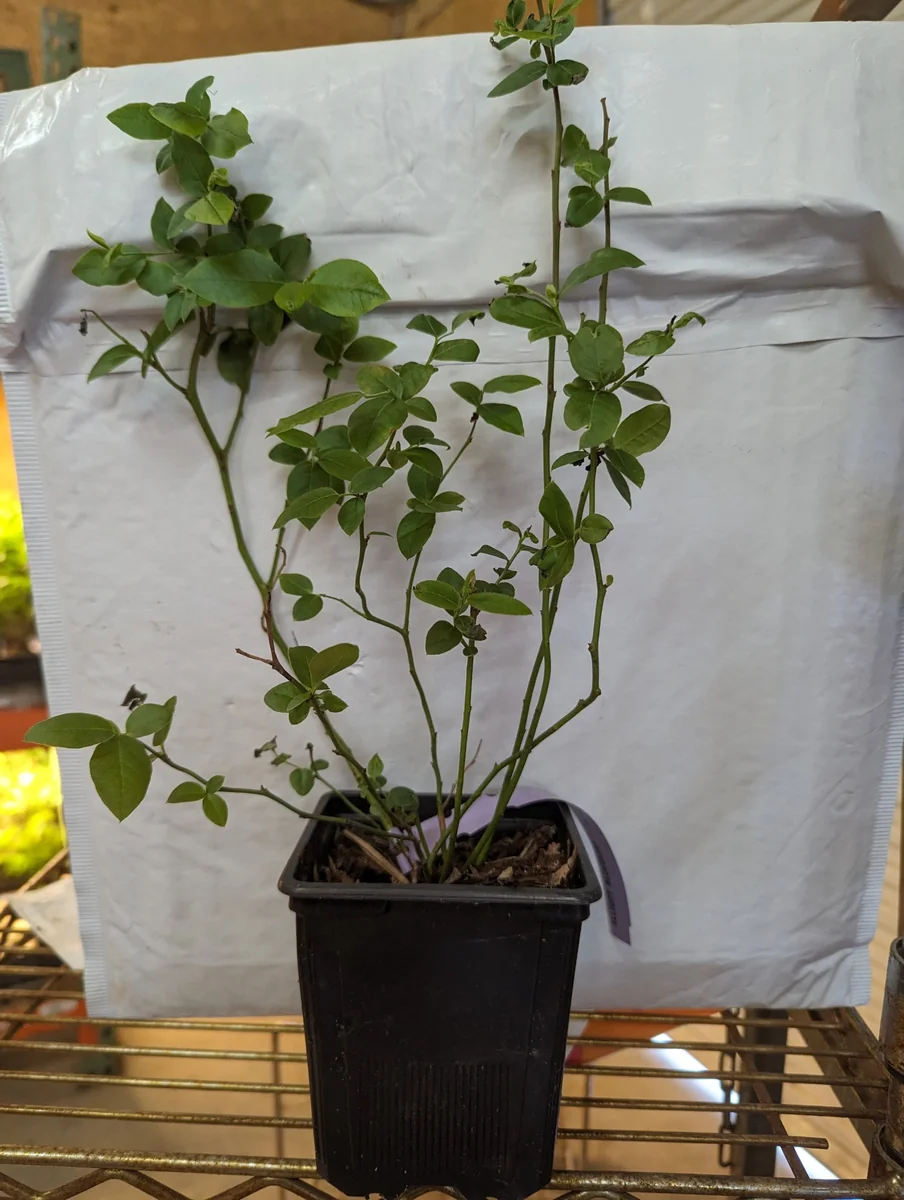
Each offering includes two Sierra Northern Highbush blueberry plant specimens, shipped as 1-quart sized bare root plants. These are typically 2-year-old plants, ensuring they have a well-developed root system ready for planting. The bare root plants will measure approximately 10 to 12 inches in size upon arrival. This size is ideal for transplanting, allowing them to quickly establish in their new environment whether in the ground or in containers. While specific mature dimensions depend on growing conditions, they generally reach a compact height of 3-5 feet with an attractive open, spreading habit. Expect fruit production to begin within 1-2 years after planting, with full maturity and peak yields reached in 3-5 years. The bare root format ensures a healthy start, reducing transplant shock and promoting robust growth.
Frequently Asked Questions
- Q: How big will my Sierra Northern Highbush blueberry plant get? A: These bushes typically grow to a height of 3-5 feet with an attractive open, spreading habit. Their compact size makes them suitable for various garden settings and even large containers.
- Q: Is this an indoor or outdoor plant? A: This is an outdoor plant, specifically a Northern Highbush blueberry, designed for garden and landscape use. It requires full sun exposure and specific soil conditions to thrive.
- Q: How much sunlight does it need? A: For optimal fruit production, the Sierra Northern Highbush blueberry plant requires a location that receives at least 6-8 hours of direct sunlight per day.
- Q: Is this plant easy to care for? A: Blueberry plants require specific acidic soil conditions and consistent moisture. With the right soil preparation and regular watering, they are relatively easy to care for and highly rewarding. Understanding growing blueberry bushes‘ needs is key.
- Q: What condition will the plant arrive in? A: Your plants will arrive as bare root, 1-quart sized, typically 10-12 inches tall, and 2 years old. This means they will not be in soil or a pot, allowing for easier transplanting.
- Q: When is the best time to plant this blueberry? A: The best time to plant bare root blueberries is typically in early spring, after the last hard frost, allowing them ample time to establish before the growing season.
- Q: Will this cold hardy blueberry survive winter in my zone? A: The Sierra variety is known for its excellent cold hardiness and wide adaptability. It is generally suitable for USDA zones 4-8. Check your local USDA hardiness zone to ensure compatibility.
- Q: What kind of soil does this blueberry need? A: Blueberries thrive in acidic soil with a pH between 4.5 and 5.5, rich in organic matter. Good drainage is also essential. Soil amendments may be needed to achieve ideal conditions for your early season blueberry.
- Q: How long until I get fruit from my blueberry plant? A: You can typically expect your 2-year-old bare root blueberry plant to start producing fruit within 1-2 years after planting, with significant yields increasing in subsequent years.
- Q: Should I plant more than one blueberry bush? A: While blueberry cultivars are self-fertile, cross-pollination by planting multiple cultivars within 5 feet of each other significantly increases fruit size and yield. This is a crucial aspect of successful growing blueberry bushes.


Reviews
There are no reviews yet.