

Overview
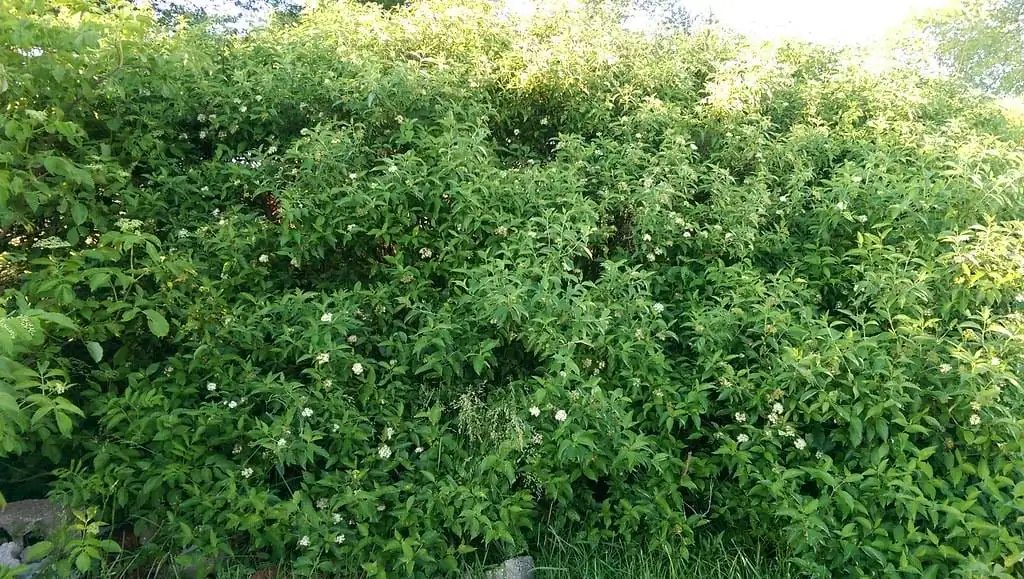
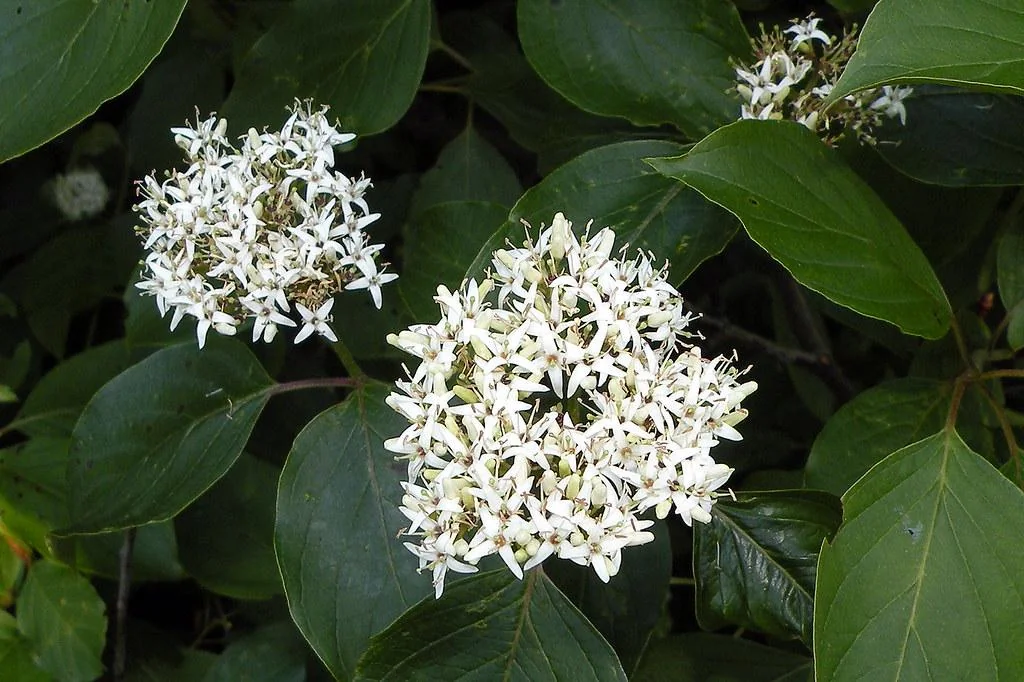
Introduce a touch of native beauty to your garden with the Silky Dogwood bareroot tree (Cornus amomum). This medium-sized shrub is a resilient and attractive addition, particularly suited for moist lowland areas, swamp borders, floodplains, shrub wetlands, and along streams and ponds. The common name, Silky Dogwood shrub, comes from the distinctive silky hairs found on its twigs and leaf undersides. In late spring to early summer, tiny yellowish-white flowers emerge in flat-topped clusters, providing a delicate display. These flowers are followed by eye-catching berry-like drupes that transition from white to a vibrant blue as they ripen in late summer, offering a crucial food source for birds. With its purplish-brown twigs in spring and a unique brown pith, the Cornus amomum plant provides year-round visual interest.
This Silky Dogwood bareroot tree is shipped dormant and ready for planting, offering an economical and effective way to establish this beneficial shrub in your landscape. It’s an excellent choice for those looking to support local wildlife and enhance biodiversity in their outdoor spaces. Understanding growing Silky Dogwood is straightforward, as it adapts well to a variety of conditions, especially those with consistent moisture.
Key Benefits
The Silky Dogwood bareroot tree offers numerous benefits for both your landscape and local ecosystem, making it a valuable addition to many garden designs. Its adaptability and aesthetic appeal are highly sought after by gardeners.
- Wildlife Attraction: The attractive blue berry-like drupes that ripen in late summer are a favorite food source for various bird species, making this an excellent plant for attracting avian visitors to your garden. This contributes to a healthier and more vibrant ecosystem.
- Adaptability to Moist Conditions: Unlike many plants, the Cornus amomum plant thrives in moist to wet soil, making it ideal for areas prone to dampness, such as along ponds, streams, or in rain gardens. It helps stabilize soil in these environments.
- Seasonal Interest: Enjoy seasonal beauty with yellowish-white flowers in late spring, followed by striking blue berries in late summer, and distinctive purplish-brown twigs in spring. This continuous appeal ensures your garden remains interesting throughout the year.
- Native Species: As a native shrub, the Silky Dogwood shrub is well-adapted to local climates and soils, requiring less intervention and supporting native insect populations. Native plants are crucial for ecological balance.
- Low Maintenance: Once established, the Silky Dogwood bareroot tree is relatively low-maintenance, requiring minimal care beyond initial planting and watering. This makes growing Silky Dogwood a rewarding experience for gardeners of all skill levels.
- Erosion Control: Its robust root system helps to prevent soil erosion, particularly in floodplains and along waterways, making it a practical choice for challenging landscapes.
Plant Care & Growing Tips
Successful establishment and thriving growth of your Silky Dogwood bareroot tree rely on providing the right conditions and consistent care. This hardy shrub is generally forgiving but benefits greatly from attention to its preferred environment. For optimal results when growing Silky Dogwood, consider its natural habitat.
Sunlight Requirements: The Cornus amomum plant performs best in full sun to part sun. Full sun encourages more prolific flowering and fruiting, but it can tolerate some afternoon shade, especially in hotter climates, which can help prevent leaf scorch. Aim for at least 4-6 hours of direct sunlight daily. Soil Type and Moisture: This shrub is famously adaptable to moist to wet soils. It prefers rich, organic, well-draining soil but can tolerate clayey conditions as long as there is consistent moisture. It’s crucial not to let the soil dry out, especially during establishment. Regular watering is essential, particularly during dry spells or if planted in a less moist location. Applying a layer of mulch around the base can help retain soil moisture and regulate soil temperature.
Temperature and USDA Hardiness Zone: The Silky Dogwood shrub is hardy in USDA Zones 4-9, making it suitable for a wide range of climates across the United States. It is quite tolerant of both cold winters and warm summers within these zones. Fertilization is generally not heavily required once established, especially if planted in rich soil. However, a balanced slow-release fertilizer in early spring can promote vigorous growth. Pruning can be done in late winter or early spring to remove dead or damaged branches, manage size, or encourage bushier growth. This ensures the health and aesthetic appeal of your Dogwood tree care routine. Watch for common pests and diseases, though Silky Dogwood is relatively resistant; good air circulation and proper moisture levels can prevent most issues.
Size & Details
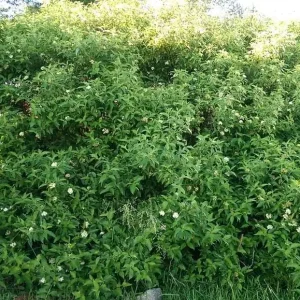
This offering is for a Silky Dogwood bareroot tree, typically measuring 18-30 inches in height upon arrival. As a mature shrub, the Cornus amomum plant can reach a height and spread of 6-12 feet, developing a rounded shape. It exhibits green foliage throughout the growing season, though fall foliage is generally insignificant. These plants are shipped as bare roots, meaning they arrive without soil around their roots, which helps minimize transplant shock and makes them easier to ship. They are deciduous, shedding their leaves in the fall and entering dormancy for winter. The bareroot form allows for flexible planting in early spring or fall, providing ample time for establishment before extreme weather. Expect a moderate growth rate, with significant development within the first few years after planting, especially with proper Dogwood tree care.
Frequently Asked Questions
- Q: How big does a Silky Dogwood bareroot tree get? A: A mature Silky Dogwood bareroot tree typically grows to a height and spread of 6-12 feet, forming a rounded shape. The plants you receive are 18-30 inches tall, ready to establish and grow.
- Q: Is this an indoor or outdoor plant? A: The Silky Dogwood shrub (Cornus amomum) is an outdoor plant, best suited for landscape planting in gardens, along waterways, or in naturalized areas. It requires outdoor conditions to thrive.
- Q: How much sunlight does the Cornus amomum plant need? A: This plant thrives in full sun to part sun, meaning it needs at least 4-6 hours of direct sunlight per day for optimal growth, flowering, and fruiting.
- Q: Is this plant easy to care for? A: Yes, once established, the Silky Dogwood bareroot tree is considered relatively low-maintenance, especially if planted in its preferred moist conditions. It’s a good choice for gardeners looking for a hardy native shrub.
- Q: What condition will the Silky Dogwood arrive in? A: Your Silky Dogwood bareroot tree will arrive as a dormant bare root plant, meaning it will not have leaves and its roots will be free of soil. This is a standard and healthy way to ship deciduous plants.
- Q: When is the best time for growing Silky Dogwood? A: The optimal time for planting bare root Silky Dogwood is in early spring or fall, allowing the plant to establish its root system before the stress of summer heat or winter cold.
- Q: What USDA Hardiness Zones is this Silky Dogwood shrub suitable for? A: The Silky Dogwood shrub is hardy in USDA Zones 4-9, making it capable of withstanding a broad range of winter temperatures across many regions.
- Q: Will the berries attract birds? A: Yes, the blue berry-like drupes produced by the Cornus amomum plant are very attractive to birds and are an important food source for local wildlife in late summer.
- Q: What kind of soil does this tree prefer? A: This plant prefers moist to wet, rich, well-draining soil, thriving particularly well in areas with consistent moisture, such as along ponds or in low-lying areas.
- Q: What are some tips for Dogwood tree care during establishment? A: During establishment, ensure consistent moisture, especially in the first year. Mulching around the base helps retain water. Prune only to remove dead or damaged wood.


Reviews
There are no reviews yet.