Overview
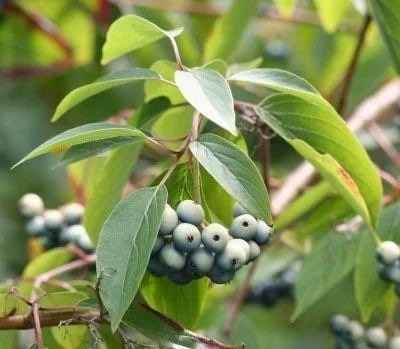
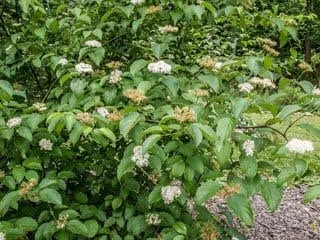
Introduce a touch of native charm to your garden with the Silky Dogwood live plant, scientifically known as Cornus amomum. This robust deciduous shrub is celebrated for its attractive features, including showy yellowish-white flowers that bloom in late spring to early summer, and distinctive blue drupes (berries) that provide visual interest and food for wildlife. Growing up to 5 meters tall, the Silky Dogwood live plant is an excellent choice for creating naturalized thickets, providing erosion control, or adding a vibrant understory layer to woodland gardens. Its adaptability and aesthetic appeal make it a favored choice among gardeners looking for a resilient and beautiful addition to their outdoor spaces.
The Cornus amomum, or Silky Dogwood live plant, is a truly remarkable specimen, offering year-round interest. Its opposite leaves, up to 10 cm long, are oval with an acute apex and turn a beautiful rusty brown in autumn. The shrub’s vigorous growth habit allows it to form dense thickets, making it an ideal candidate for privacy screens or natural barriers. This plant is not only beautiful but also plays an important ecological role, providing food and shelter for various bird species and other wildlife with its abundant blue fruits. If you’re searching for a native dogwood plant that thrives and adds ecological value, look no further.
Key Benefits
Adding a Silky Dogwood live plant to your garden offers a multitude of advantages, both aesthetic and ecological. This versatile shrub provides significant value to any landscape:
- Stunning Seasonal Interest: Enjoy delicate yellowish-white flowers in May and June, followed by eye-catching blue berries that persist into the fall, adding vibrant color to your garden. This continuous display ensures your outdoor space remains captivating throughout the growing season.
- Wildlife Attraction: The blue drupes are a vital food source for numerous bird species, bringing life and activity to your outdoor space. The dense foliage provides excellent cover and nesting sites, making it a haven for local fauna and an ideal dogwood shrub for garden enthusiasts who appreciate nature.
- Erosion Control: Its strong root system and tendency to form thickets make the Silky Dogwood live plant an excellent choice for stabilizing soil on slopes and along waterways, preventing erosion. This is particularly beneficial for maintaining landscape integrity in challenging areas.
- Adaptable & Hardy: Thrives in a wide range of conditions, particularly in moist soils and full sun to partial shade. It is suitable for USDA Zones 4-8, demonstrating its resilience to varying climates and making it a reliable choice for many gardeners.
- Low Maintenance: Once established, this shrub requires minimal care, making it perfect for gardeners seeking a beautiful yet easy-to-manage plant. This means more time enjoying your garden and less time on demanding upkeep.
- Naturalized Landscaping: Ideal for creating naturalized areas, woodland gardens, or informal hedges, enhancing the natural beauty of your property. Its ability to form dense thickets offers natural privacy and a wild, appealing aesthetic.
- Attractive Foliage: The leaves are rusty brown and pubescent, providing unique texture and color, especially when paired with other garden plants. This adds another layer of visual interest beyond its flowers and fruits.
Plant Care & Growing Tips
Caring for your Silky Dogwood live plant, or Cornus amomum care, is relatively straightforward, making it a rewarding choice for many gardeners. This deciduous shrub prefers moist, well-drained soil and can tolerate a range of soil types, including clay. For optimal growth and flowering, plant your Silky Dogwood in full sun to partial shade. In hotter climates, some afternoon shade can prevent leaf scorch. Ensure adequate moisture, especially during dry periods, as it naturally thrives in wetland borders and along streams.
When considering a dogwood shrub for garden, proper watering is crucial, particularly during the first year after planting. Aim for consistently moist, but not waterlogged, soil. Fertilization is generally not necessary unless your soil is very poor; a balanced slow-release fertilizer can be applied in early spring if needed. Pruning can be done in late winter or early spring to remove dead or damaged branches, or to shape the plant and control its size. If left unattended, this plant will grow to create thickets, which can be desirable for wildlife habitats. Understanding Cornus amomum care ensures a healthy and thriving plant.
This hardy native dogwood plant is suitable for USDA Zones 4-8, meaning it can withstand cold winters and hot summers within this range. While generally pest and disease resistant, monitor for common issues like powdery mildew in humid conditions. Good air circulation can help prevent fungal problems. With proper care, your Silky Dogwood will flourish, providing beauty and ecological benefits for years to come. For those looking for a resilient and attractive blue berry dogwood, this is an excellent choice.
Size & Details
Each purchase includes one Silky Dogwood live plant in a quart pot, ready for planting. This deciduous shrub typically grows to an impressive height of up to 5 meters (approximately 16 feet) and can spread to create dense thickets if left unpruned. The plant exhibits a moderate to fast growth rate, quickly establishing itself in suitable conditions. You can expect the vibrant, four-petalled yellowish-white flowers to appear between May and June, followed by the distinctive small blue drupes that mature in late summer. This plant is shipped as a potted specimen, ensuring a healthy start in your garden. Its ability to form dense vegetative areas makes it an excellent choice for naturalizing or creating privacy screens. The robust nature of this blue berry dogwood ensures it will be a long-lasting feature in your landscape.
Frequently Asked Questions
- Q: How big does this plant get? A: The Silky Dogwood live plant can grow up to 5 meters (about 16 feet) tall, forming a dense, multi-stemmed shrub. Its spread can be equally wide if allowed to naturalize. This vigorous growth provides substantial coverage and habitat.
- Q: What size pot does it come in? A: Each Silky Dogwood live plant is shipped in a quart-sized pot, providing a well-established root system for successful transplanting. This size is ideal for planting directly into your garden.
- Q: Is this an indoor or outdoor plant? A: The Silky Dogwood live plant is an outdoor shrub, thriving in garden settings, especially in moist areas or along stream banks. It is not suitable for indoor cultivation due to its size and environmental needs.
- Q: How much sunlight does it need? A: This native dogwood plant prefers full sun to partial shade. In areas with intense afternoon sun, partial shade will help protect the foliage from scorch and ensure healthy growth.
- Q: Is this plant easy to care for? A: Yes, Cornus amomum care is considered relatively easy. Once established, it is a low-maintenance shrub, requiring consistent moisture and occasional pruning to maintain shape and promote vigor.
- Q: What condition will it arrive in? A: Your Silky Dogwood live plant will arrive as a healthy, actively growing plant in its quart pot, ready for careful unpacking and planting. We ensure secure packaging for safe transit.
- Q: Can I use the berries from the blue berry dogwood? A: The blue drupes are primarily a food source for birds and wildlife; they are generally not consumed by humans. They provide essential sustenance for local ecosystems.
- Q: When is the best time to plant a dogwood shrub for garden? A: The best time to plant a dogwood shrub for garden is in spring or early fall, allowing the plant to establish its root system before extreme temperatures. This maximizes its chances of successful establishment.
- Q: Will it survive winter in my zone? A: Yes, the Silky Dogwood live plant is hardy in USDA Zones 4-8, making it resilient to a wide range of winter conditions within these zones. It is well-adapted to colder climates.
- Q: What type of soil does it prefer? A: This shrub thrives in moist, well-draining soils and can tolerate various soil types including clay, often found in its native habitats. Consistent moisture is key for optimal growth.


Reviews
There are no reviews yet.